Valley of the Bedford — History & Facts
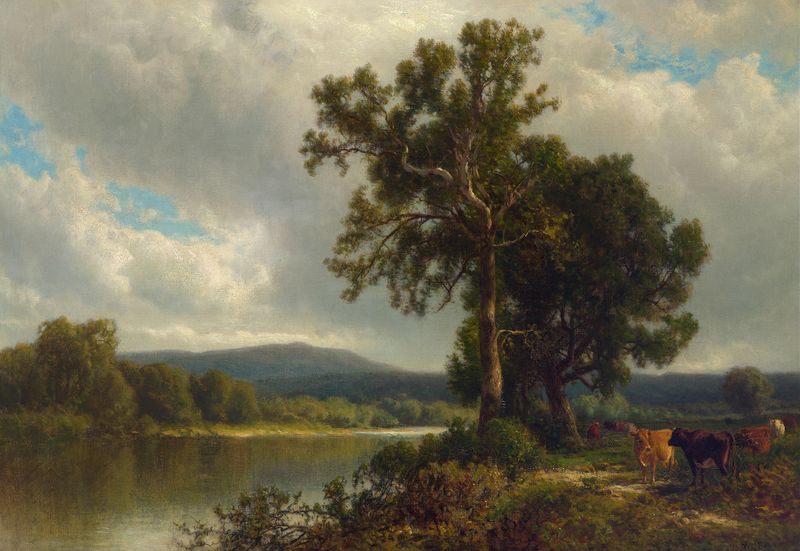
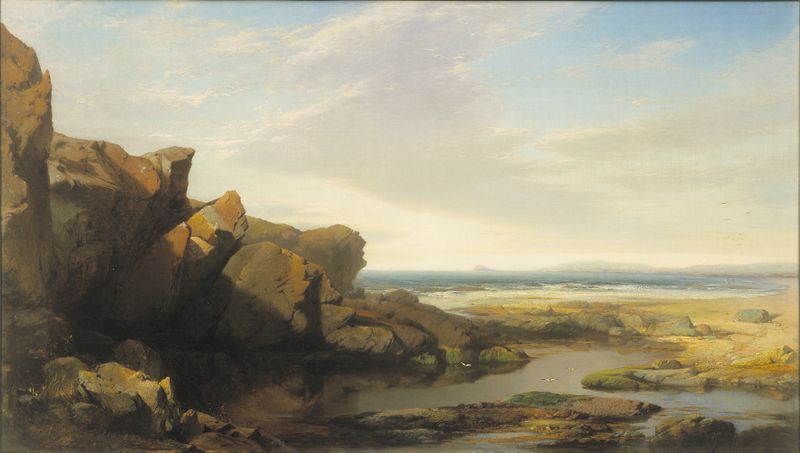
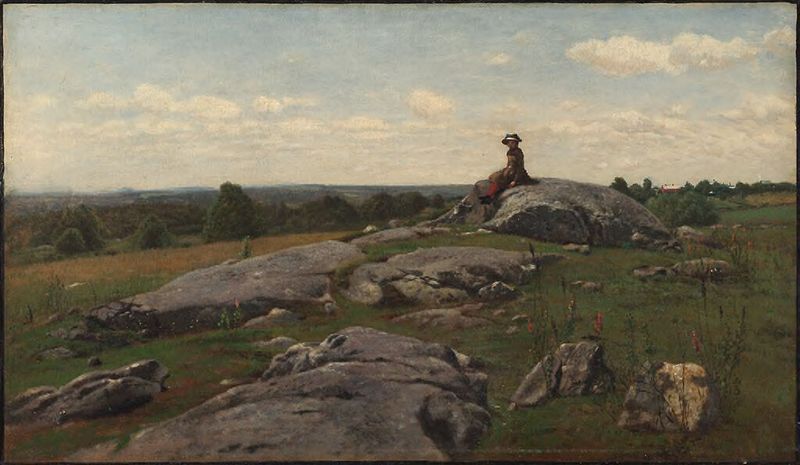
In the vastness of the natural world, there exists a profound solitude that echoes through time and space. Focus on the sweeping landscape that unfolds before you, where rolling hills embrace a serene valley. The soft, muted greens of the foliage contrast beautifully with the warm tones of the earth, inviting your gaze to wander from the foreground to the distant horizon. Notice how the gentle brushstrokes create a soft focus, blurring the boundaries between the elements, and allowing the light to dance across the canvas, breathing life into the tranquil scene. Within this serene expanse, there is a palpable tension — the beauty of nature holds a whisper of loneliness.
The solitary tree stands sentinel, its branches reaching out yet feeling the weight of isolation, while the winding river, though flowing, seems to suggest a quiet yearning for connection. The interplay of light and shadow adds an emotional depth, hinting at moments of both hope and desolation in this expansive yet intimate portrayal of the landscape. William Hart painted Valley of the Bedford around 1859 during a time when the Hudson River School movement was at its height. Living in America, Hart was influenced by the Romantic ideals that celebrated nature's beauty and humanity's place within it.
This painting reflects his desire to convey the emotional resonance of landscapes, capturing not just the scenery but the deeper sense of solitude that often accompanies the experience of nature.