
Autumn Landscape (Paysage d’automne) — History & Facts
Did the painter know this moment would outlive them? In Autumn Landscape, the silence of falling leaves envelops the canvas, capturing a fleeting beauty that speaks volumes of both transience and permanence. Focus on the rich, warm tones that wash over the scene, inviting your gaze to the horizon where orange and gold trees stand in harmonious contrast to the cool blues of the sky. Notice how the brushstrokes create a soft texture, as if the very air is saturated with the scent of autumn. The composition pulls the viewer in, creating a sense of depth that beckons you to wander through the path lined with vibrant foliage. Digging deeper, the interplay of light and shadow reveals the emotional weight of the landscape.
The trees, sturdy yet delicate, symbolize the passage of time, while the scattered leaves evoke a bittersweet nostalgia. Each detail reflects a tension between the beauty of nature and the inevitability of change, inviting contemplation of life’s ephemeral moments. In 1884, Renoir was immersed in the Impressionist movement, exploring new techniques that emphasized color and light. Painted during a period of personal and artistic growth, he was influenced by his surroundings and the changing seasons, capturing the essence of fleeting beauty.
This work stands as a testament to his ability to blend observation with emotion, creating a lasting connection with viewers long after the scene has changed.
More Artworks by Pierre-Auguste Renoir
Browse all →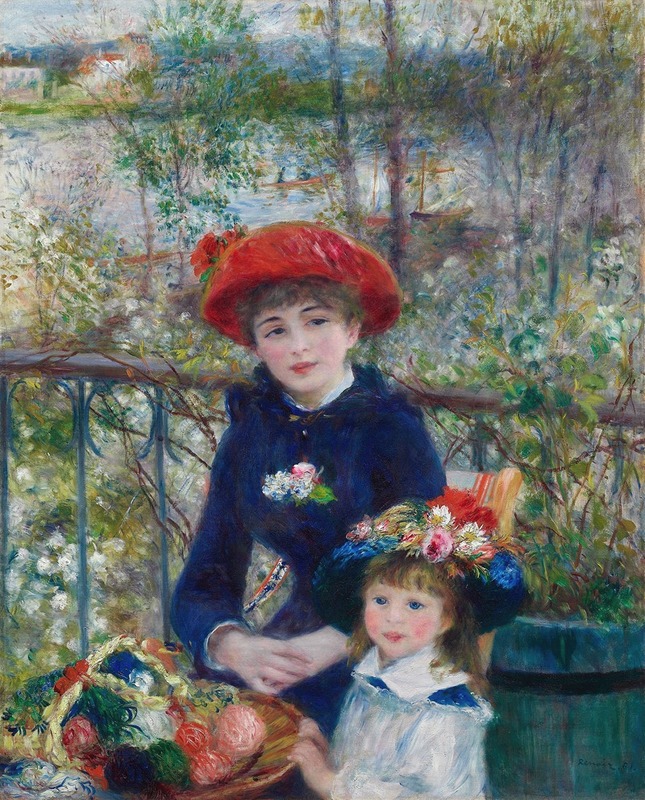
Two Sisters (On the Terrace)
Pierre-Auguste Renoir
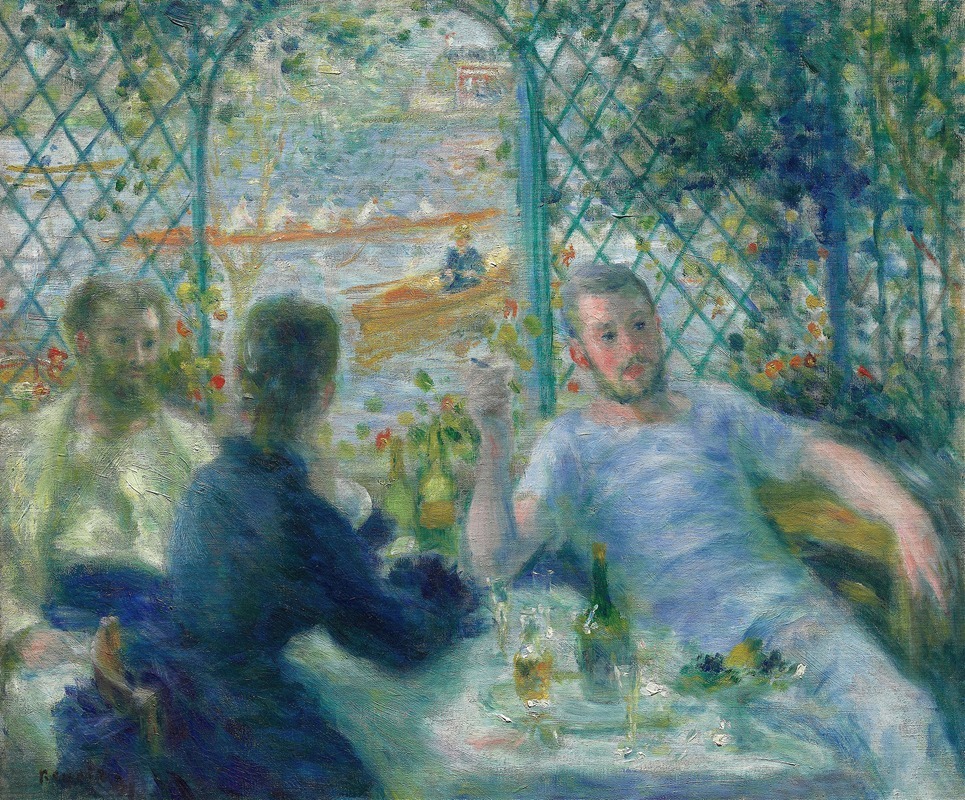
Lunch at the Restaurant Fournaise (The Rowers' Lunch)
Pierre-Auguste Renoir
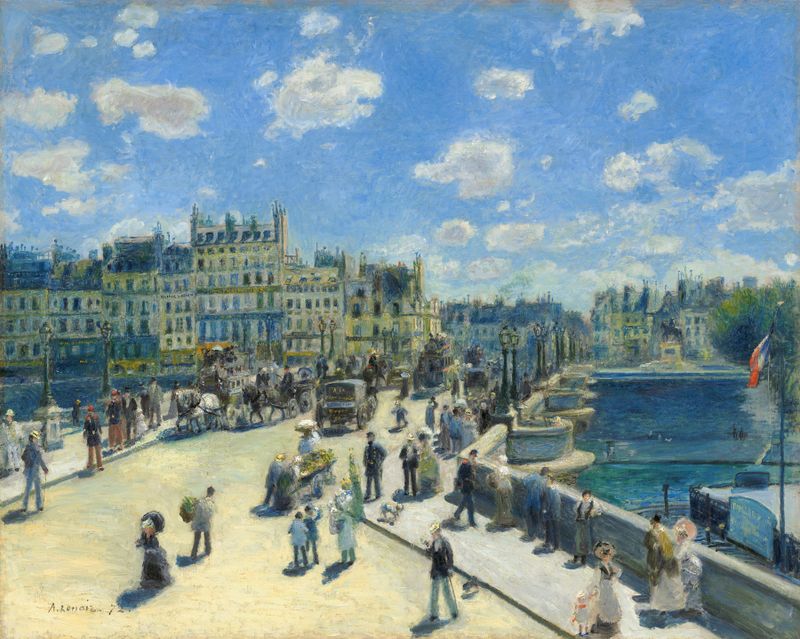
Pont Neuf, Paris
Pierre-Auguste Renoir
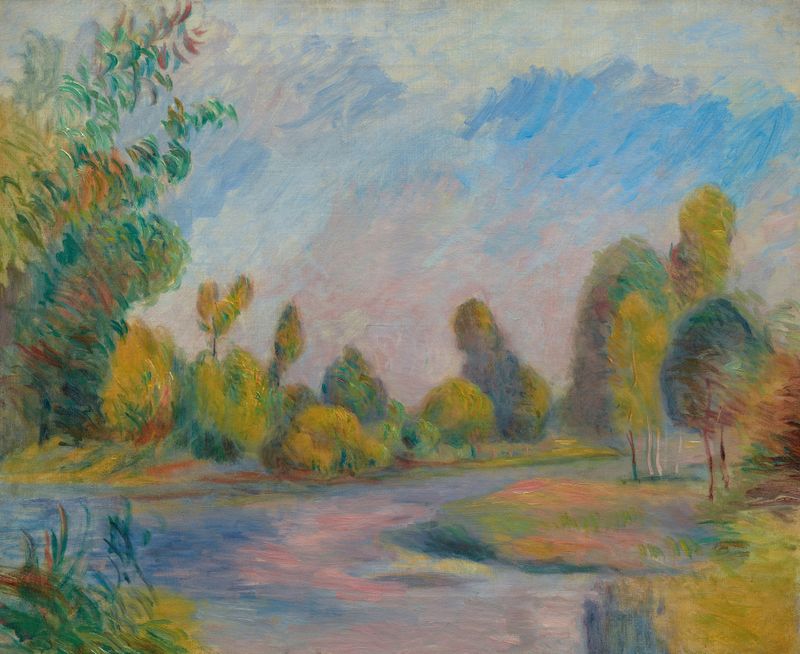
Au bord de la rivière
Pierre-Auguste Renoir

Near the Lake
Pierre-Auguste Renoir
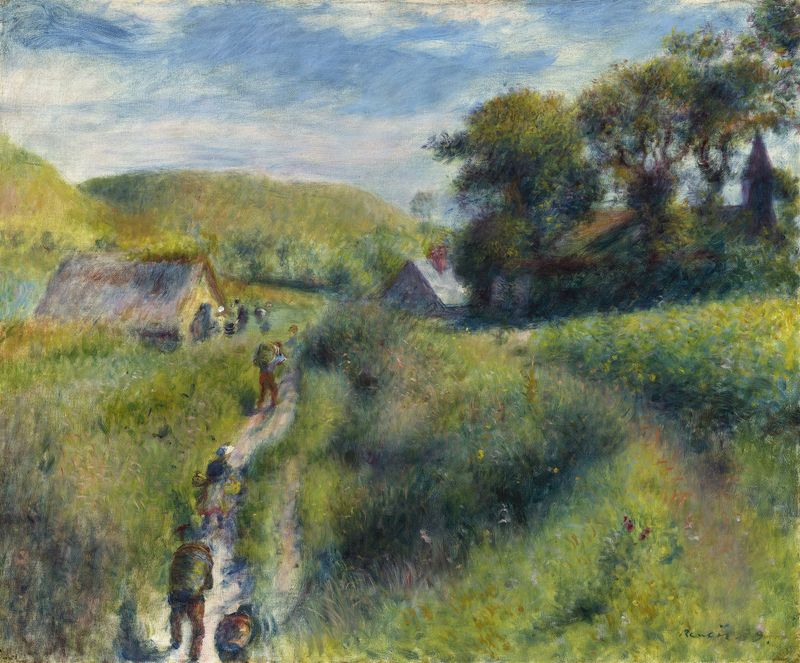
The Mussel Harvest
Pierre-Auguste Renoir

The Seine at Chatou
Pierre-Auguste Renoir
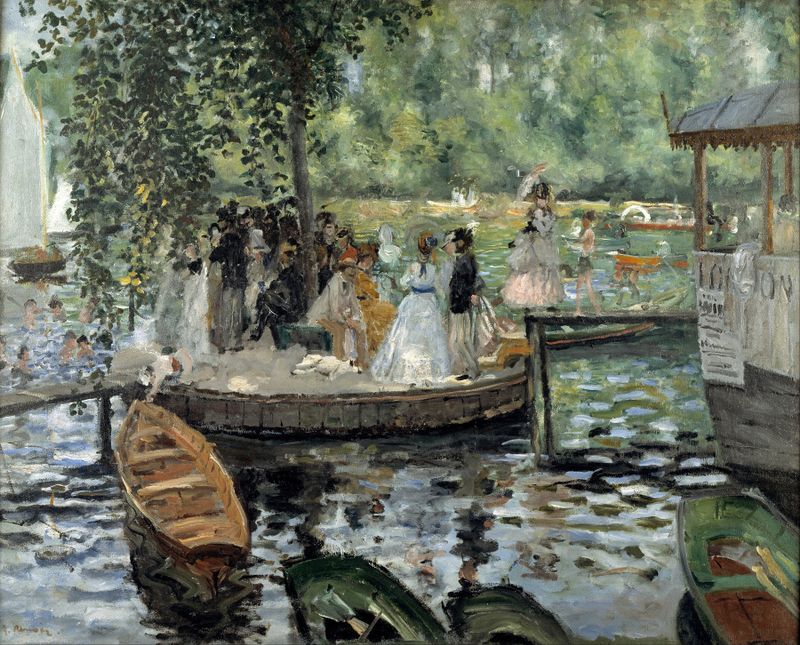
La Grenouillère
Pierre-Auguste Renoir
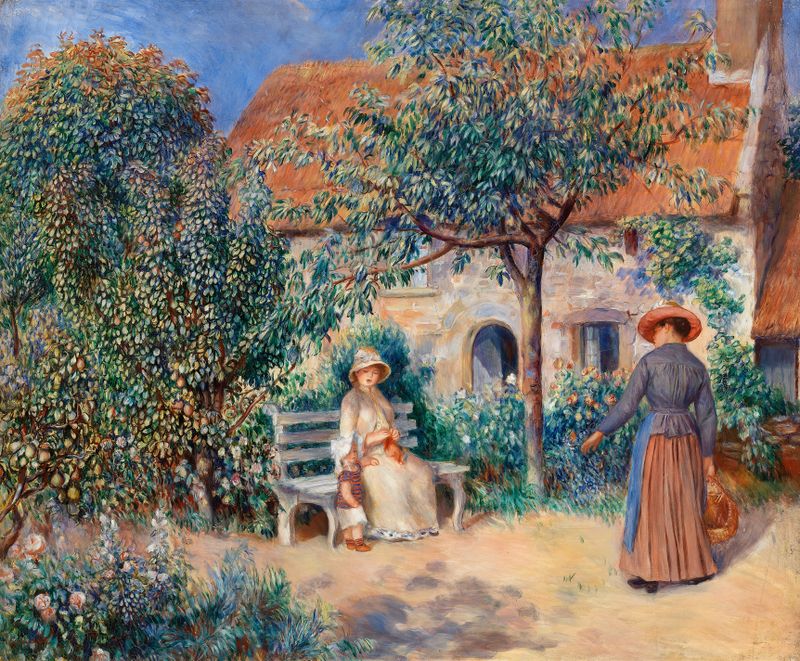
In Brittany (En Bretagne)
Pierre-Auguste Renoir
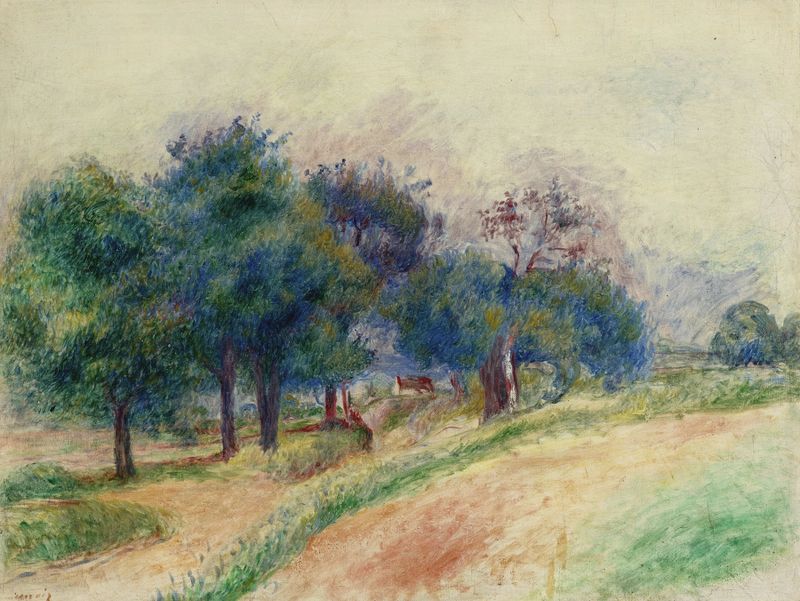
Paysage d’Essoyes
Pierre-Auguste Renoir





