
Autumn Maple Trees — History & Facts
No one knows exactly when Katsushika Hokusai created Autumn Maple Trees, nor for whom it was made, yet this uncertainty has only deepened its allure among collectors and scholars. The work belongs to a tradition of Japanese painting that celebrates the fleeting beauty of the seasons, and it has often been compared to Hokusai’s more famous woodblock prints, though its medium and origins remain a mystery. What is certain is that Autumn Maple Trees has been admired for centuries, with early 20th-century critics in Tokyo already remarking on its "delicate blaze of color." The painting’s anonymity—lacking a date, a patron, or even a clear provenance—has made it an object of fascination, standing apart from Hokusai’s better-documented series like Thirty-six Views of Mount Fuji. In Autumn Maple Trees, the viewer is caught at the height of koyo, the Japanese autumn leaf-viewing season, when maples burn red and gold across the landscape.
Hokusai chooses the moment when the leaves are at their richest, just before they begin to fall, filling the composition with a riot of color that seems to shimmer and move. The trees, their trunks twisting and branches splaying, dominate the scene, while a narrow path or stream—barely visible—invites the eye to wander through the riot of foliage. This focus on nature’s drama, rather than human figures or narrative, sets the work apart from Western autumnal scenes like those by John Constable, where the landscape is a stage for rural life.
Here, the trees themselves are the protagonists, their vibrant leaves a meditation on change and impermanence, central themes in Japanese art and poetry. The physical journey of Autumn Maple Trees is as elusive as its origins. Unlike Hokusai’s celebrated prints, which were widely circulated and collected, this work’s whereabouts were long unknown, surfacing only occasionally in exhibition catalogues and scholarly discussions. Its uncertain medium—possibly ink and color on silk or paper—has made definitive attribution challenging, though most experts agree that the brushwork and composition are consistent with Hokusai’s late period.
Today, the painting is held in a private collection, rarely exhibited, and its appearance online has allowed a wider audience to appreciate its quiet power. Within Hokusai’s vast and varied career, Autumn Maple Trees stands as a rare and intimate reflection on the beauty of nature’s cycles.
More Artworks by Katsushika Hokusai

The Great Wave off Kanagawa
Katsushika Hokusai
Fine Wind, Clear Morning (Red Fuji)
Katsushika Hokusai
South Wind, Clear Dawn
Katsushika Hokusai
Rainstorm Beneath the Summit
Katsushika Hokusai
Clear Weather with a Southerly Wind
Katsushika Hokusai
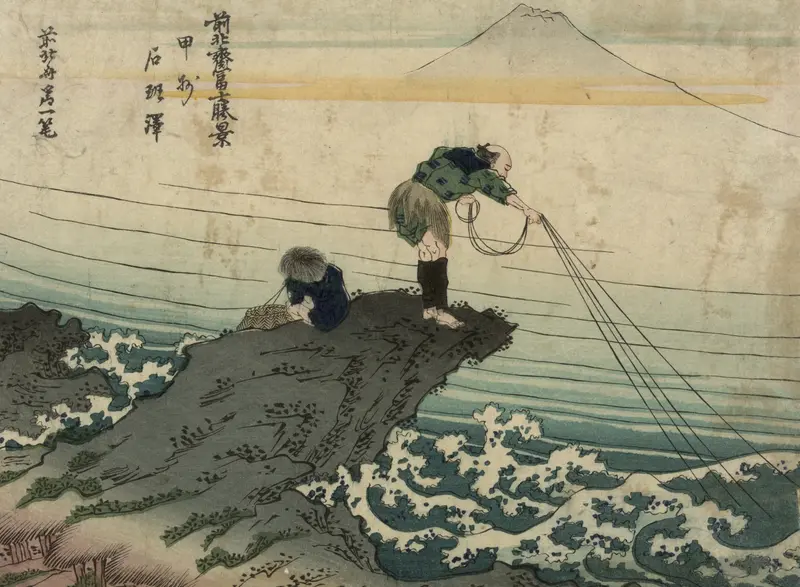
Kōshū kajikazawa
Katsushika Hokusai
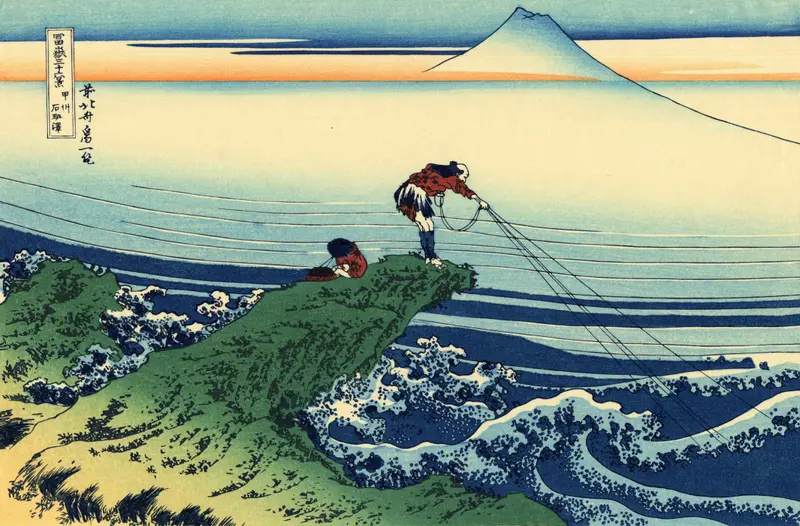
Kōshū kajikazawa 2
Katsushika Hokusai
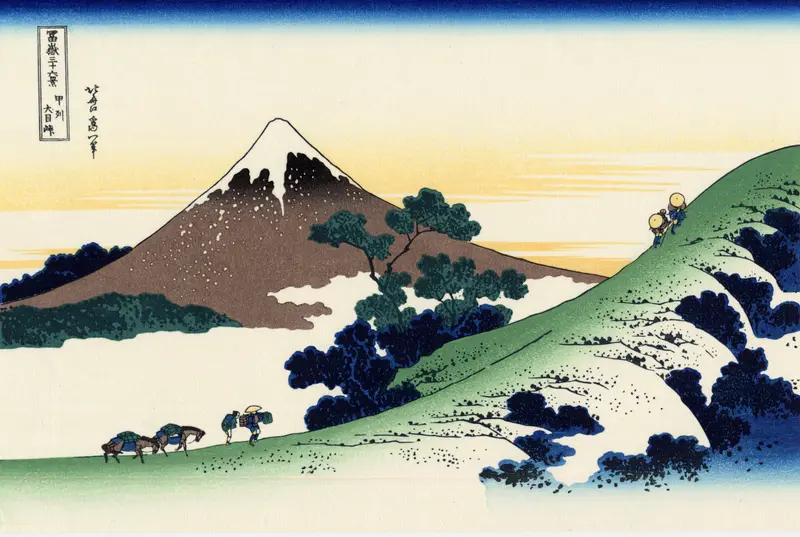
Inume Pass in Kai Province (Kôshû inume-tôge)
Katsushika Hokusai

Yoro Falls in Mino Province (Mino no Yoro no taki), from the series "A Tour of Waterfalls in Various Provinces (Shokoku taki meguri)"
Katsushika Hokusai
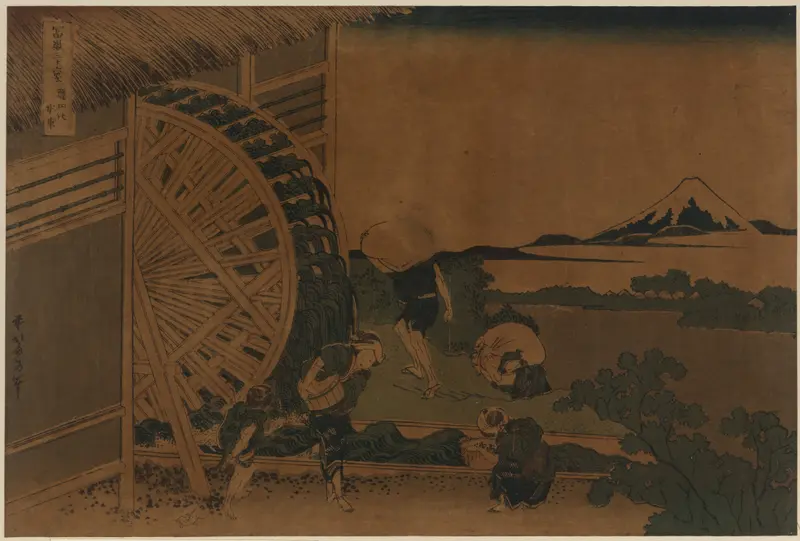
Onden no suisha
Katsushika Hokusai
More Landscape Art

The Starry Night
Vincent van Gogh

View of Delft
Johannes Vermeer

Water Lilies
Claude Monet

The Grand Canal, Venice, looking north-west from the Ca' Corner to the Ca' Contarini degli Scrigni, with the campanile of Santa Maria della Carità
Canaletto

Windsor Castle
Canaletto

The Grand Canal looking North-East from the Palazzo Dolfin-Manin to the Rialto Bridge
Canaletto