
Autumn Treetops — History & Facts
Who listens when art speaks of silence? In Autumn Treetops, the whispering leaves and the stillness of nature evoke a profound sense of yearning, inviting reflection on fleeting moments. Look to the upper left, where vibrant oranges and deep reds pulse against a backdrop of gentle blues and earthy browns. The treetops stand in a majestic choir, each brushstroke capturing the unique sway of branches in the crisp autumn air. Notice how the sunlight dapples through the canopy, creating a dance of light and shadow that breathes life into the scene.
The artist employs a rich palette, expertly blending colors to evoke the warmth of an autumn day, while the composition draws the eye upwards, inviting contemplation of the infinite sky beyond. Within this serene landscape lies an emotional tension, a contrast between the vitality of the leaves and the inevitable approaching chill of winter. The visual harmony of the treetops belies an underlying sense of loss, as one cannot help but feel the passing of time in the season's transition. Each vibrant hue whispers stories of growth and change, suggesting a longing for the warmth of past summers while quietly accepting the cycle of life. Winslow Homer painted Autumn Treetops in 1873, during a period of personal exploration and artistic development.
Living in the vibrant art community of New England, he was deeply influenced by the natural landscape around him. This work reflects a shift towards capturing the subtleties of nature, aligning with a broader movement in American art that sought to explore the relationship between humanity and the environment.
More Artworks by Winslow Homer
Browse all →
The Gulf Stream
Winslow Homer
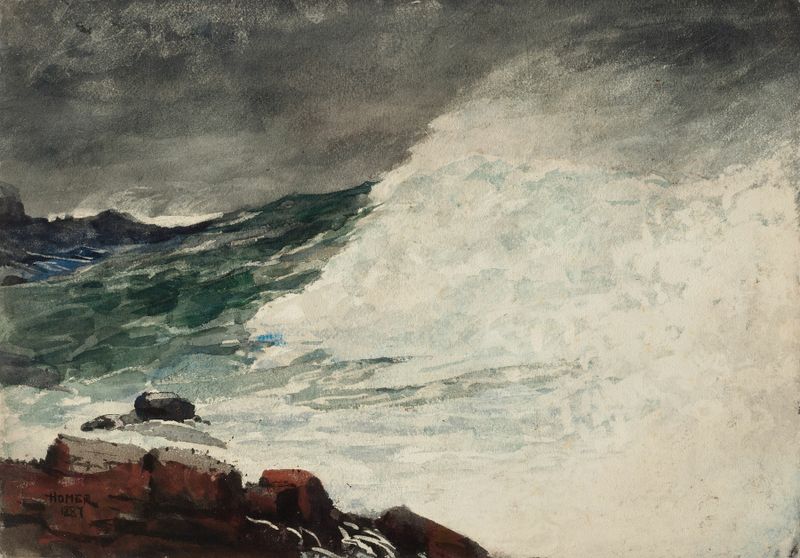
Prout’s Neck, Breaking Wave
Winslow Homer
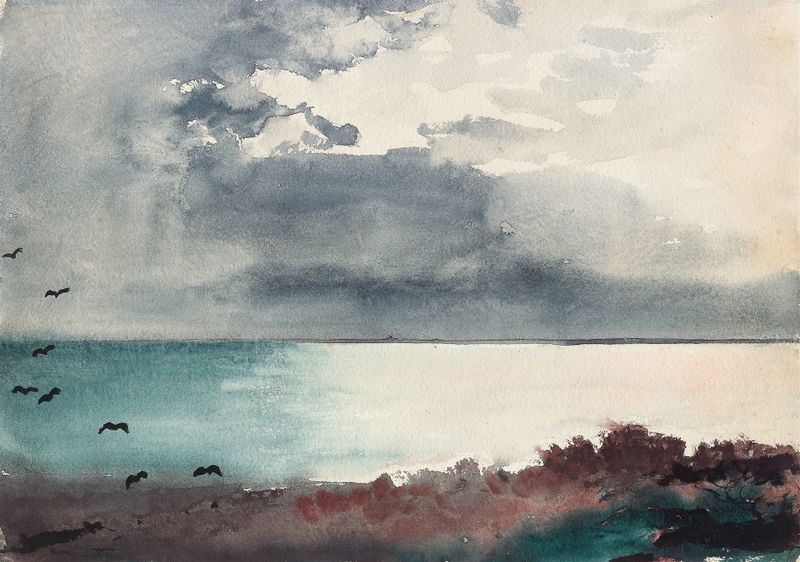
Breaking Storm, Coast of Maine
Winslow Homer
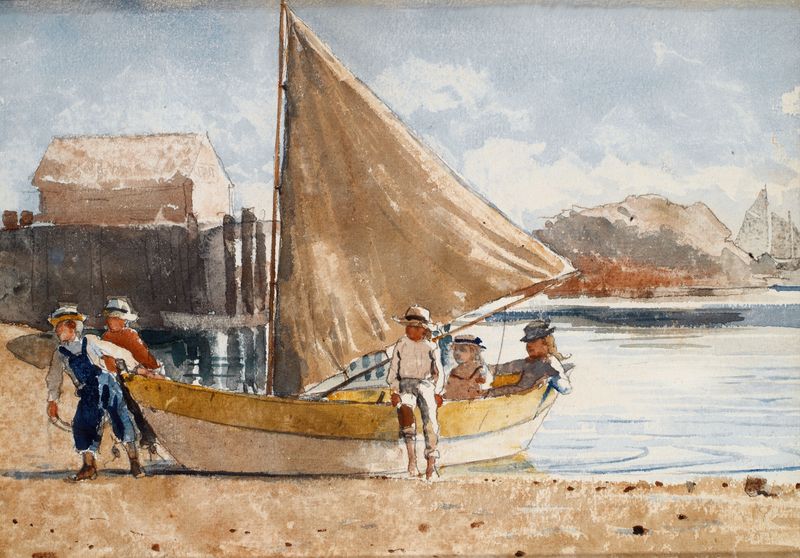
Summertime
Winslow Homer
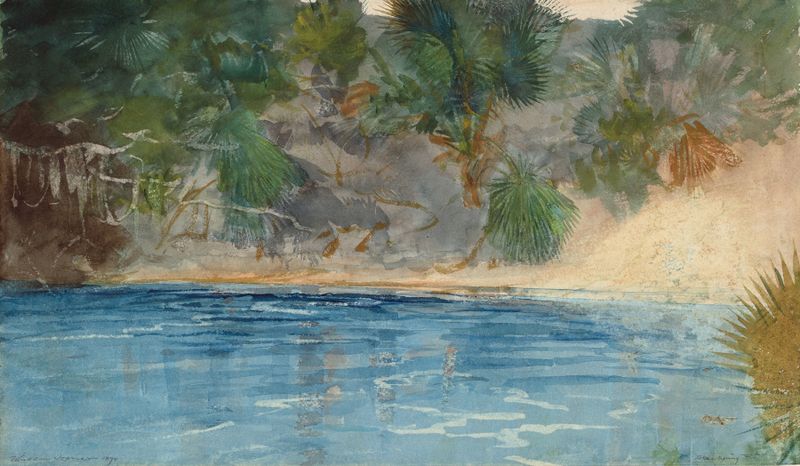
Blue Spring, Florida
Winslow Homer
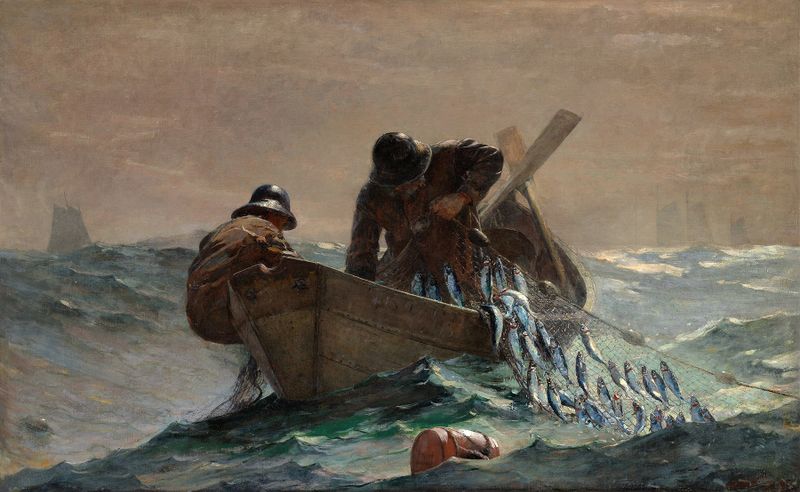
The Herring Net
Winslow Homer
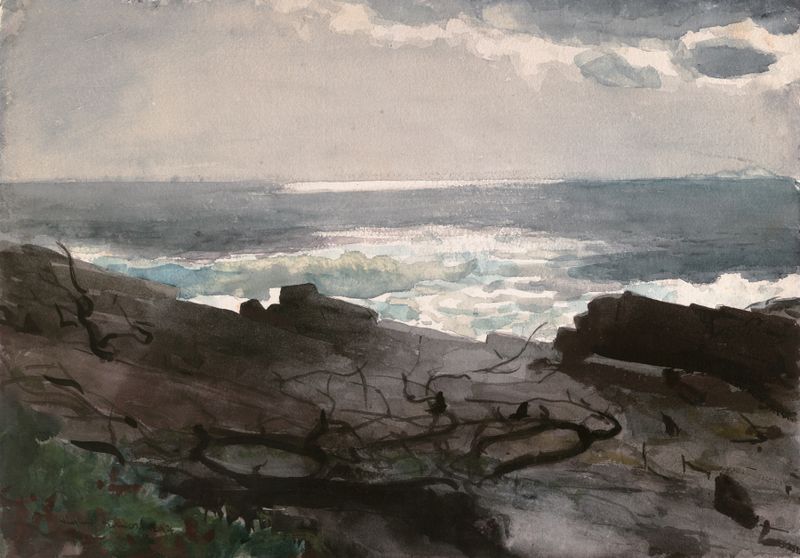
Sunshine and Shadow, Prout’s Neck
Winslow Homer
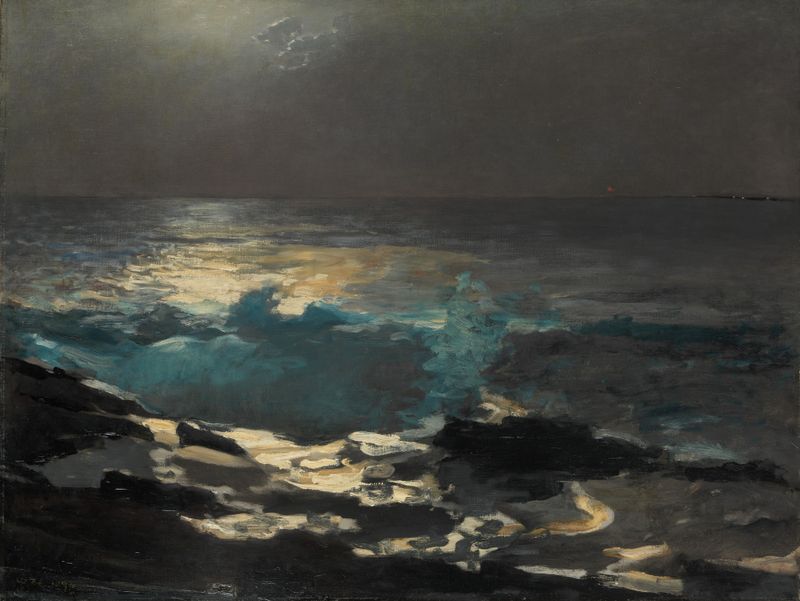
Moonlight, Wood Island Light
Winslow Homer
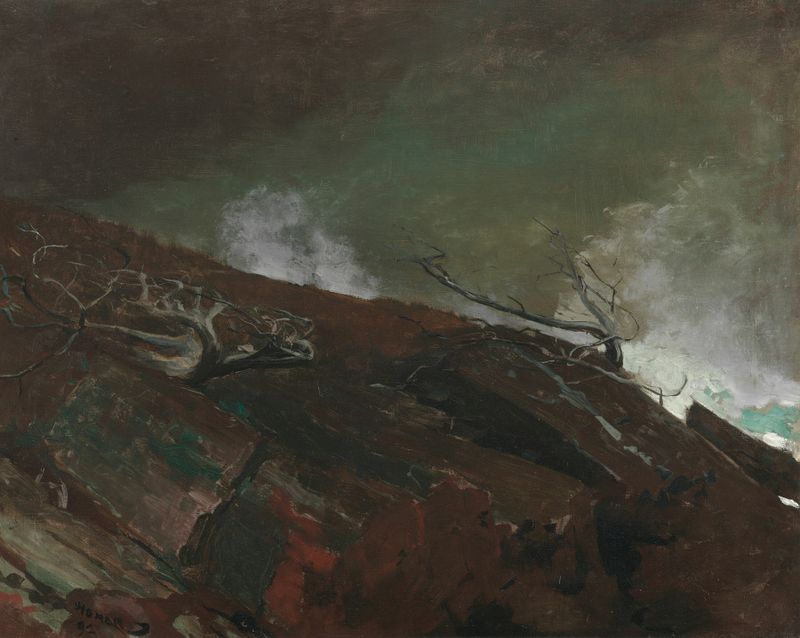
Coast of Maine
Winslow Homer
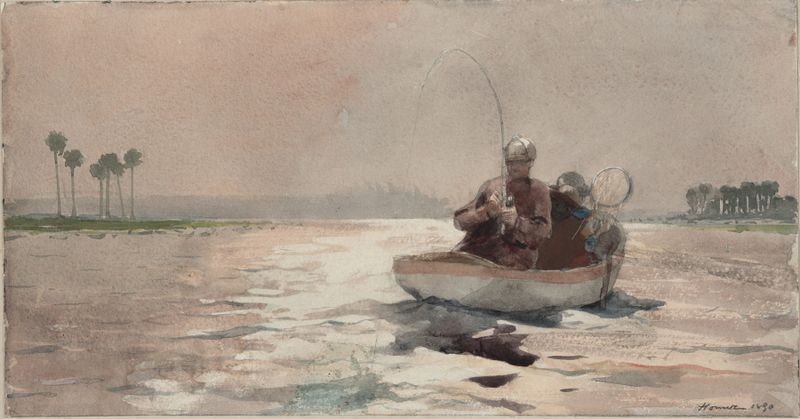
Bass Fishing – Florida
Winslow Homer





