
Avenue Lamotte-Piquet — History & Facts
What secret hides in the quiet of the canvas? In Avenue Lamotte-Piquet, the stillness is both deceptive and revealing, as if each stroke of paint whispers the chaos of life beyond the frame. Look to the foreground, where the warm, golden hues of the street gently contrast with the cooler tones of the buildings. Notice how the light falls upon the cobblestones, creating a shimmer that invites you to step into the scene. The careful composition leads your gaze down the avenue, where figures are sketched in soft yet deliberate strokes, hinting at movement and the urgency of their unknown destinations.
Each character, absorbed in their own world, contributes to the tapestry of urban life, all while revealing the artist's mastery of light and shadow. Delve deeper into the juxtaposition present within the work: the stillness of the painted street against the implied bustle of Paris in the late 19th century. The trees, standing sentinel along the avenue, seem to guard the secrets of the passersby, while the sparse yet poignant details of their clothing hint at social class and urban identity. The chaotic energy of city life is evoked through the simplicity of the scene, igniting the tension between serenity and the inevitable rush of existence. In 1889, while working on this piece in Paris, Auguste Louis Lepère was at the forefront of the Impressionist movement.
His focus was on capturing fleeting moments of daily life in a rapidly changing city. The world was undergoing industrial transformation, and this artwork reflects both the beauty and chaos of that evolution, as artists sought to document the rhythm of modernity.
More Artworks by Auguste Louis Lepère
Browse all →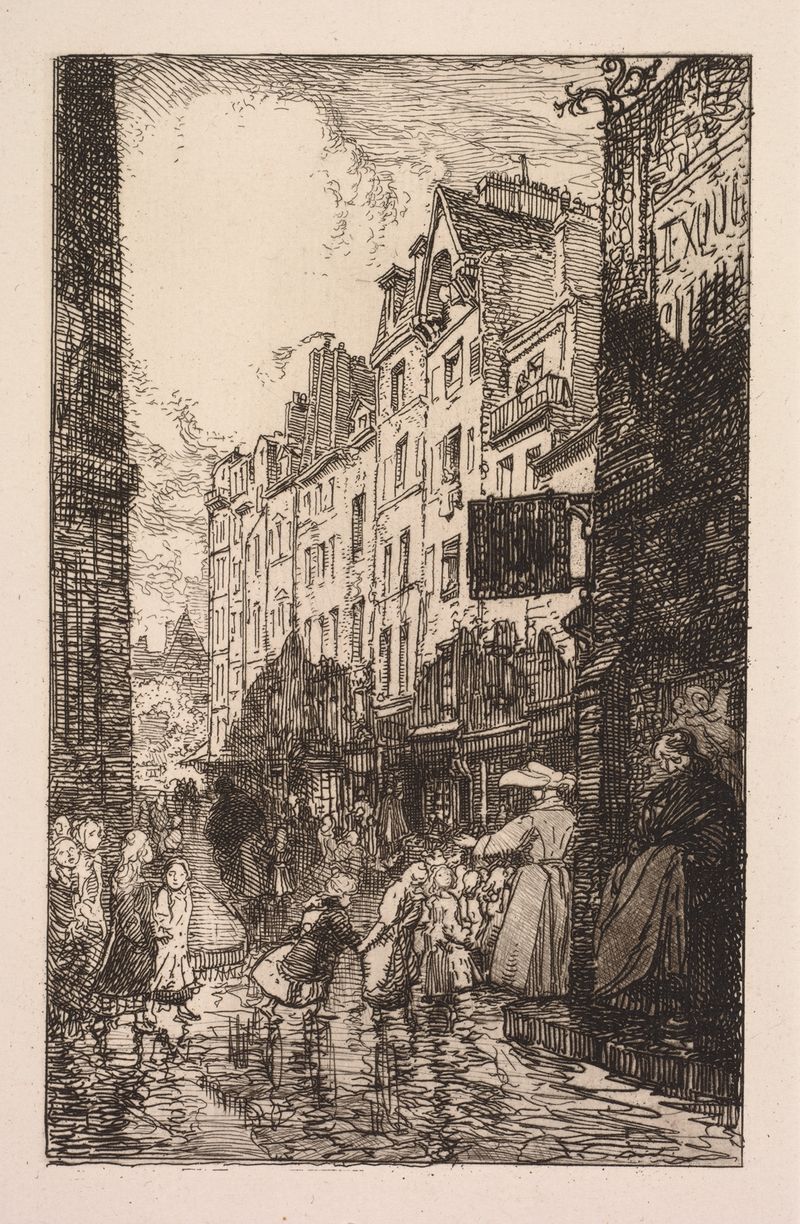
La Rue des Prêtres Saint-Séverin
Auguste Louis Lepère
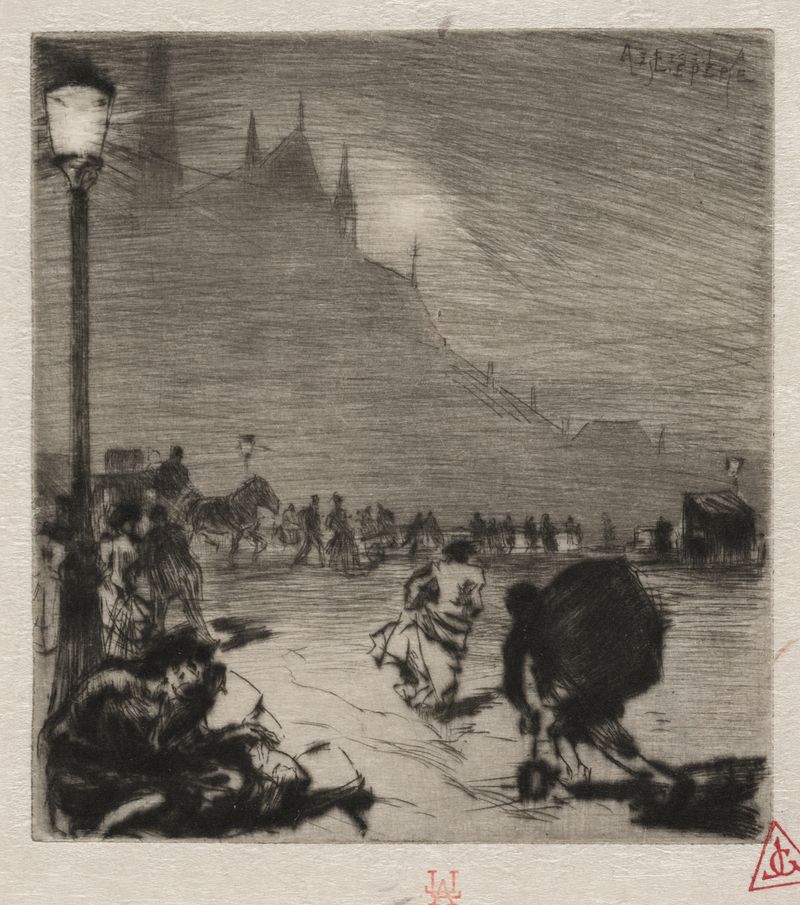
Au Coin du Pont-aux-Doubles
Auguste Louis Lepère
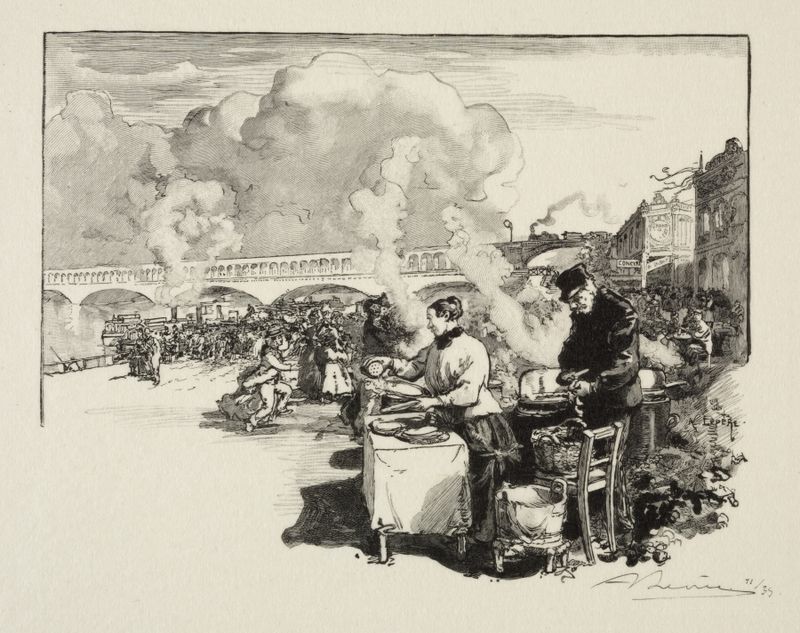
Debarcadère des bateaux-omnibus
Auguste Louis Lepère

La Seine, au quai de la Rapée
Auguste Louis Lepère
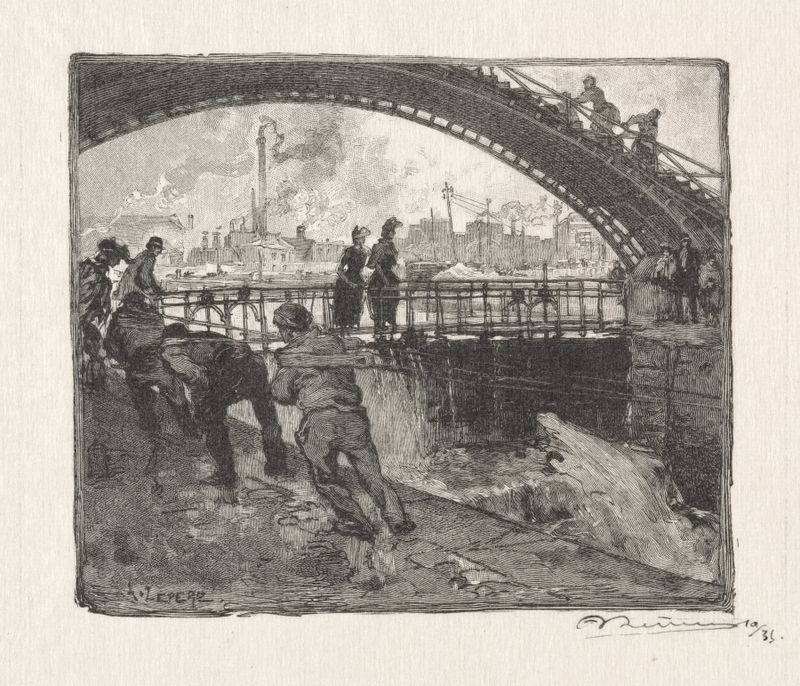
L’Ecluse du Canal St. Martin
Auguste Louis Lepère

Le Boulevard Montmartre, le Soir
Auguste Louis Lepère

Une Chasse au Mont Gérard
Auguste Louis Lepère
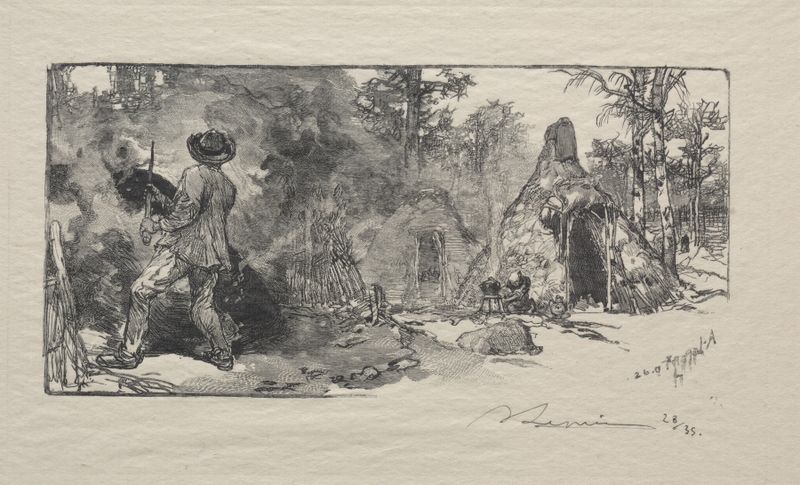
Les Charbonniere
Auguste Louis Lepère
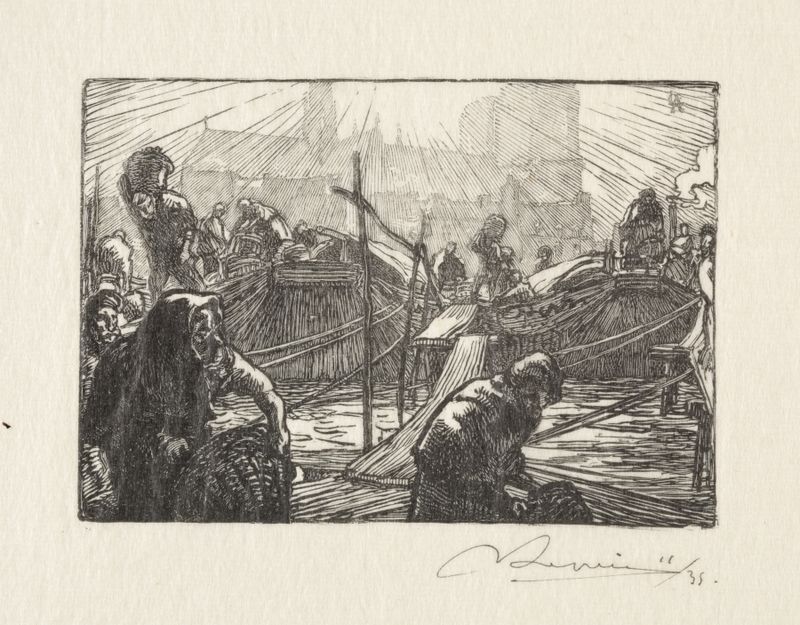
Notre Dame vue du Marché aux pommes
Auguste Louis Lepère

Le Palais des Arts Liberaux, Intèrieur
Auguste Louis Lepère





