
Avenue of Poplars in Autumn — History & Facts
Who listens when art speaks of silence? In Avenue of Poplars in Autumn, the gentle rustle of leaves becomes a hymn to the divine grace of nature’s transition, inviting reflection and reverence. Look to the left at the striking row of poplar trees, their golden foliage ablaze against the muted backdrop. The thick, impasto brushstrokes convey an urgent intimacy, as if each dab of paint captures the wind's caress. Notice how the light dances through the branches, casting shadows upon the path below, creating a serene yet dynamic interplay of light and dark.
Van Gogh's palette, rich with autumnal hues, draws you deeper into the scene, beckoning you to wander along the avenue. Amidst the vibrant colors lies a profound sense of duality. The vibrancy of the trees contrasts with the quiet isolation of the pathway, which seems to stretch into infinity. Here, we see not just nature’s beauty, but a meditation on the passage of time and the solitude that often accompanies change.
The composition enhances this tension, urging the viewer to contemplate both the divine and the ephemeral aspects of existence. In 1884, Van Gogh was living in the Netherlands, grappling with his artistic identity while influenced by the Dutch masters. It was a time of intense personal exploration, as he sought to meld emotional expression with the natural world. This work emerges against a backdrop of his burgeoning style, capturing a moment of clarity amidst the turbulence of his life, a manifestation of his quest for beauty in the ordinary.
More Artworks by Vincent van Gogh
Browse all →
Starry Night
Vincent van Gogh
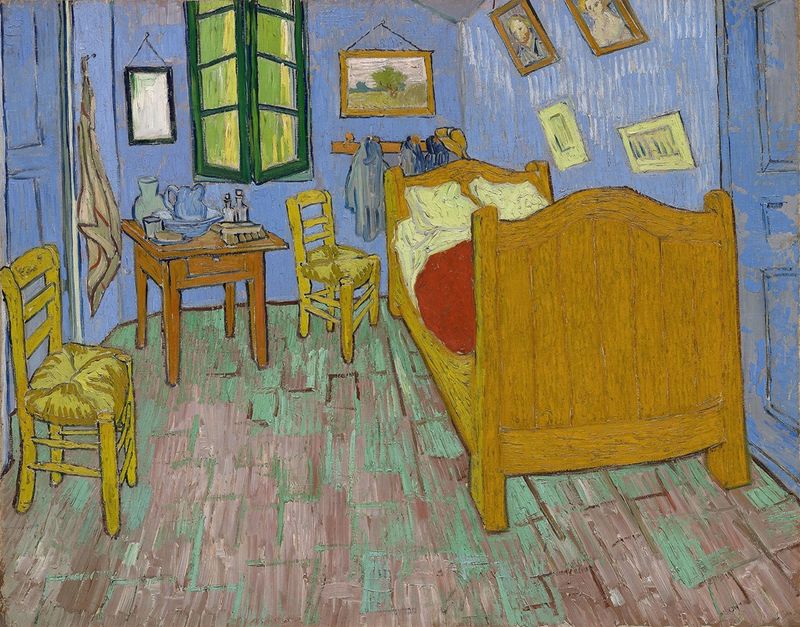
The Bedroom
Vincent van Gogh
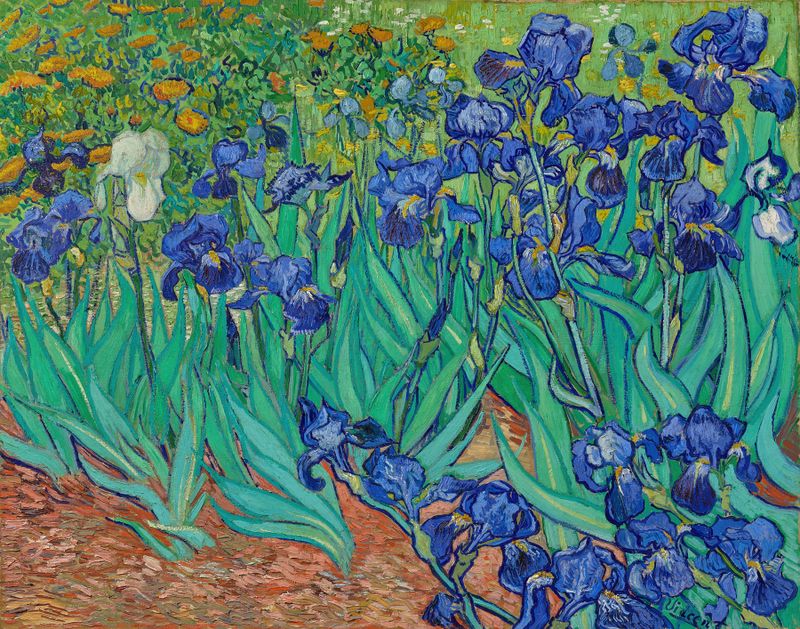
Irises
Vincent van Gogh
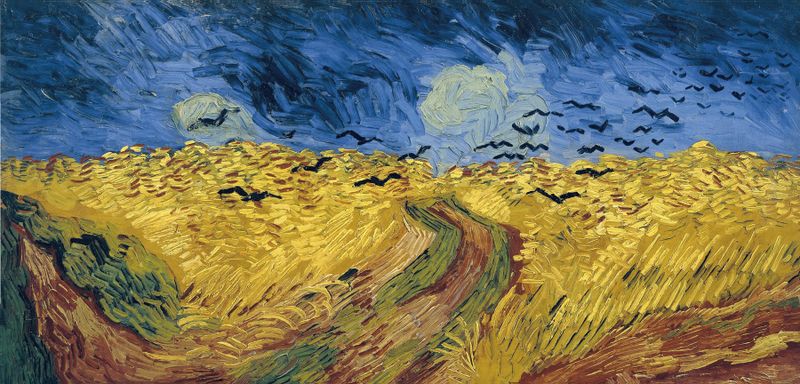
Wheatfield with Crows
Vincent van Gogh
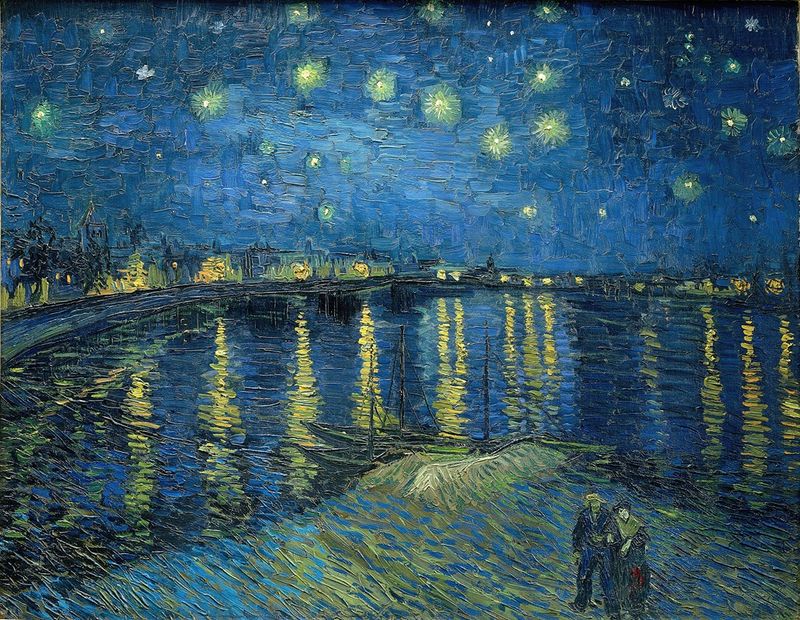
Starry Night over the Rhone
Vincent van Gogh

The yellow house
Vincent van Gogh
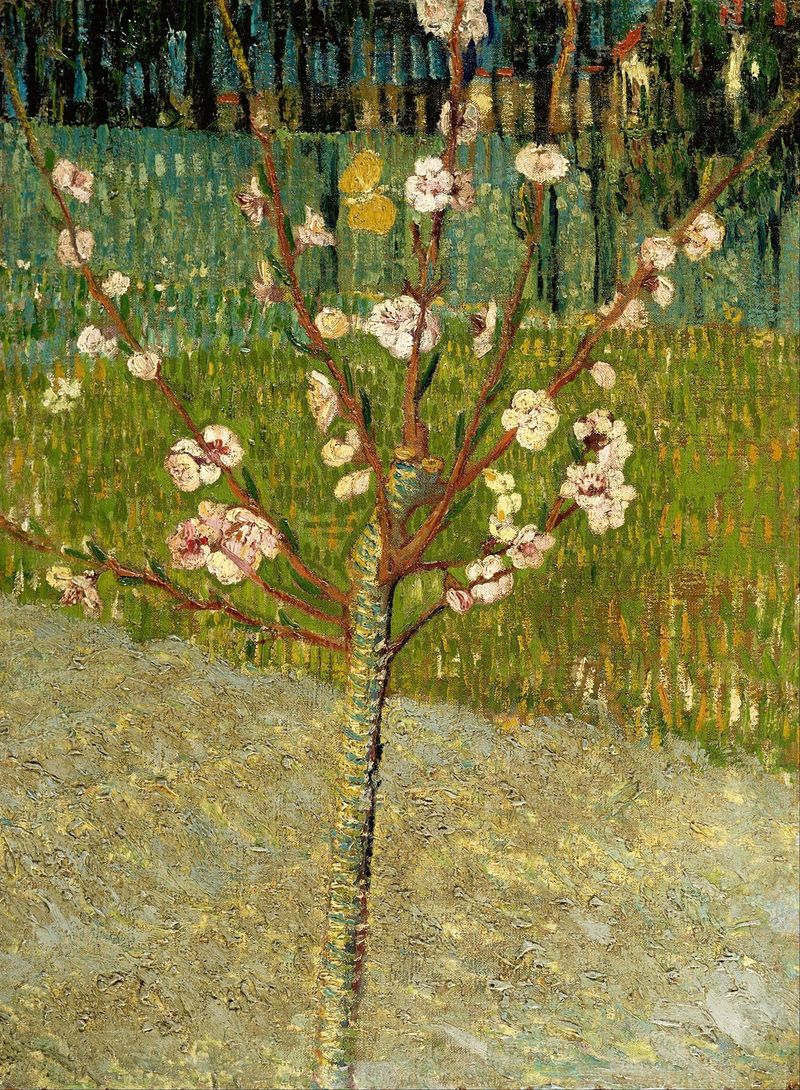
Almond tree in blossom
Vincent van Gogh

Portrait of Dr Gachet
Vincent van Gogh

The Church in Auvers-sur-Oise, View from the Chevet
Vincent van Gogh

Self-Portrait
Vincent van Gogh





