
Ayers Butte — History & Facts
In Ayers Butte, Thomas Moran presents a breathtaking landscape dominated by vibrant colors. The painting features a dramatic sky filled with swirling clouds that transition from deep blues to warm oranges. Below, the rugged butte rises majestically, surrounded by a lush foreground of greenery.
The interplay of light and shadow adds depth and movement to the scene. The painting is executed in oil on canvas, a medium that allows for rich textures and vivid color saturation. Moran's brushwork is expressive, with visible strokes that enhance the dynamism of the clouds and the solidity of the butte. The dimensions of the artwork are approximately 76.2 x 101.6 cm, making it a substantial piece that commands attention.
Viewers can appreciate the intricate details and the layering of colors that characterize Moran's style. Thomas Moran was a key figure in the American Romantic movement, known for his landscapes that often depict the American West. Ayers Butte is significant as it reflects Moran's fascination with the natural beauty of the American landscape and his role in promoting the preservation of these sites. An interesting fact about this work is that it was created during a time when the U.S.
government was considering the establishment of national parks, highlighting the importance of nature in American culture. Moran's paintings played a crucial role in influencing public opinion about conservation.
More Artworks by Thomas Moran

Yellowstone Lake
Thomas Moran

Grand Canyon of the Colorado River
Thomas Moran
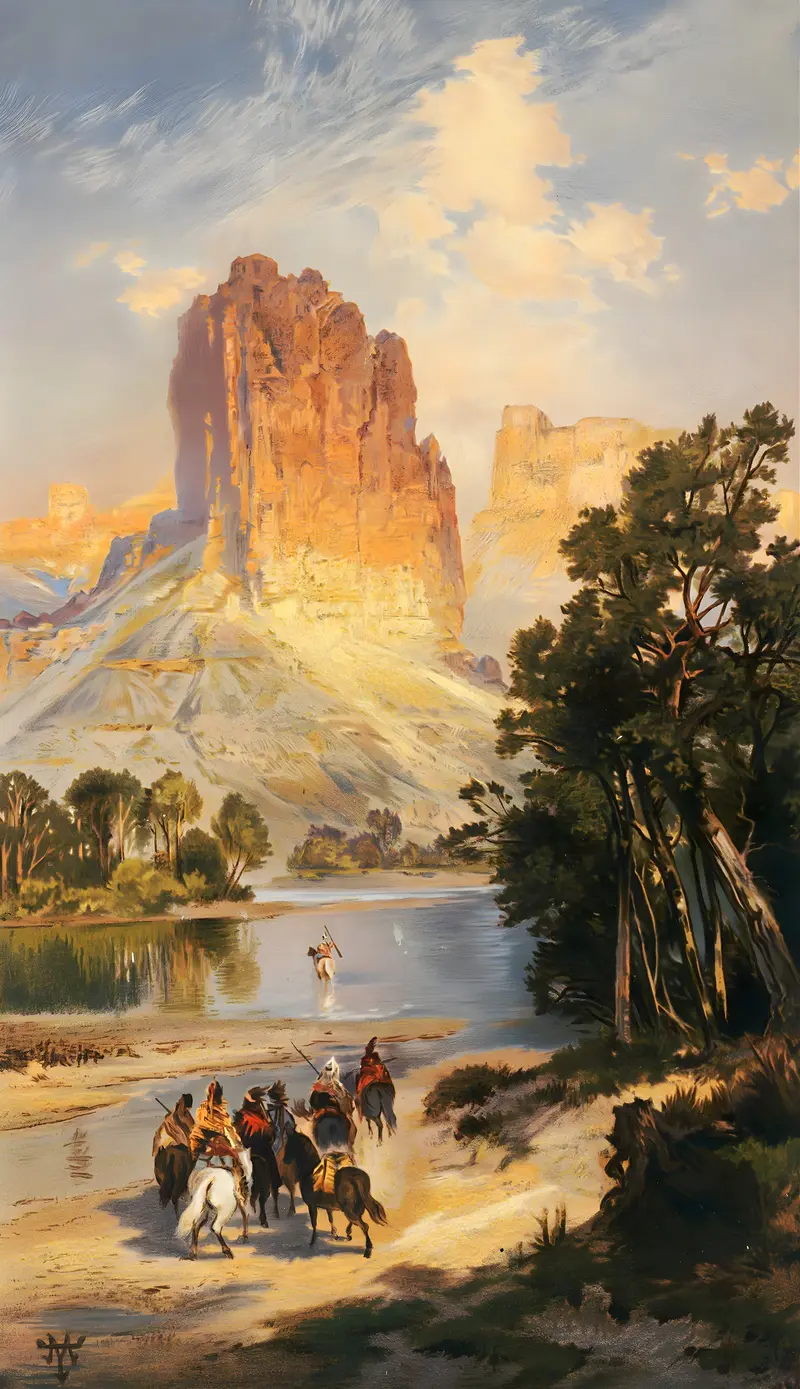
Cliffs of the Upper Colorado River, Wyoming Territory
Thomas Moran
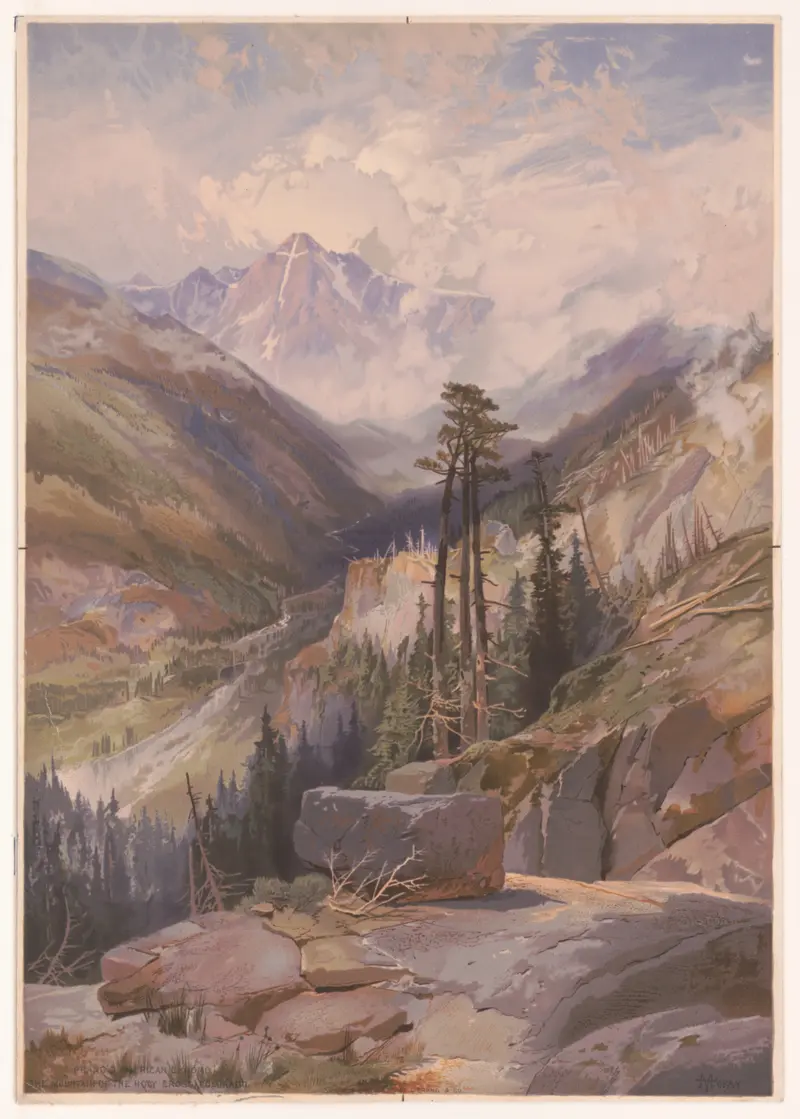
The Mountain of the Holy Cross, Colorado
Thomas Moran
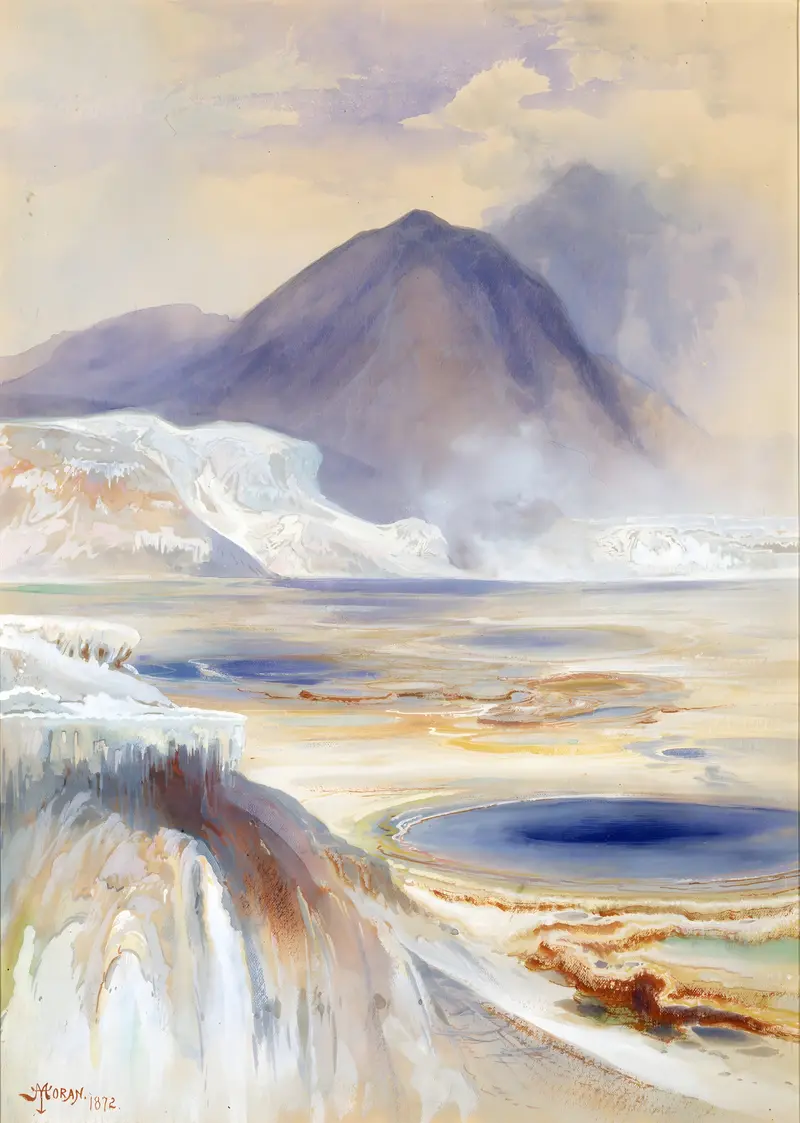
Mammoth Hot Springs, Yellowstone
Thomas Moran
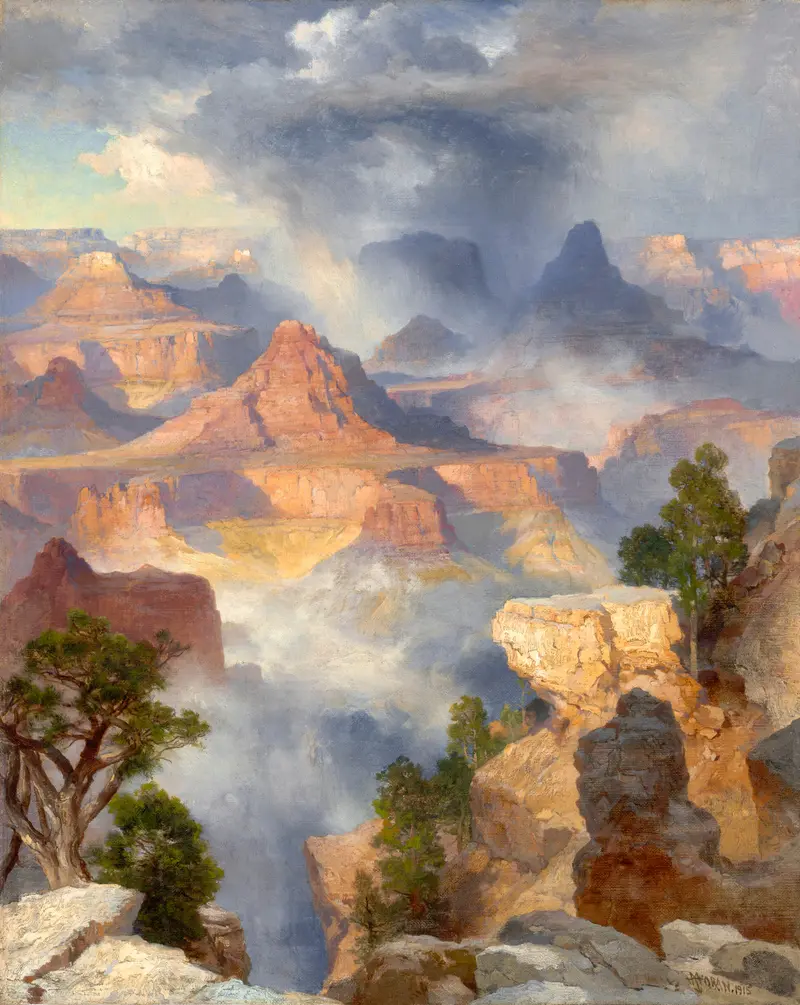
Grand Canyon, Colorado River
Thomas Moran
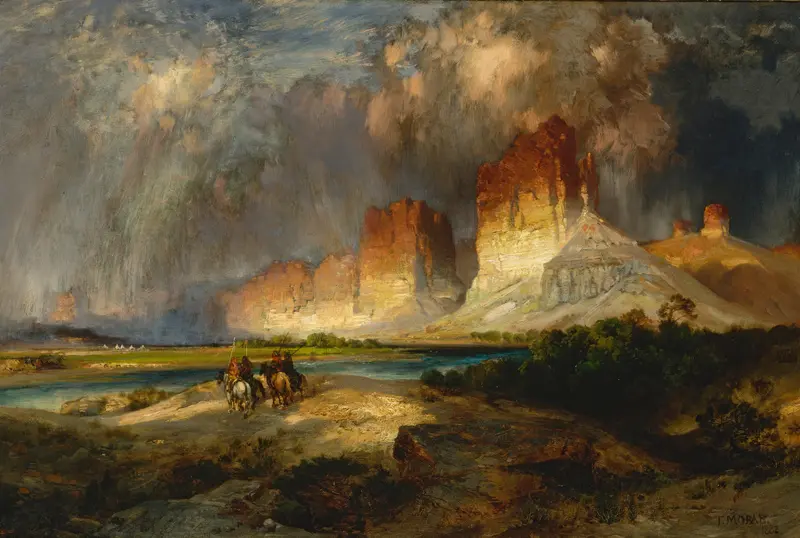
Cliffs Of The Upper Colorado River, Wyoming Territory
Thomas Moran
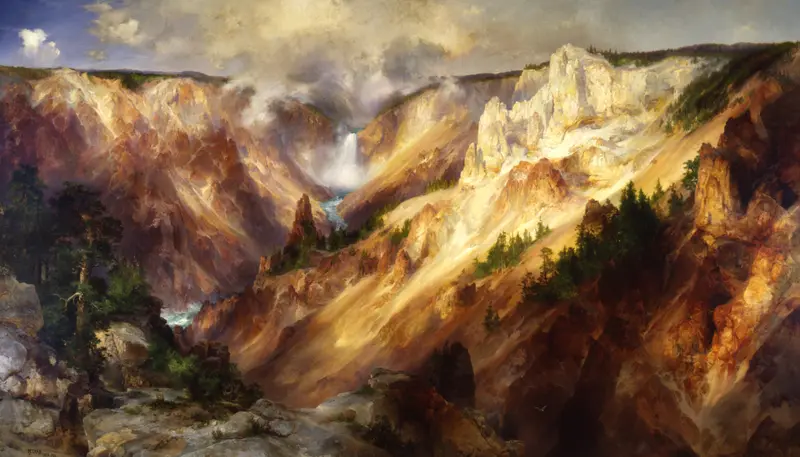
The Grand Canyon Of The Yellowstone
Thomas Moran
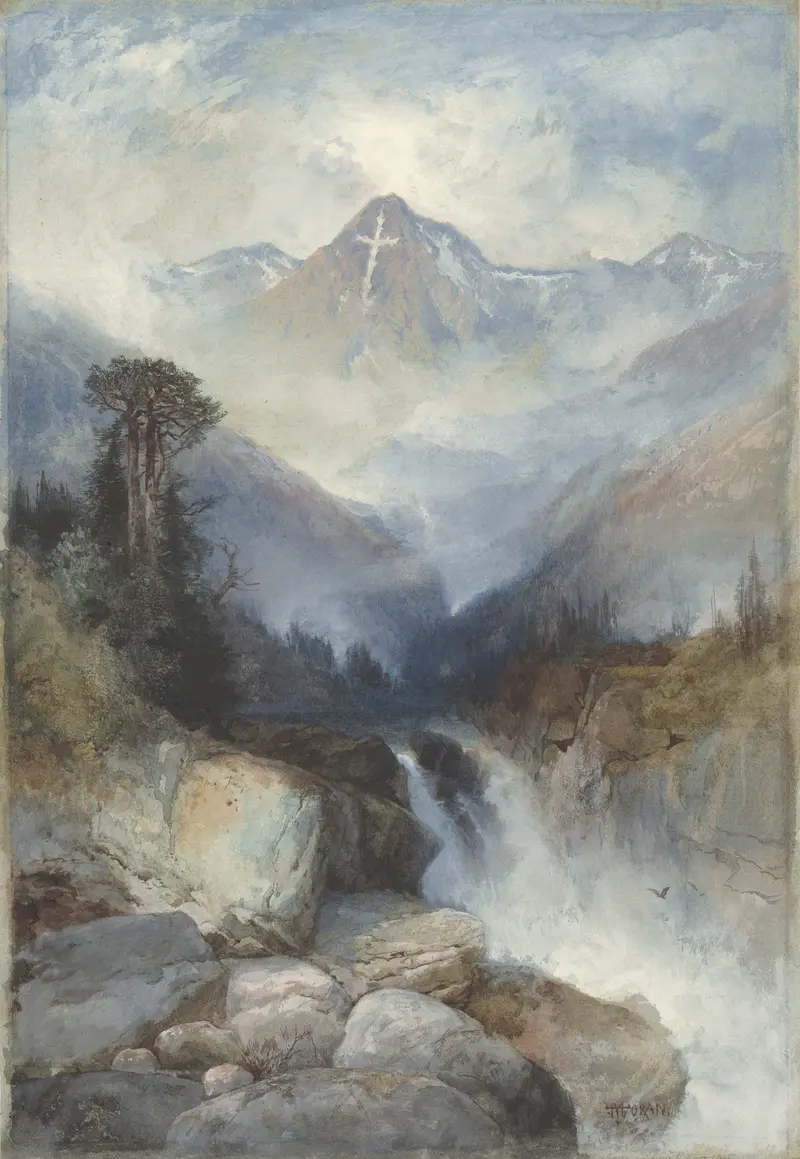
Mountain of the Holy Cross
Thomas Moran
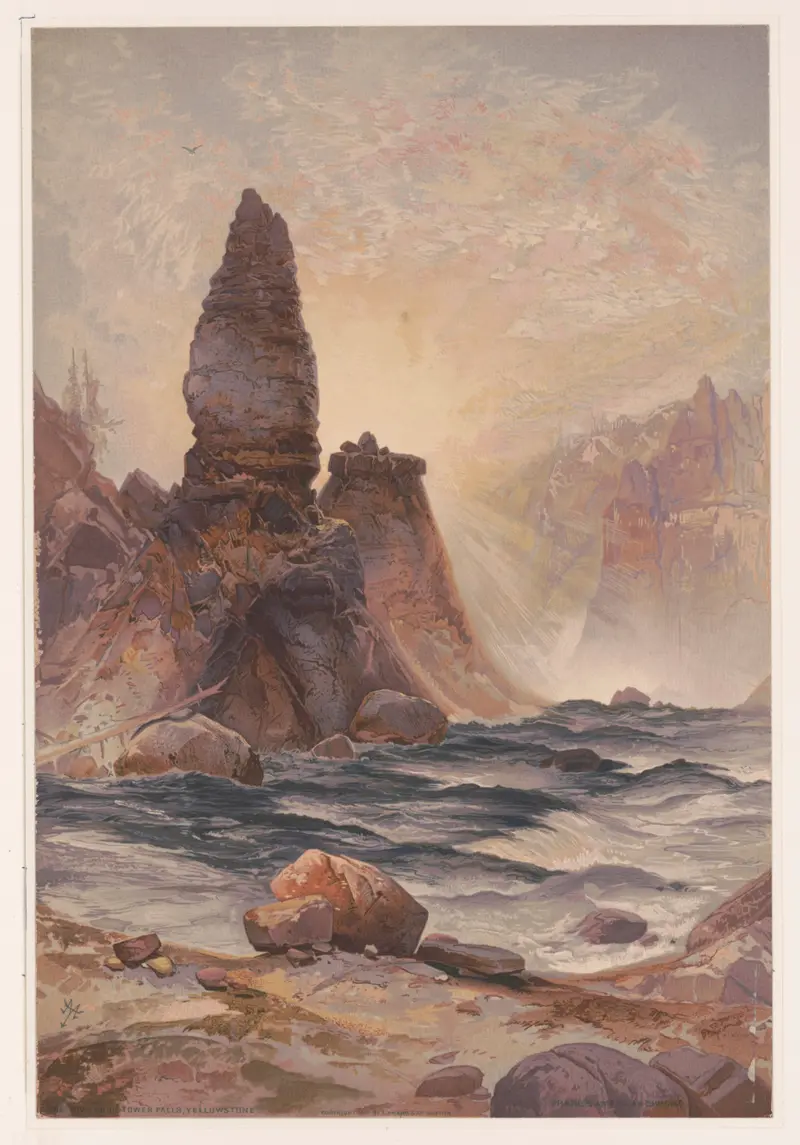
The Towers of Tower Falls, Yellowstone
Thomas Moran
More Landscape Art

The Starry Night
Vincent van Gogh

View of Delft
Johannes Vermeer

Water Lilies
Claude Monet

The Grand Canal, Venice, looking north-west from the Ca' Corner to the Ca' Contarini degli Scrigni, with the campanile of Santa Maria della Carità
Canaletto

Windsor Castle
Canaletto

The Grand Canal looking North-East from the Palazzo Dolfin-Manin to the Rialto Bridge
Canaletto