
Bacchus — History & Facts
In Bacchus, Henri Fantin-Latour presents the Roman god of wine surrounded by lush greenery and grapes. The painting features rich colors, primarily deep greens and vibrant purples, which evoke the essence of wine and nature. Bacchus is depicted with a joyful expression, holding a cup, symbolizing indulgence and celebration.
The background is filled with a dreamy landscape that enhances the festive atmosphere. The painting is created using oil on canvas, a medium that allows for rich textures and vibrant colors. The dimensions are approximately 100 x 150 cm, making it a sizable work that captures attention. The brushwork is detailed, particularly in the depiction of Bacchus's flowing garments and the surrounding foliage.
The composition is balanced, drawing the viewer's eye towards the central figure of Bacchus. Henri Fantin-Latour was known for his still lifes and portraits, but Bacchus showcases his ability to blend mythological themes with realism. This work reflects the artist's interest in the celebration of life and nature, common in the late 19th century. An interesting fact about this painting is that it was created during a time when the Symbolist movement was gaining traction, yet Fantin-Latour maintained a realistic approach.
The painting is currently housed in the Musee d'Orsay in Paris.
More Artworks by Henri Fantin-Latour
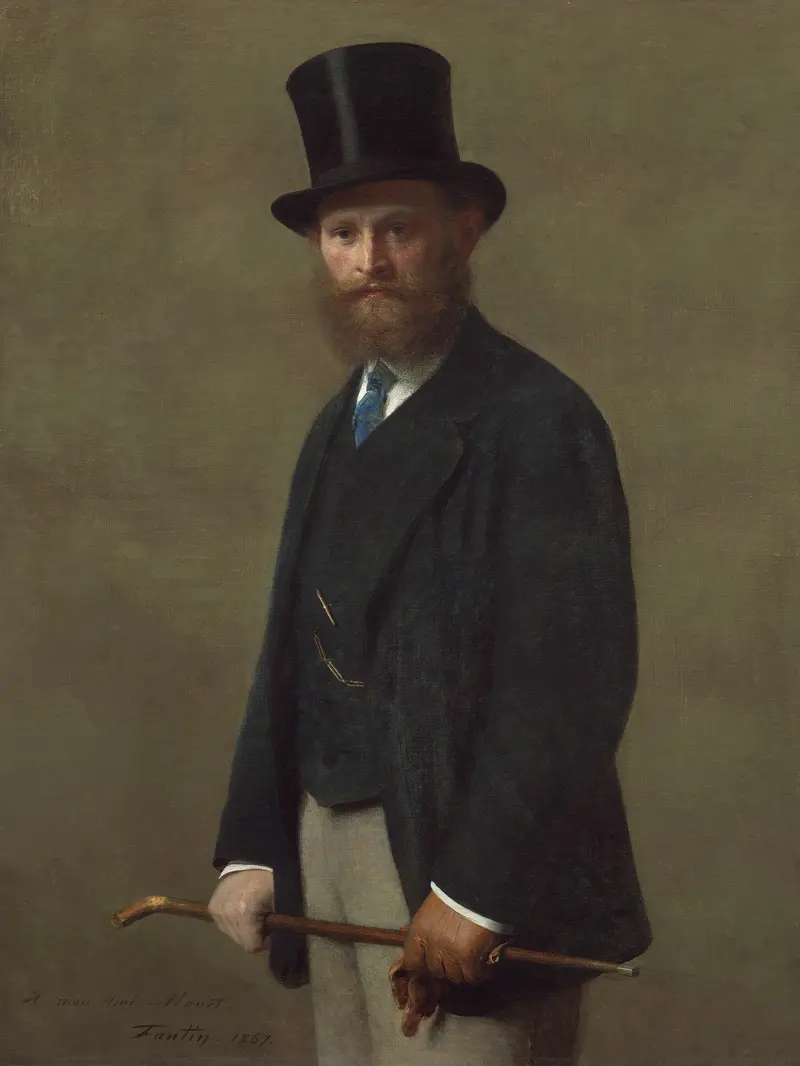
Édouard Manet
Henri Fantin-Latour
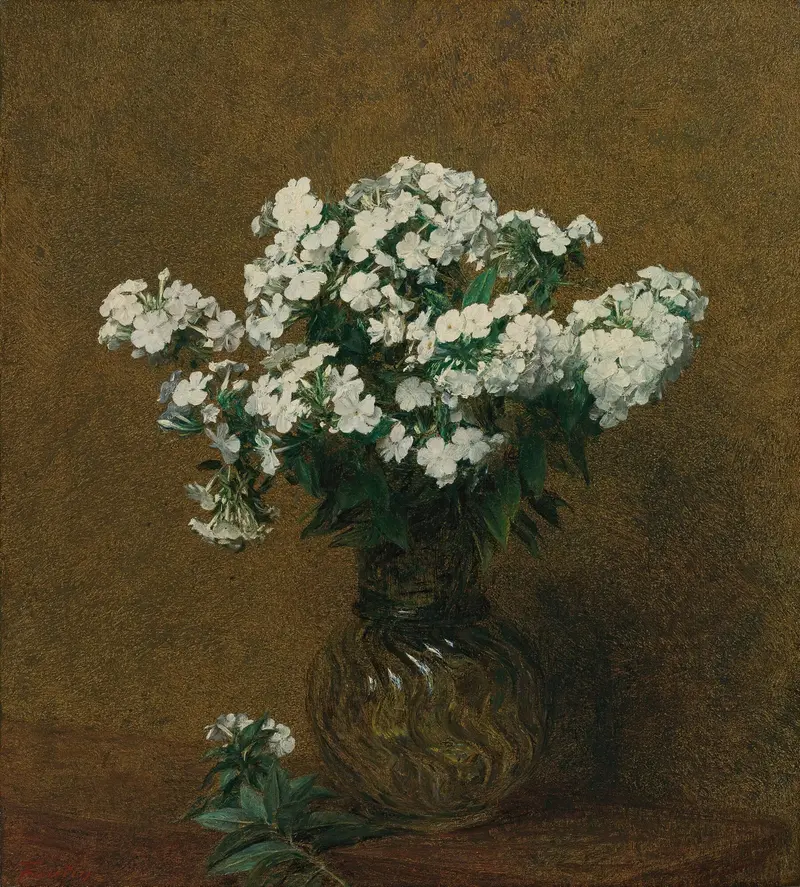
Phlox Blancs Dans Un Vase
Henri Fantin-Latour
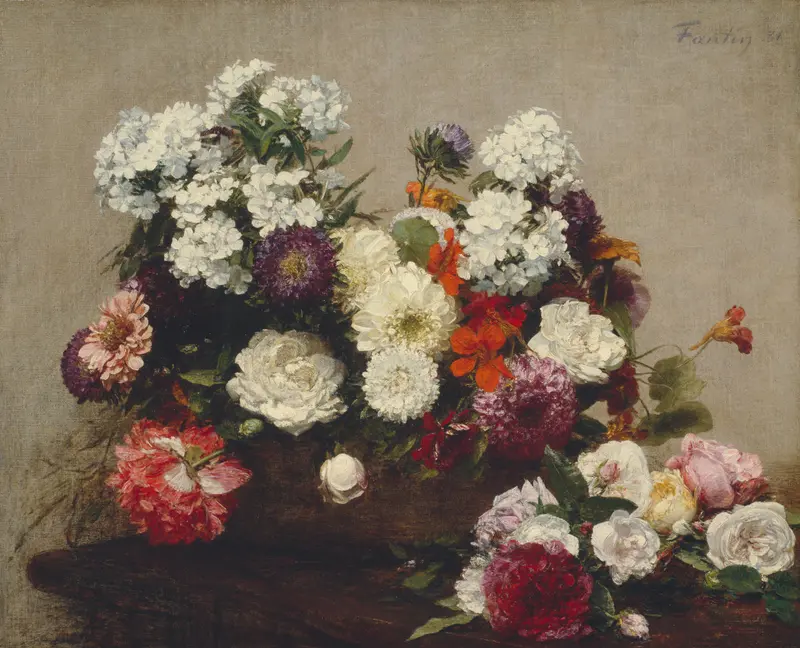
Still Life with Flowers
Henri Fantin-Latour
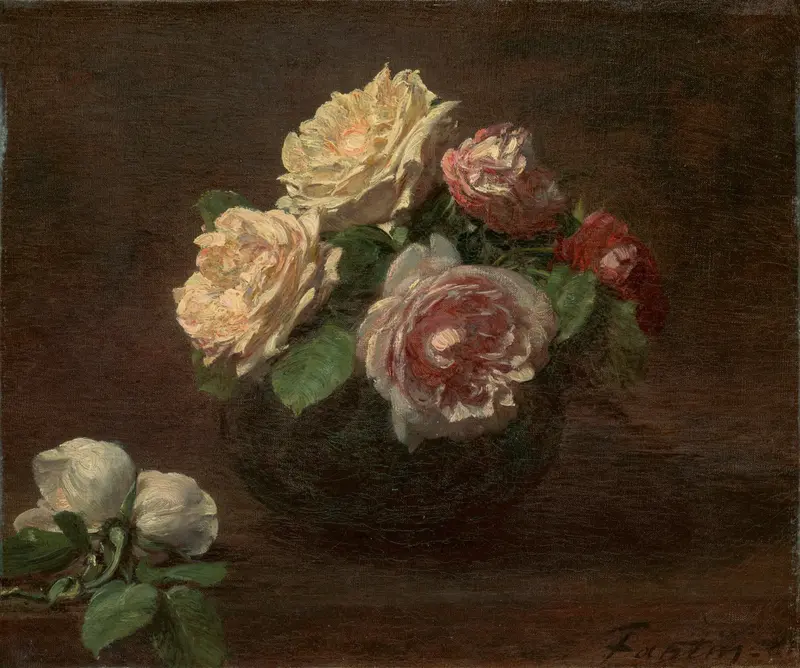
Roses in a Bowl
Henri Fantin-Latour
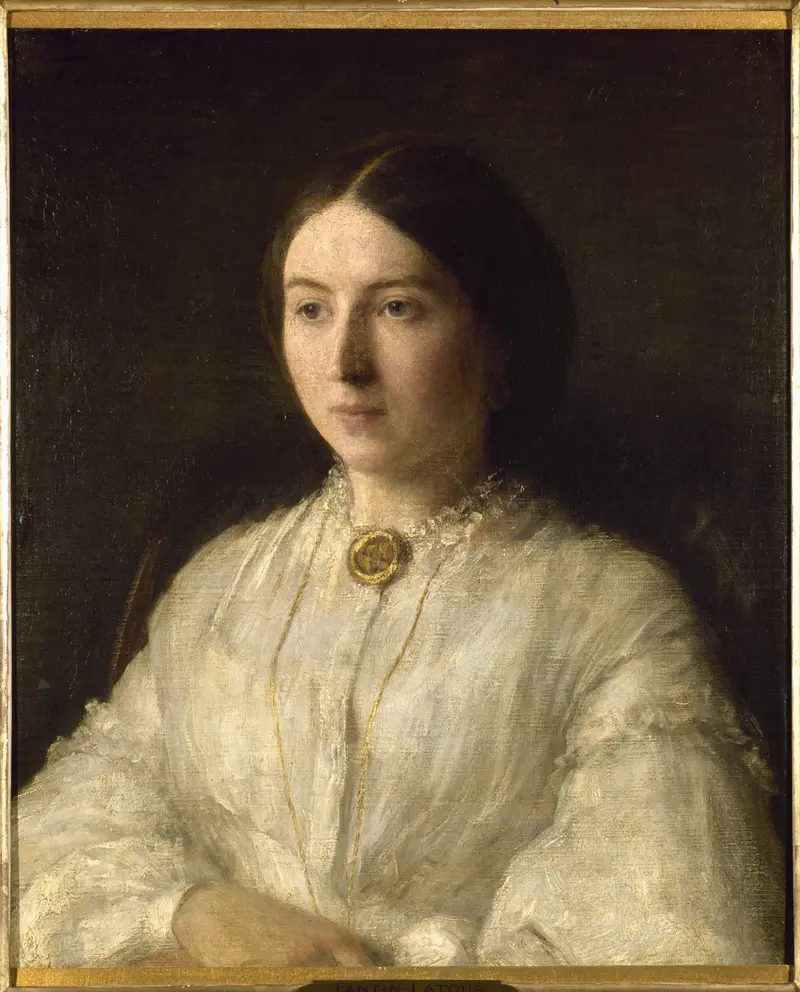
Portrait de Mme Edwin Edwards
Henri Fantin-Latour
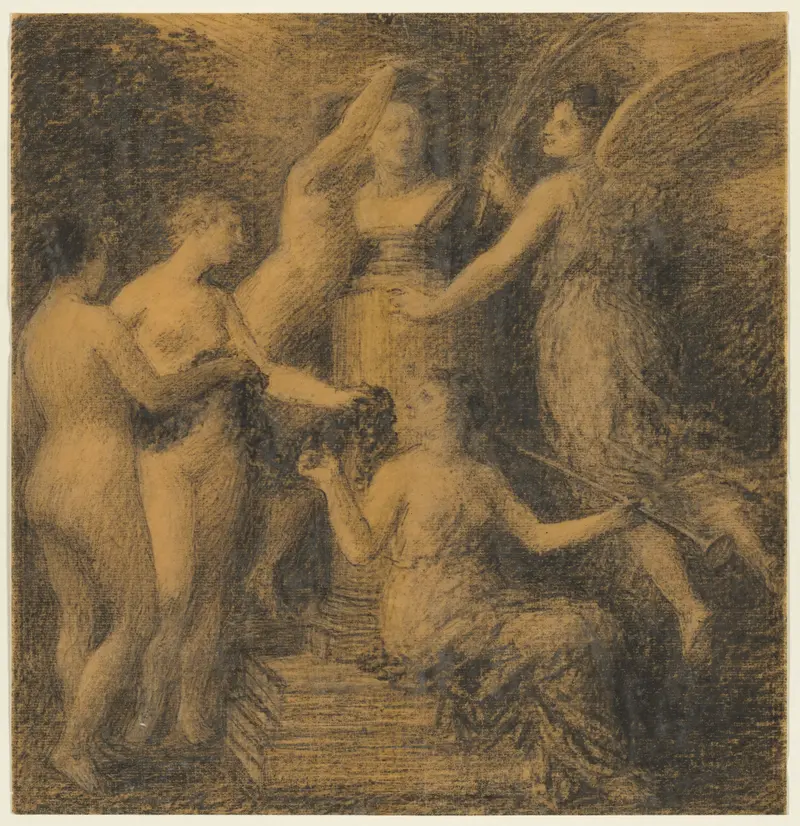
Homage to Rossini
Henri Fantin-Latour
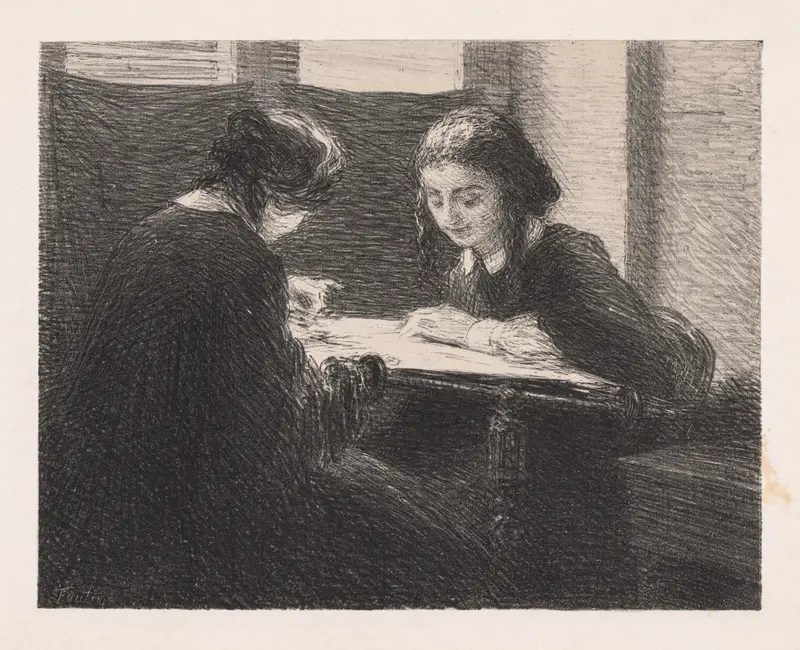
The Embroideres (Les Brodeuses)
Henri Fantin-Latour
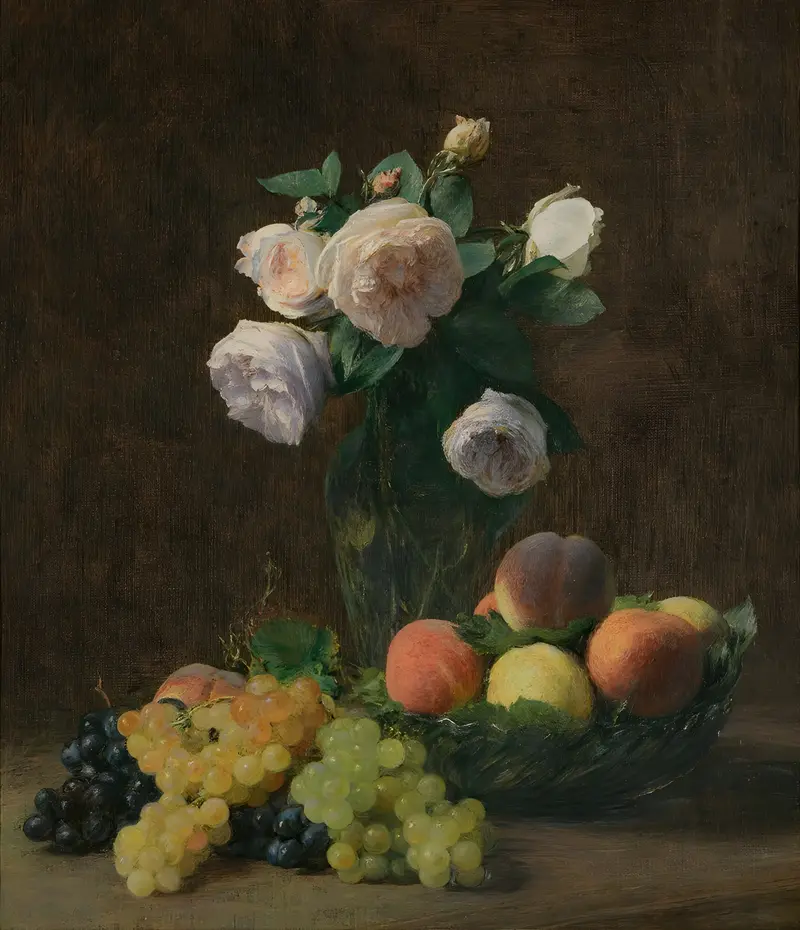
Nature Morte; Vase De Roses, Pêches Et Raisins
Henri Fantin-Latour
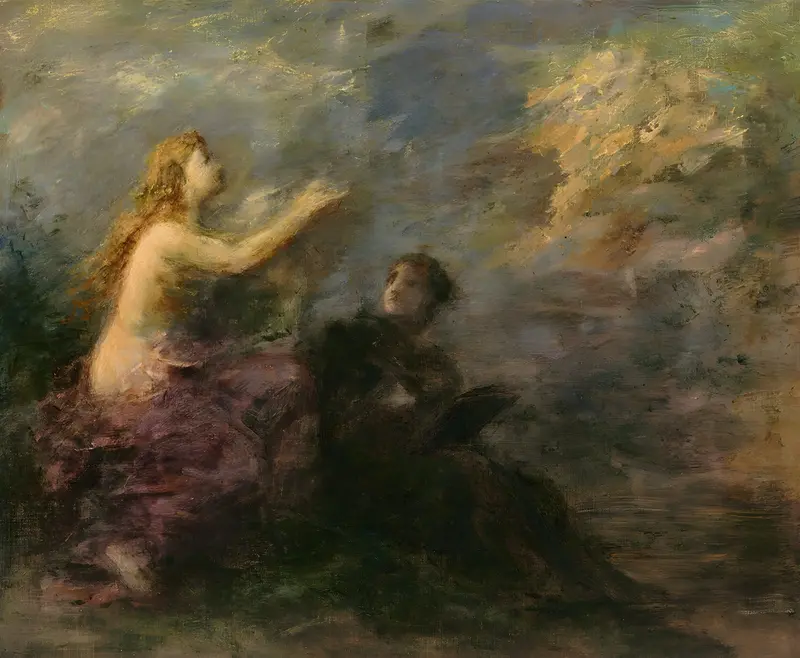
Inspiration
Henri Fantin-Latour
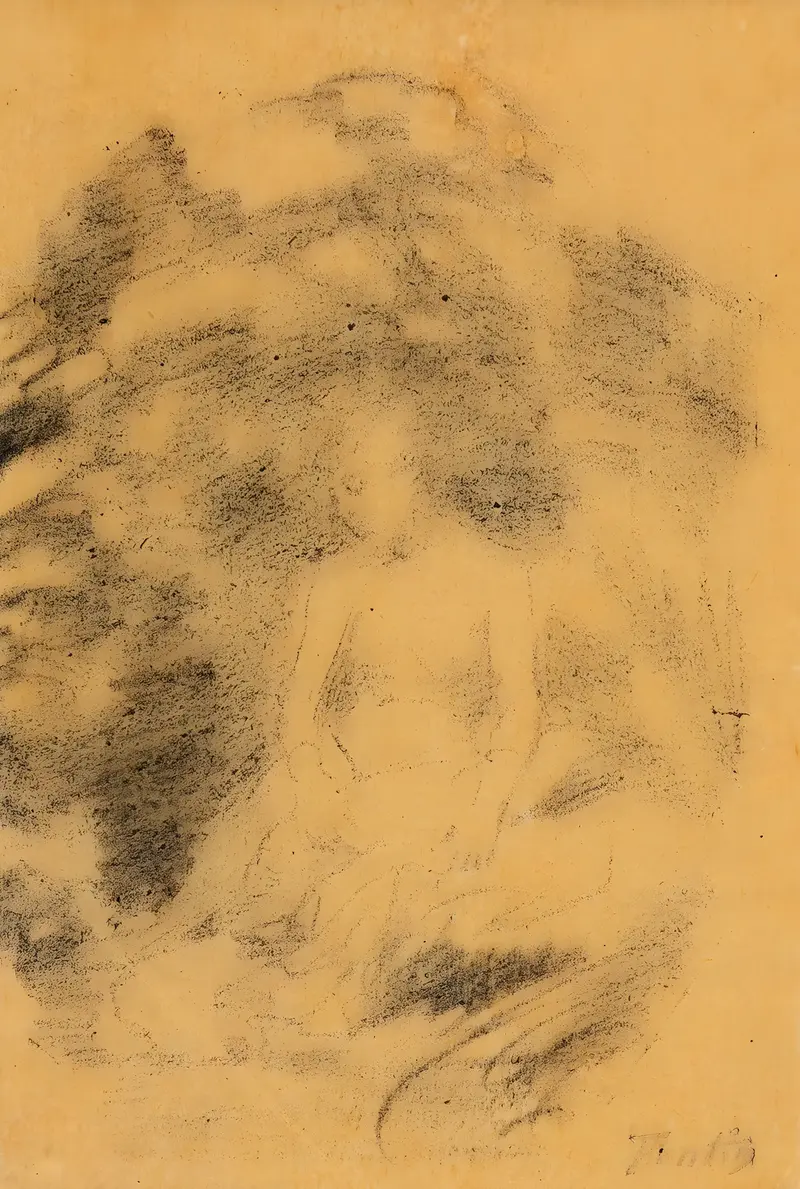
Nude study
Henri Fantin-Latour





