Bacchus met drinkschaal en wijnranken — History & Facts
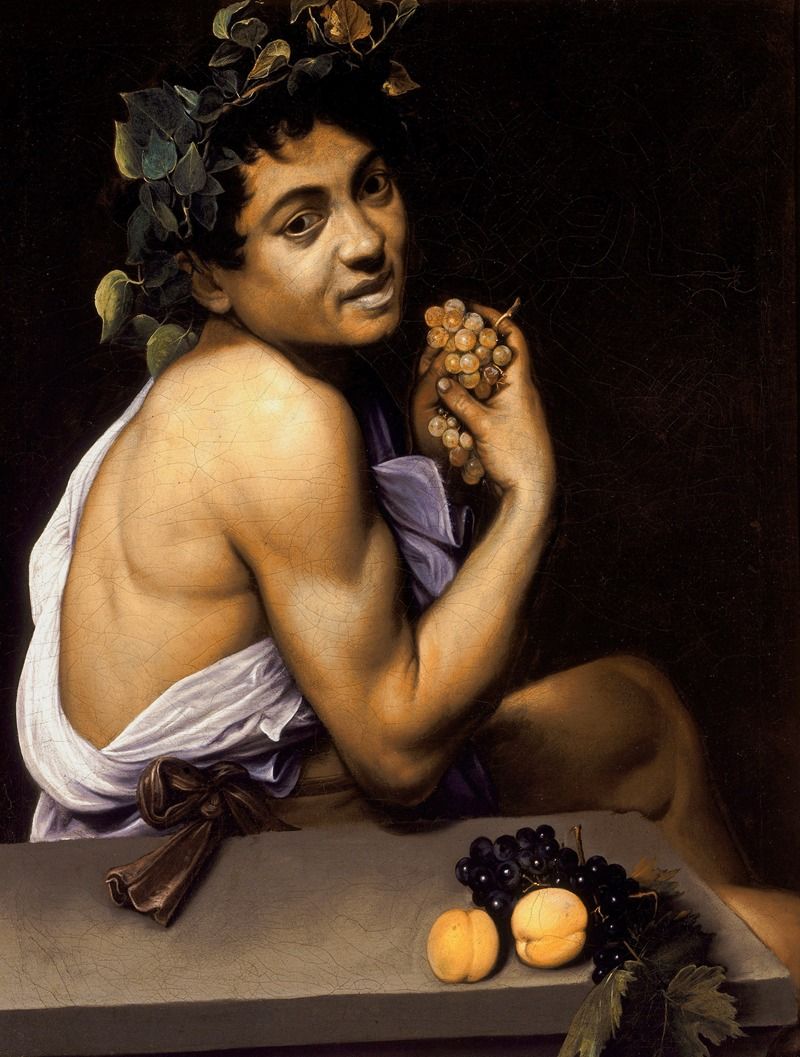
Can paint confess what words never could? In the delicate interplay of color and form, Bacchus met drinkschaal en wijnranken invites the viewer into a realm where dreams and revelry intertwine. Look closely at the central figure, Bacchus, whose presence commands the canvas. Notice how the deep greens and vibrant golds embrace him, reflecting the life of the vines that spiral around his form. The intricate details of the drinking bowl in his outstretched hand catch the light, while the soft, flowing drapery around him suggests movement, as if he might leap from the canvas at any moment.
This dynamic composition draws the eye towards the celebration of nature, forming a harmonious bond between man and the bounty he savors. Delve deeper into the surrounding elements: the entwined vines and the flicker of light upon the glass hint at the transience of pleasure, a duality of indulgence and fragility. The joyful abandon in Bacchus's expression seems to contrast with an undercurrent of melancholy, reminiscent of fleeting moments that are both intoxicating and ephemeral. Each leaf and grape captures the essence of abundance, yet whispers of the inevitable passage of time, urging one to embrace the present. Jacob Binck painted this work around 1530 during the Northern Renaissance, a time when art was flourishing and exploring naturalism and human emotion.
Working in the Netherlands, he sought to blend classical themes with local influences, embodying the spirit of his era. With the popularity of mythological subjects on the rise, Binck’s portrayal of Bacchus not only reflects the artist’s technical skills but also engages with the vibrant cultural dialogues of the time.
More Artworks by Jacob Binck
Browse all →
Portret van Christiaan II, koning van Denemarken
Jacob Binck

Christus en de Samaritaanse vrouw
Jacob Binck
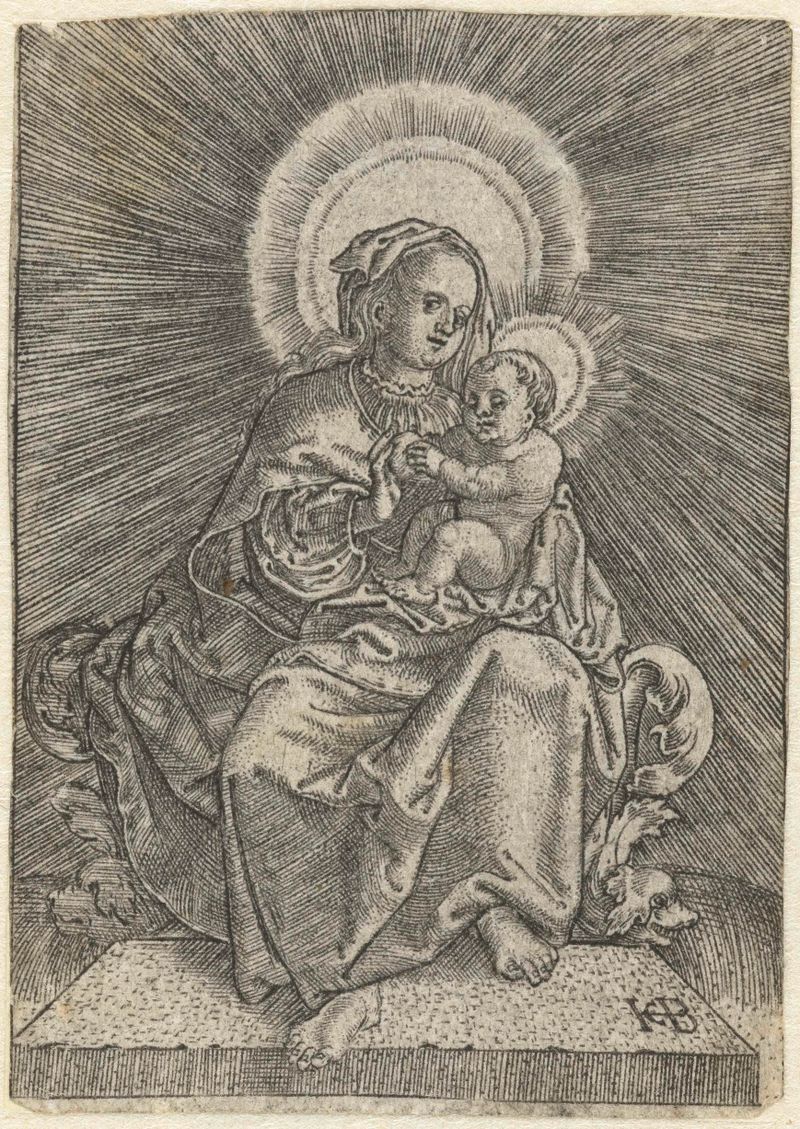
Tronende Maria met kind en appel in stralenkrans
Jacob Binck

Christus op de koude steen
Jacob Binck

Ornament met twee putti op dolfijnen onder een vaas
Jacob Binck
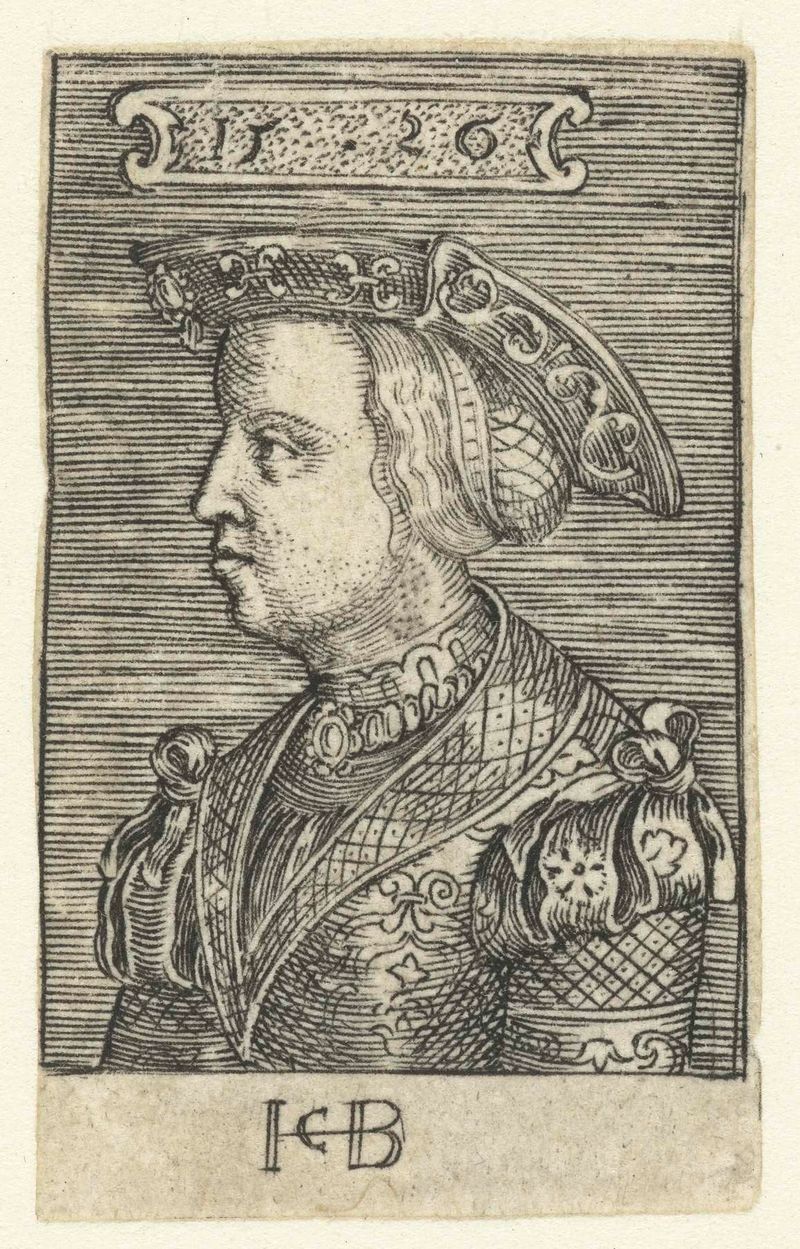
Portret van Claudia van Valois, echtgenote van Frans I
Jacob Binck

Ceres met kroon van korenaren, sikkel, brandende toorts en tweekoppige slang
Jacob Binck
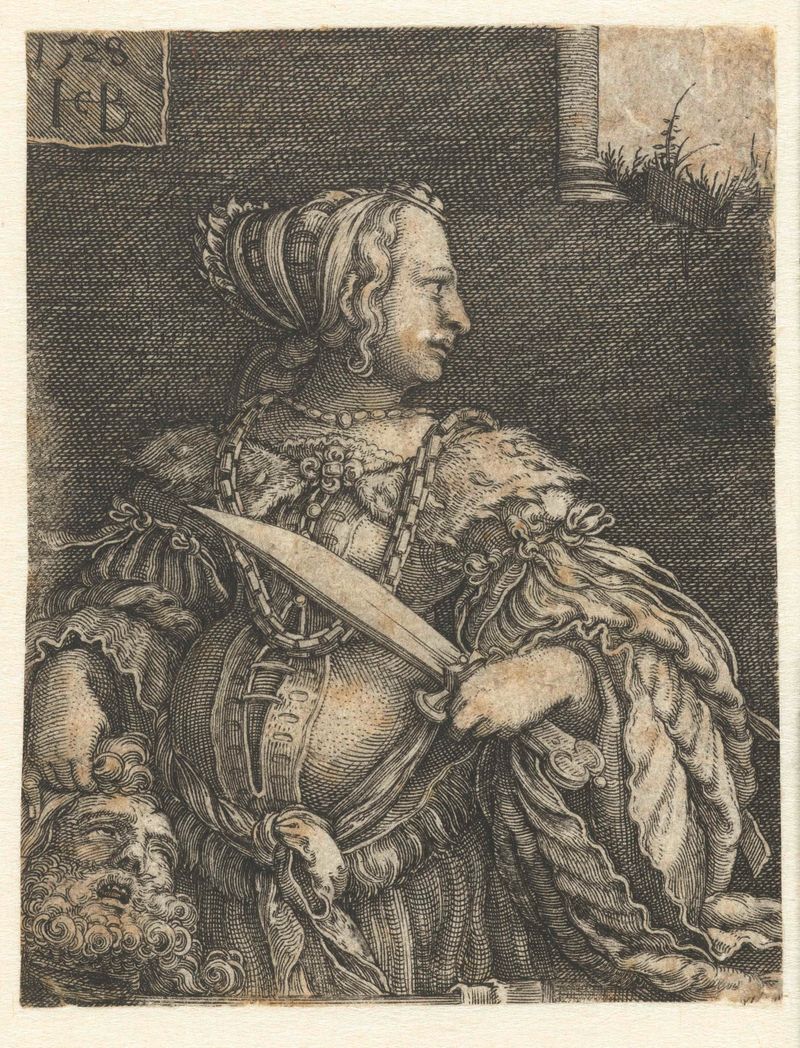
Judith met het hoofd van Holofernes
Jacob Binck
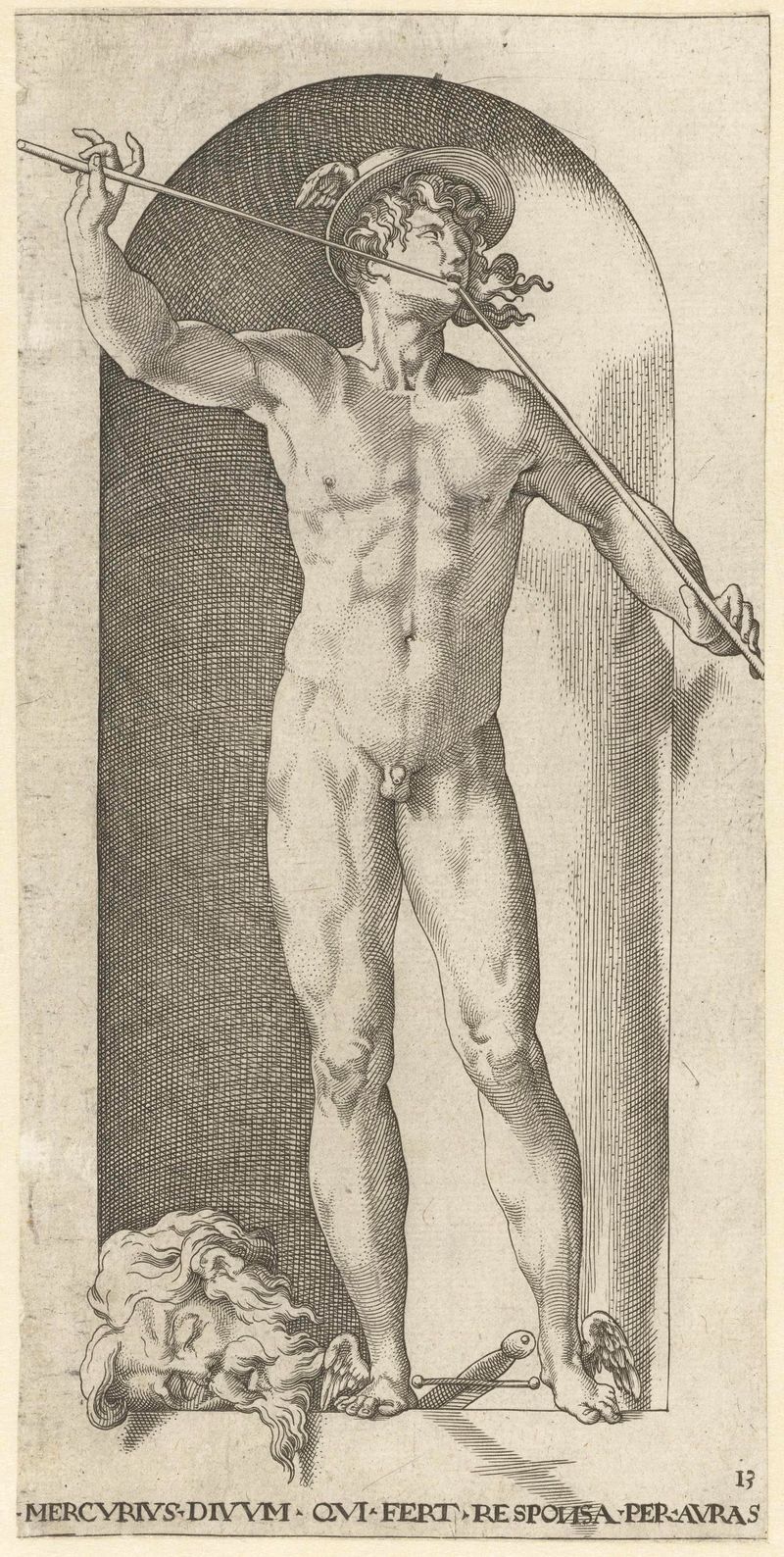
Mercurius met het hoofd van Argus
Jacob Binck

Minerva (Pallas Athena) met Medusahoofd op schild
Jacob Binck