
Badende Jünglinge (Bathing Boys) — History & Facts
Can paint confess what words never could? In Badende Jünglinge, innocence washes over the canvas like sunlight shimmering on water, capturing a fleeting moment of boyhood joy and purity. Look to the left, where the playful figures of boys dance at the water’s edge, their forms rendered with a delicate touch that breathes life into the scene. Notice how the light sparkles on the surface of the water, illuminating their youthful faces and glistening skin, each brushstroke inviting you to share in their carefree spirit. The soft greens and blues of the background contrast with the warm tones of their bodies, creating a harmonious interplay that draws the viewer deeper into this idyllic summer day. Amidst the joy, a subtle tension lies in the juxtaposition of youth and the passage of time; these boys, so full of life, are destined to grow and change.
The water, while inviting, also symbolizes the inevitable current of time that weaves through every moment of innocence. Each splash and laughter hints at both the joy of the present and the transient nature of childhood, urging us to savor these fleeting instances of purity before they fade into memory. Hans Thoma painted this work in 1879 while residing in Germany, a period marked by his commitment to capturing the essence of nature and humanity. As the art world was shifting towards Impressionism, Thoma’s focus on themes of childhood and innocence offered a nostalgic respite, reflecting a deep appreciation for pastoral beauty and the simplicity of rural life.
More Artworks by Hans Thoma
Browse all →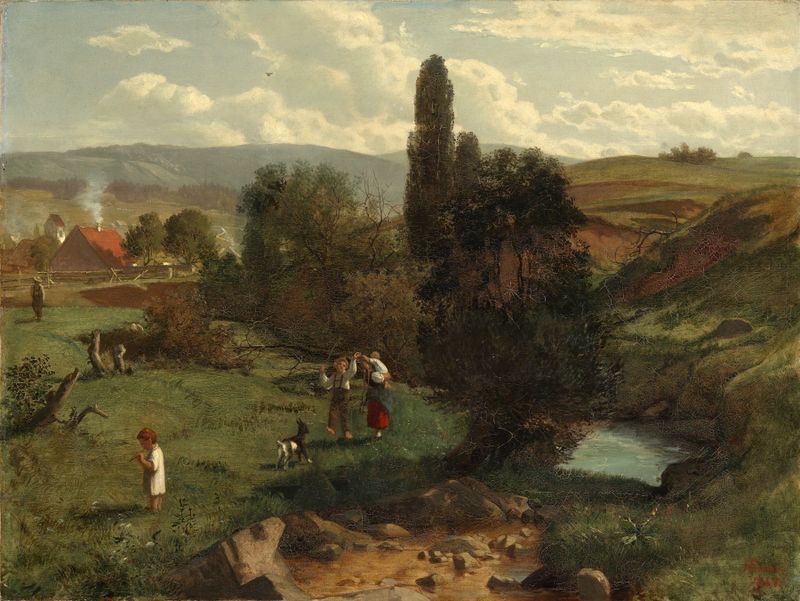
Schwarzwaldlandschaft
Hans Thoma
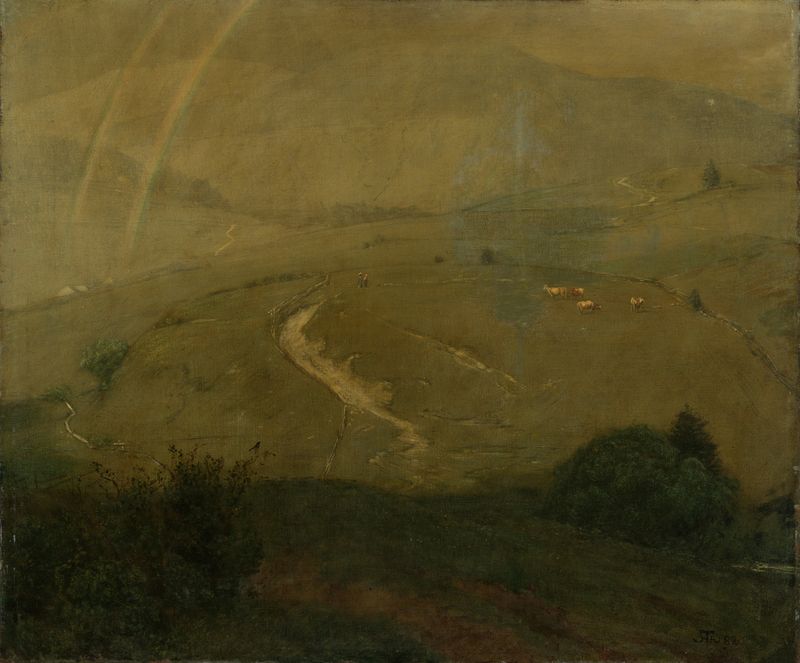
Regen im Schwarzwald
Hans Thoma
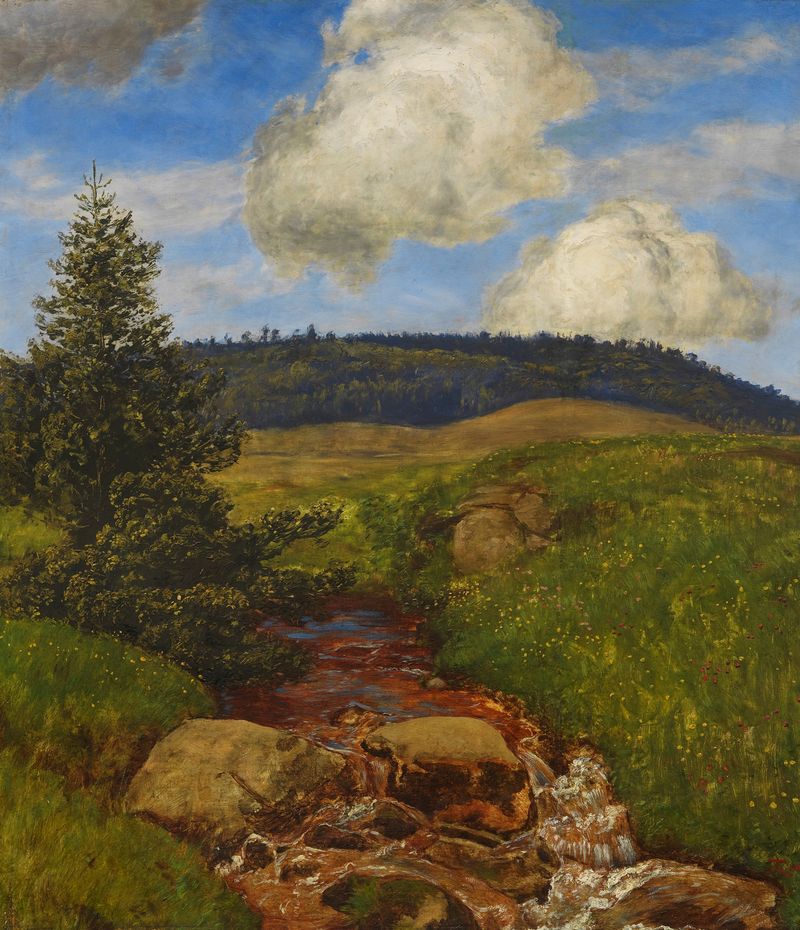
Schwarzwaldbach
Hans Thoma
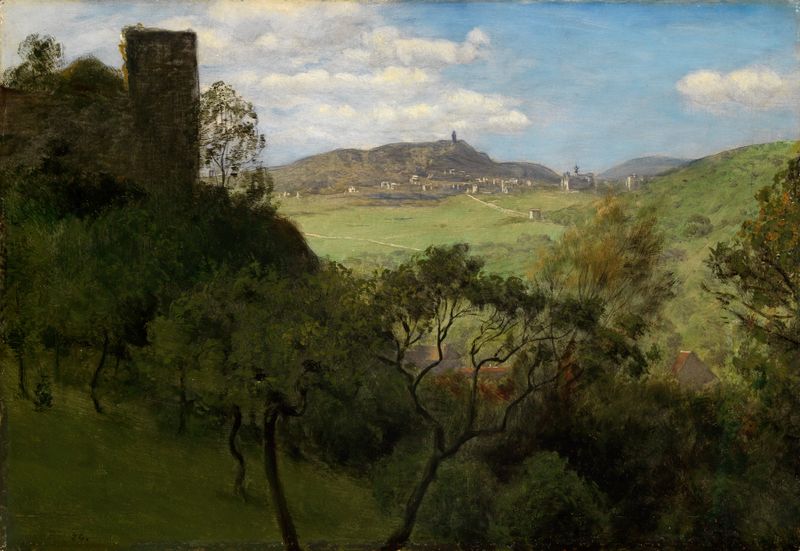
Blick auf Falkenstein im Taunus
Hans Thoma
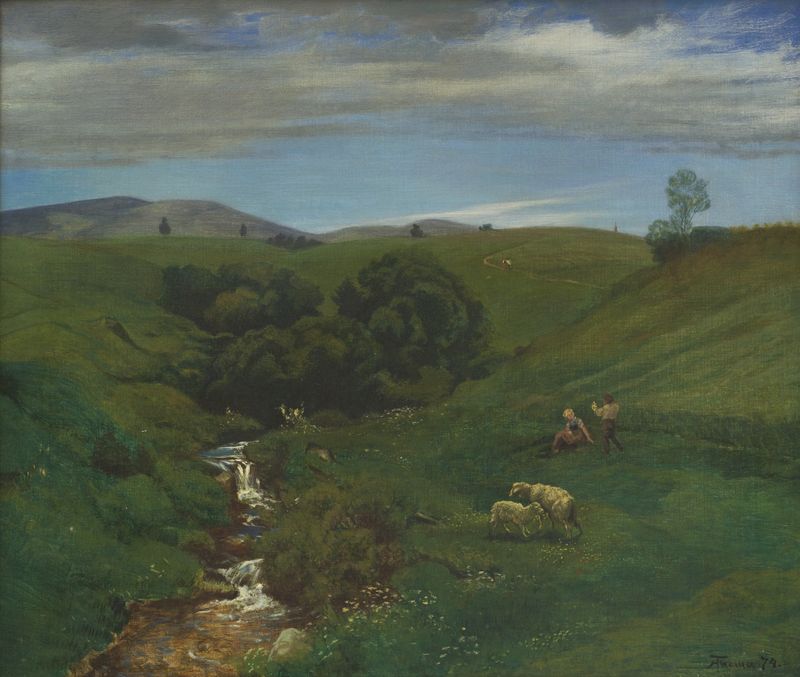
Black Forest Meadow near Bernau
Hans Thoma
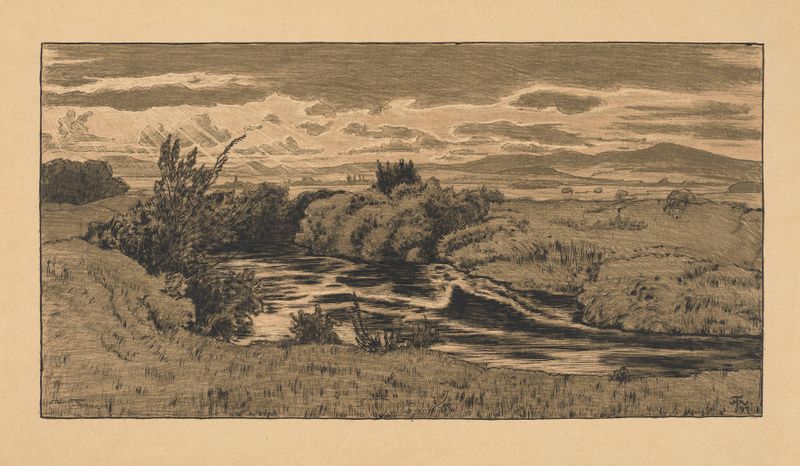
Evening by the Nidda River
Hans Thoma
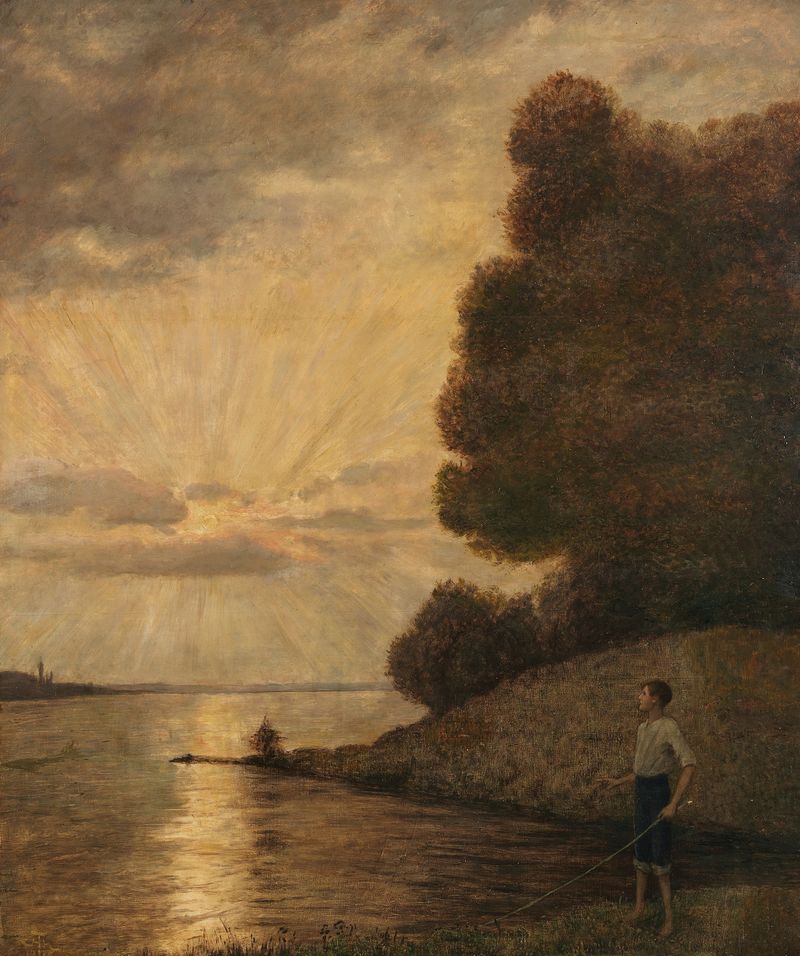
Sonnenuntergang am Oberrhein
Hans Thoma
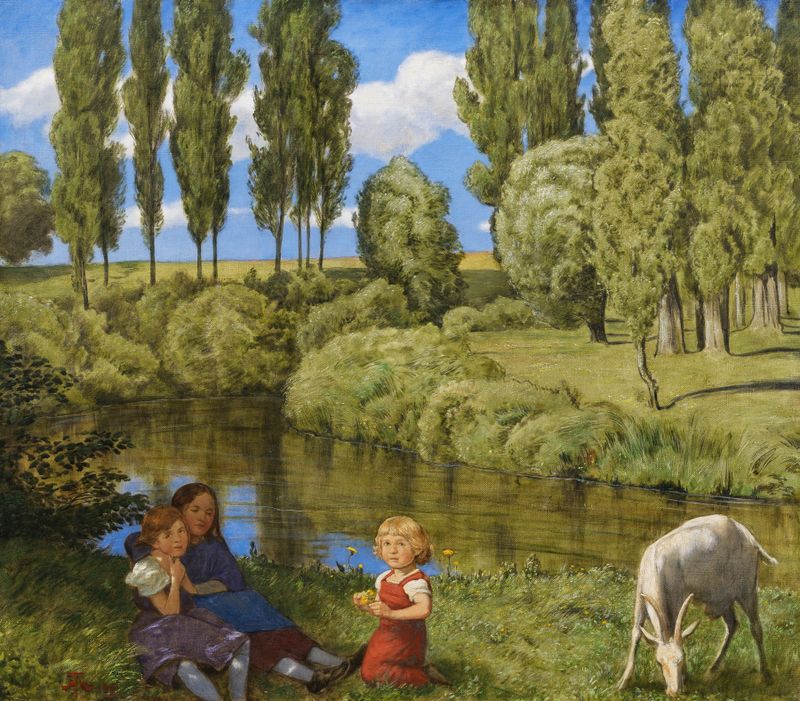
Am Stillen Bach
Hans Thoma
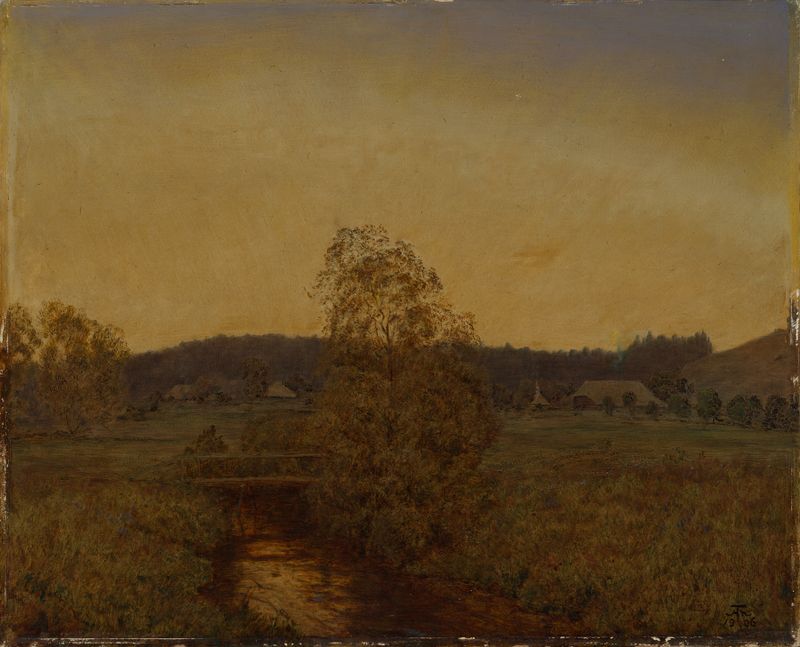
Der Abendstern
Hans Thoma
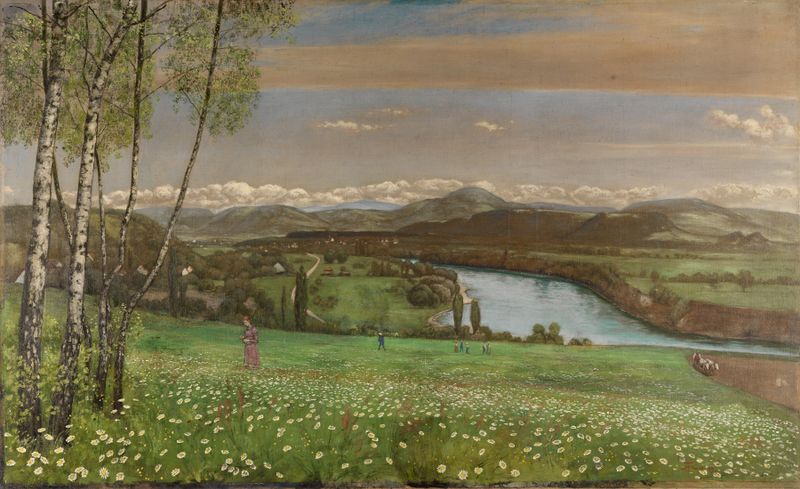
Das Rheintal bei Säckingen
Hans Thoma





