Discover insights about this artwork
Banks of a River — History & Facts
In Banks of a River, Paul Cézanne captures a tranquil scene along a riverbank. The painting features lush greenery and gentle water reflections, with a palette dominated by greens and blues. Soft brushstrokes create a sense of movement in the water, while the surrounding trees provide a natural frame.
The overall composition invites the viewer to experience the calmness of nature. Cézanne's technique in this work showcases his signature brushwork and color application. The use of thick, textured paint adds depth and dimension to the landscape. The interplay of light and shadow is evident, enhancing the three-dimensionality of the scene.
This painting exemplifies Cézanne's departure from traditional representation, focusing instead on the essence of the landscape. Paul Cézanne was a pivotal figure in the transition from Impressionism to modern art. 'Banks of a River' reflects his exploration of form and color, emphasizing the structure of the landscape. Interestingly, this work is part of a series of river scenes that Cézanne painted, showcasing his fascination with water and its reflections.
His innovative approach would later influence many 20th-century artists.
More Artworks by Paul Cézanne
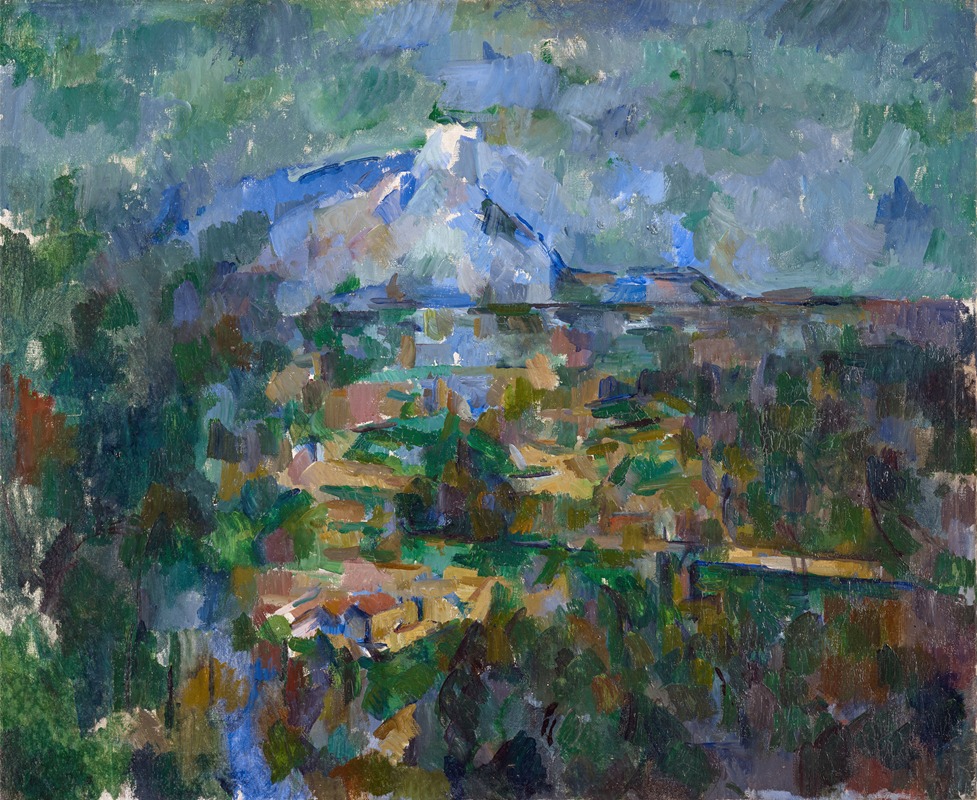
The Mont Sainte-Victoire Seen From Les Lauves
Paul Cézanne
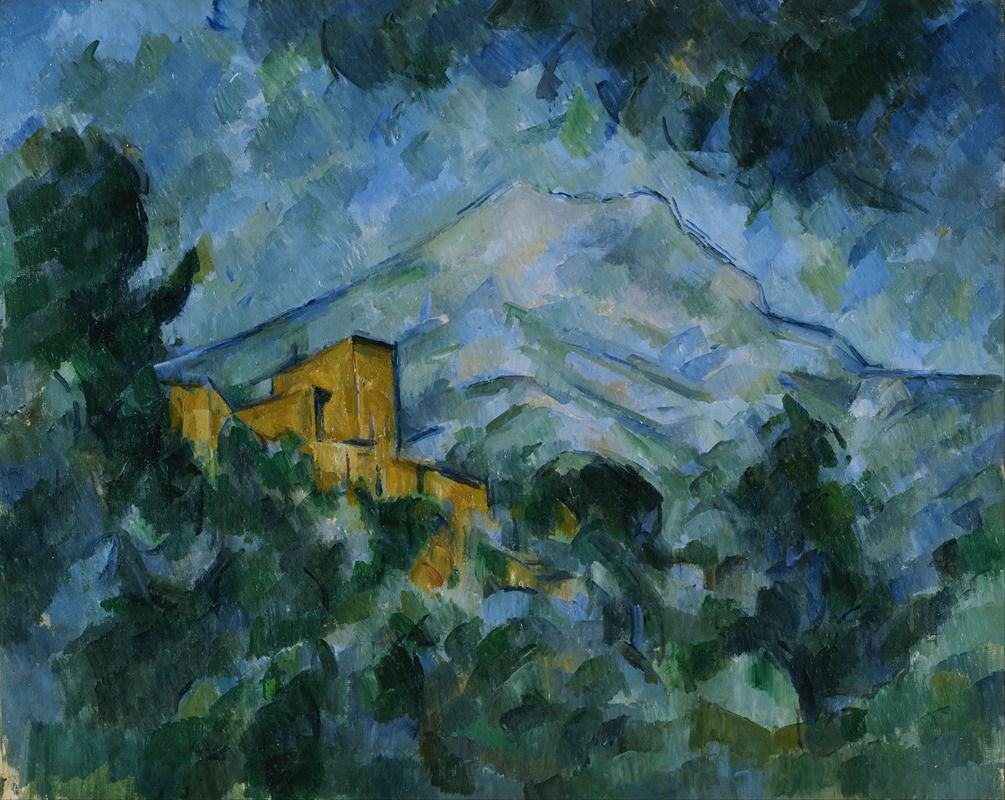
Mont Sainte-Victoire and Château Noir
Paul Cézanne
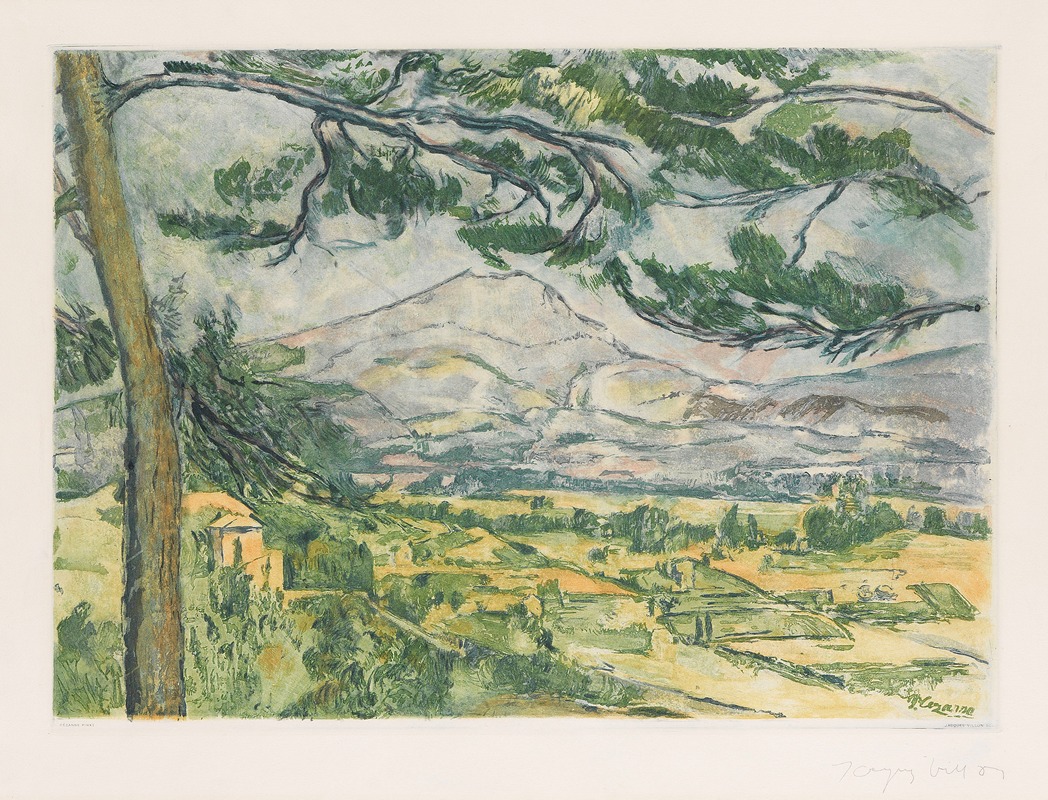
La Montagne Sainte-Victoire
Paul Cézanne
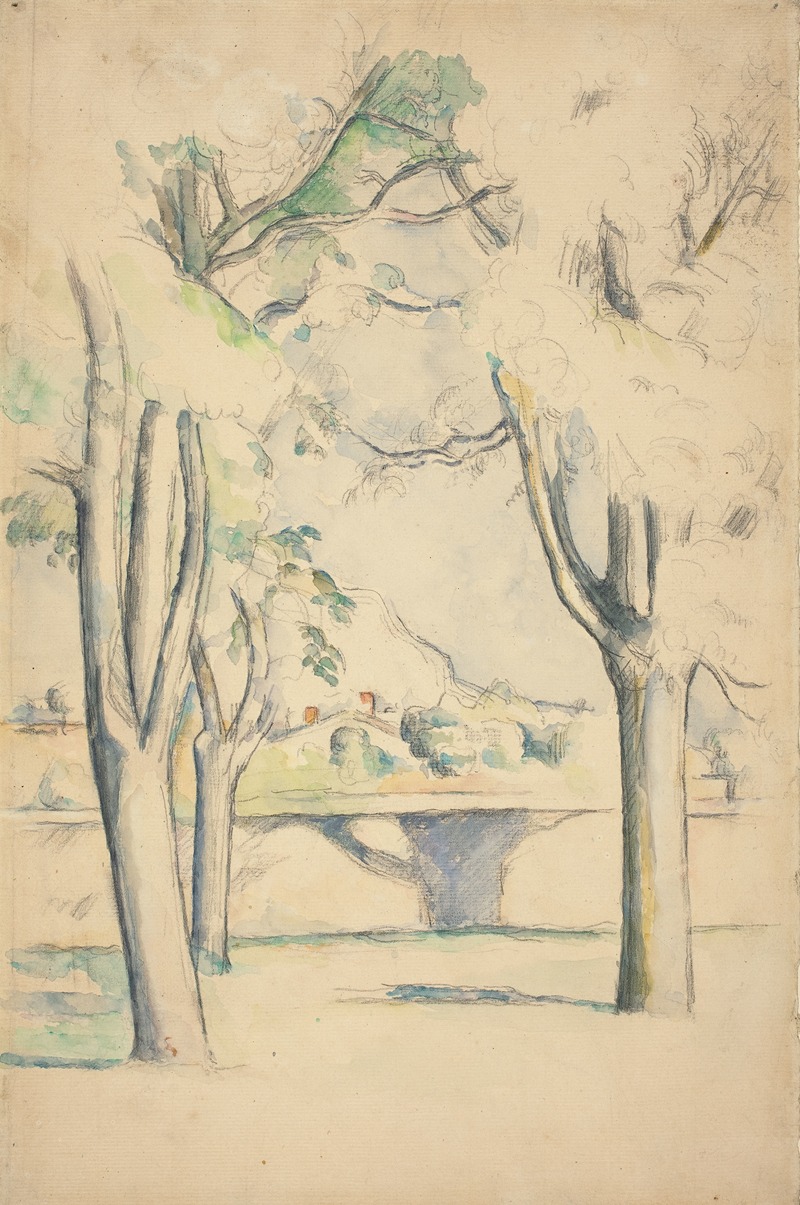
Mont Sainte-Victoire Seen beyond the Wall of the Jas de Bouffan
Paul Cézanne
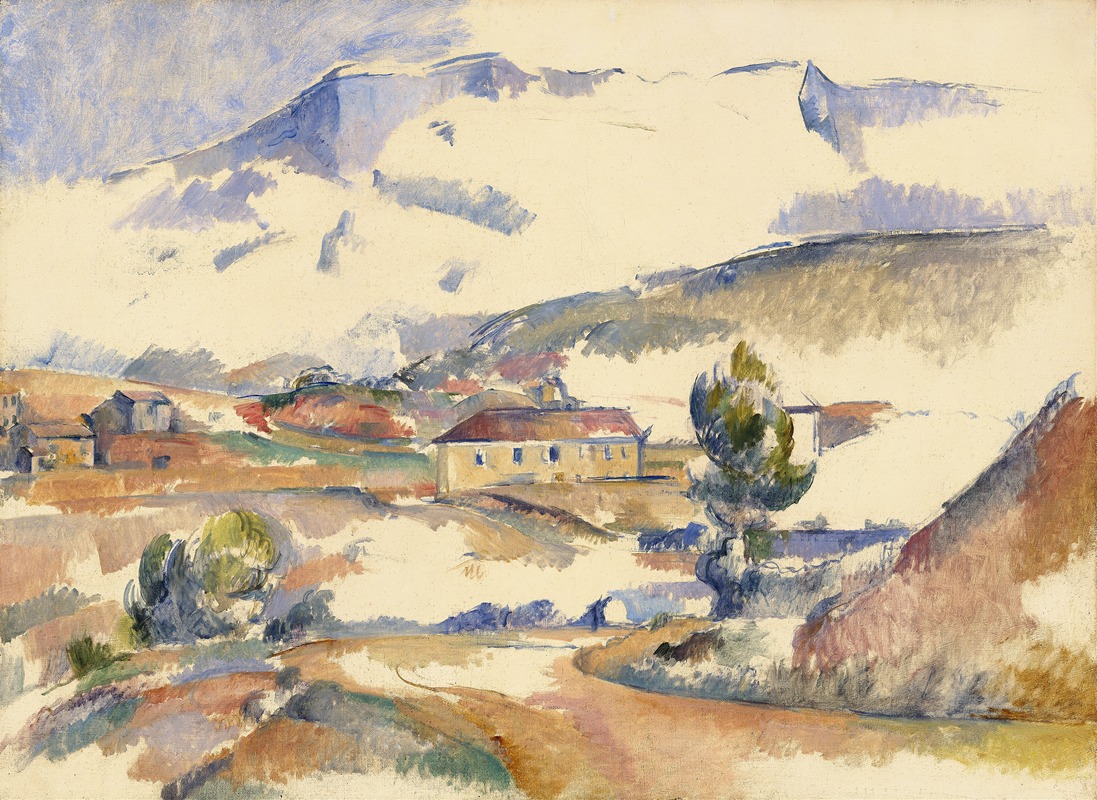
Montagne Sainte-Victoire,from near Gardanne
Paul Cézanne
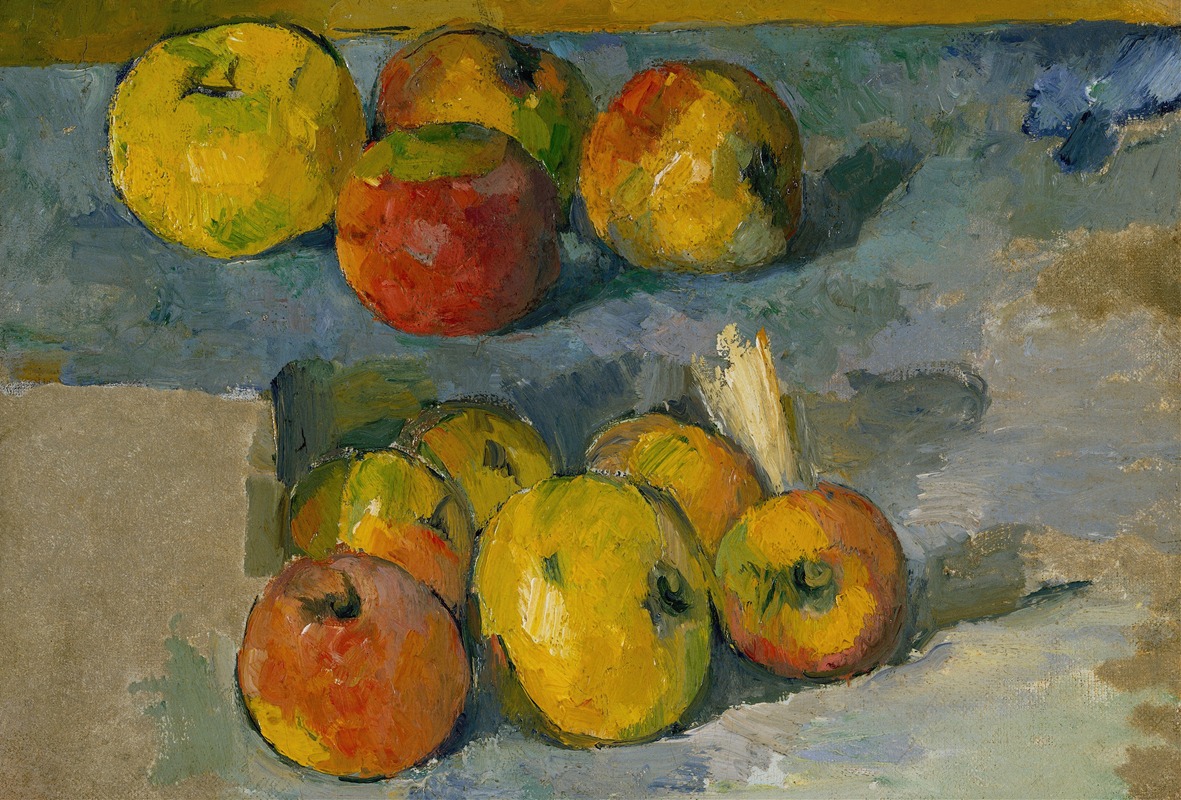
Apples
Paul Cézanne
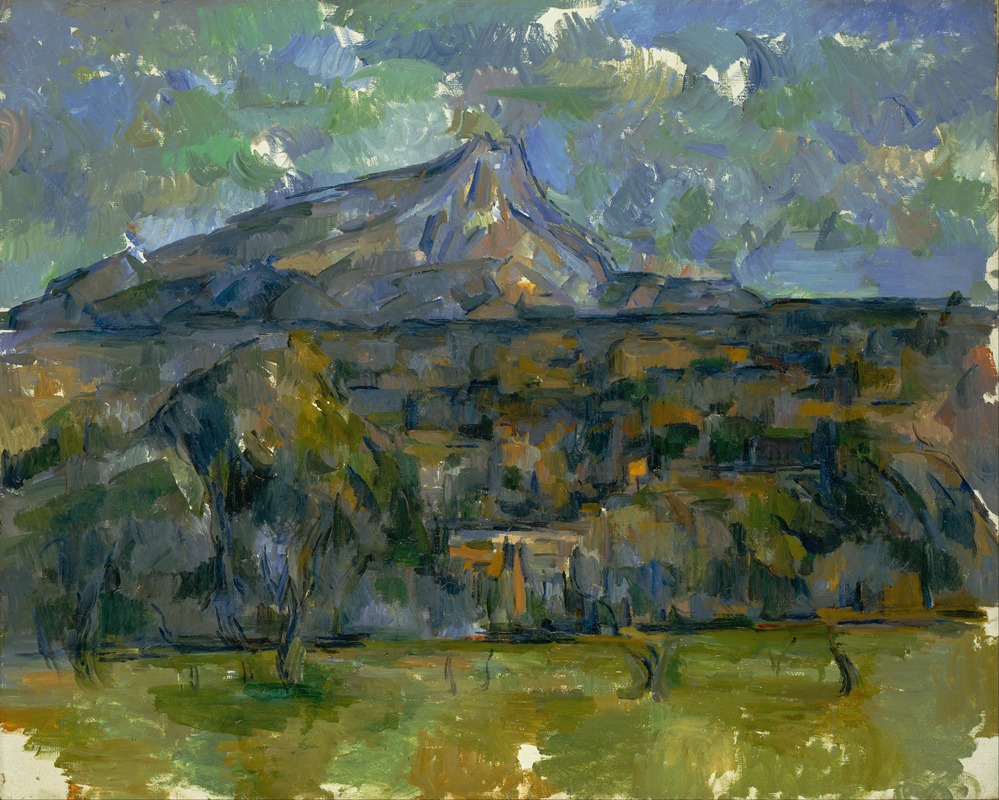
Mont Sainte-Victoire
Paul Cézanne
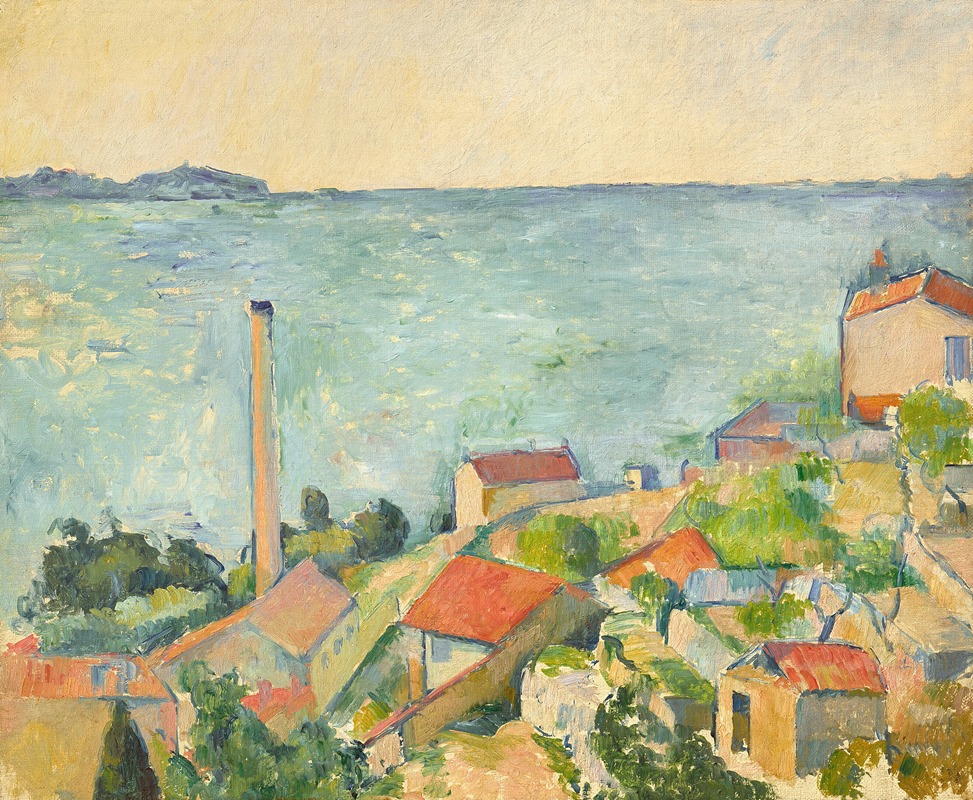
La mer à l’Estaque
Paul Cézanne
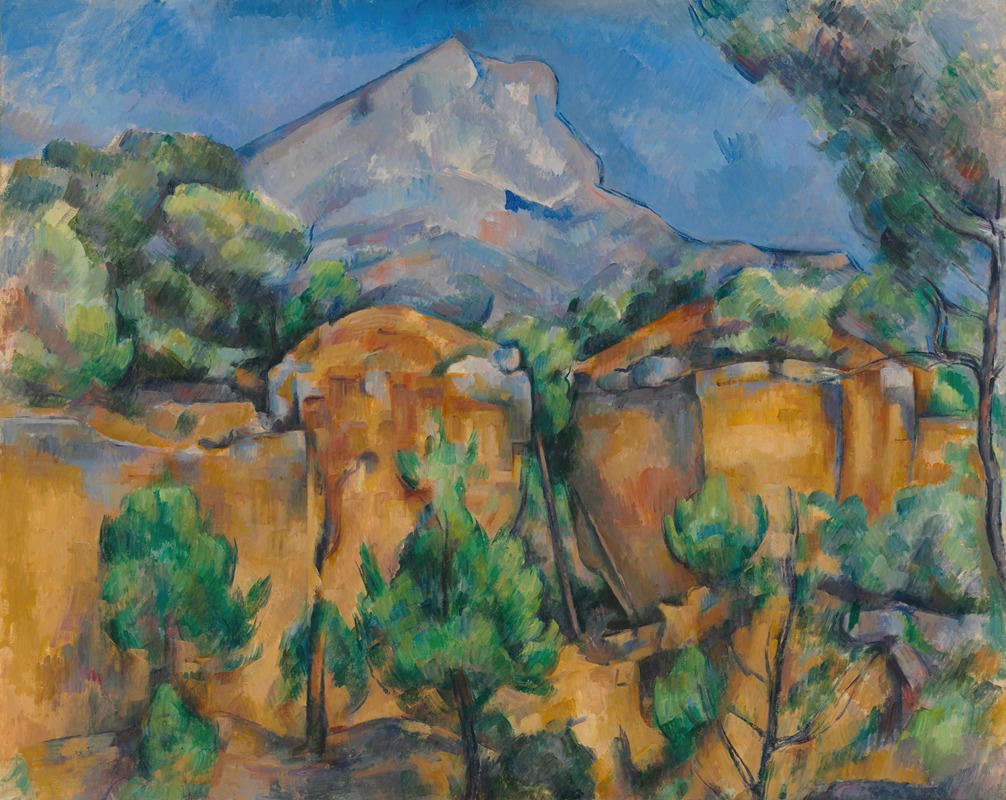
La Montagne Sainte-Victoire vue de la carrière Bibémus
Paul Cézanne
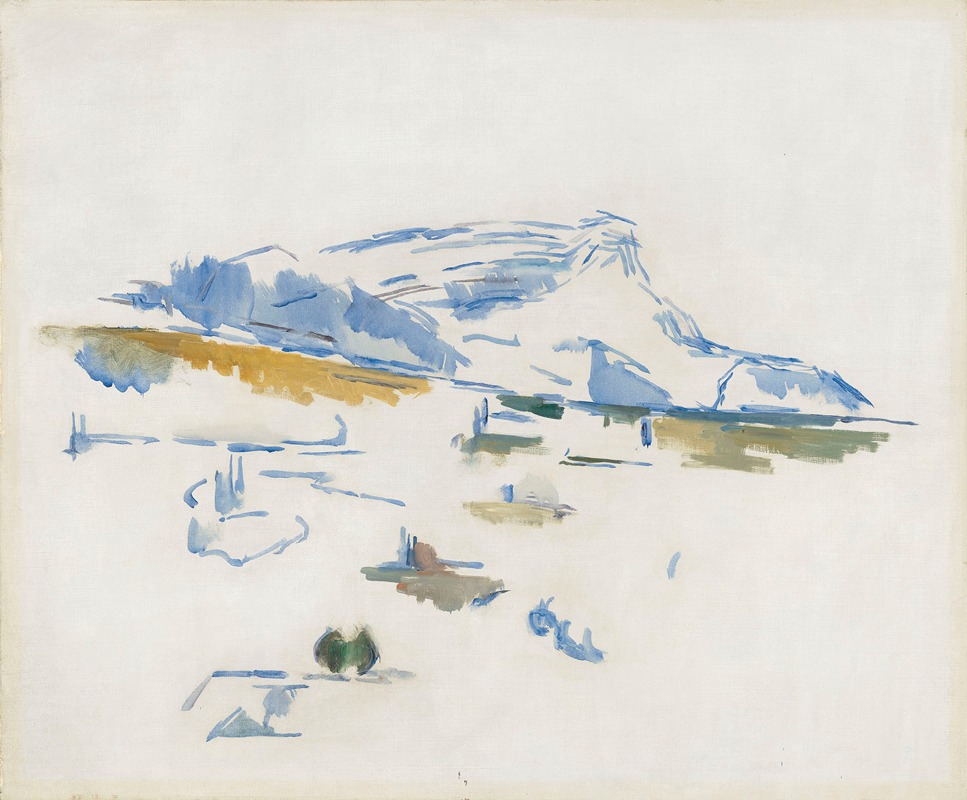
La Montagne Sainte-Victoire vue des Lauves
Paul Cézanne