
Barber’s Hall — History & Facts
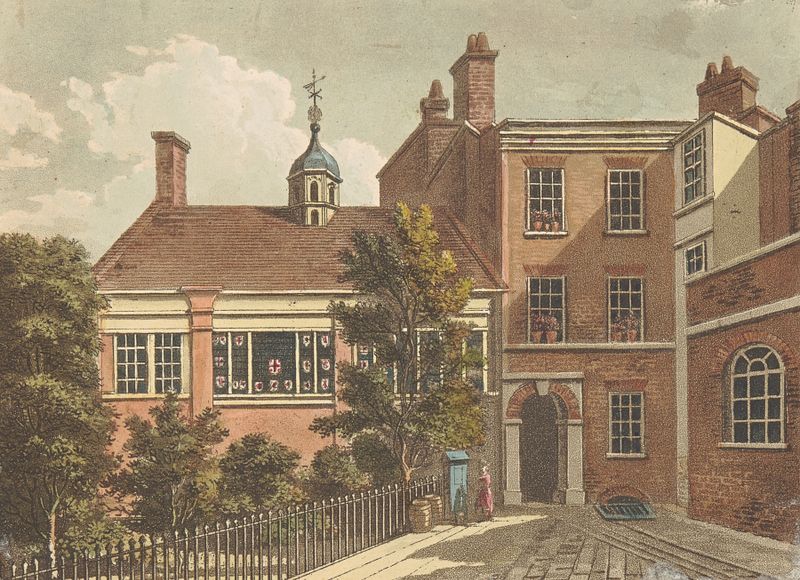
Can paint confess what words never could? In Barber’s Hall, light becomes the silent witness to a gathering where stories linger, unsaid yet profoundly understood. Look to the center of the painting where figures are engaged in animated conversation, their expressions suggesting a blend of camaraderie and contemplation. Notice how the warm light spills across the scene, illuminating the varied textures of clothing and the subtle sheen of polished surfaces, while shadows deepen the corners, creating an inviting yet intimate atmosphere. The careful arrangement of figures invites the viewer to feel both present and excluded, capturing the essence of social interaction while hinting at personal narratives hidden beneath the surface. As you explore the edges, consider the contrasts: the vibrancy of the chatter against the stillness of the background, where the walls echo with unspoken histories.
The interplay of light and shadow not only defines the physical space but also suggests the emotional complexities within the gathering—joy tinged with tension, familiarity laced with the unknown. Each brushstroke serves as a testament to fleeting moments, the kind that linger in memory yet elude description. Samuel Ireland painted Barber’s Hall between 1794 and 1800, a period marked by social change and artistic exploration in England. During this time, he was immersed in the burgeoning world of portraiture and genre scenes, capturing the nuances of everyday life.
Ireland’s ability to render both the cheerful and somber aspects of human connection reflects a keen observation of his surroundings, offering a snapshot of a moment steeped in both personal and collective significance.
More Artworks by Samuel Ireland
Browse all →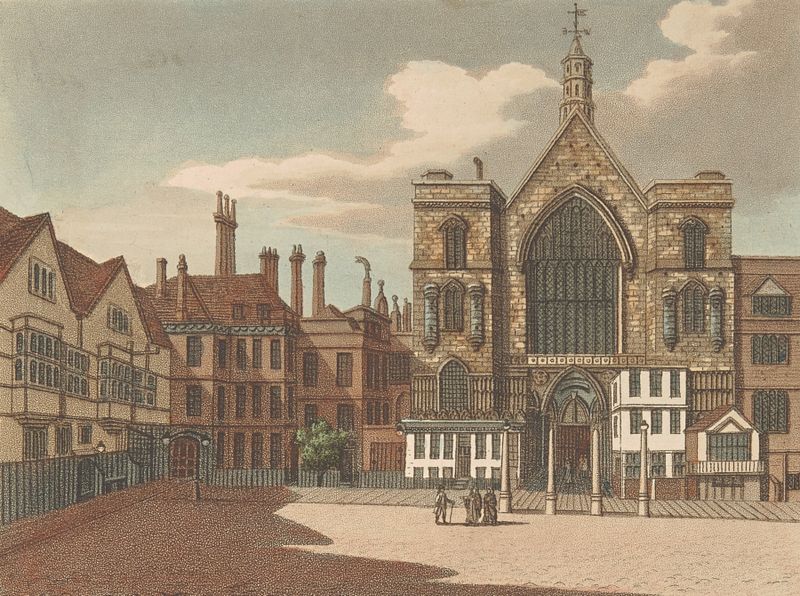
Westminster Hall
Samuel Ireland

Southwest View of Middle Temple
Samuel Ireland
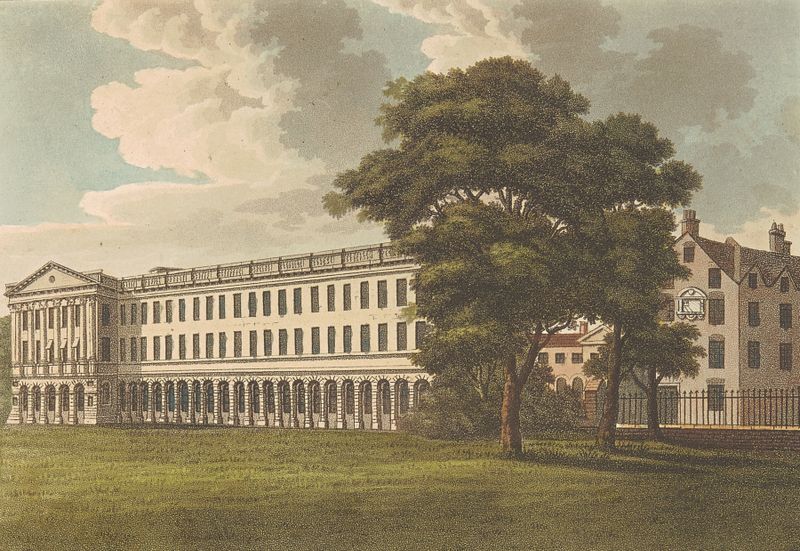
Stone Buildings, Lincoln’s Inn
Samuel Ireland
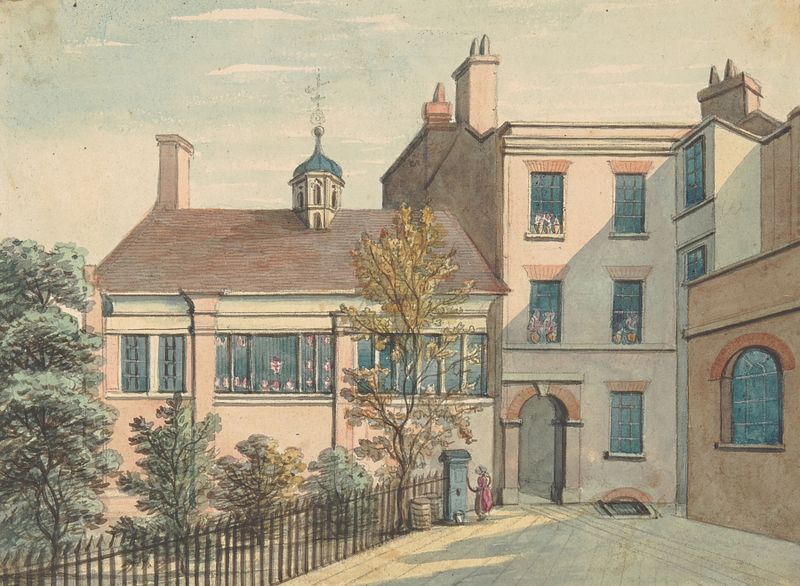
Barnard’s Inn
Samuel Ireland

Lincoln’s Inn Hall and Chapel
Samuel Ireland

Lion’s Inn
Samuel Ireland
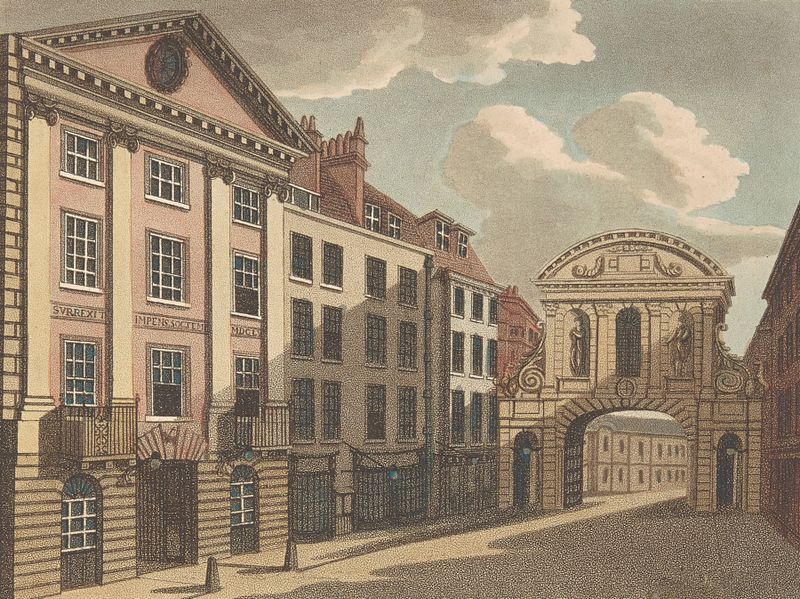
Middle Temple Gate
Samuel Ireland
Barnard’s Inn
Samuel Ireland

Westminster Hall
Samuel Ireland
Lincoln’s Inn Gate
Samuel Ireland





