
Bartram's Plover — History & Facts
What first catches the eye in Bartram's Plover is the bird’s alert posture, poised at the edge of the grasses with its beak slightly open, as if caught mid-call. The artist, Archibald Thorburn, draws us into the world of this small wader not through drama, but through a moment of attentive stillness. The plover’s finely detailed plumage, each feather rendered with care, stands out against the soft, impressionistic wash of the background.
The eye is led from the crisp foreground, where the bird’s long legs and delicate claws anchor it to the earth, back to the more loosely painted companions, who fade gently into the distance. The palette is earthy and restrained, setting a mood of quiet observation and inviting the viewer to linger over the subtle variations of brown and gold. This work belongs to the tradition of 19th-century British impressionist art, a period when natural history illustration flourished alongside the rise of scientific curiosity and amateur ornithology. Artists like Thorburn were often commissioned by collectors, scientists, and publishers eager to document the natural world with both accuracy and beauty.
The Bonhams gallery, which holds this piece, preserves a window into that era’s fascination with cataloguing and celebrating even the most elusive species. History has kept few traces of the individual stories behind such works, but their purpose is clear: to bring the viewer face-to-face with nature’s intricacy, and to reward a patient, attentive gaze.
More Artworks by Archibald Thorburn

The Watchful Hinds
Archibald Thorburn
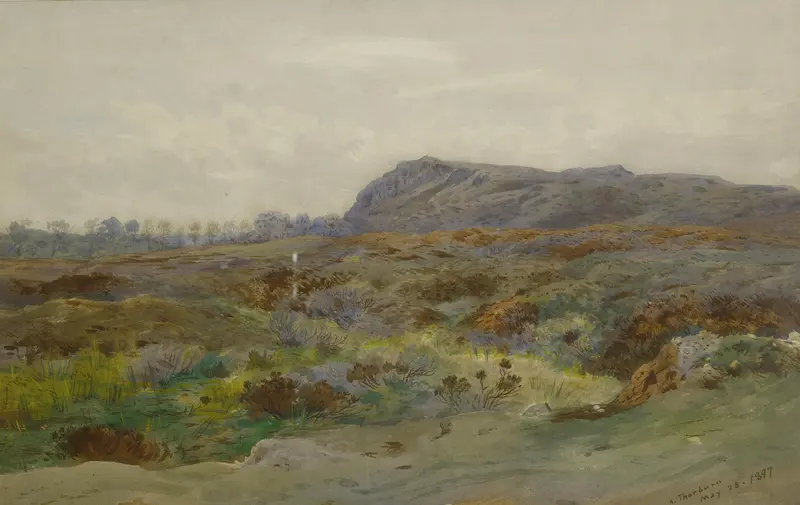
Moorland Landscape
Archibald Thorburn
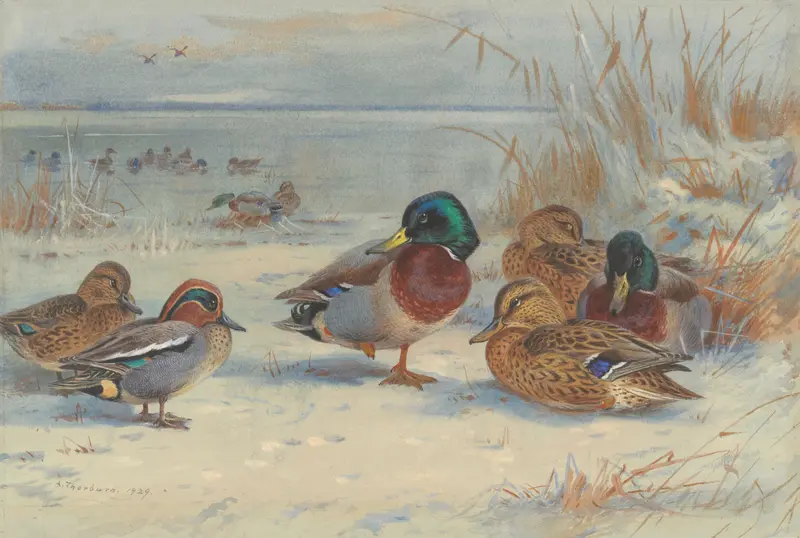
Mallard and teal in the snow
Archibald Thorburn
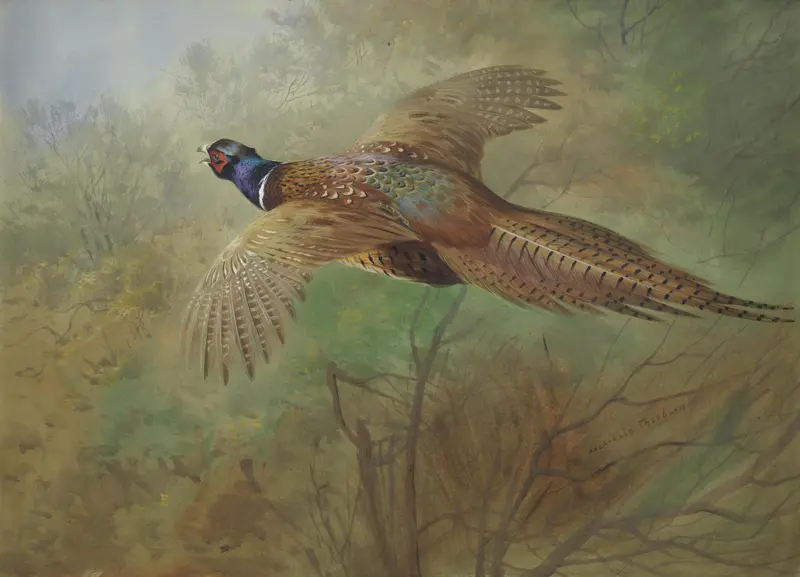
Pheasant in flight
Archibald Thorburn
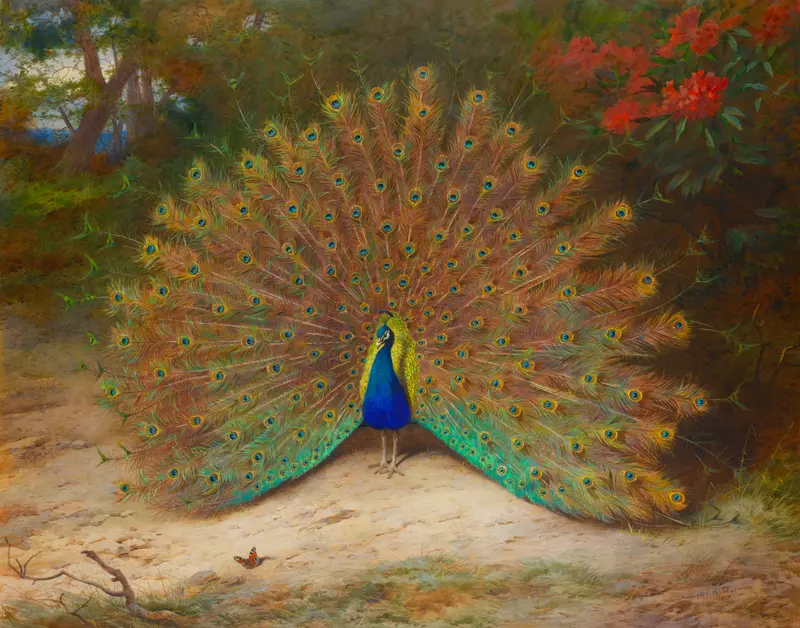
Peacock and Peacock Butterfly
Archibald Thorburn
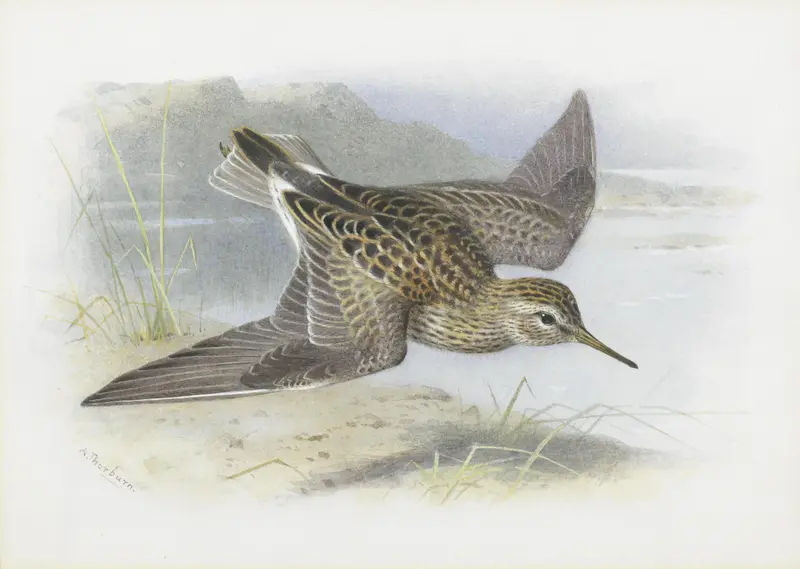
Pectoral Sandpiper
Archibald Thorburn
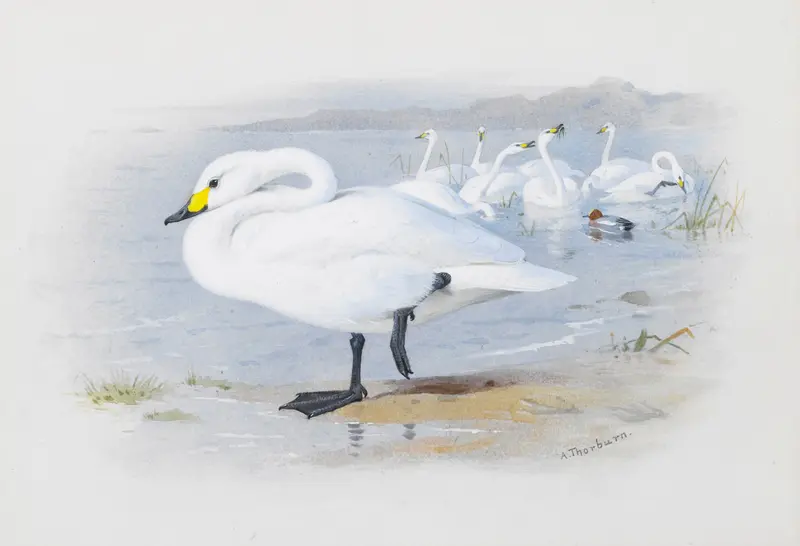
Bewick's swan.
Archibald Thorburn
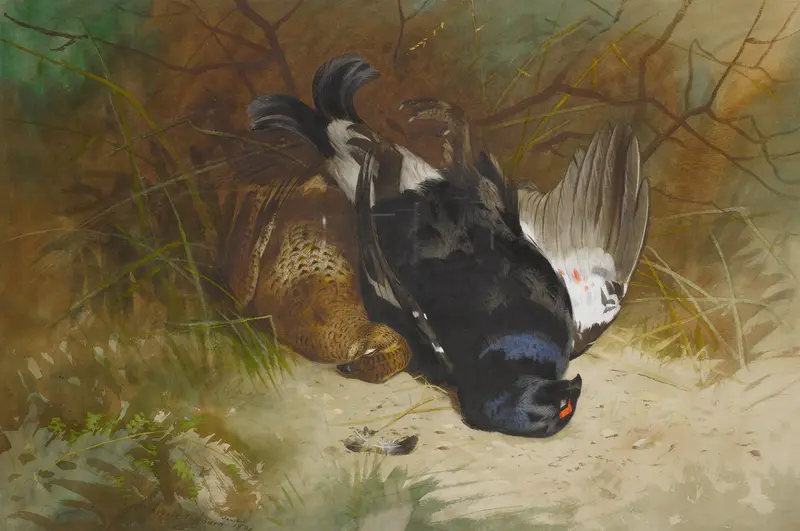
Still life of a pair of Blackgame.
Archibald Thorburn
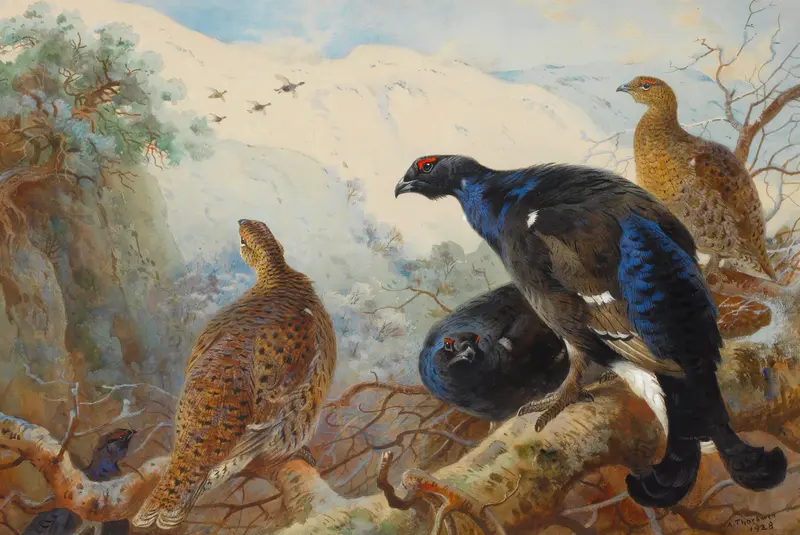
Blackgame
Archibald Thorburn
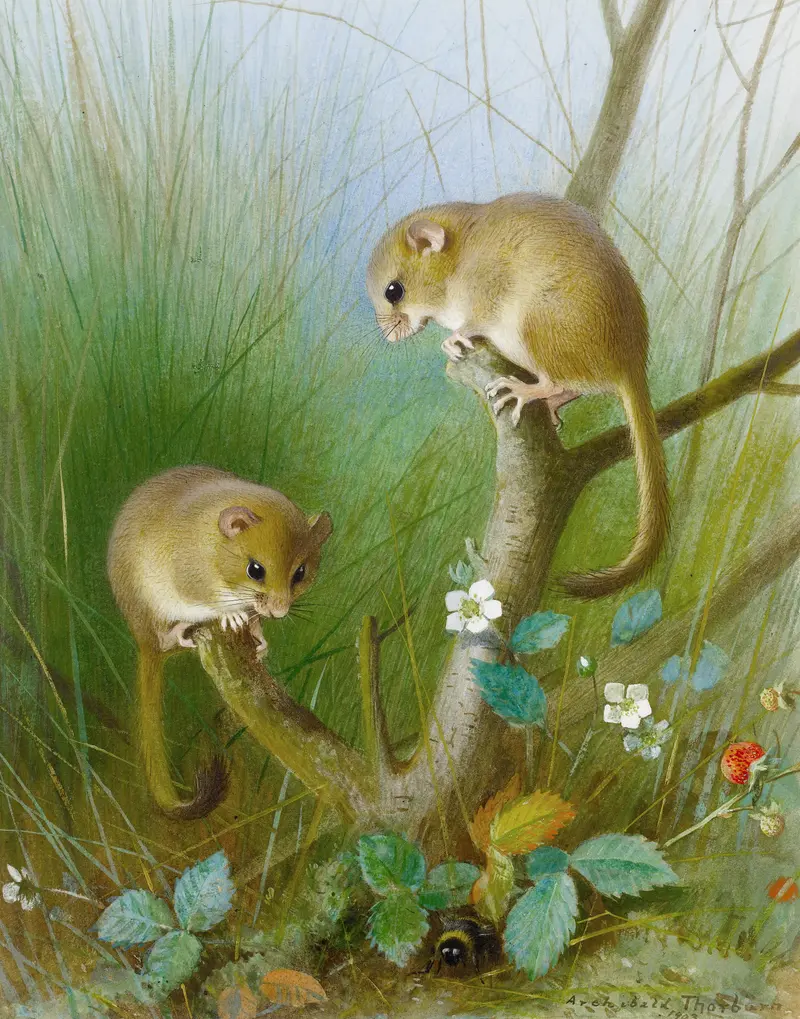
Dormice
Archibald Thorburn





