
Bateaux Échoués Au Lavandou — History & Facts
What if beauty was never meant to be finished? This question lingers in the air, beckoning us to contemplate the ephemeral nature of art, as well as the chaos that often lies underneath its surface. Look to the left of the canvas, where the fragmented forms of stranded boats emerge from a swirling backdrop of vibrant blues and greens. The bold strokes create a sense of dynamism, conjuring the feeling that the vessels may yet find their way back to the sea. Notice how the interplay of light and shadow dances across their hulls, suggesting a fleeting moment captured in time, capturing both stillness and potential movement. Beneath this apparent chaos lies a landscape of emotional tension—where tranquility meets turmoil.
The vibrant colors pulse with life, yet the grounded boats evoke a sense of abandonment and longing. One can't help but ponder the stories of those who once sailed them, now seemingly left behind in a world that is both beautiful and maddeningly unpredictable. The juxtaposition of the serene natural setting against the forlorn vessels creates a vivid commentary on the transitory nature of existence. Painted between 1908 and 1909 during his time in the South of France, the artist explored the boundaries of color and form while reflecting the emerging trends of Pointillism.
This period marked a significant evolution in his style, as he sought to merge emotional resonance with the beauty of the Mediterranean landscape. At this moment in history, Europe was on the cusp of dramatic change, and his work stands as a testament to the intricate balance between chaos and beauty in a world on the brink.
More Artworks by Henri-Edmond Cross
Browse all →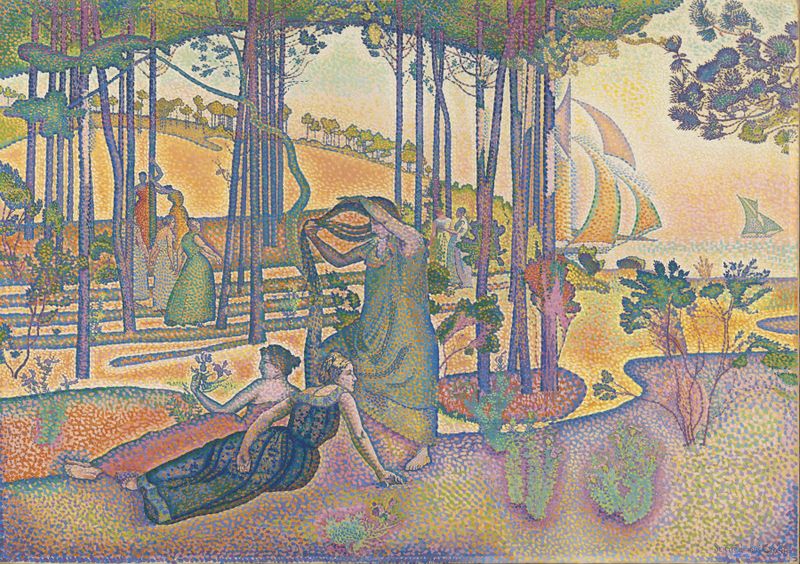
The Evening Air
Henri-Edmond Cross

Landscape
Henri-Edmond Cross
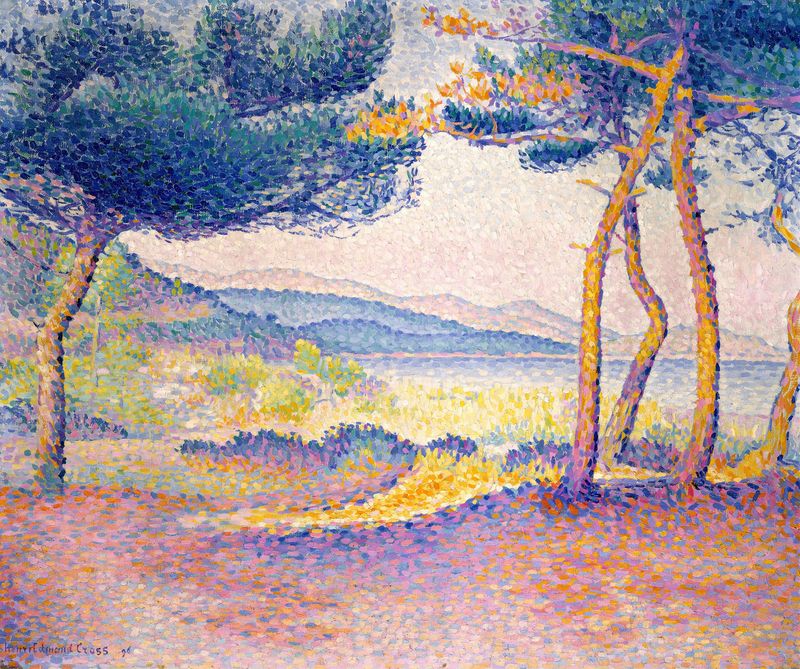
Pines Along the Shore
Henri-Edmond Cross
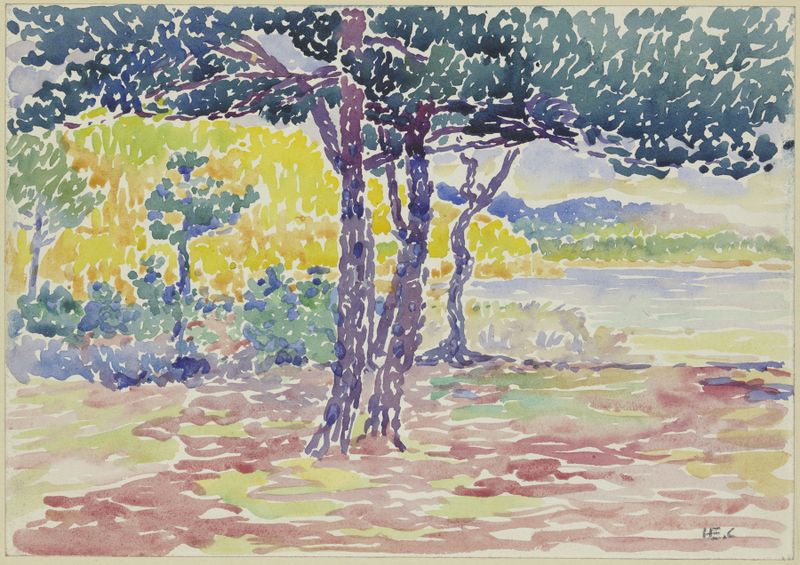
Meeresgestade
Henri-Edmond Cross

La Plage De Saint-Clair
Henri-Edmond Cross
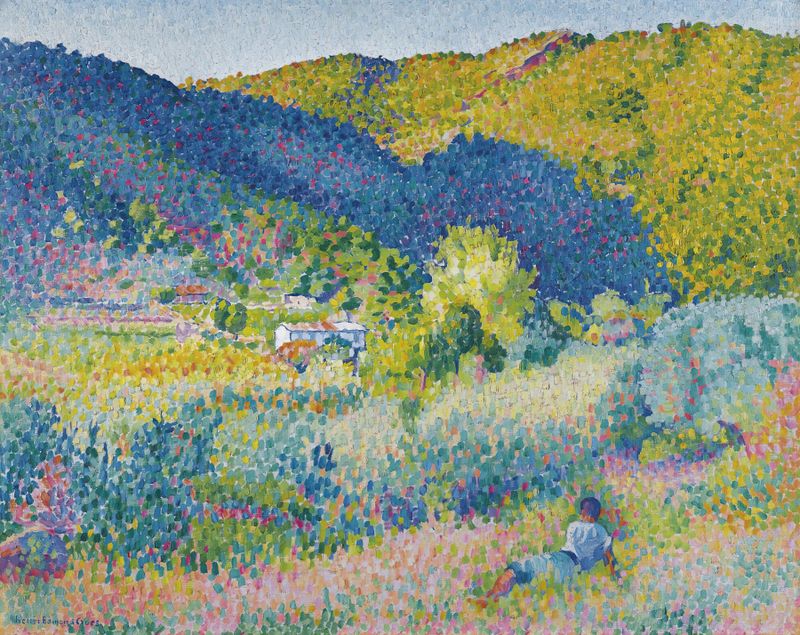
Paysage De La Chaine Des Maures
Henri-Edmond Cross
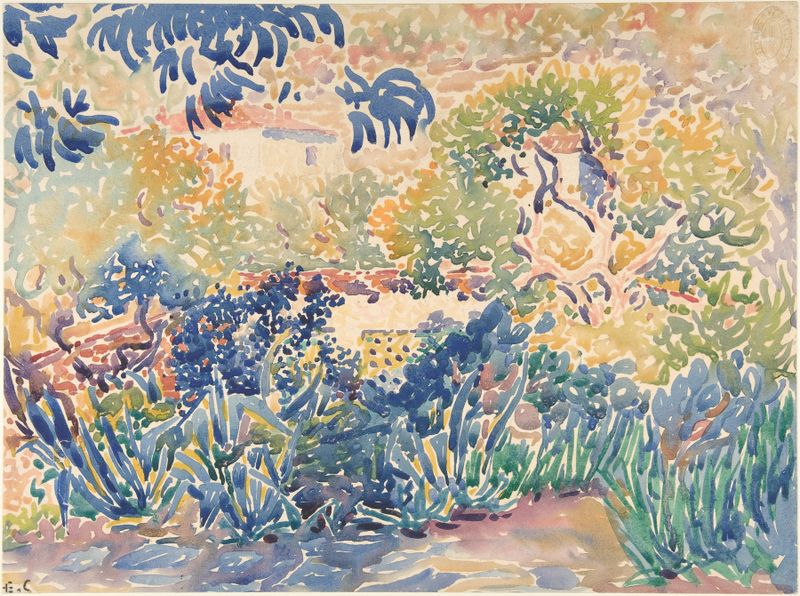
The Artist’s Garden at Saint-Clair
Henri-Edmond Cross
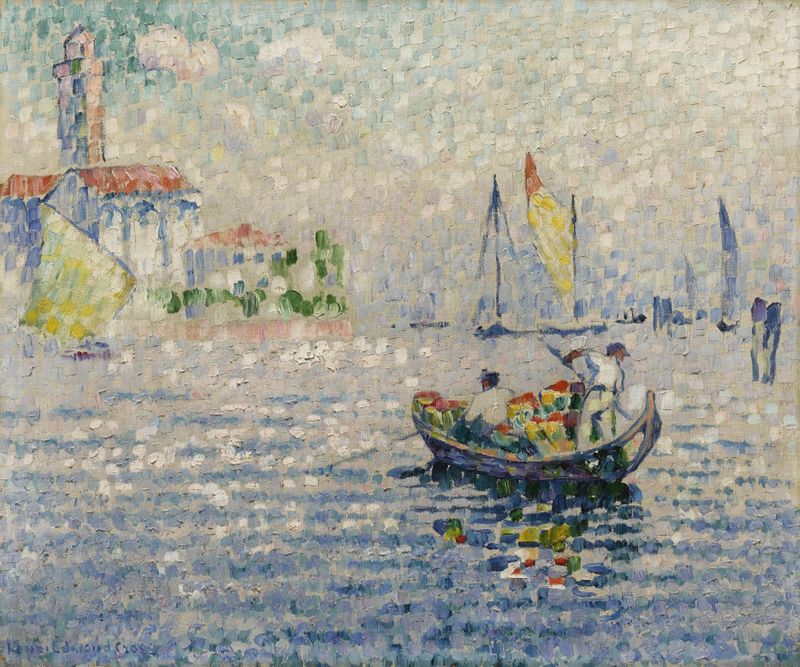
Murano, matin
Henri-Edmond Cross
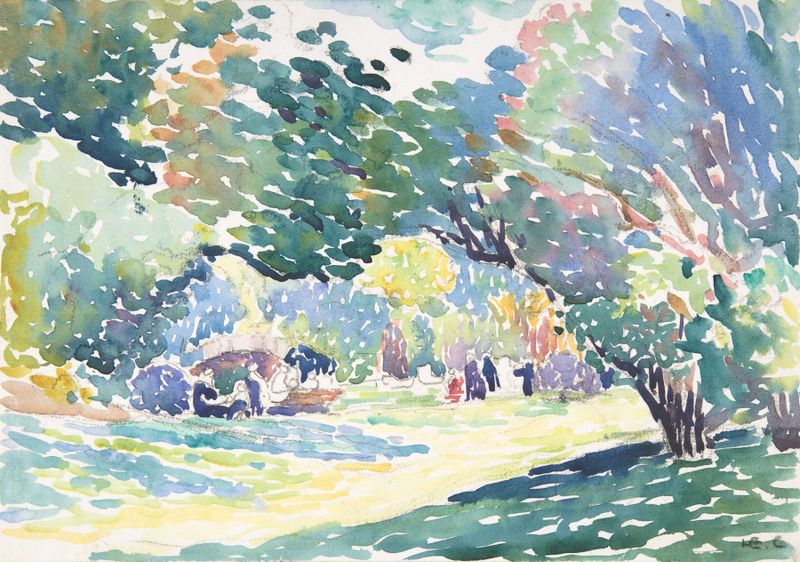
Landscape
Henri-Edmond Cross
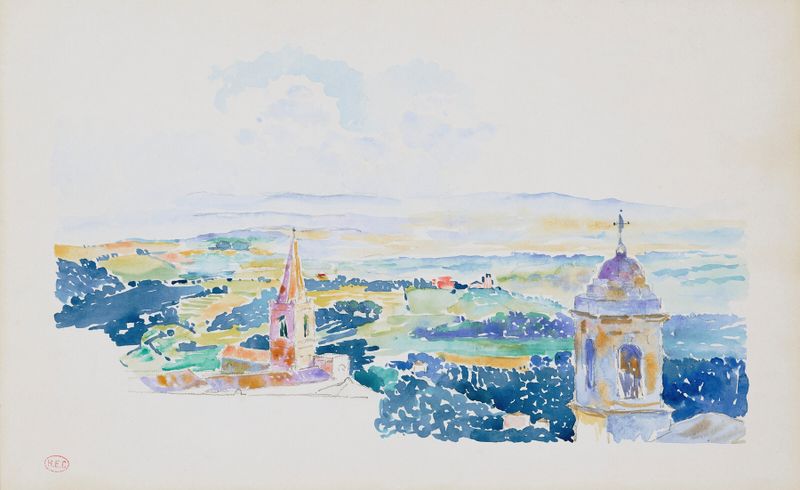
Pérouse, la terrasse
Henri-Edmond Cross





