
Bathing Man — History & Facts
Bathing Man depicts a man immersed in water, surrounded by lush greenery and gentle waves. The colors are vibrant, with deep blues and greens dominating the scene. The man's figure is partially obscured by the water, creating a sense of intimacy with nature.
Sunlight filters through the leaves, creating a dappled effect on the water's surface. If you look closely, you can see the ripples in the water, suggesting movement and life. The way the light interacts with the water gives a sense of warmth and tranquility. The man's posture appears relaxed, as if he is at peace in this natural setting.
The surrounding foliage adds a rich texture, emphasizing the connection between the figure and the environment. Edvard Munch painted this work during the late 19th century, a time when he was exploring themes of human emotion and nature. He is best known for his iconic piece, The Scream, which reflects anxiety and existential dread. Munch's works often delve into the complexities of human experience, blending reality with symbolism.
An interesting fact about him is that he believed art should express the artist's feelings, which influenced his unique style.
More Artworks by Edvard Munch

The Scream
Edvard Munch

The Scream (1910 version)
Edvard Munch

Despair
Edvard Munch

The Day After
Edvard Munch
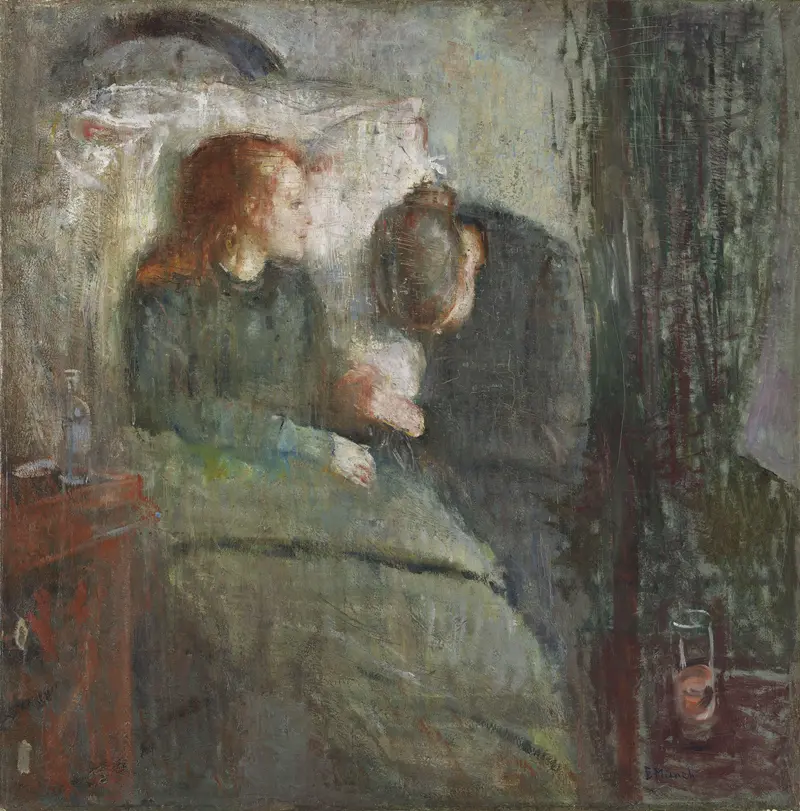
The Sick Child
Edvard Munch
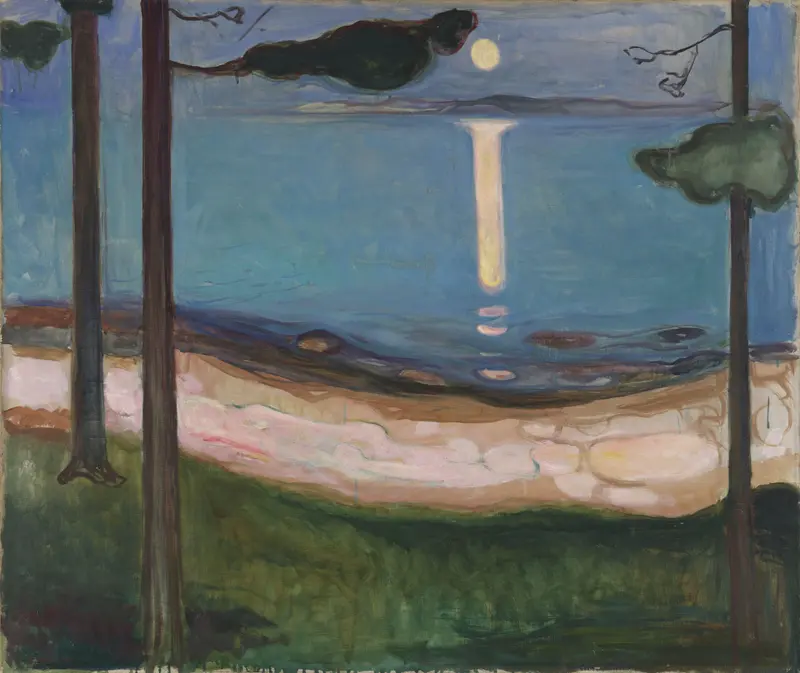
Moonlight
Edvard Munch
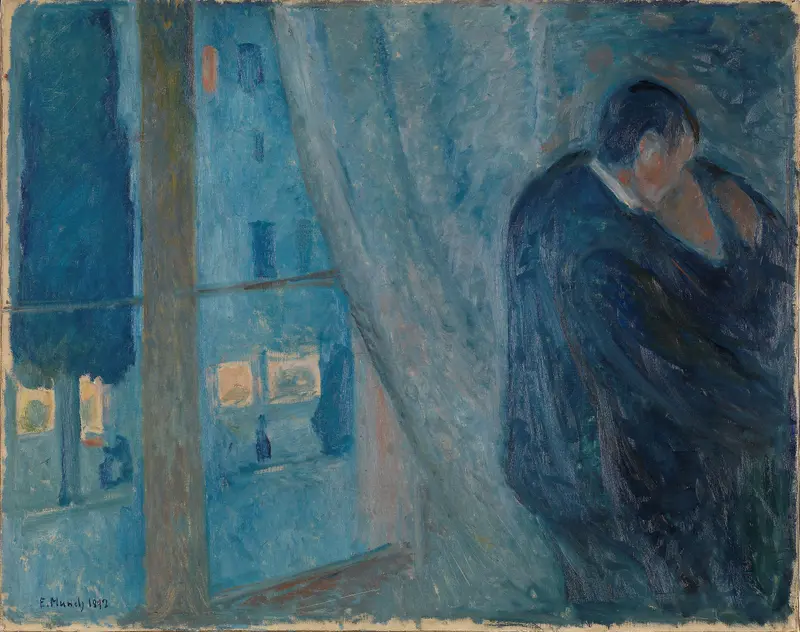
The Kiss
Edvard Munch
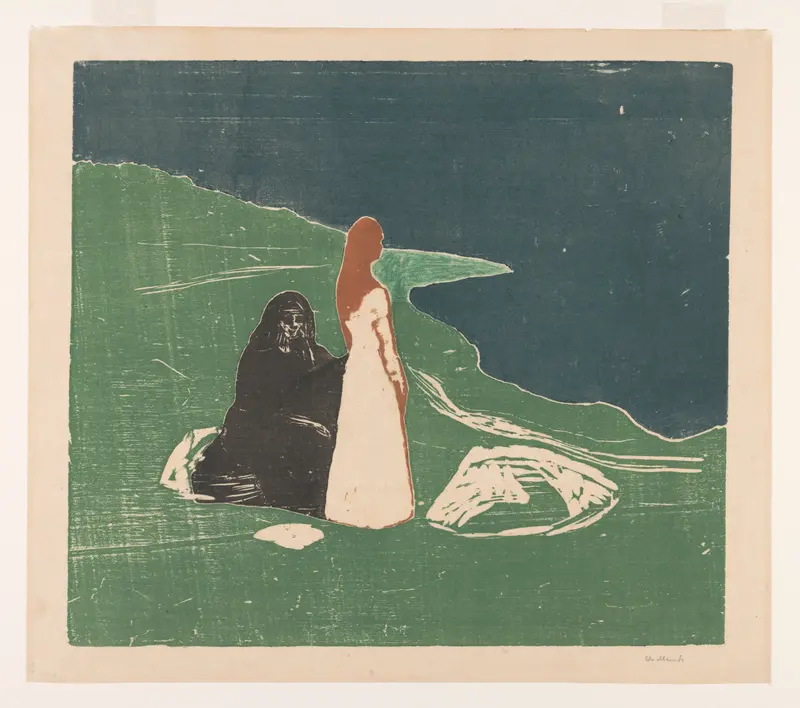
Two Women on the Shore
Edvard Munch
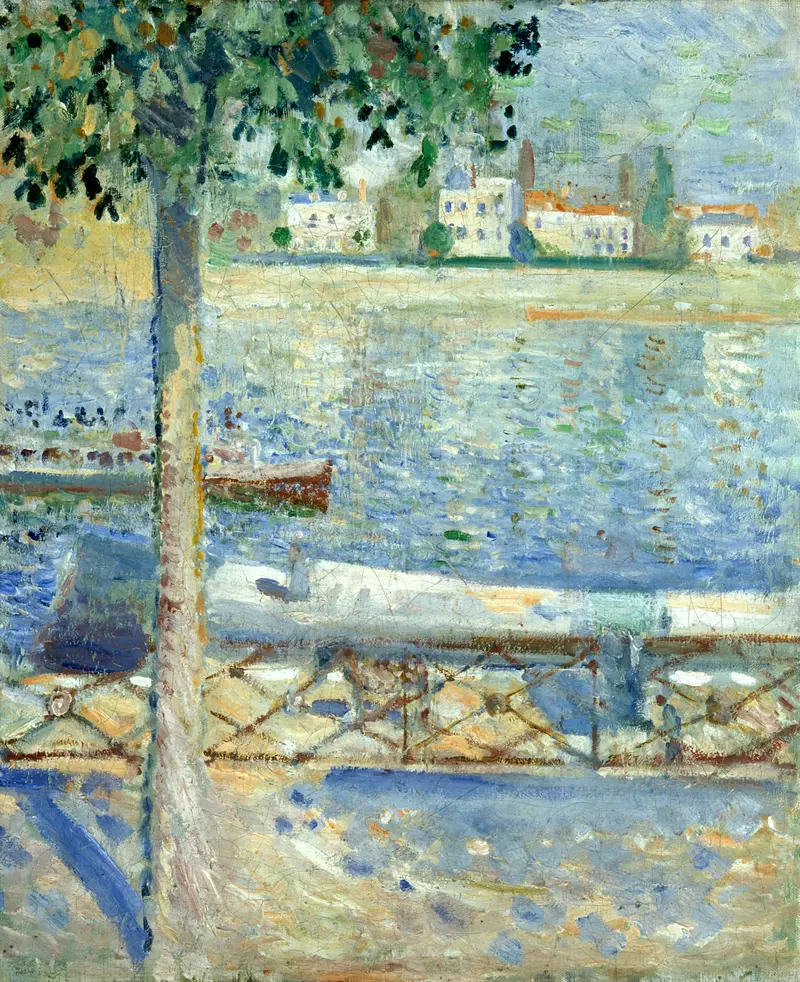
The Seine At Saint-Cloud
Edvard Munch
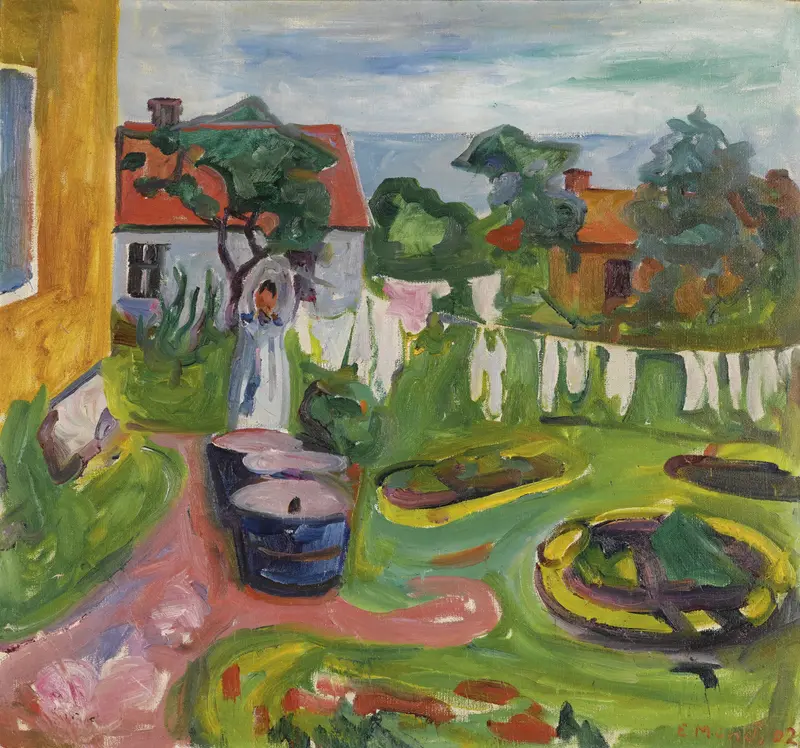
Klestørk I Åsgårdstrand (Clothes On A Line In Åsgårdstrand)
Edvard Munch



