Battersea — History & Facts
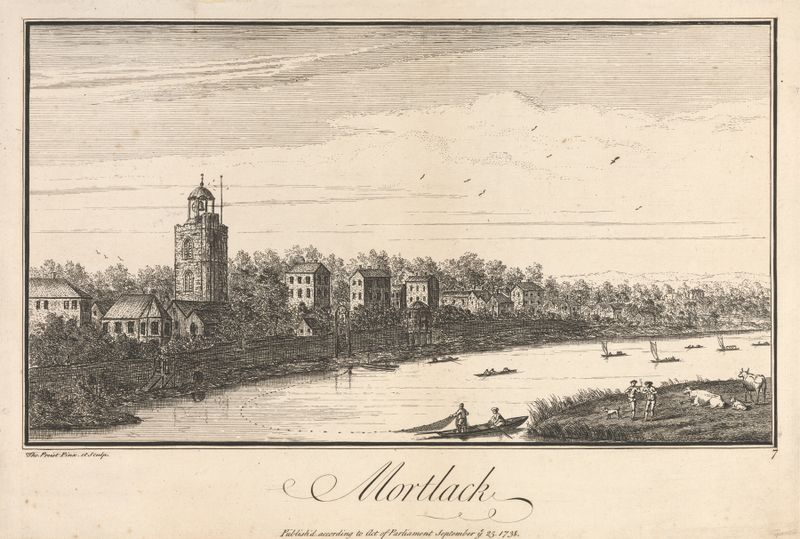
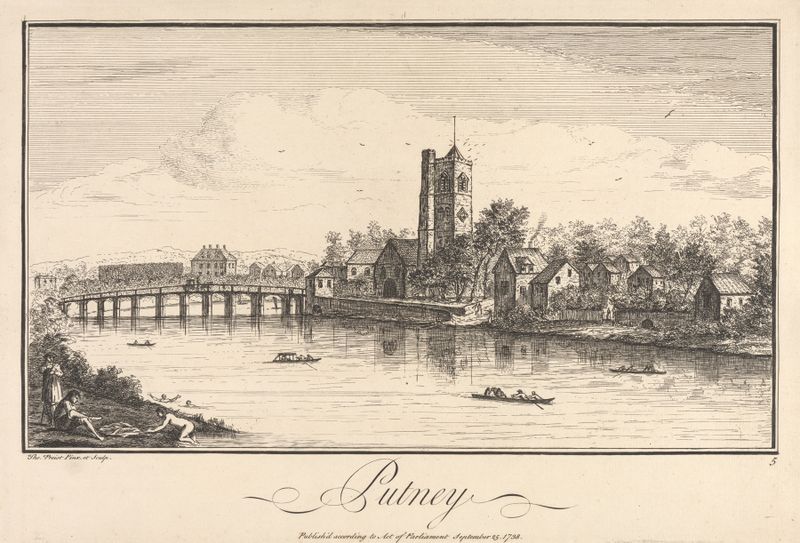
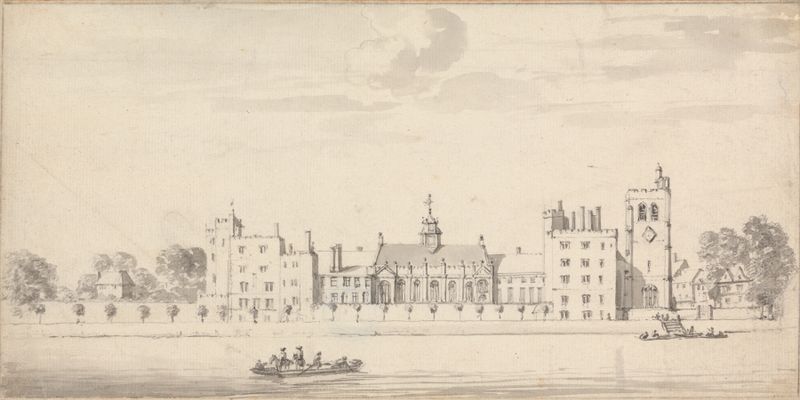
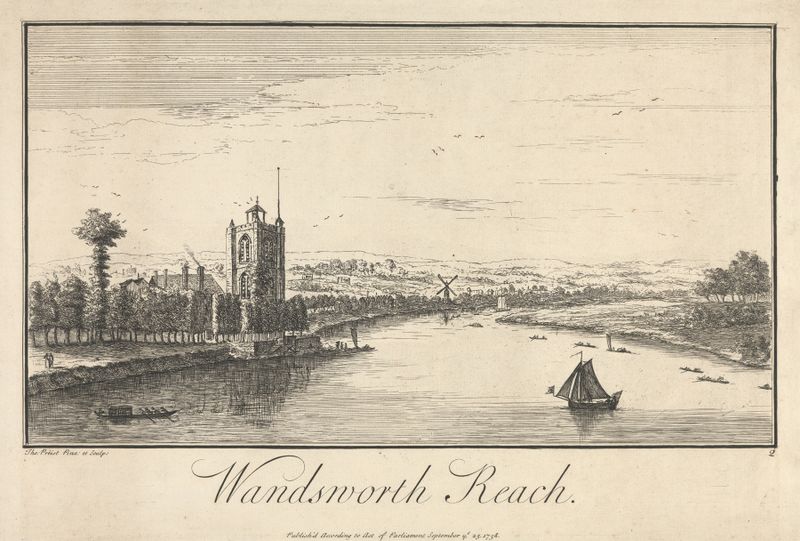
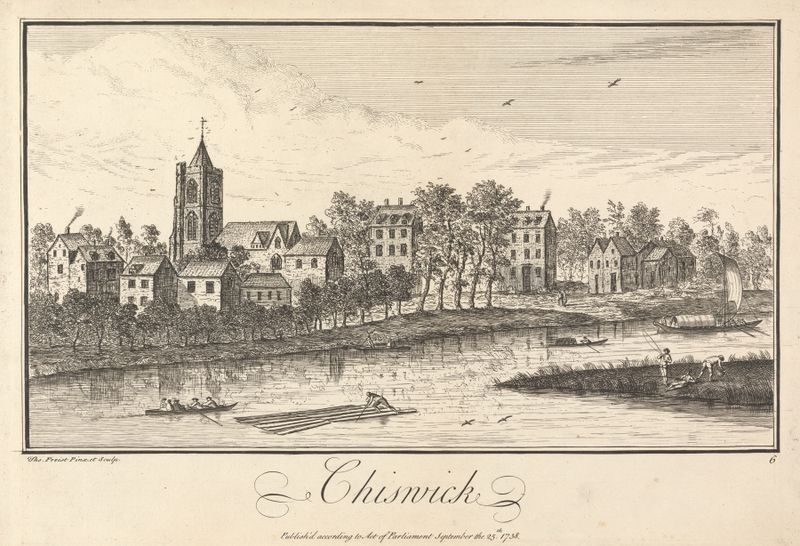
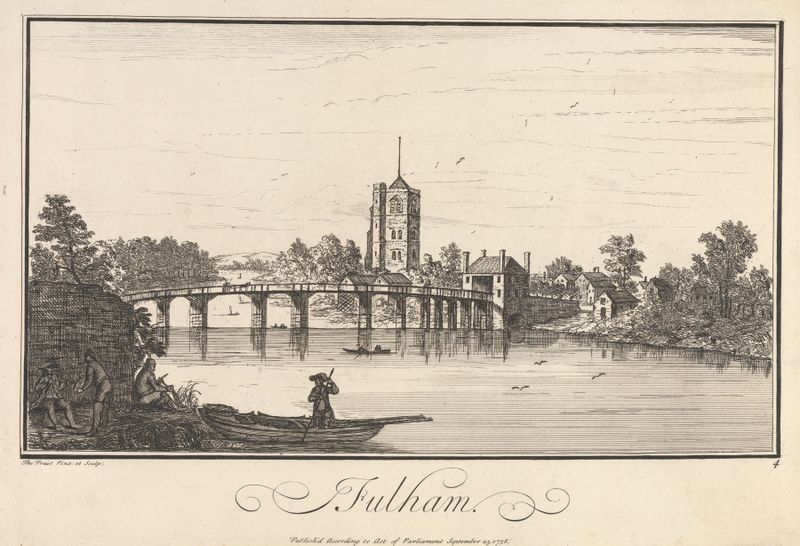
In the hush of a moment where silence reigns, the soul emerges, inviting deeper contemplation. Look to the foreground of Battersea, where the river meanders gently, its surface mirroring the serene sky above. Notice the soft hues of blue and gray that dominate the palette, evoking a sense of calm that contrasts with the structures in the background. The architecture, with its subtle lines and muted tones, stands stoically against the natural beauty, grounding the scene in a delicate balance between man and nature. Hidden within the tranquility of this landscape lies a tension between progress and nostalgia.
The looming presence of the Battersea Power Station hints at industrial advancement, yet the surrounding water and sky suggest a longing for the simplicity of nature. The small boats dotting the river serve as a reminder of human presence, while their quiet stillness reinforces the overall aura of contemplation. Each brushstroke offers a glimpse into the emotional landscape of a time grappling with change. In 1738, Thomas Preist created this piece during a period marked by evolving artistic sensibilities and shifting societal landscapes.
Living in England, he found himself amidst the burgeoning Industrial Revolution, which was reshaping the relationship between the environment and human endeavor. This artwork reflects not only his personal journey but also the collective experience of a world in transition, capturing the duality of progress and the enduring beauty of the natural world.