Putney — History & Facts
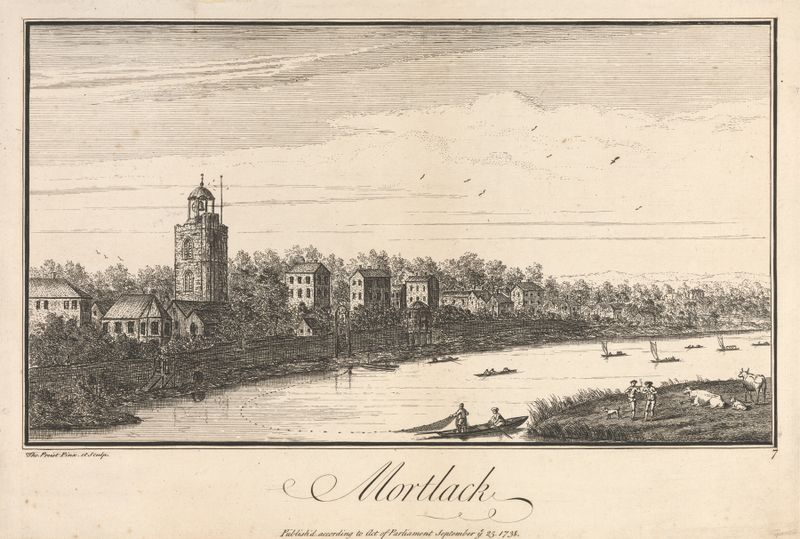
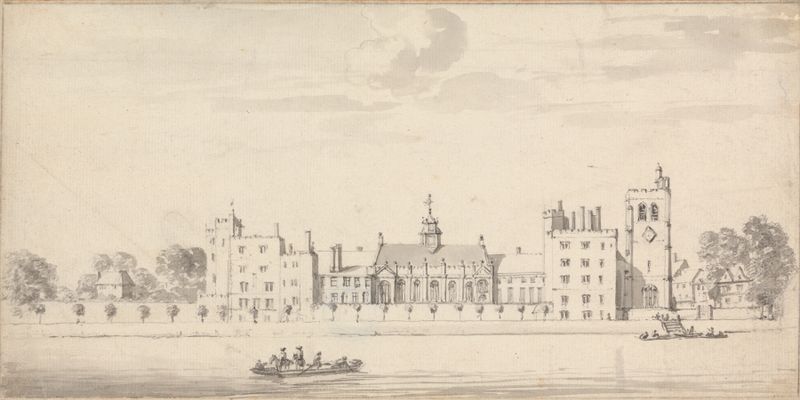
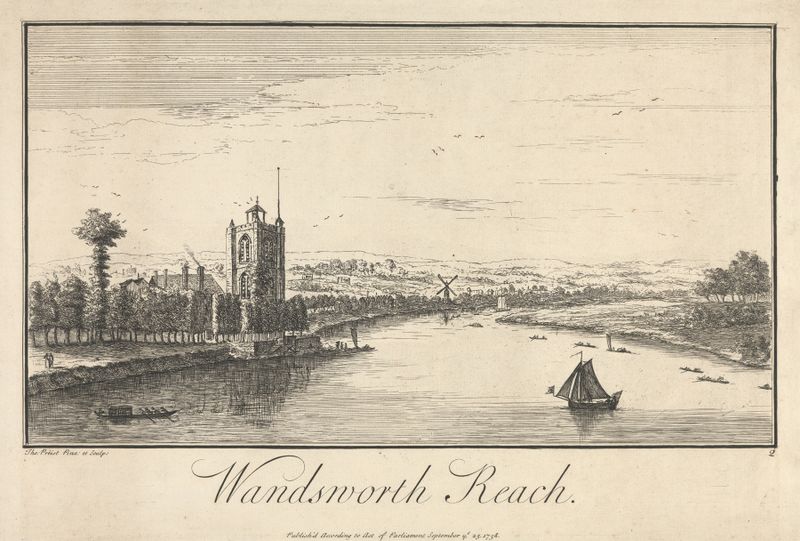
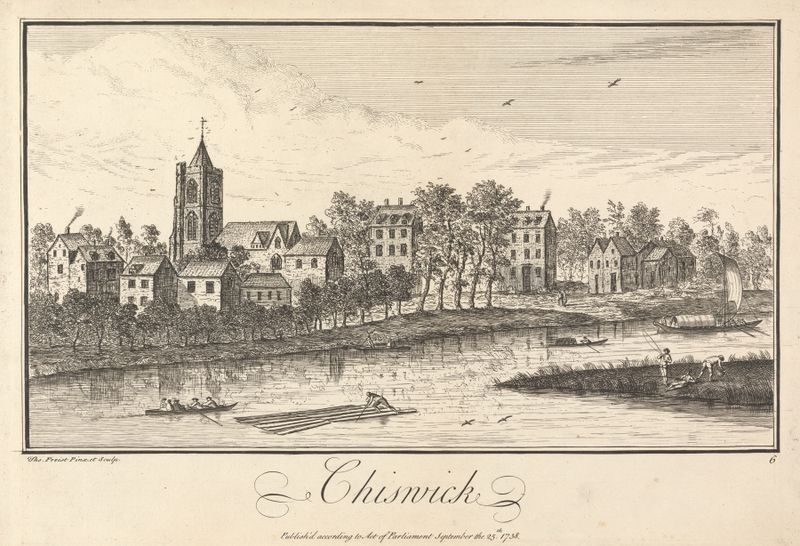
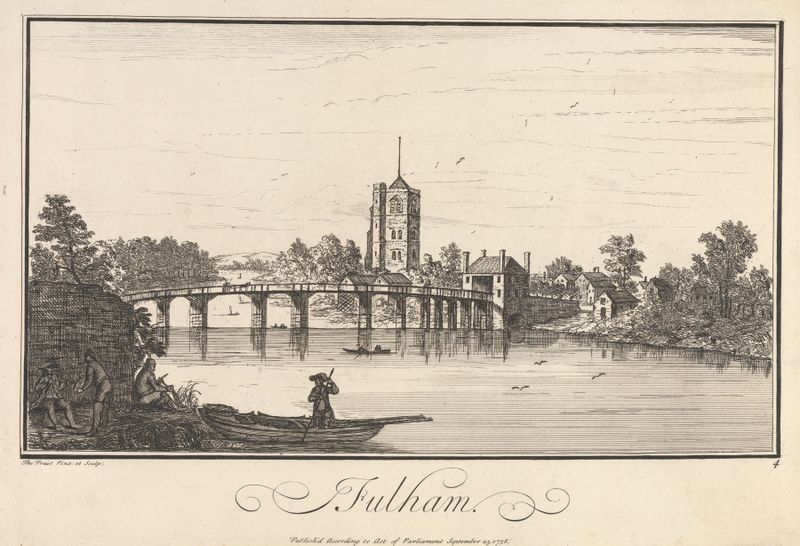
When did color learn to lie? In a world where hues whisper secrets and shadows cloak intentions, the truth of representation can often feel elusive, stirring a deep yearning within us. Look closely at the gentle palette employed in this piece, where muted earth tones resonate with a quiet intimacy. Focus on the interplay of light as it filters through the trees, casting dappled shadows on the ground and inviting your gaze to wander. Notice the way the brushwork flows, soft and fluid, guiding your attention toward the serene bodies of water that cradle the landscape—a reflection of both the natural world and the emotional depth lurking beneath. This artwork reveals a dichotomy between serenity and longing.
The stillness of the water hints at a profound silence, while the trees stand resolute yet seemingly restless, embodying the tension between stasis and the perpetual desire for movement. Small details, like the distant figures on the shore, evoke the presence of life even in absence, suggesting narratives of connection and separation that resonate with our innermost experiences. Thomas Preist created this work in 1738 during a period of transition in the art world, where the rise of landscape painting began to capture the imagination of artists and audiences alike. Working amidst an evolving artistic landscape, he sought to convey the beauty of the English countryside while exploring deeper emotional currents—an endeavor that reflects both his personal yearnings and the broader quest for authenticity in representation.