Mortlack — History & Facts
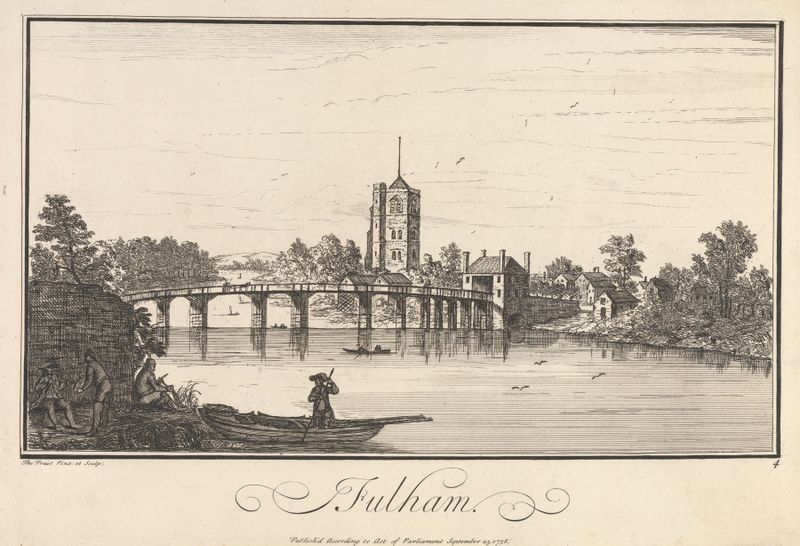
In the stillness of solitude, layers of emotion linger just beneath the surface, whispering tales of loneliness and longing. Focus first on the deep, muted palette that envelops the canvas, drawing you in like twilight's embrace. Notice how the brushstrokes create a delicate interplay of light and shadow, revealing textures that evoke a sense of age and wear. The composition is carefully balanced, leading your eye across the canvas, from the quiet foreground to the enigmatic backdrop where unspoken stories linger. The solitary figure captured within the confines of Mortlack exudes a profound sense of isolation, positioning them at the heart of an emotional landscape.
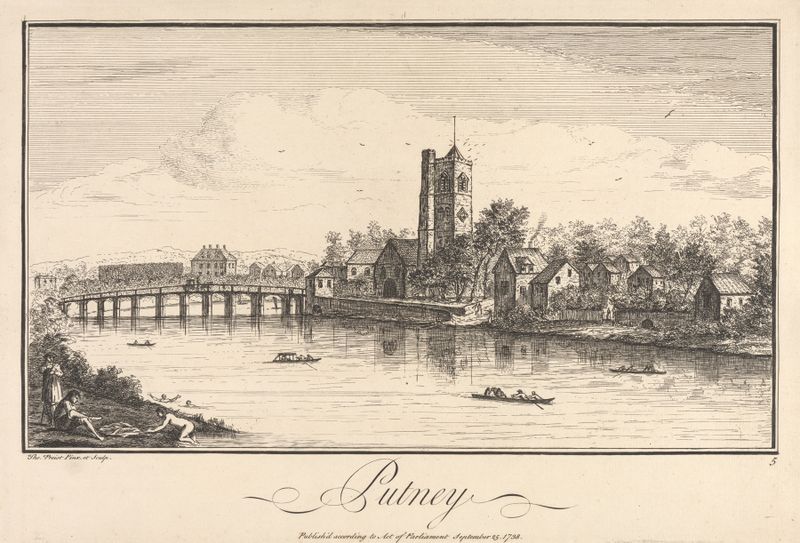
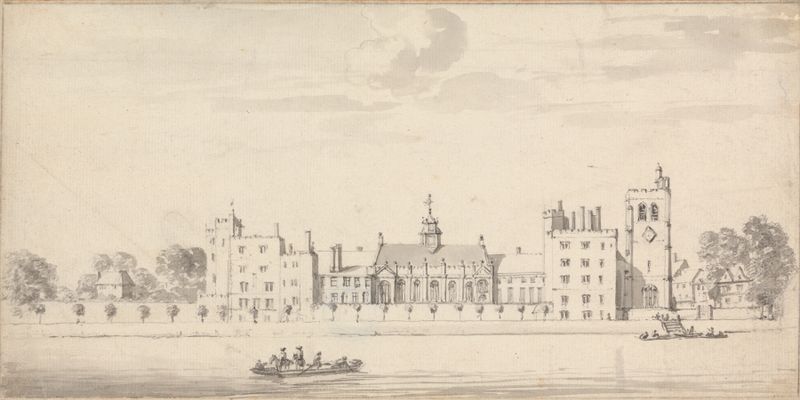
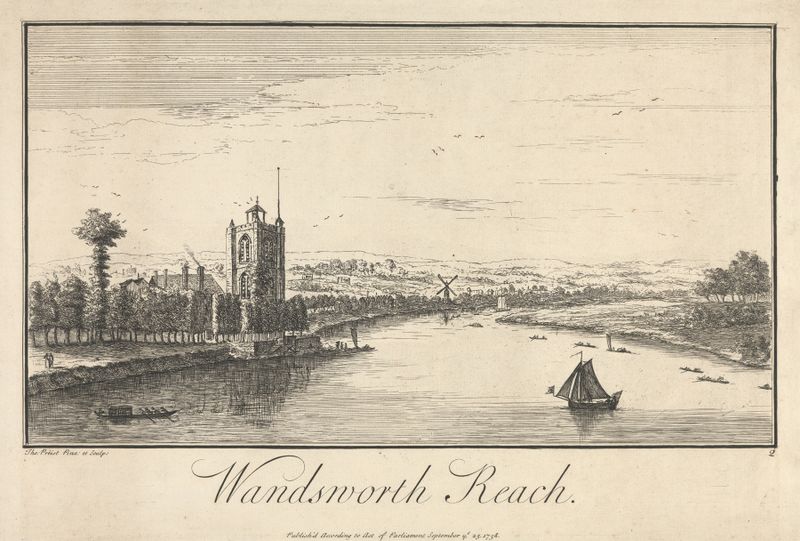
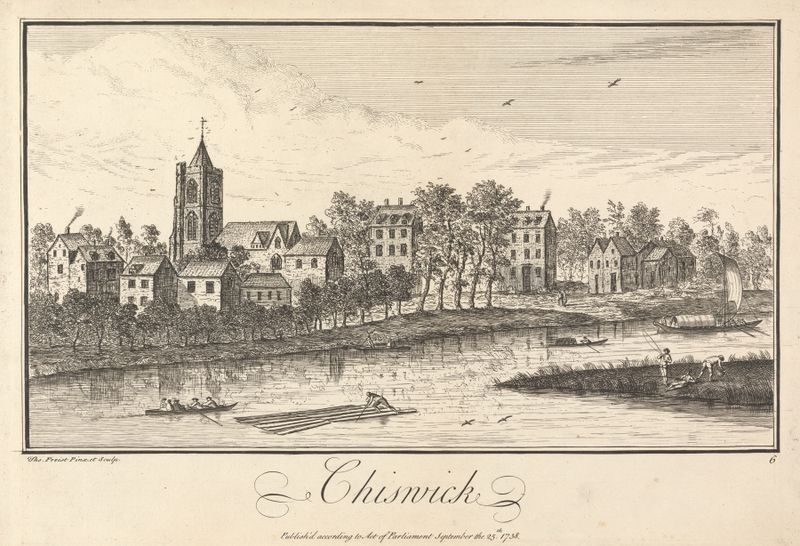
The tension between their stillness and the vibrant hues surrounding them speaks to the duality of existence—how even in the midst of color, one can feel starkly alone. Subtle details, like the slight tilt of the head or the gentle curve of the body, hint at an internal dialogue, inviting viewers to explore their own feelings of solitude. In 1738, Thomas Preist painted Mortlack during a time when the art world was moving toward greater expressionism and emotional depth. Living in England, Preist sought to capture the nuances of human experience, reflecting society’s evolving understanding of individuality.
His works often grappled with themes of isolation and introspection, positioning him as a unique voice amidst the burgeoning art movements of his time.