Fulham — History & Facts
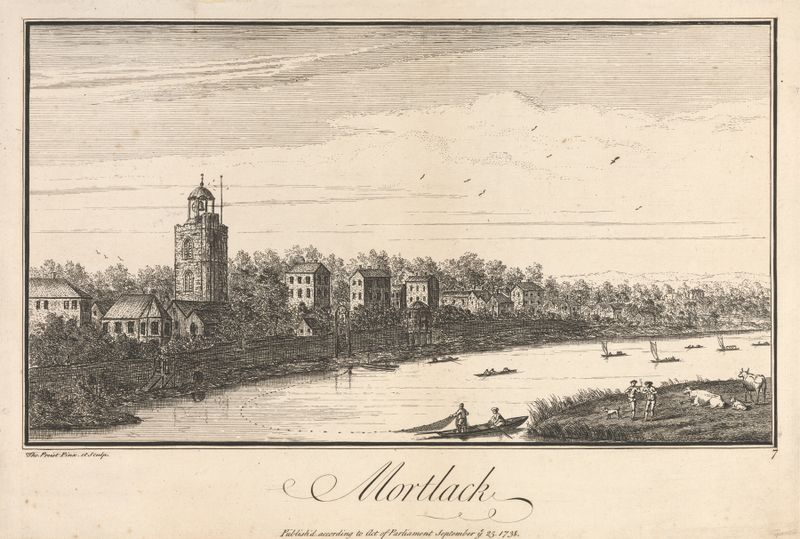
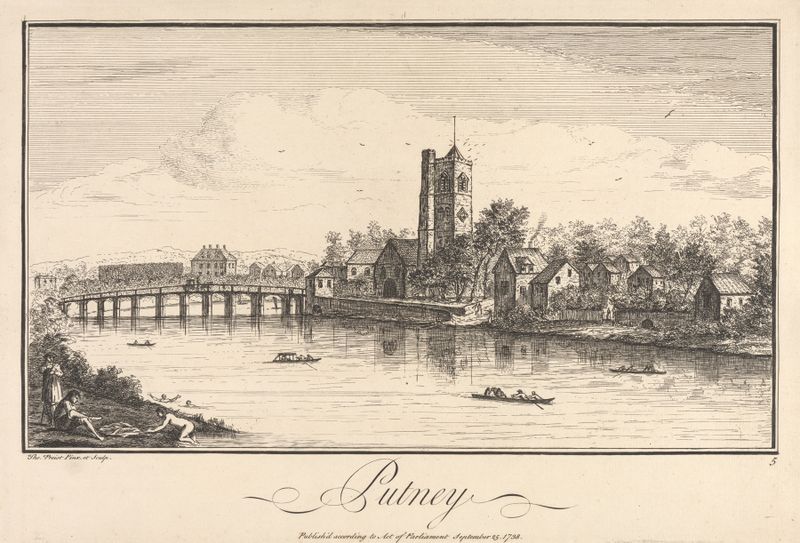
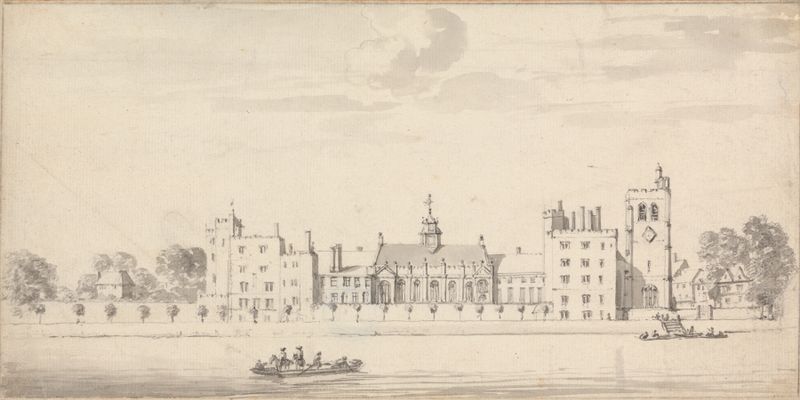
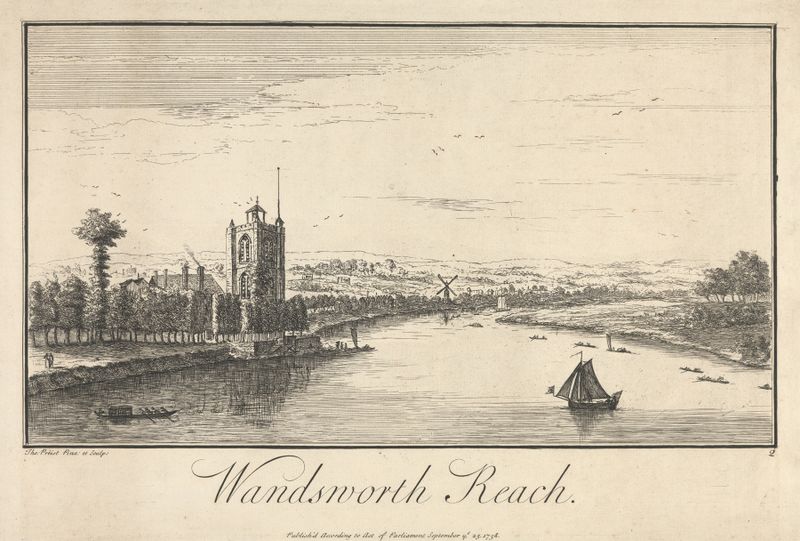
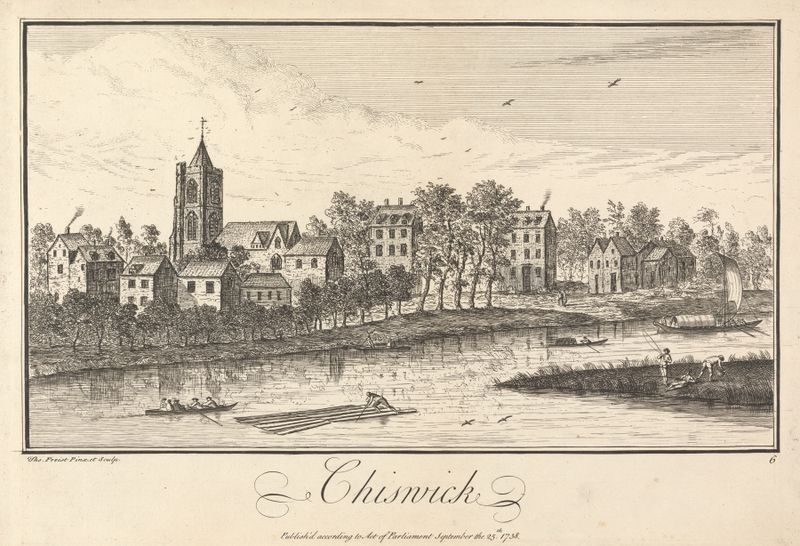
Can paint confess what words never could? In Fulham, chaos unfolds in a delicate dance of color and form, capturing a moment where beauty collides with disorder. Look to the left at the swirling brushstrokes that evoke a stormy sky, filled with ominous clouds that seem to twist and writhe. The lighter hues of the horizon offer a stark contrast, suggesting a fragile hope amidst turmoil. Notice how the vibrant greens of the foreground pulse with life, yet are interspersed with chaotic splashes of color that convey a sense of unrest, as if the very ground beneath is alive and shifting. The emotional tension lies in the juxtaposition of serenity and chaos.
The tranquil river reflects the tumultuous sky, mirroring the inner conflict often encountered in life. Additionally, the figures on the banks, engaged in their daily lives, seem oblivious to the brewing storm, hinting at the dissonance between human experience and the overwhelming forces of nature. Each brushstroke captures not just a scene but an entire narrative of existence, prompting the viewer to explore their own interpretations of turmoil and tranquility. Thomas Preist painted Fulham in 1738, during a period in which England was experiencing significant social and artistic changes.
Living in a time marked by the rise of the Enlightenment, Preist was influenced by both the emerging interest in nature and the complexities of human emotion. This painting reflects his engagement with the evolving landscape of English art, as well as his personal navigation through a world increasingly defined by contrast and chaos.