Chelsea — History & Facts
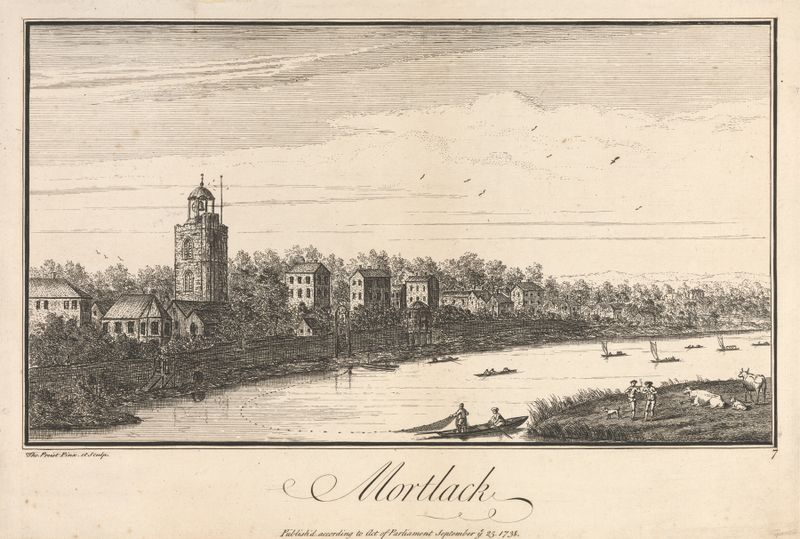
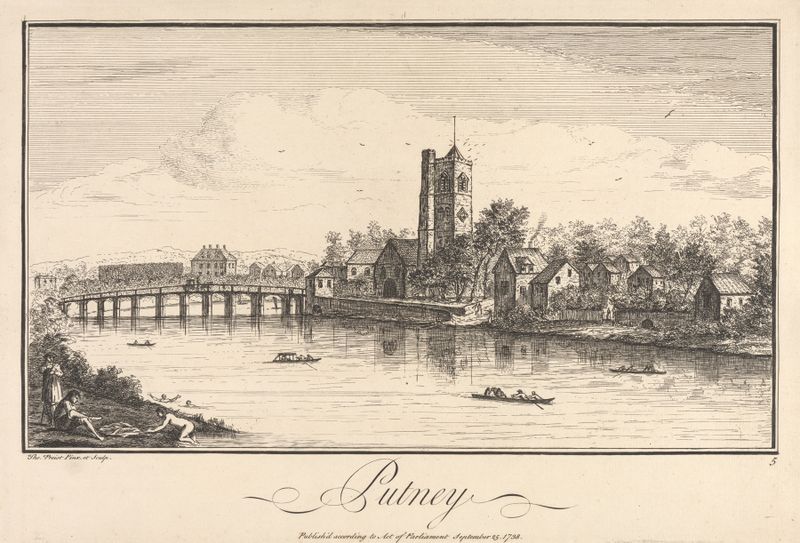
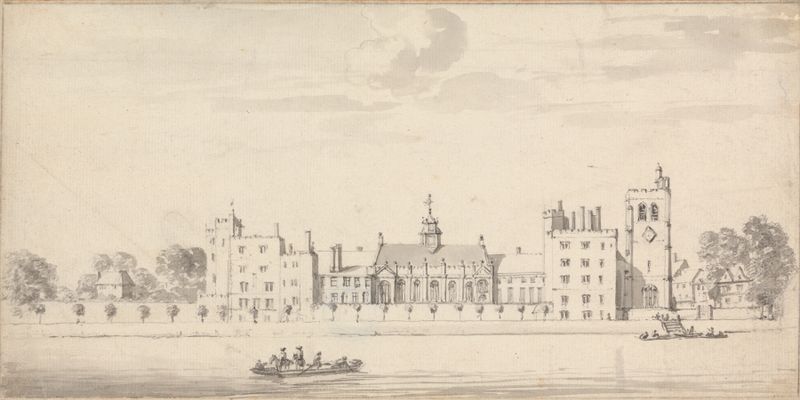
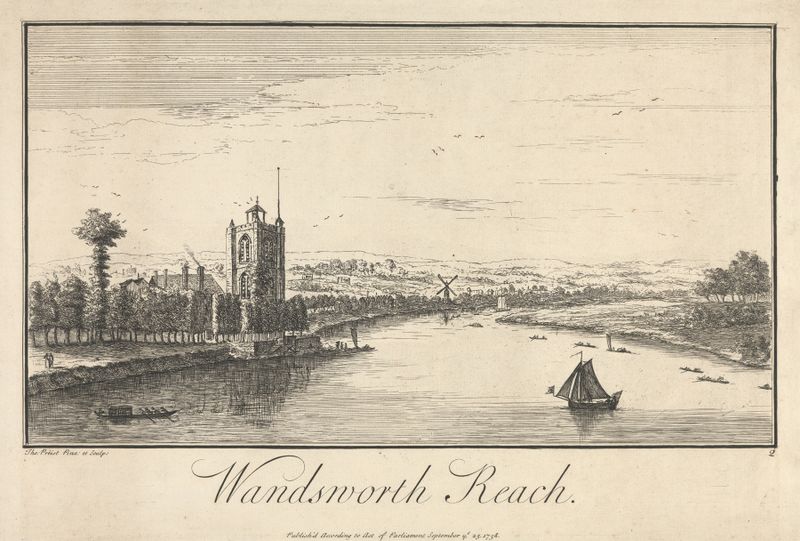
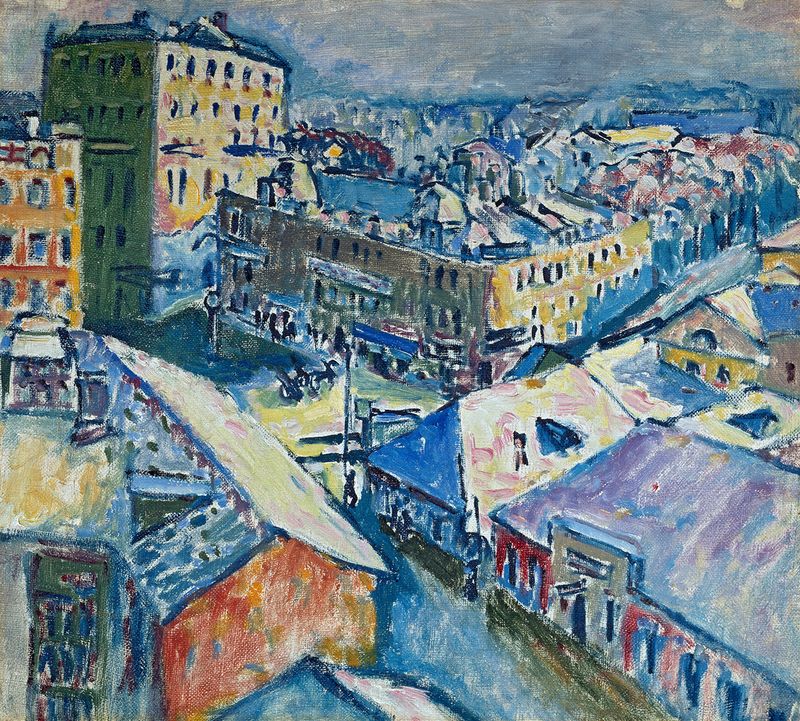
In the delicate interplay of color and form, a world unfolds where every stroke tells a story, and every nuance hints at deeper truths. The canvas invites us to pause, to linger, and to reflect on the layers of existence woven within its vibrant tapestry. Focus on the swirling blues and greens that dance across the canvas, guiding your gaze towards the tranquil river that snakes through the composition. Notice how the light glimmers upon the water's surface, creating an almost ethereal glow that contrasts against the rich, earthy tones of the surrounding landscape.
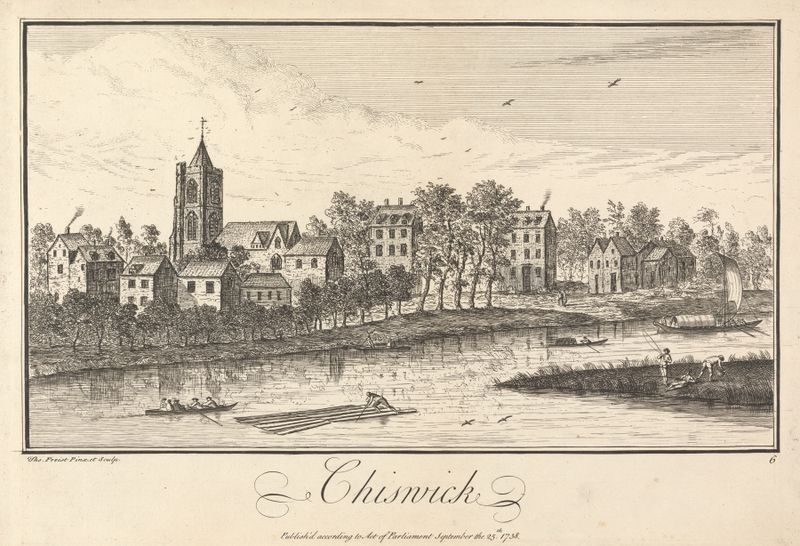
The meticulous brushwork draws you in, layering texture upon texture, as if inviting you to touch the very essence of nature’s serenity. Beneath this peaceful exterior lies a tension between stillness and movement, the chaos of nature captured in a moment of grace. Observe the subtle ripples in the water, echoing the undisturbed tranquility of the land, while hints of life—perhaps a distant figure or a fluttering bird—remind us that existence is never entirely static. This quiet harmony evokes a feeling of introspection, urging the viewer to consider their own reflections within the natural world. In 1738, during a time of artistic exploration and burgeoning appreciation for landscape painting, the artist embraced this transformative moment in Chelsea.
Living in the vibrant milieu of early 18th-century England, they found inspiration in the picturesque surroundings and the deepening connection between humanity and nature. As the world began to appreciate the nuances of light and color, this work marked a significant step in the artist's journey, encapsulating a harmony that resonates through time.