Chiswick — History & Facts
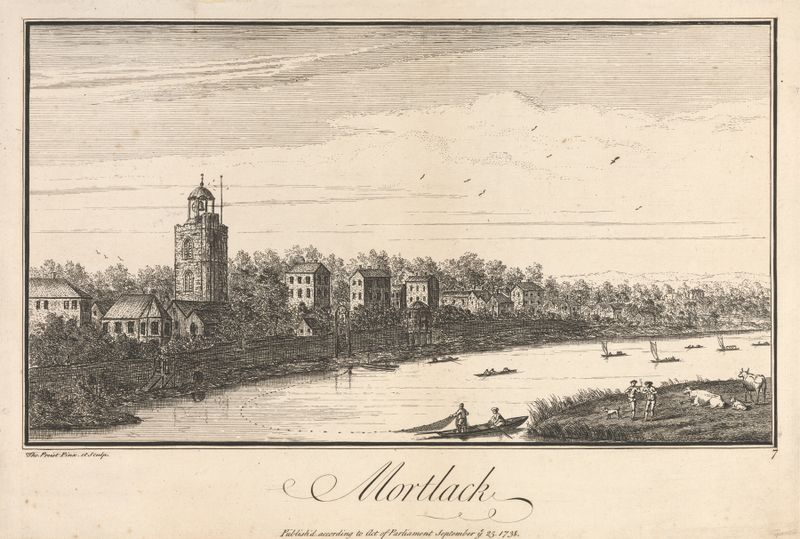
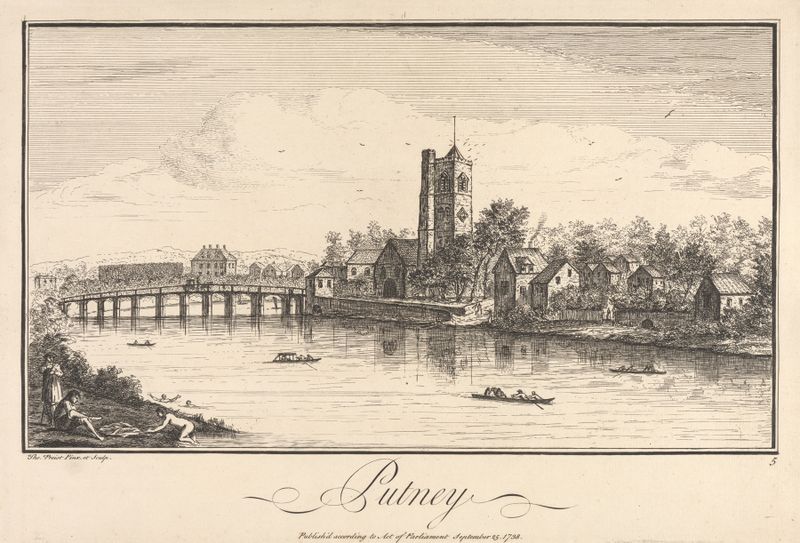
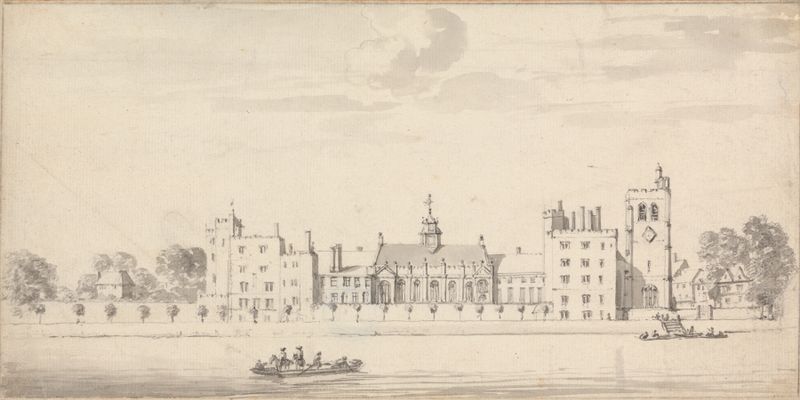
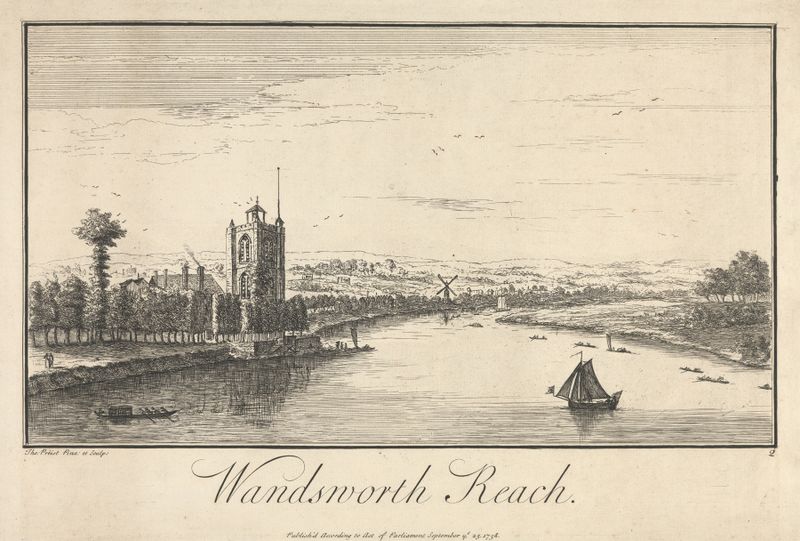
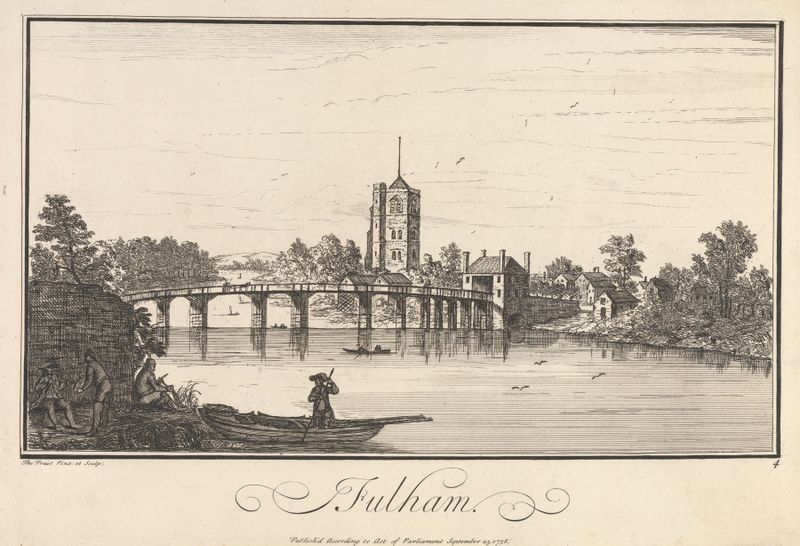
Can beauty exist without sorrow? In Thomas Preist's Chiswick, the answer emerges quietly, nestled within the delicate interplay of light and shadow. Look to the left at the gracefully arching trees, their leaves dappled with sunlight, inviting you into a serene landscape. The soft greens and earth tones are punctuated by flecks of pastel hues, while the gentle brushstrokes evoke a sense of tranquility. Notice how the horizon stretches into a tranquil sky, where the clouds seem to whisper secrets of the day.
Such harmonious composition draws the eye to the tranquil water, mirroring the scene with serene fidelity, as if holding a mirror to the fleeting moments of life. Yet, hidden beneath this idyllic facade lies an undercurrent of tension. The stillness of the pond suggests a world paused, a moment caught between the beauty of nature and the inevitability of time’s passage. The delicate balance between the lush greenery and the looming shadows hints at an unspoken sorrow — a reminder that all beauty is transient.
Each stroke serves not only to depict a scene but to resonate with the viewer's own emotional landscape, echoing the duality of joy and melancholy. In 1738, Thomas Preist painted Chiswick amidst a flourishing period of English landscape painting, where artists like him sought to capture the sublime beauty of nature. Living in a time of political unrest and social change, Preist's work reflects a desire for solace and peace, providing an escape into a realm where the elegance of nature reigns supreme. His artistry speaks to a collective yearning for connection with the serene beauty of the world, even as it grapples with an underlying sense of loss.