Wandsworth Reach — History & Facts
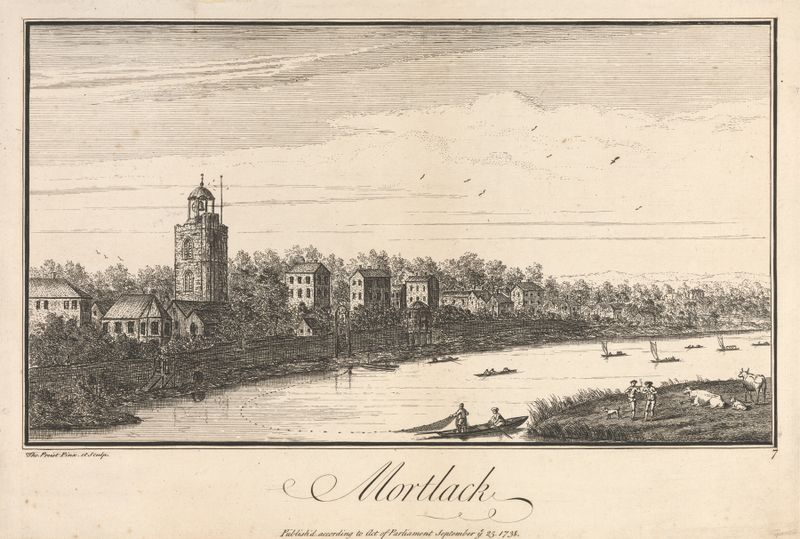
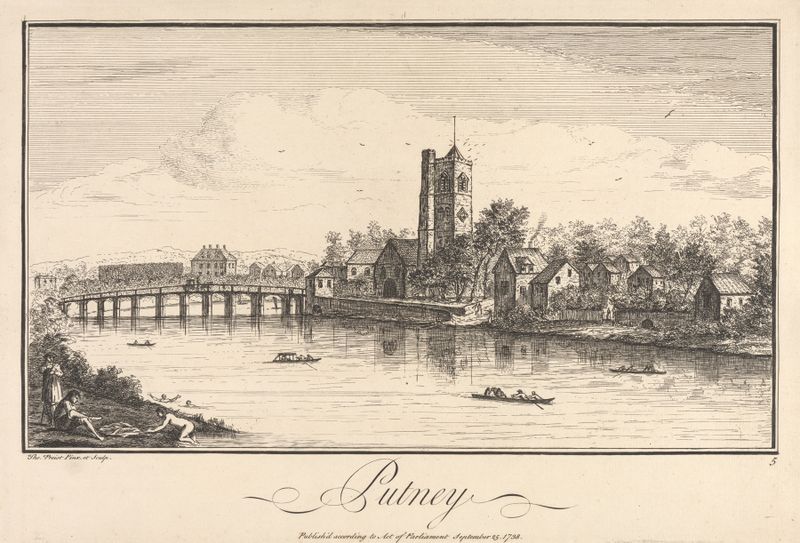
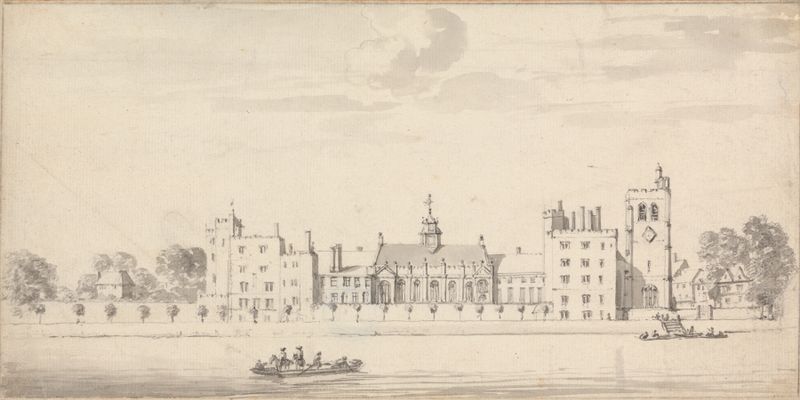
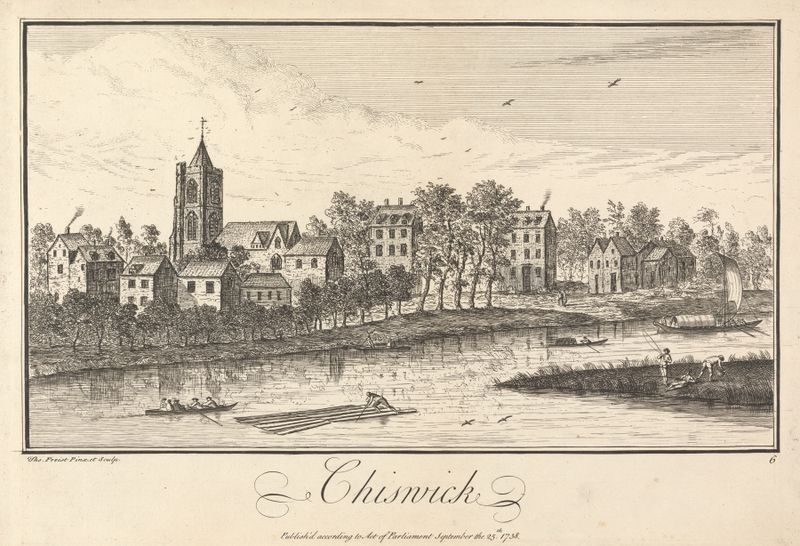
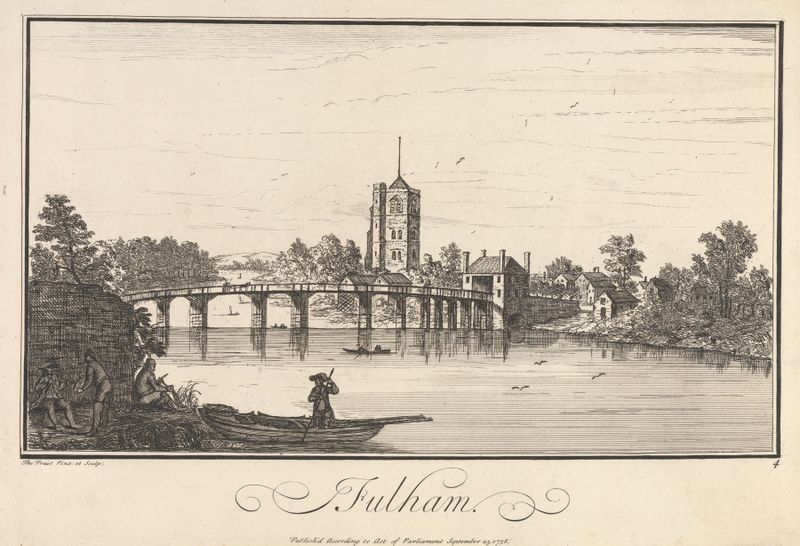
When did color learn to lie? In Wandsworth Reach, an illusion unfolds, prompting a conversation between reality and perception—where the boundaries dissolve amidst shimmering hues. Look first to the tranquil embrace of the riverscape, where the gentle flow of water reflects the vibrant palette of blue and green. The brushstrokes dance across the canvas, inviting the viewer to explore the interplay of light and shadow, masterfully depicting the fleeting moment of dusk. Notice how the warm, golden sunlight spills over the horizon, casting elongated shadows that hint at the passage of time, illuminating the delicate features of the trees lining the riverbank. Yet, beneath the surface, a tension brews; the stillness of the scene belies a sense of urgency.
The swirling currents suggest that what appears serene may harbor unseen depths. The juxtaposition of the calm water and the vibrant sky evokes an unsettling dichotomy, as though the landscape is a theater for both beauty and deception—inviting us to question our understanding of tranquility. Each detail, from the rippling reflections to the distant figures appearing small against the vastness, subtly reminds us that our perceptions can be as slippery as the water depicted. Created in 1738, the artist painted this piece during a time of great change in England.
The early 18th century marked the rise of the picturesque movement in art, as artists began to challenge traditional notions of beauty. Preist, working in a period influenced by the burgeoning Romanticism, sought to capture not just the physical beauty of Wandsworth Reach but also the emotional resonance of nature, juxtaposing the idyllic with the notion of illusion that permeated the cultural landscape.