Isleworth — History & Facts
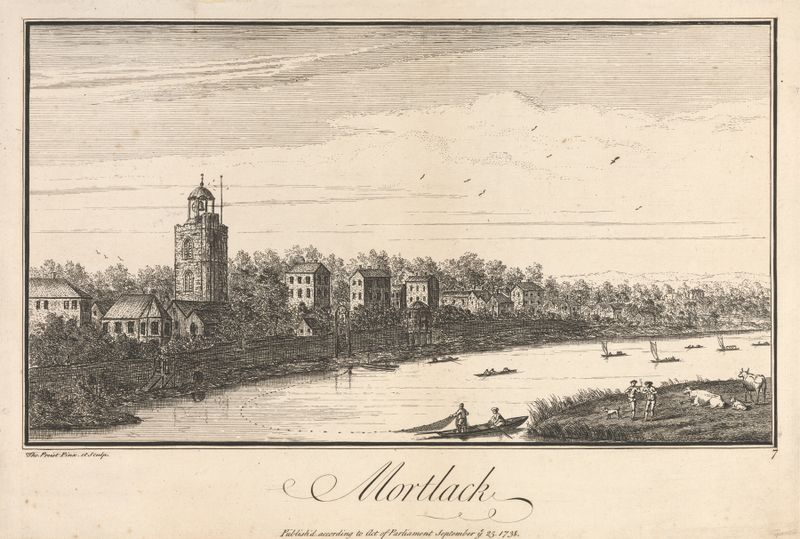
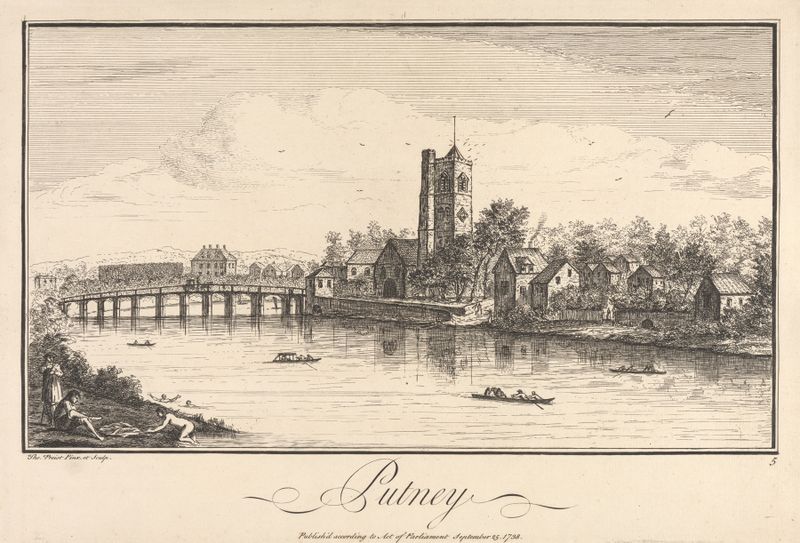
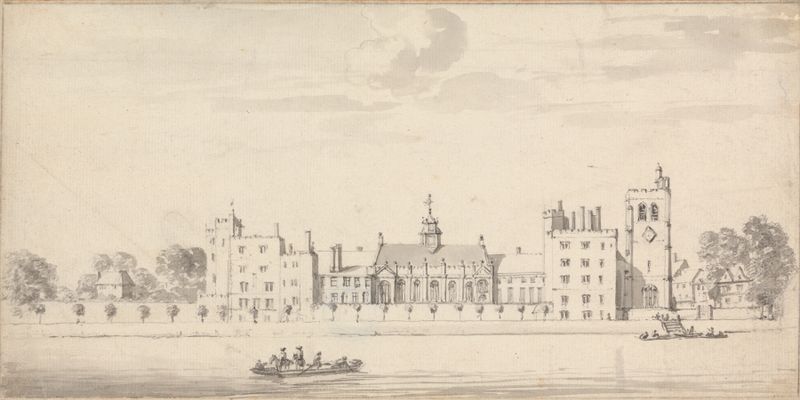
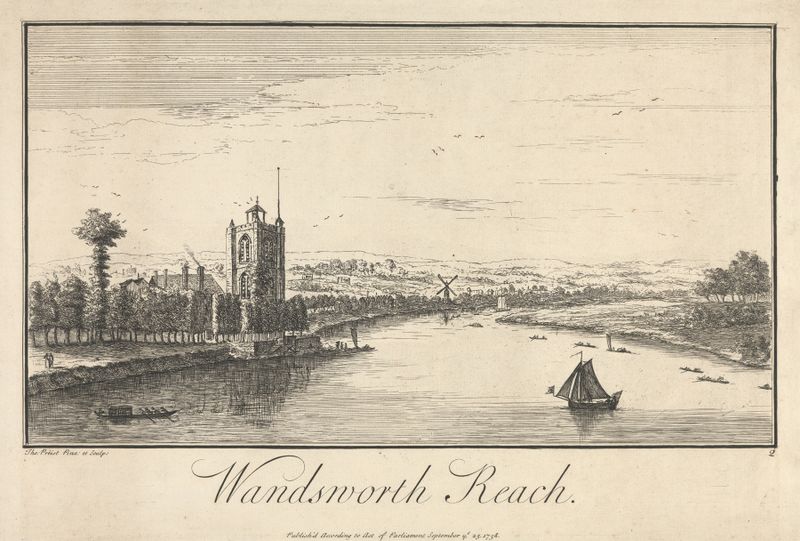
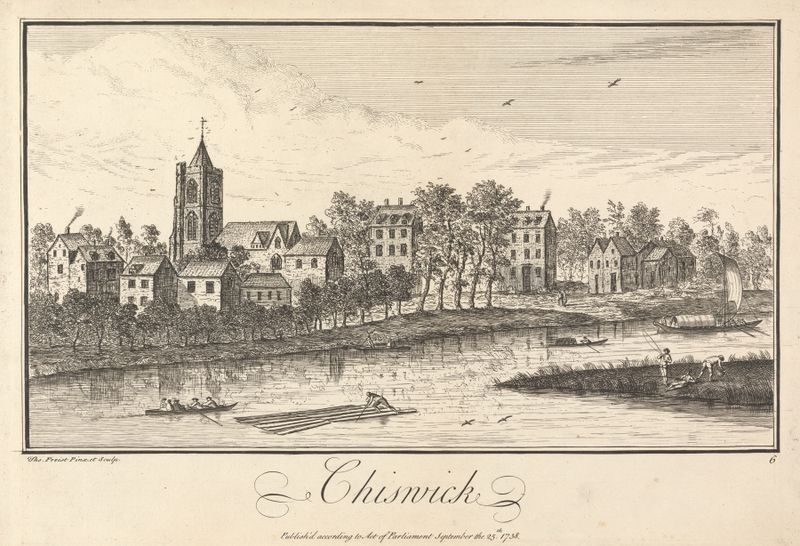
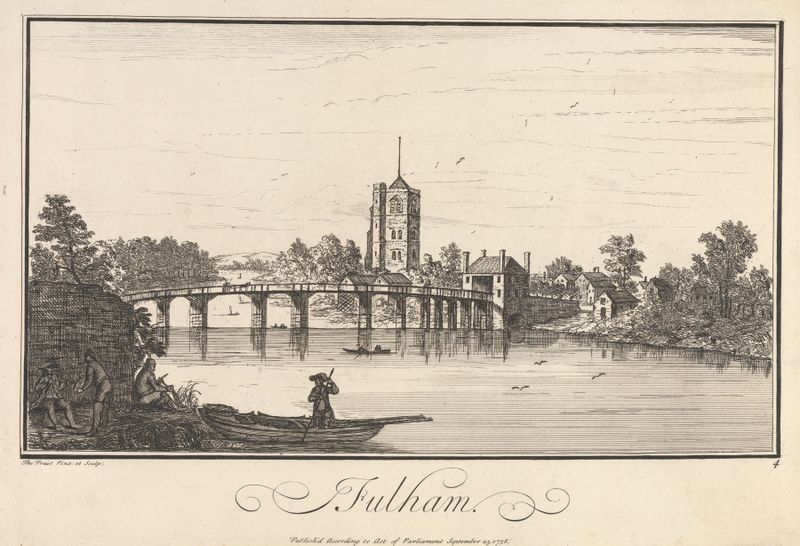
What if beauty was never meant to be finished? In Isleworth, the delicate interplay of landscape and light invites reflection on the fleeting nature of perfection. Look to the left at the soft embrace of the water, where gentle ripples mirror the sky’s pastel hues. Notice how the sun casts a warm glow, illuminating the verdant foliage that frames the scene, each brushstroke perfectly capturing the essence of tranquility. The horizon melts into a hazy blue, guiding the eye toward the depth of the painting, while the subtle blending of colors creates a harmonious balance that evokes serenity. Beneath its serene surface, the artwork reveals layers of fragility.
The ethereal clouds seem to hang precariously, suggesting that beauty can vanish in an instant. The winding path, inviting yet uncertain, reflects the journey of life — full of choices and impermanence. This interplay between stability and transience renders a poignant reminder of the vulnerability inherent in all things beautiful. Thomas Preist created Isleworth in 1738 while living in London, a time when the art world was embracing the ideals of the Enlightenment.
Influenced by the pastoral tradition, he sought to capture the essence of nature while navigating his own artistic identity amid the shifting styles of the period. The work stands as a testament to his exploration of beauty, revealing both the artist's personal journey and the larger currents of his time.