
Beach at Beverly — History & Facts
When did color learn to lie? The play of light and hue dances upon the canvas, whispering secrets of truth and illusion, drawing us into a world both familiar and elusive. Look to the left at the shimmering waves, where delicate strokes of blue and white coalesce, creating an enticing rhythm that invites the viewer to step closer. The gentle curve of the shoreline, framed by an expanse of soft, sunlit clouds, pulls your gaze deeper into the tranquil scene. Notice how the golden glow reflects on the water's surface, infusing the space with warmth, while the cool tones along the horizon evoke a sense of serene distance.
The composition balances the vividness of nature with a subdued palette, hinting at the harmony found in the interplay of light and shadow. The painting reveals a juxtaposition between the excitement of nature’s vibrancy and the stillness of a moment captured in time. Each brushstroke suggests the fleeting quality of sunlight, a metaphor for the transience of life and faith. The gentle ripples may evoke a sense of hope, while the vastness of the ocean hints at life's uncertainties, reminding us that beauty often exists alongside ambiguity. In the years surrounding its creation between 1869 and 1872, the artist found himself immersed in the Hudson River School, a movement that championed American landscapes.
Kensett, living in New York, was influenced by the burgeoning appreciation of nature in art, seeking to capture the sublime and tranquil moments of the natural world. During this period, he was focused on developing his distinctive style, which emphasized the interplay of light and atmosphere, marking a significant evolution in his artistic journey.
More Artworks by John Frederick Kensett
Browse all →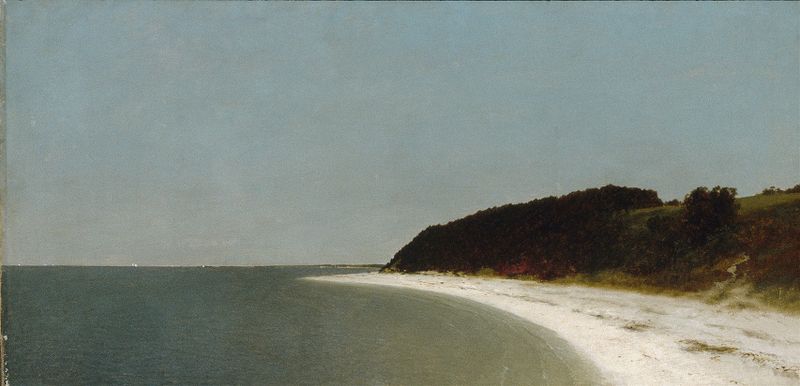
Eaton’s Neck, Long Island
John Frederick Kensett
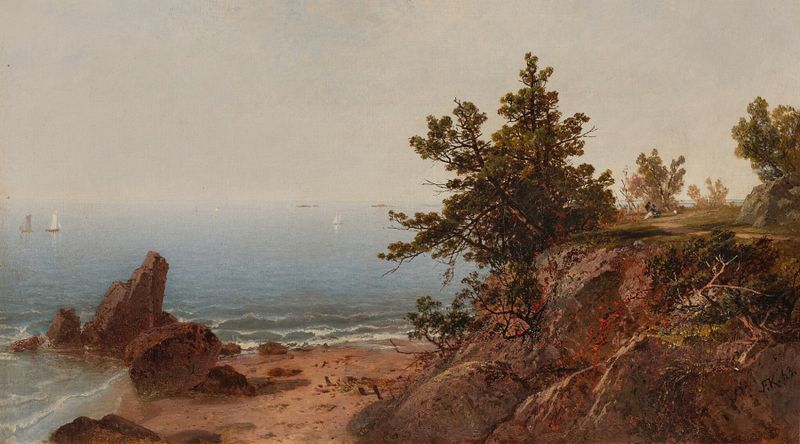
View from the Cliff (Noon on the Seashore)
John Frederick Kensett
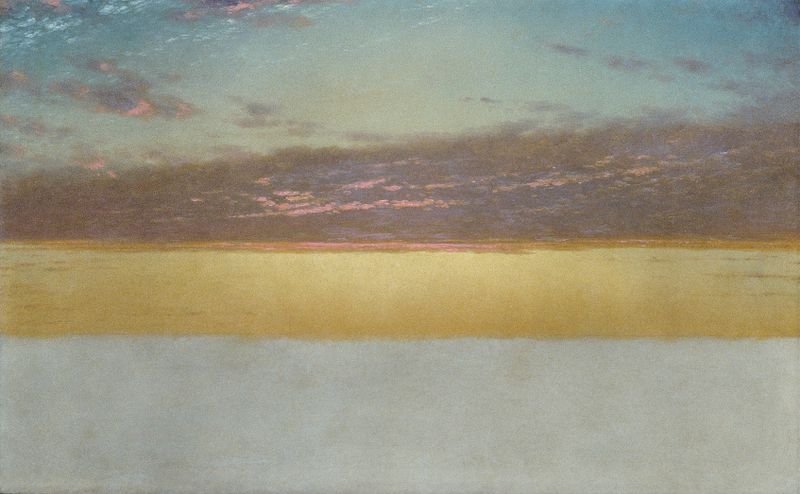
Sunset Sky
John Frederick Kensett
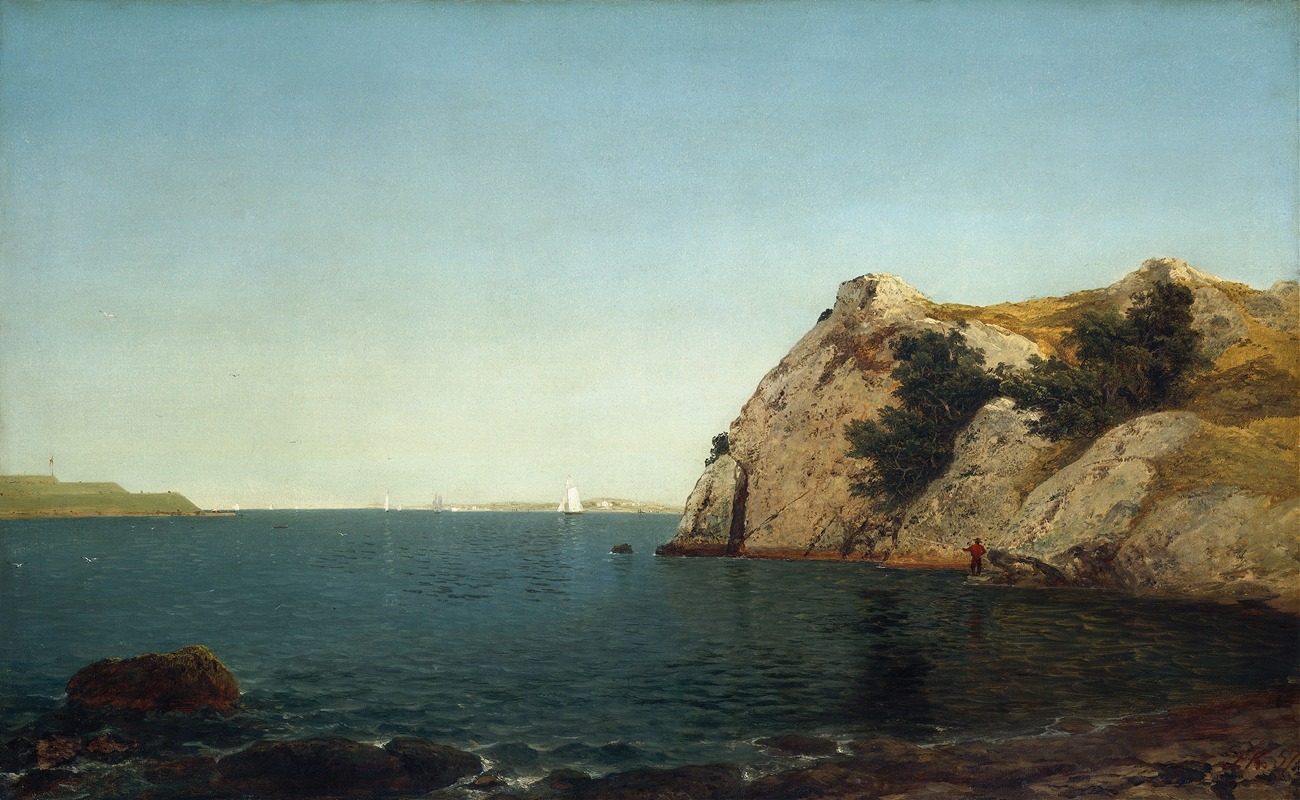
Near Newport
John Frederick Kensett
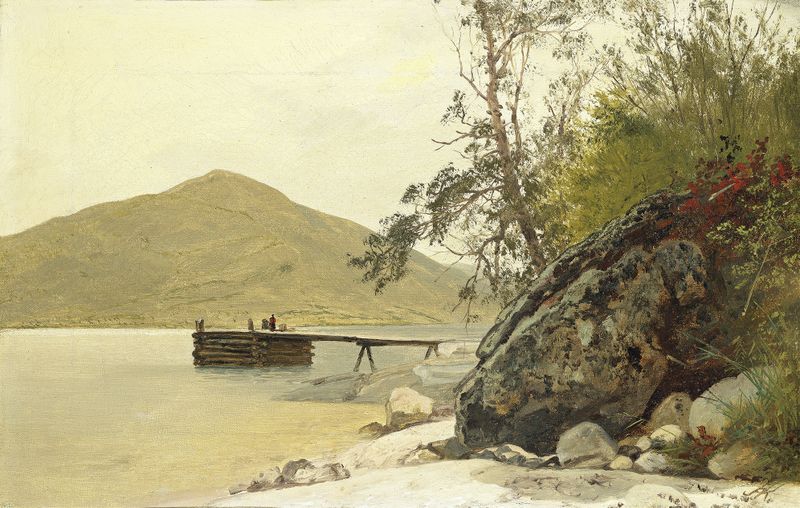
Landing at Sabbath Day Point
John Frederick Kensett
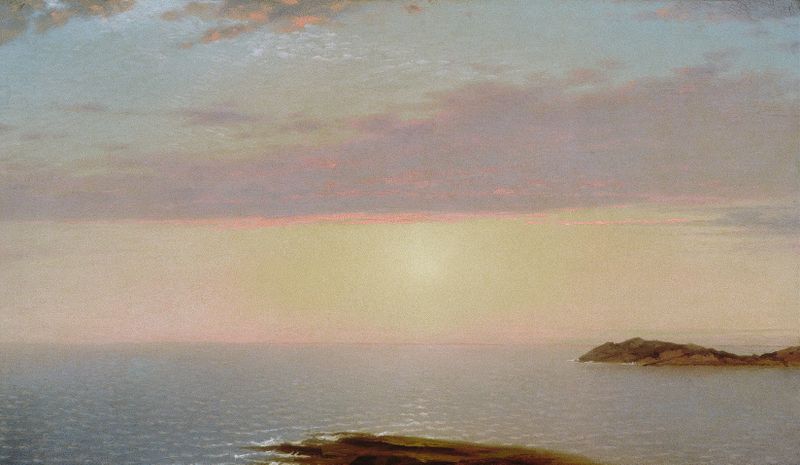
Sunset
John Frederick Kensett
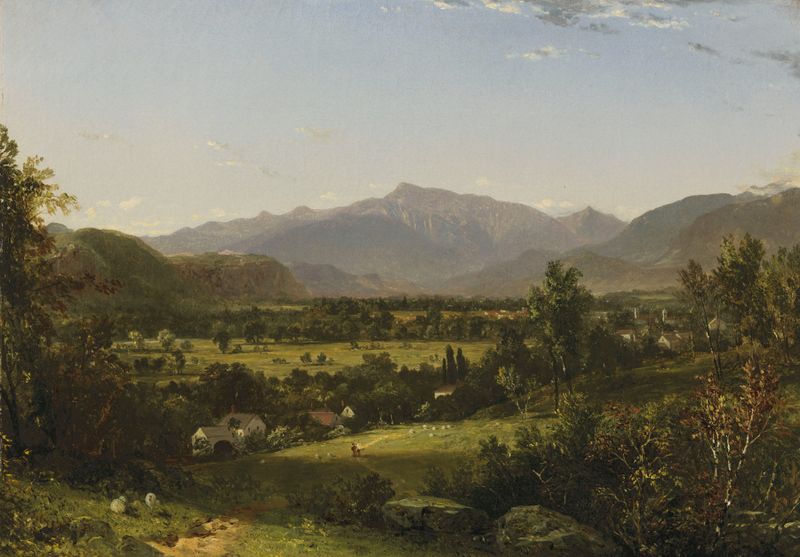
Mount Washington from North Conway
John Frederick Kensett
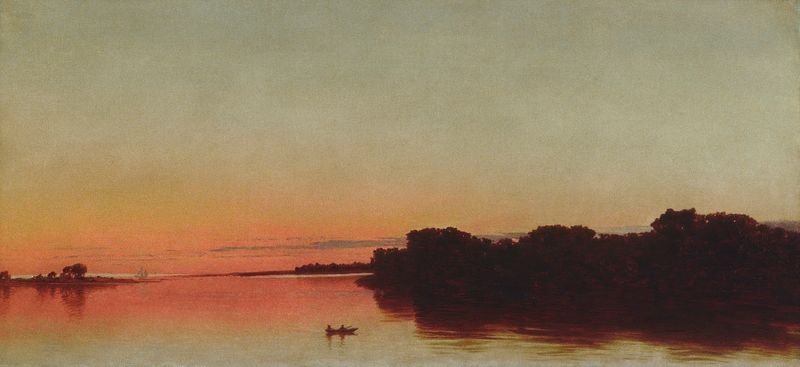
Twilight on the Sound, Darien, Connecticut
John Frederick Kensett
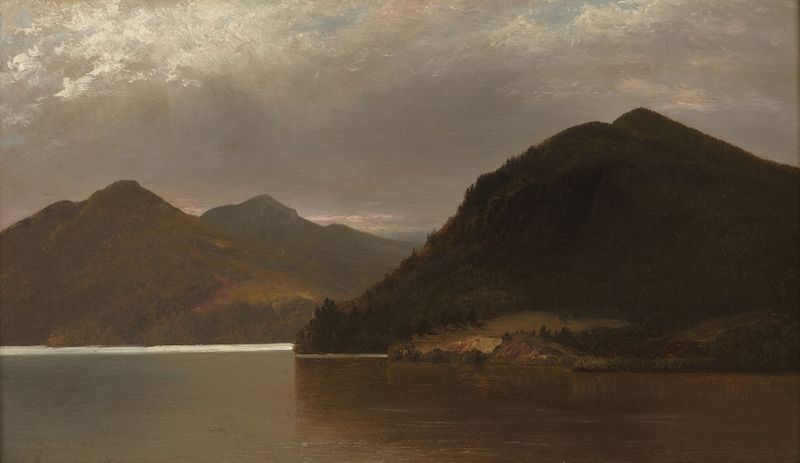
Lake George
John Frederick Kensett
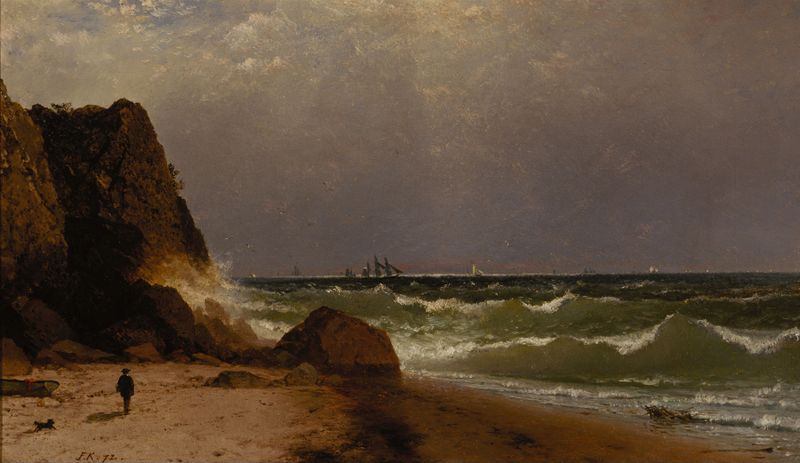
Near Newport, Rhode Island
John Frederick Kensett





