
Beaux-Arts de Carcassonne - Les lavandières - Armand Guillaumin — History & Facts
Sunlight pours over a quiet village lane, drawing the eye to the two women bent over their washing at the water’s edge. The brushwork is loose, almost hurried, yet every stroke seems to catch the rhythm of daily life: the women’s figures are hunched in concentration, their gestures mirrored in the rippling reflection below. A third figure, upright and purposeful, balances a load on her head as she makes her way up the golden path toward a cluster of pale-walled houses.
The palette is warm and earthy, with flashes of red and green that animate the tranquil scene and hint at the season’s turning. This is not a grand narrative, but a moment suspended—work, sunlight, and the gentle order of an afternoon. Scenes like this, painted in the late nineteenth and early twentieth centuries, were the domain of artists drawn to the changing rhythms of rural France. Painters such as Armand Guillaumin—whose name this work bears—often turned their attention to the humble realities of village life, capturing the light and labor that shaped the countryside.
These pictures were rarely royal commissions; instead, they found patrons among the growing middle class, eager for images that reflected both nostalgia and the beauty of the everyday. Though little is recorded about this specific painting, now in the Beaux-Arts de Carcassonne and documented as photographed in 2018, it stands as a quiet witness to a world in transition. Look again at the play of shadow and sun, and you may sense the quiet dignity of lives lived in step with the land.
More Artworks by Armand Guillaumin

La Seine À Charenton
Armand Guillaumin
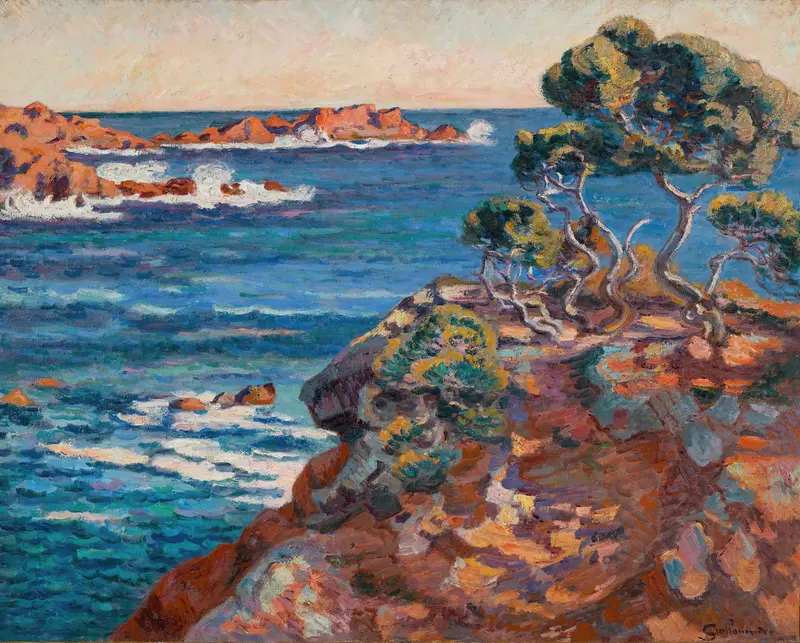
Bord De Mer À Agay
Armand Guillaumin
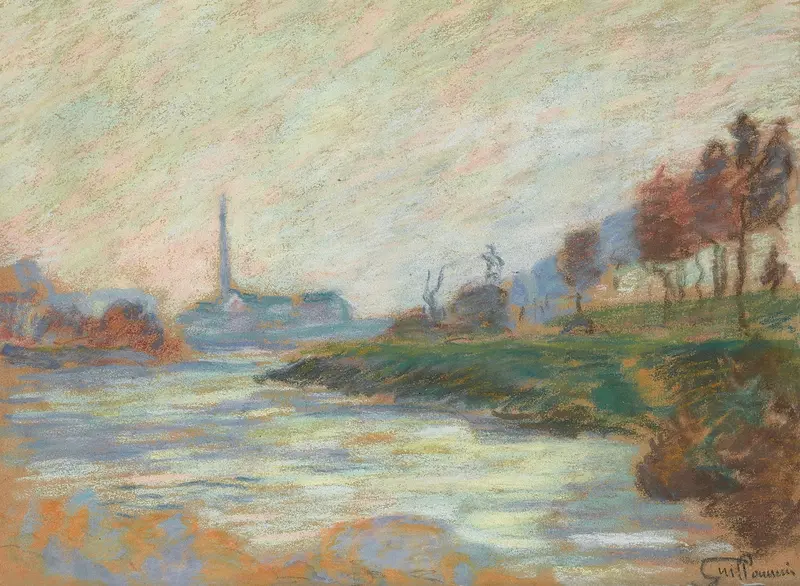
Confluent De La Marne Et De La Seine, Île De La France
Armand Guillaumin
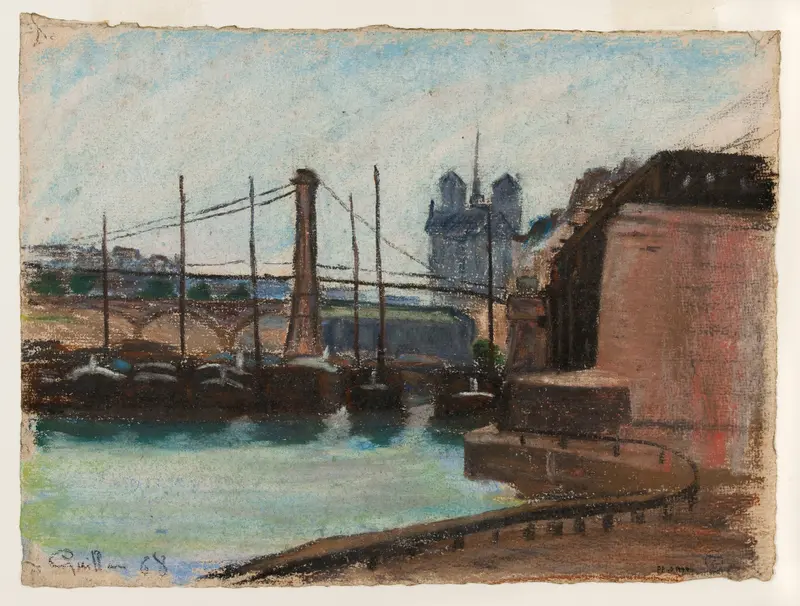
Le Pont d’Austerlitz
Armand Guillaumin
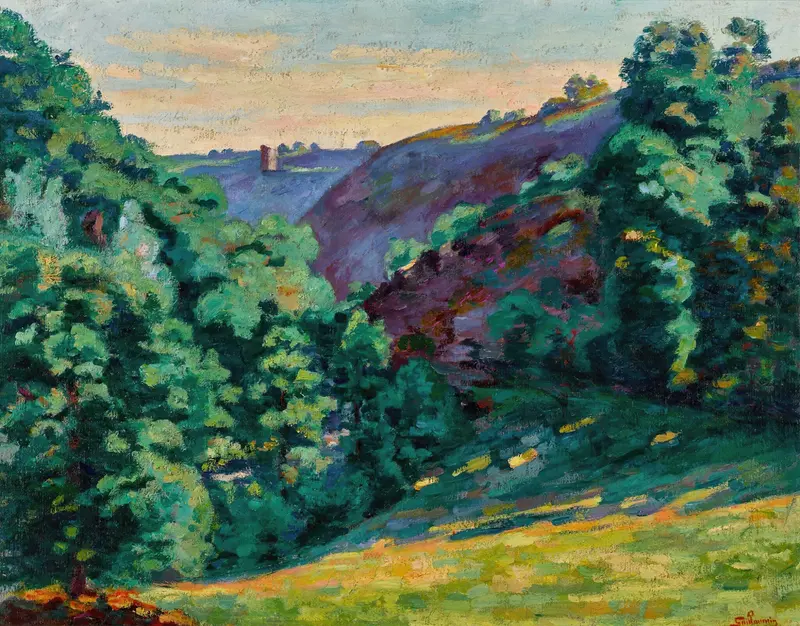
Le Ravin de la folie, vue de Chateau Crozant
Armand Guillaumin
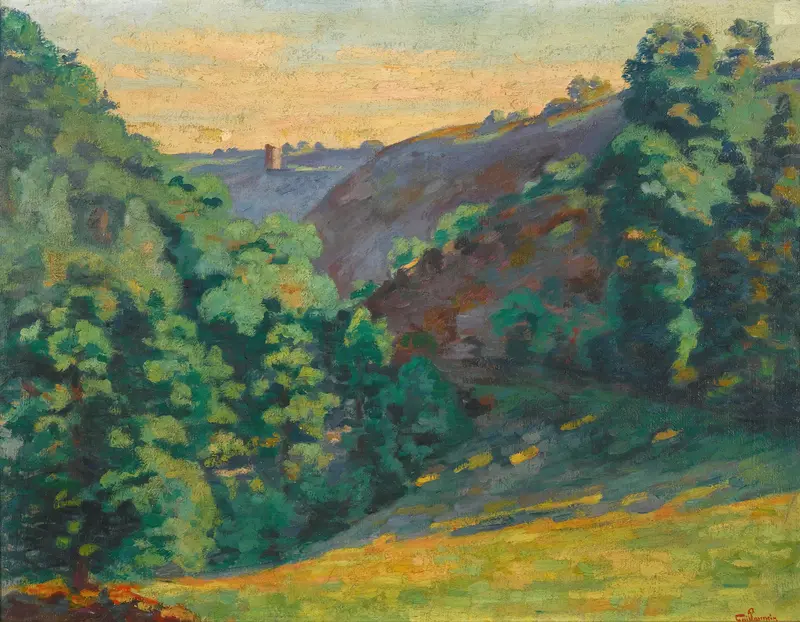
Crozant, Le Ravin De La Sedelle À La Folie
Armand Guillaumin
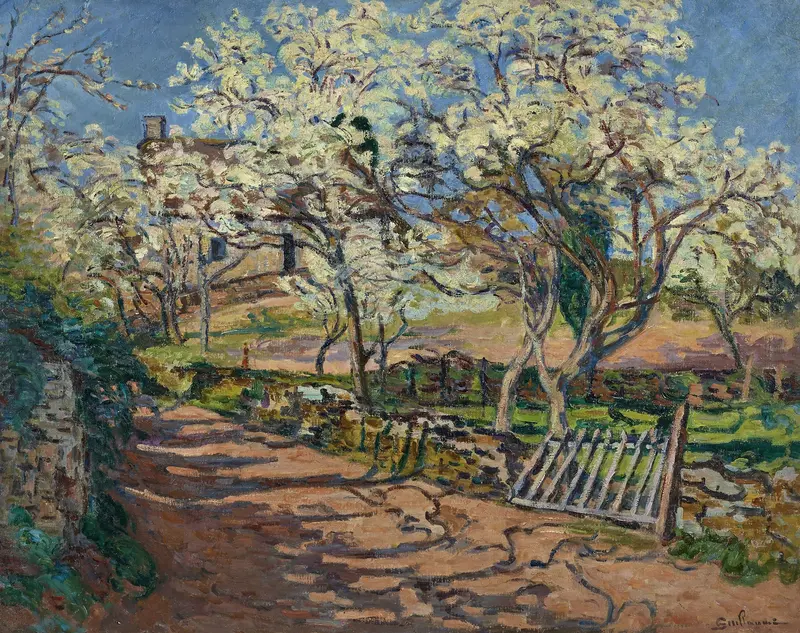
Paysage de Printemps
Armand Guillaumin
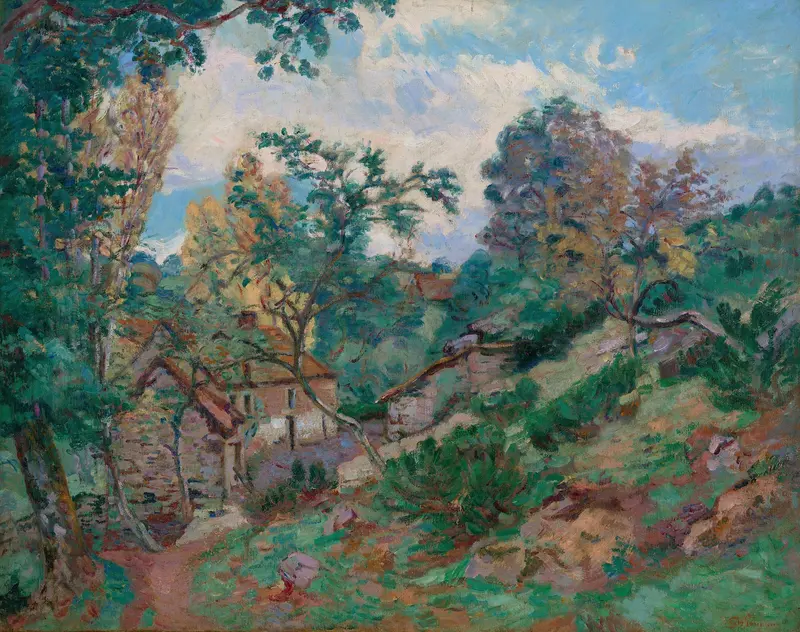
Paysage
Armand Guillaumin
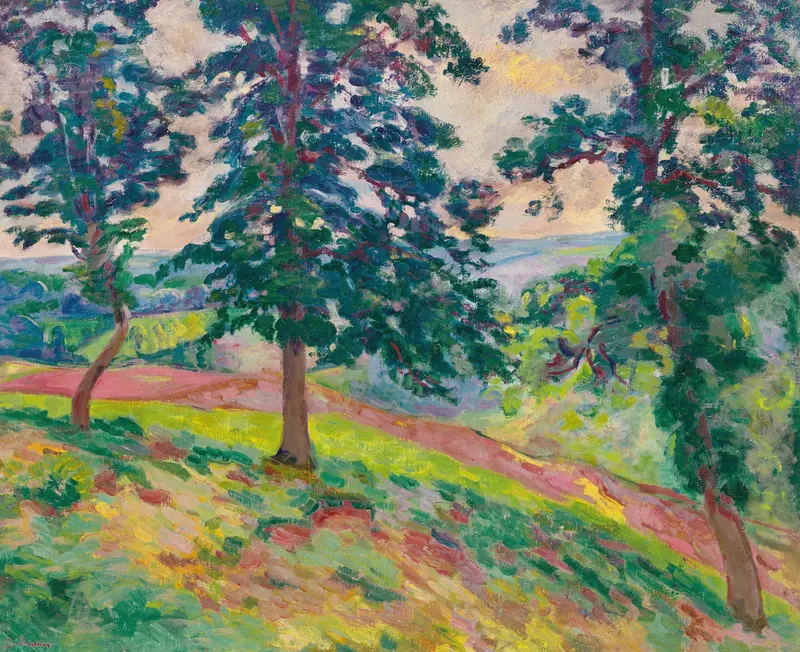
La vallée de la creuse
Armand Guillaumin
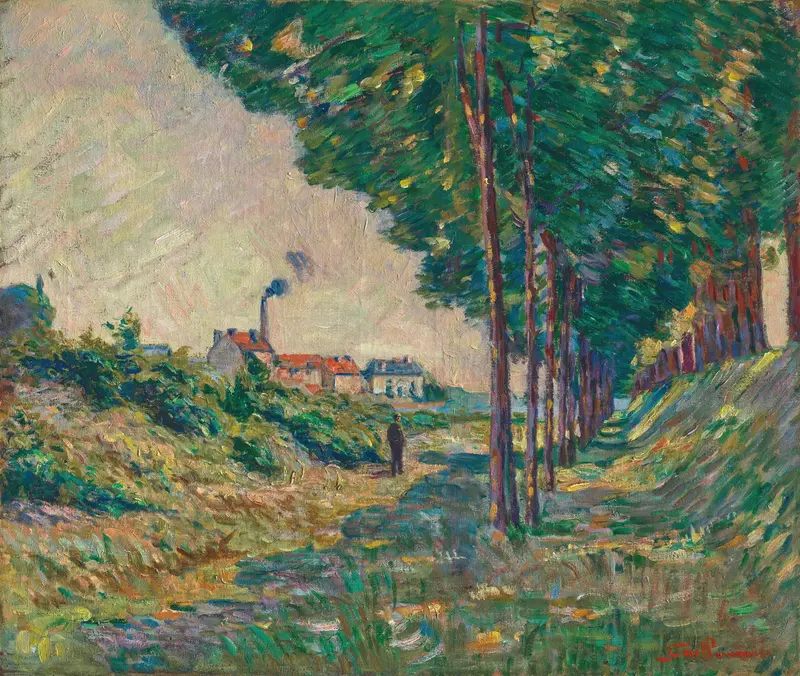
Le chemin de halage à Charenton, Ile de France
Armand Guillaumin
More Genre Scene Art

Banquet of the Officers of the St George Civic Guard
Frans Hals

Rembrandt and Saskia in the Scene of the Prodigal Son
Rembrandt van Rijn

Bal du moulin de la Galette
Pierre-Auguste Renoir

Quadrille at the Moulin Rouge
Henri de Toulouse-Lautrec

A Burial at Ornans
Gustave Courbet

When Will You Marry?
Paul Gauguin