
Bedelende zieke man voor een stadspoort — History & Facts
In a space where shadows often conceal the human experience, light becomes a silent witness to suffering and dignity intertwined. Look to the left of the canvas, where the figure of the beggar emerges against the dark stone of the city gate. The natural light spills over him, illuminating the contours of his weary face, making every crease speak of hardship and resilience. This stark contrast between light and shadow is not just a technical choice; it directs your gaze and evokes empathy, highlighting the gravity of his plight in a world that often overlooks the destitute. The beggar’s outstretched hand is a poignant plea, while the distant city gate looms above him, a symbol of both opportunity and exclusion.
Holbein’s meticulous attention to detail reveals the beggar’s tattered clothing and frail frame, emphasizing the stark reality of poverty amidst the grandeur of urban life. The viewer is drawn to the juxtaposition of the figure’s vulnerability against the strength of the stone wall, provoking questions about society's values and the unseen struggles within its borders. In 1547, Hans Holbein (II) painted this work during a time when Europe was grappling with social upheaval and religious reform. Living in Basel, he captured the tension between wealth and poverty with an unflinching gaze, drawing attention to the marginalized in a rapidly changing world.
As Holbein painted, he was not just documenting life; he was challenging the viewer to reflect on the human condition in all its shades.
More Artworks by Hans Holbein (II)
Browse all →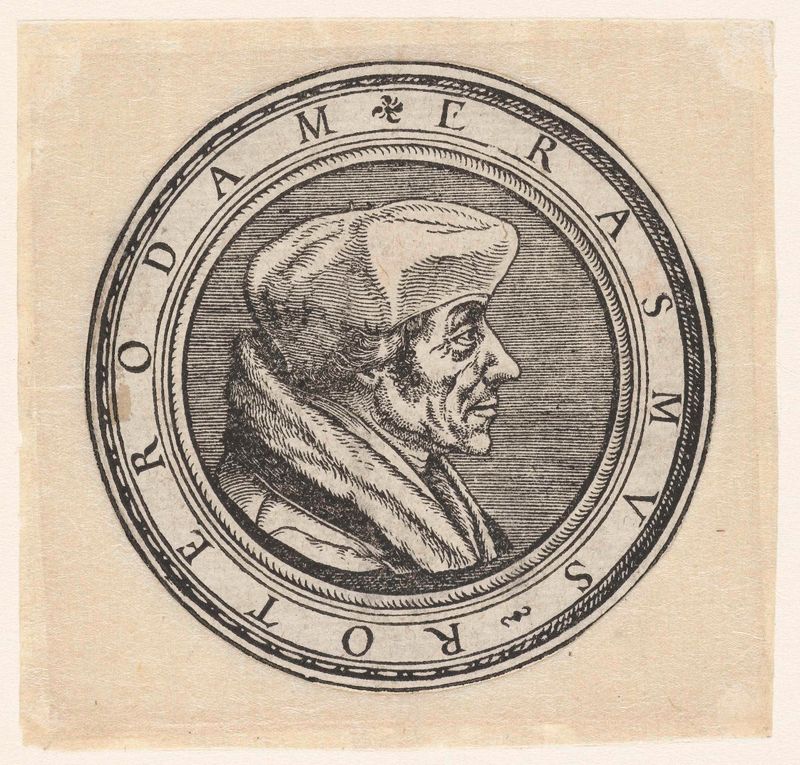
Portret van Erasmus
Hans Holbein (II)
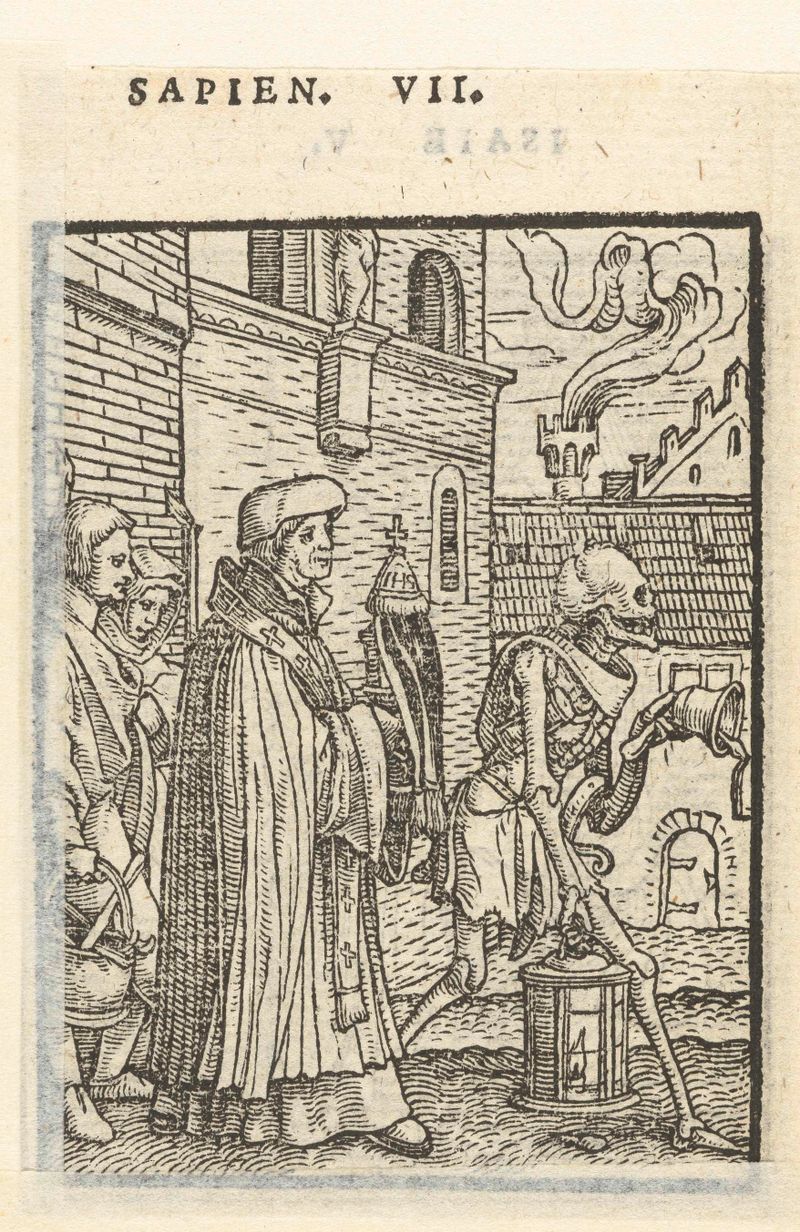
Priester en de Dood
Hans Holbein (II)
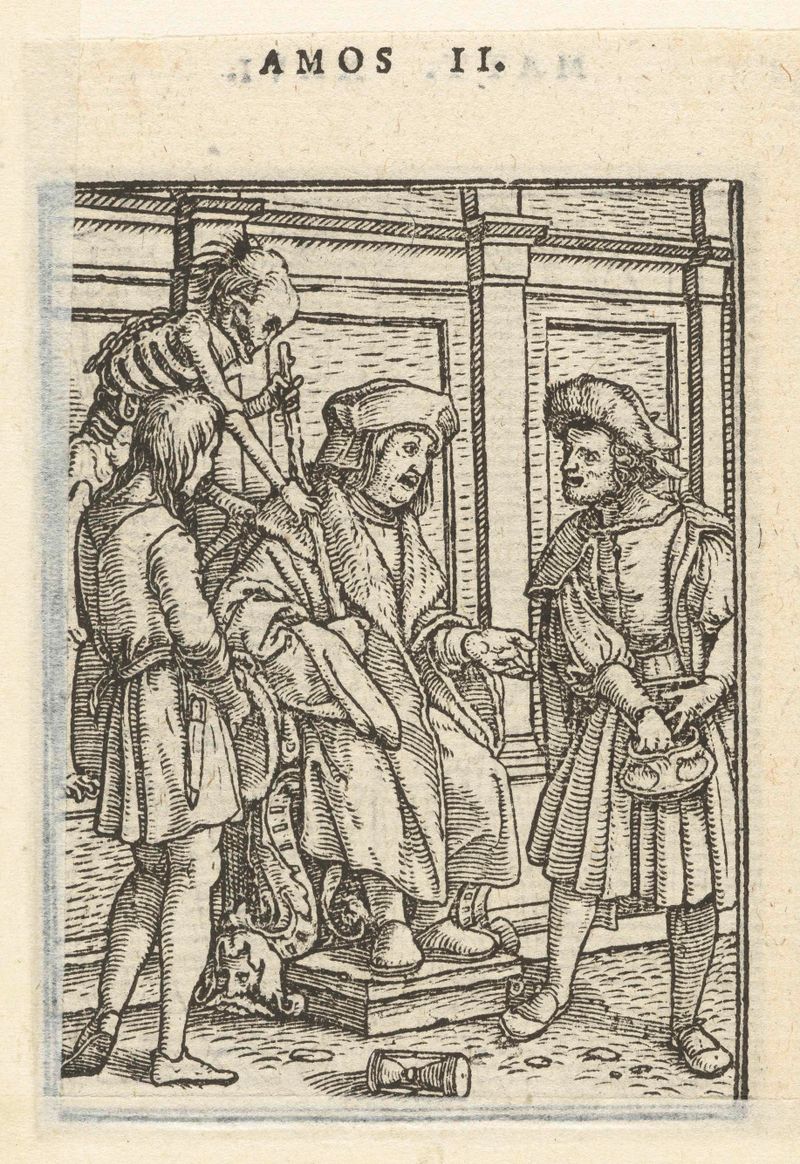
Rechter en de Dood
Hans Holbein (II)
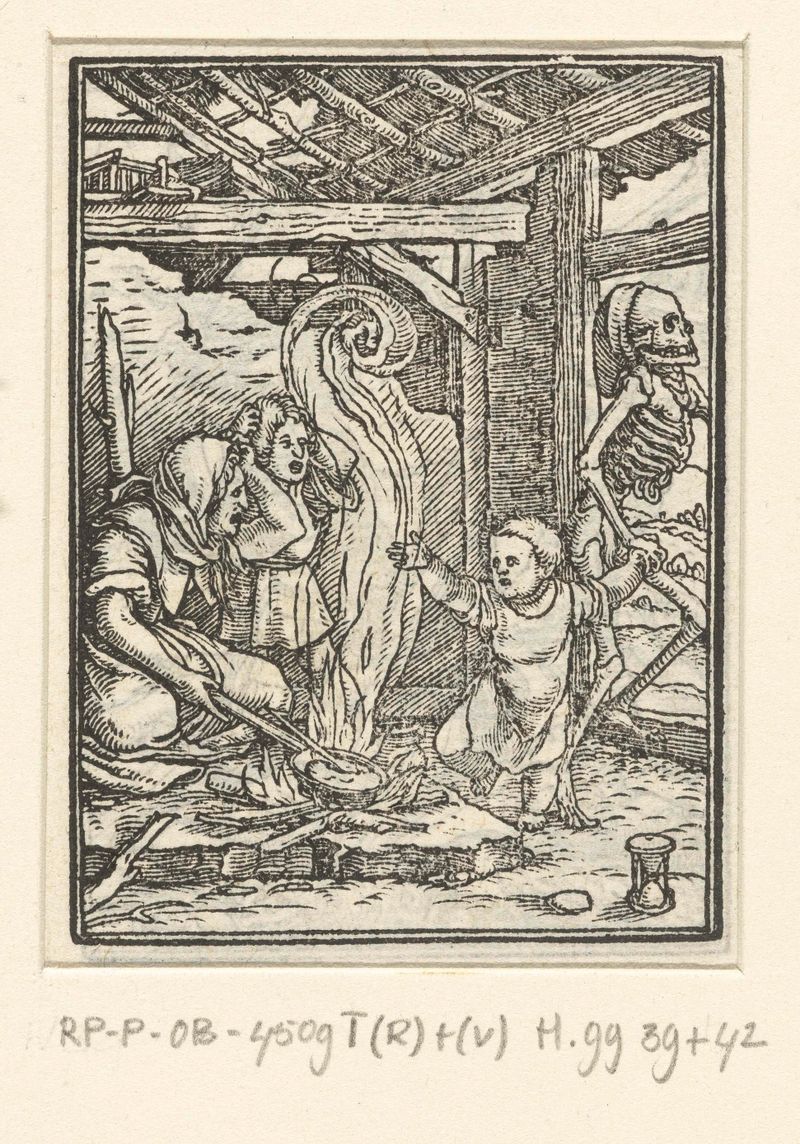
Kind en de Dood
Hans Holbein (II)
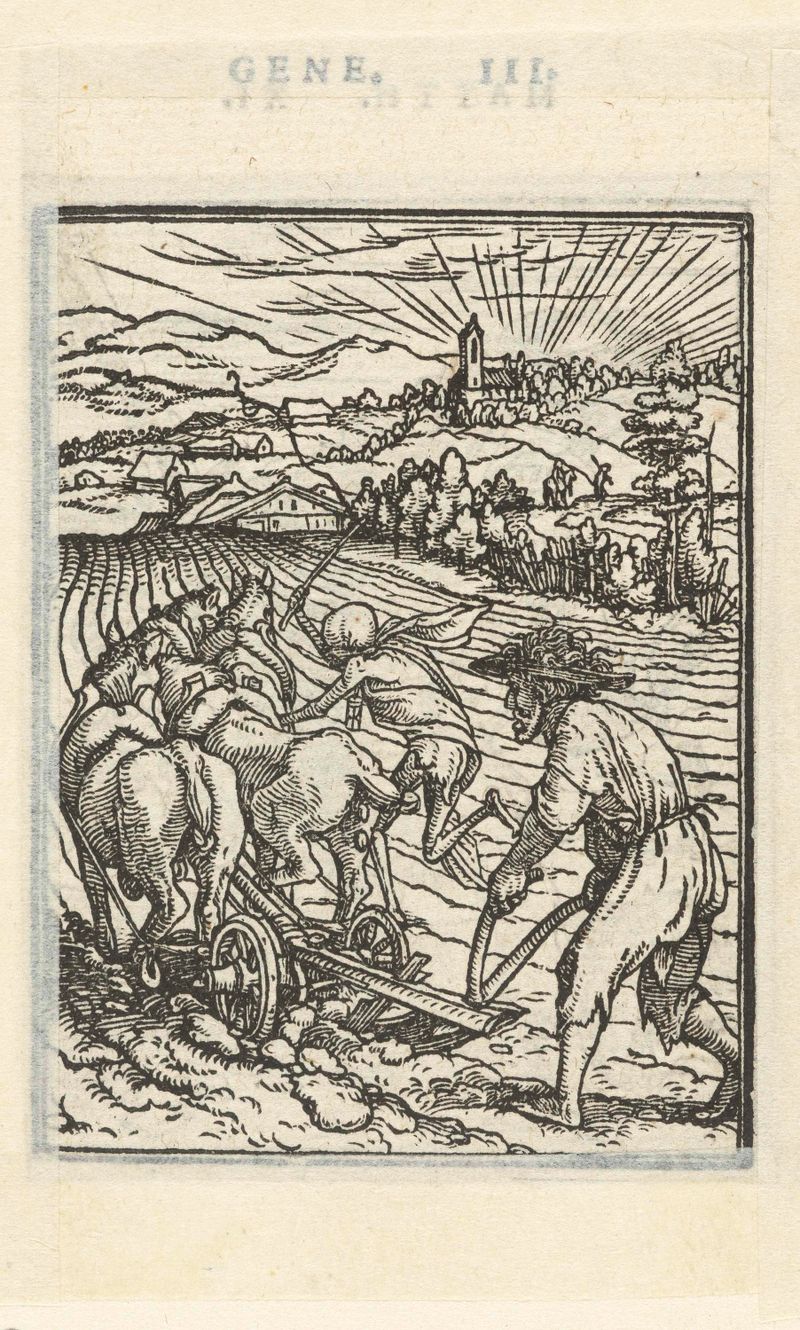
Boer en de Dood
Hans Holbein (II)
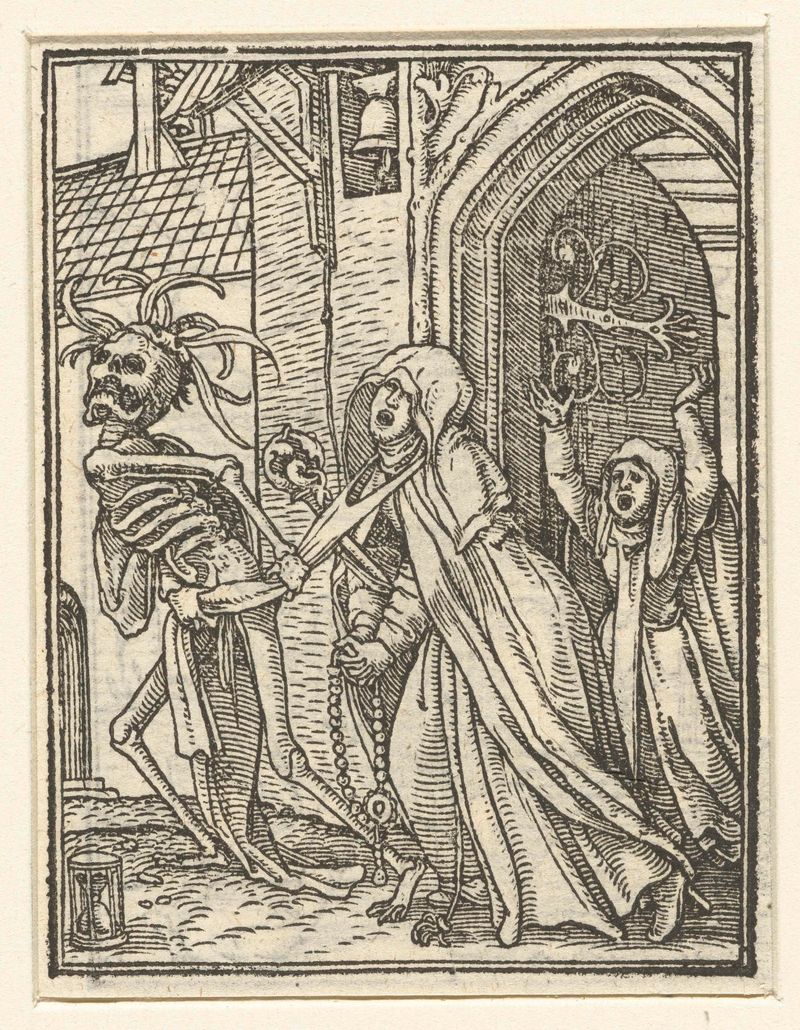
Abdis en de Dood
Hans Holbein (II)
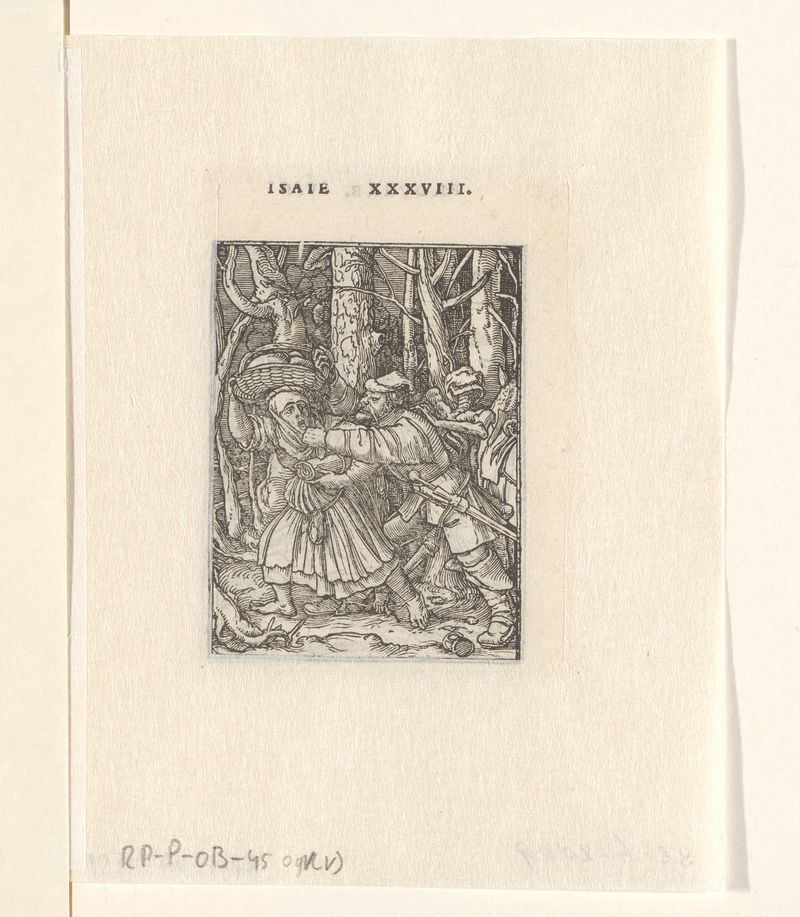
Dief en de Dood
Hans Holbein (II)
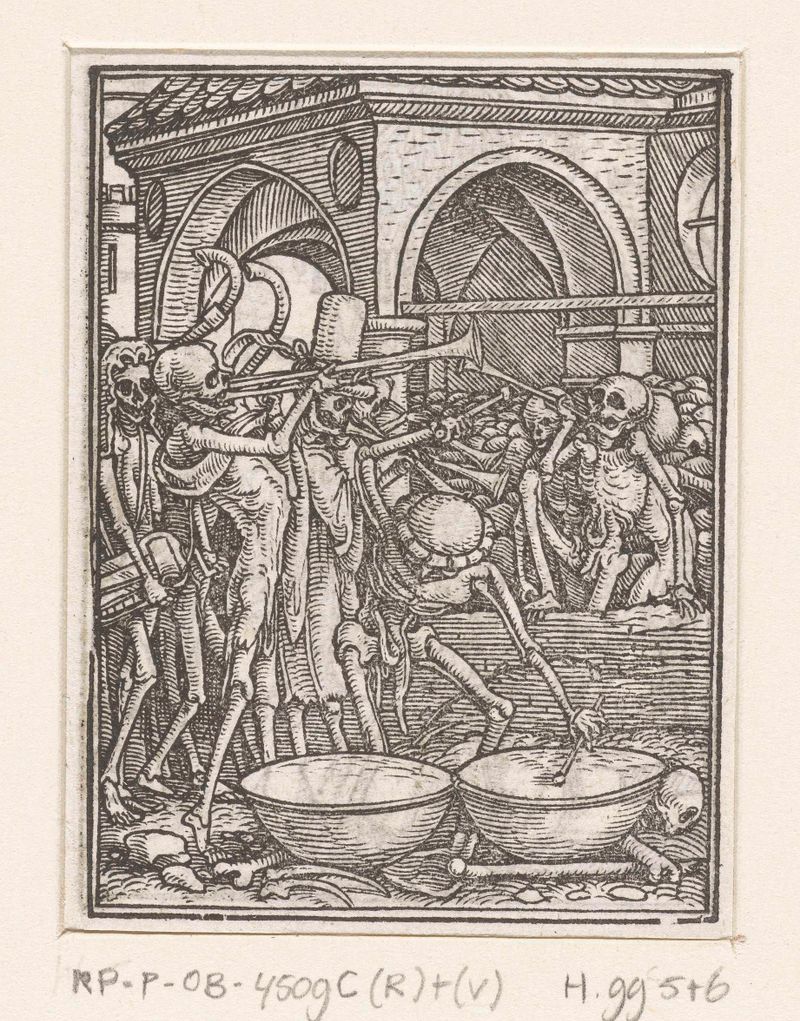
Skeletons Making Music from Dance of the Dead
Hans Holbein (II)
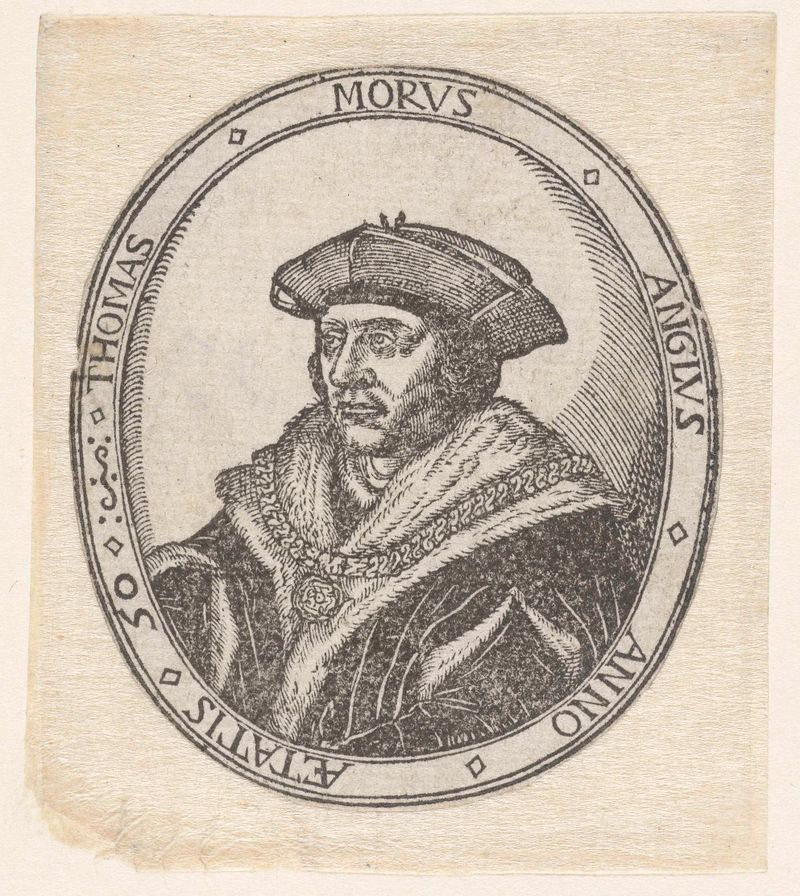
Portret van Thomas More
Hans Holbein (II)
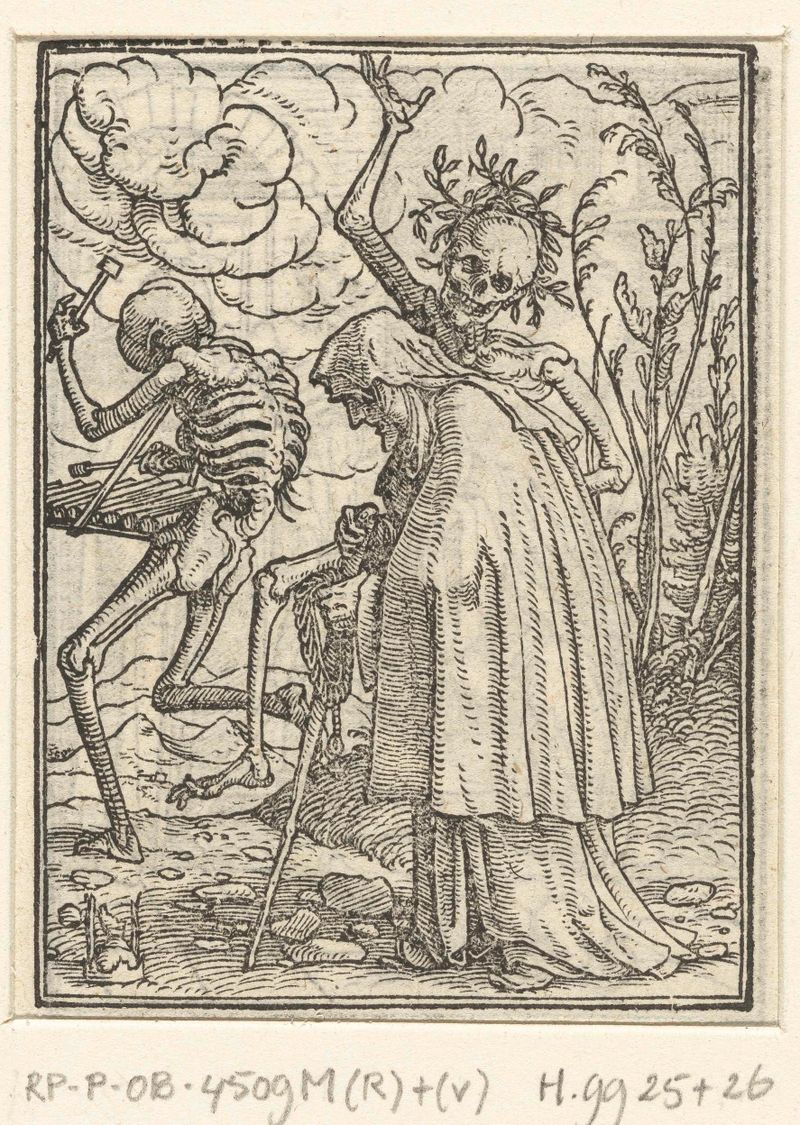
Oude vrouw en de Dood
Hans Holbein (II)





