
Beechwood — History & Facts
What does it mean to embrace emptiness in a world filled with noise? In the quiet spaces between life’s chaos, beauty often emerges, whispering secrets of solace and reflection. Look to the center of Beechwood, where the winding path invites you to explore. The rich, deep greens of the trees tower above, their leaves filtering the soft light that dances through, creating a mosaic of shadows on the ground. Notice how the delicate interplay of light and dark casts a spell of serenity, leading the viewer deeper into the tranquil landscape.
The gentle strokes reveal an emotional landscape that feels both alive and hauntingly still. Within this stillness lies a profound contrast. The vibrant foliage, lush and full of life, starkly juxtaposes the empty path that beckons yet suggests absence. Each brushstroke breathes an air of nostalgia, allowing the viewer to feel both the presence of nature and the weight of solitude.
The effect is not merely decorative; it speaks to the beauty found in moments of quietness and the contemplation of life’s transience. In 1867, John Atkinson Grimshaw painted this work during a time when the Victorian era was buzzing with industrial progress and urbanization. Living in Leeds, Grimshaw sought solace in nature's embrace, capturing its allure while reflecting the growing disconnection from the pastoral world. This painting is not just a scene; it’s a poignant reminder of the serenity that can be found amidst the chaos of life.
More Artworks by John Atkinson Grimshaw
Browse all →
Under the Silvery Moonbeams
John Atkinson Grimshaw
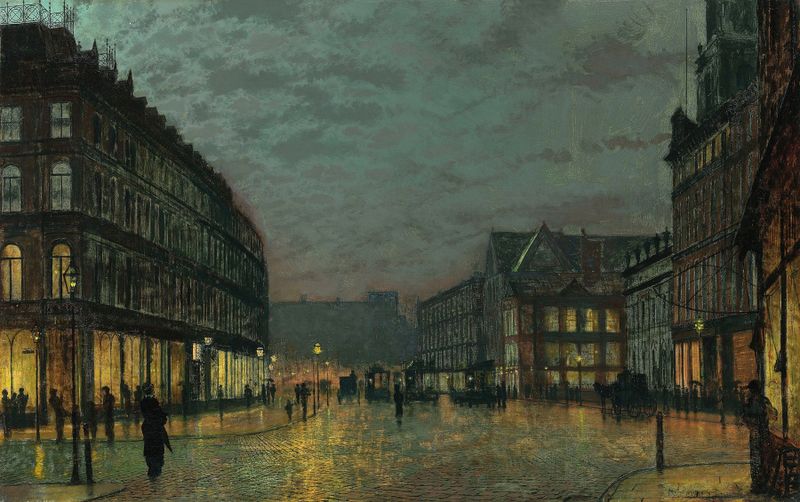
Boar Lane, Leeds by lamplight
John Atkinson Grimshaw
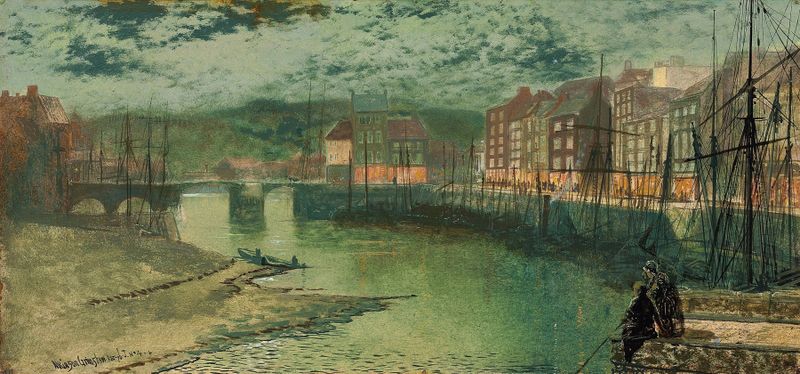
Whitby docks
John Atkinson Grimshaw

Old Chelsea
John Atkinson Grimshaw

Late October
John Atkinson Grimshaw
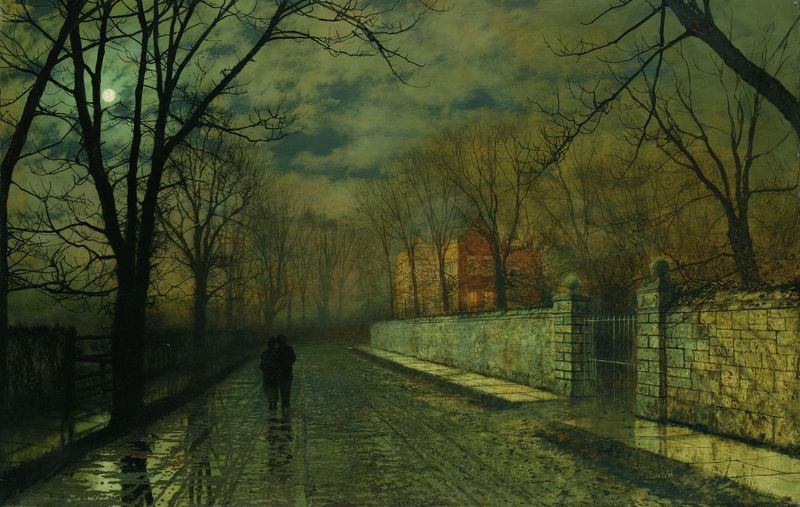
Figures In A Moonlit Lane After Rain
John Atkinson Grimshaw

Liverpool Lights
John Atkinson Grimshaw
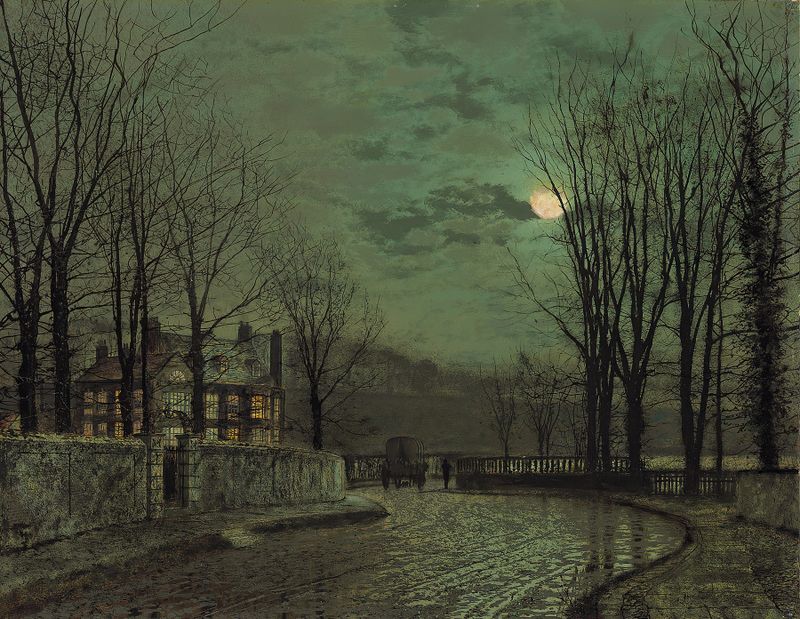
November Moonlight
John Atkinson Grimshaw
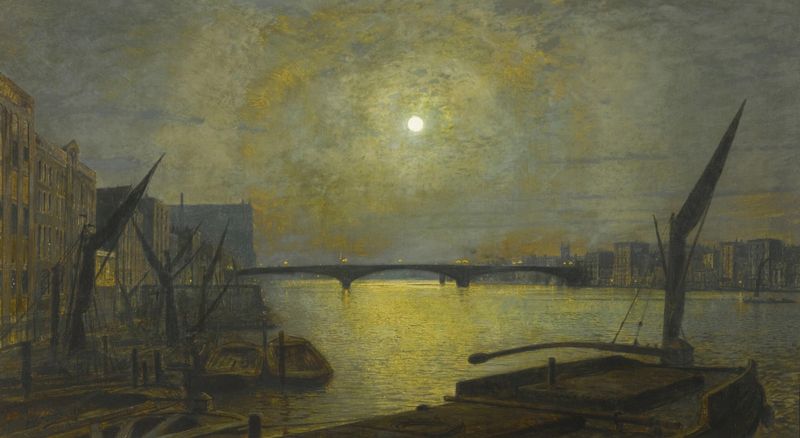
Southwark Bridge from Blackfriars by Moonlight
John Atkinson Grimshaw

Whitby From Scotch Head, Moonlight On The Esk
John Atkinson Grimshaw





