
Begonie — History & Facts
Light slices through the foliage, catching the crumpled edges of begonia leaves and scattering their shadows across the rough floor. What first arrests the eye is the riot of textures: the waxy, striped green blades thrusting upward, the crinkled, almost leathery surface of the begonia, the play of sunlight that makes each pot and leaf pulse with life. Aleksander Gierymski, in this work from between 1876 and 1880, draws us into a world of quiet, concentrated observation, where the drama is not in grand gestures but in the intimate theater of plants responding to the day.
The pots are not mere containers but characters, each catching the light differently, their shadows sprawling and mingling on the ground. This is a painting born of a time when artists across Europe were turning their gaze to the ordinary and the overlooked, elevating still life and scenes of daily life to new prominence. In the late nineteenth century, the rise of the bourgeois home and the spread of greenhouses made such studies of cultivated plants both fashionable and familiar. While history has kept few traces of the specific journey of Begonie, the work’s presence in the TgEGbbgEkWseTA collection and its dating to the late 1870s place it squarely in an era hungry for the close study of nature.
The next time you look, let your eye wander the shadows—see how Gierymski makes even the humble pot and leaf a subject worthy of endless looking.
Sources: Wikidata Q28797549 · Image source (Wikimedia Commons)
More Artworks by Aleksander Gierymski

Piaskarze
Aleksander Gierymski

Poetry
Aleksander Gierymski
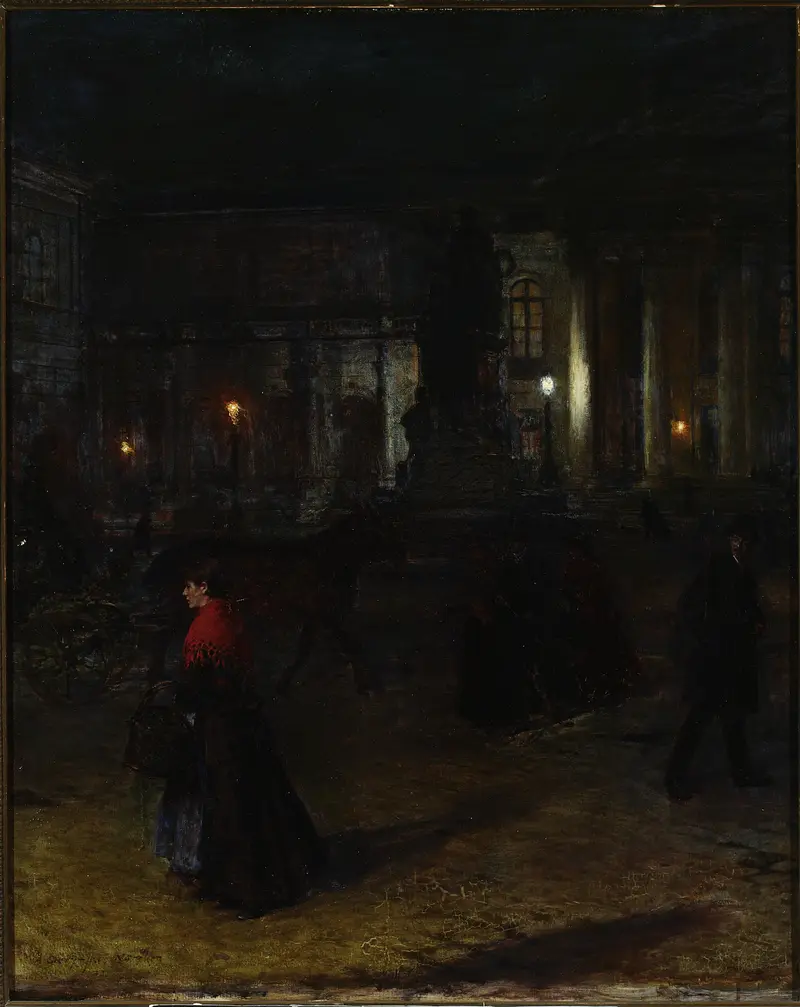
Max-Joseph-Platz in Munich by night.
Aleksander Gierymski
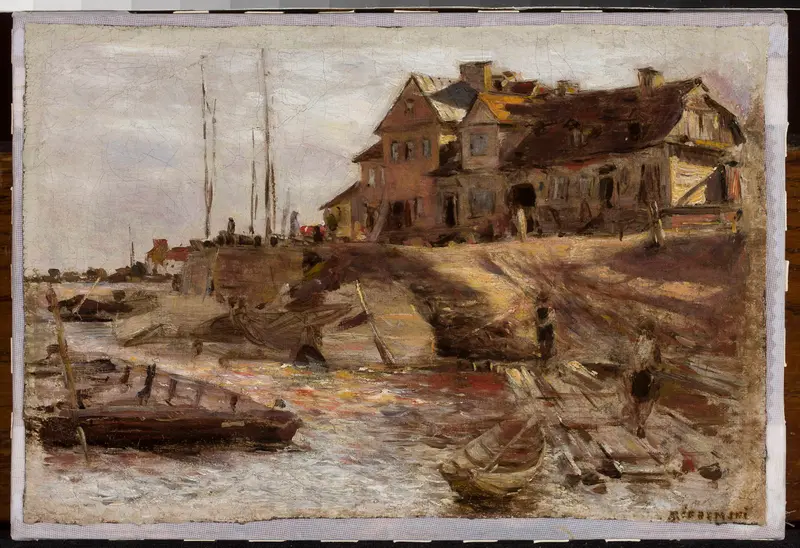
Solec harbour (study).
Aleksander Gierymski
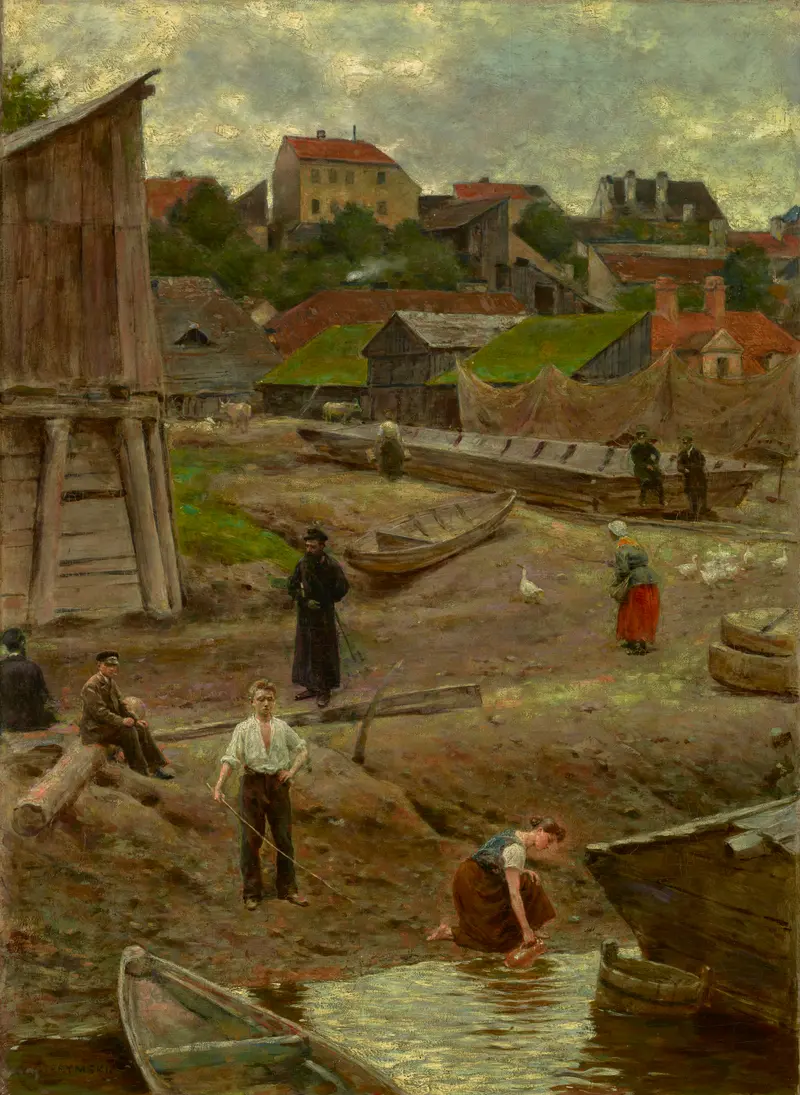
Powiśle (Bank of the Vistula in Warsaw)
Aleksander Gierymski
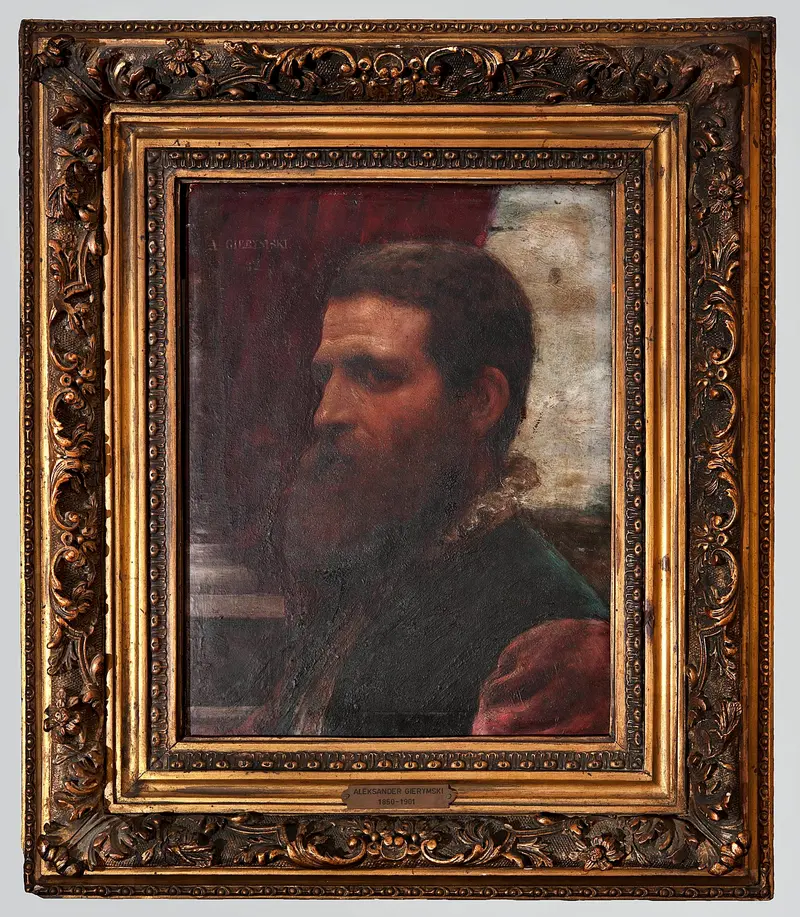
A bust of a man in Renaissance costume.
Aleksander Gierymski
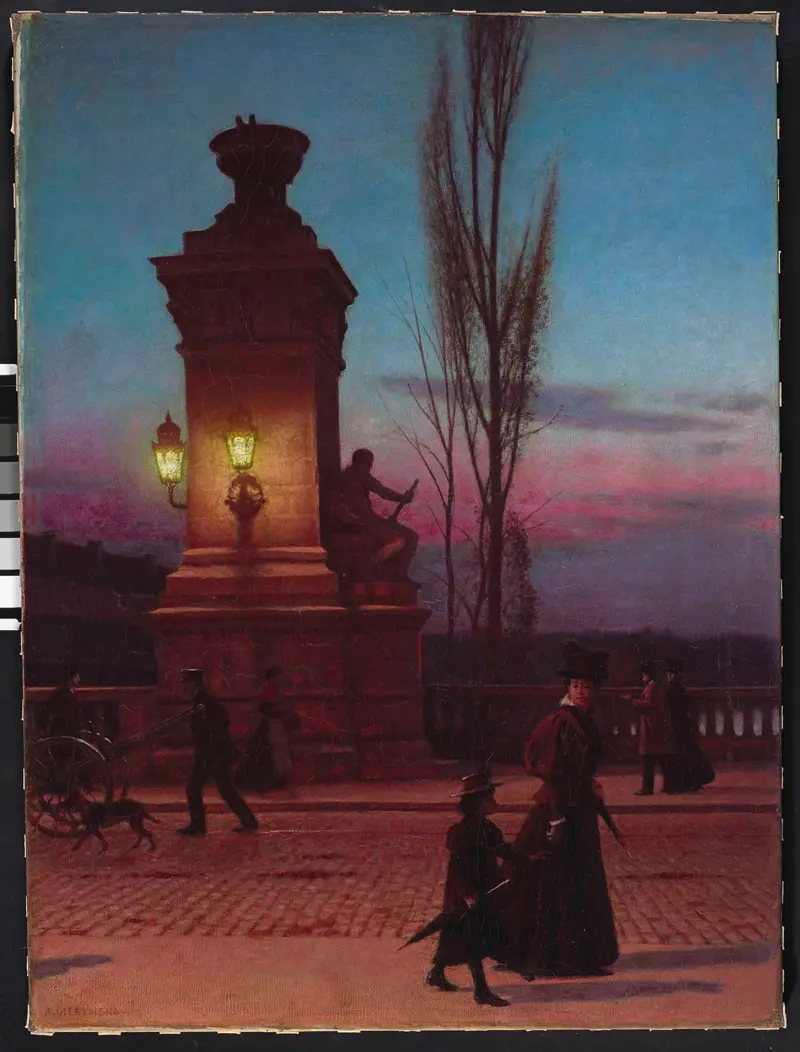
Louis Bridge in Munich.
Aleksander Gierymski
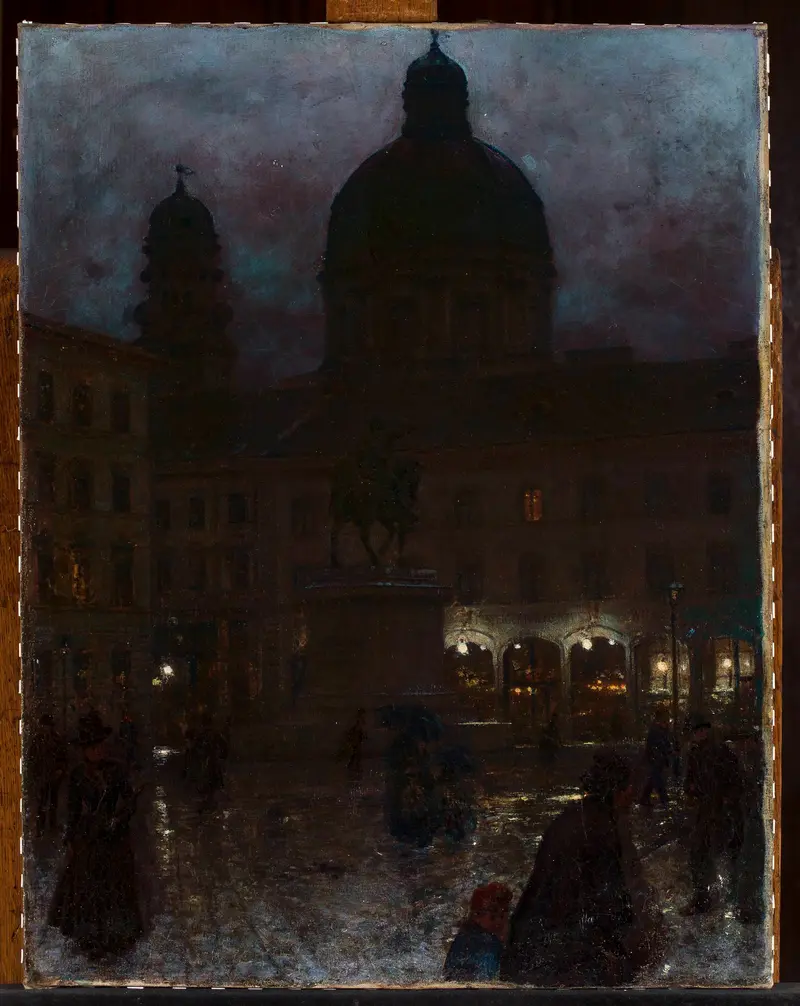
Wittelsbacher Square in Munich at night.
Aleksander Gierymski
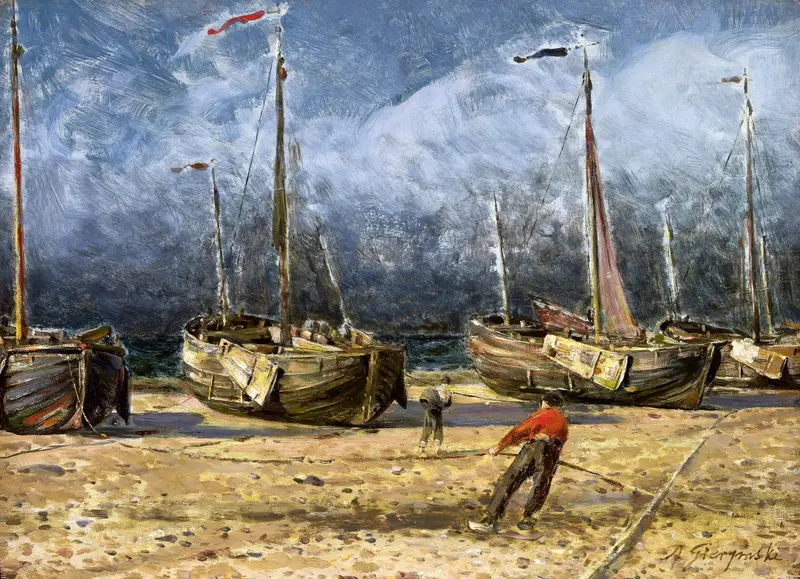
Fishing boats at the shore.
Aleksander Gierymski
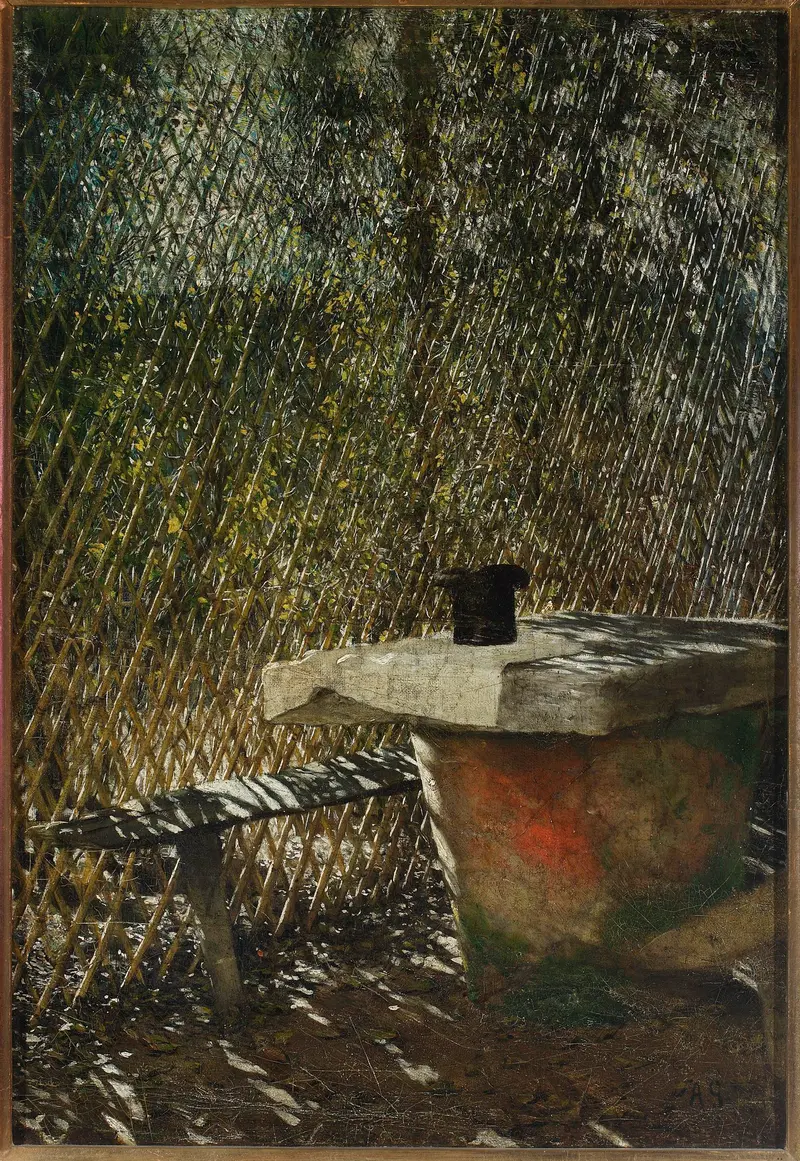
Study with a topper.
Aleksander Gierymski





