
Max-Joseph-Platz in Munich by night. — History & Facts
A hush settles over Max-Joseph-Platz in Munich by night, broken only by the flicker of gaslight and the silent movement of figures across the square. The eye is drawn first to the woman in the foreground, her red shawl a bright ember against the darkness, as she moves purposefully through the shadowed plaza. Around her, the forms of other passersby and a horse-drawn carriage dissolve into the gloom, their presence hinted at rather than described.
The architecture looms with a quiet grandeur, its columns and statues barely illuminated, while the pools of lamplight carve out small islands of safety in the night. The artist’s brushwork lingers on the play of shadow and artificial light, inviting the viewer to linger on the tension between the seen and the unseen. Painted in 1890, this work by Aleksander Gierymski belongs to a moment when European artists were captivated by the new possibilities of urban night. The late nineteenth century saw the rise of city scenes painted after dark, as gas and electric lighting transformed public spaces and the rhythms of city life.
Artists like Gierymski—working in an era of rapid modernization—turned their attention to these nocturnal worlds, fascinated by the drama and anonymity of the modern metropolis. Now held in the National Museum in Warsaw, this painting stands as a rare record of both a particular place and a fleeting atmosphere, urging us to look again at the subtle dramas unfolding in the shadows.
Sources: Wikidata Q28481641 · Image source (Wikimedia Commons)
More Artworks by Aleksander Gierymski

Piaskarze
Aleksander Gierymski
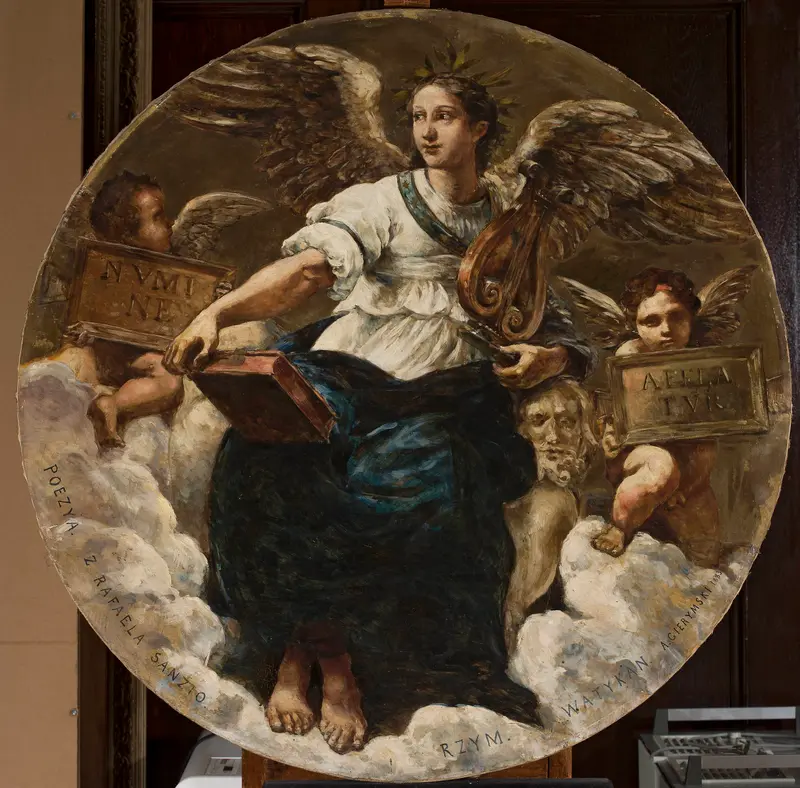
Poetry
Aleksander Gierymski
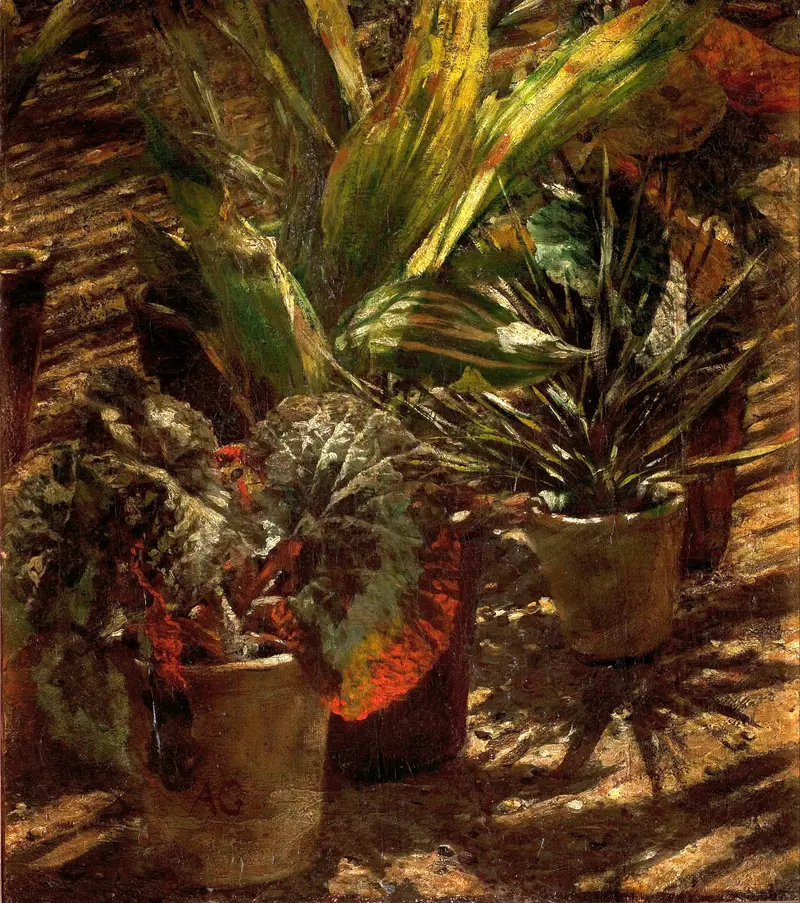
Begonie
Aleksander Gierymski
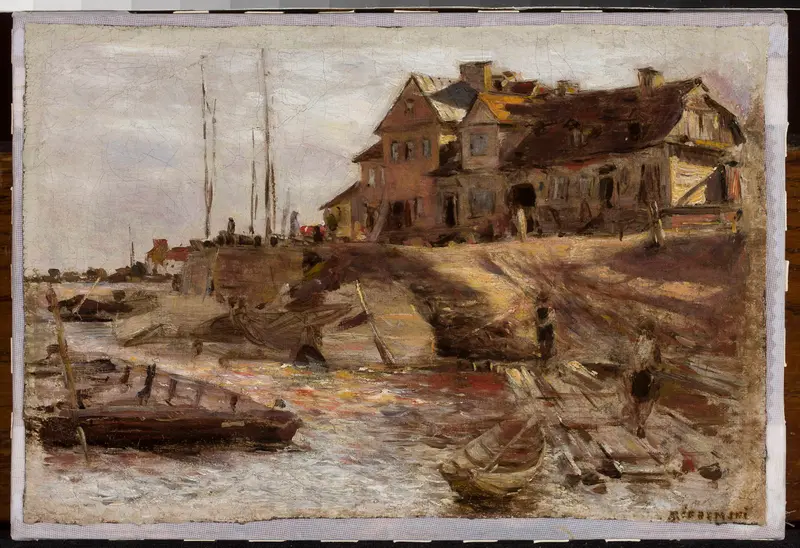
Solec harbour (study).
Aleksander Gierymski
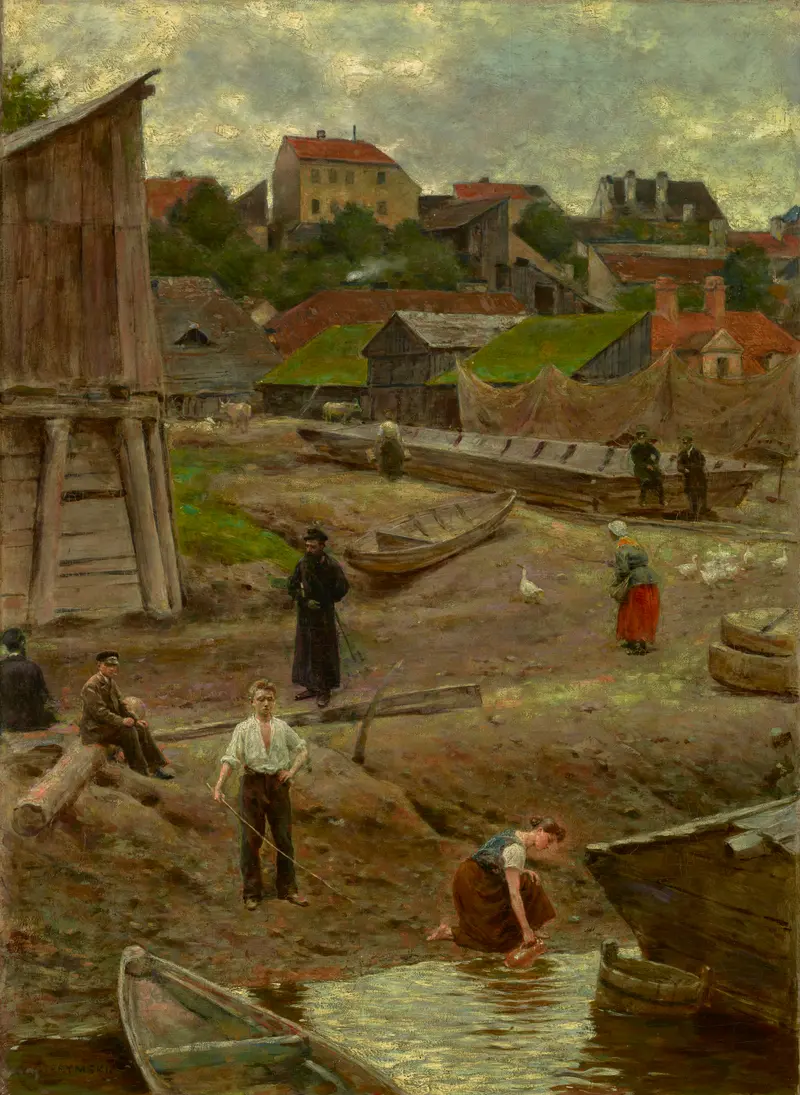
Powiśle (Bank of the Vistula in Warsaw)
Aleksander Gierymski
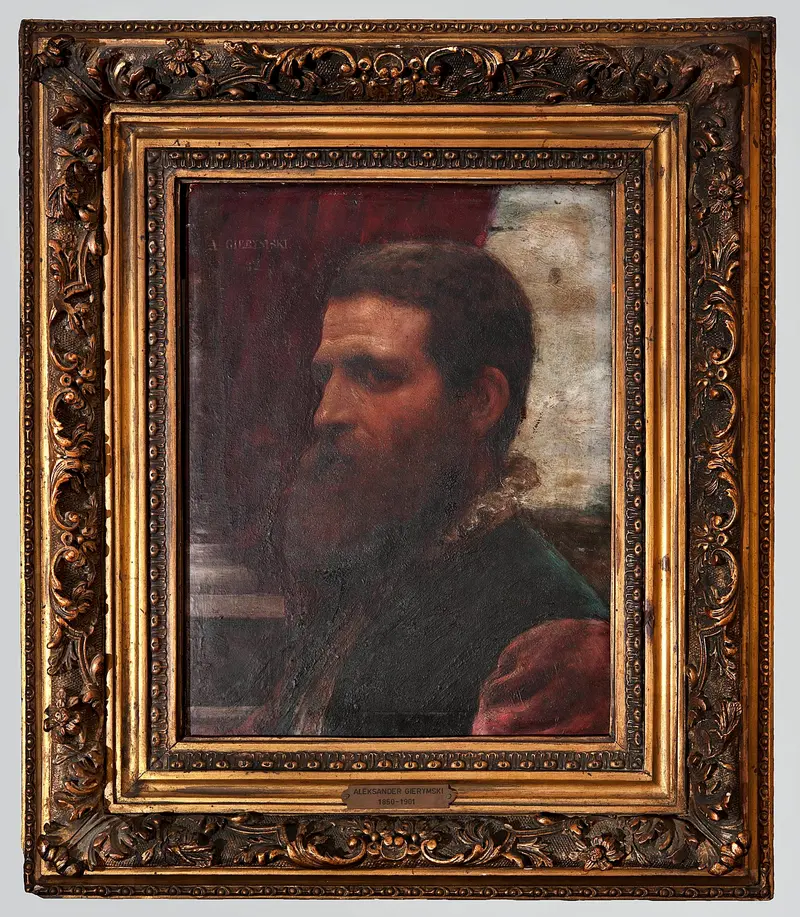
A bust of a man in Renaissance costume.
Aleksander Gierymski
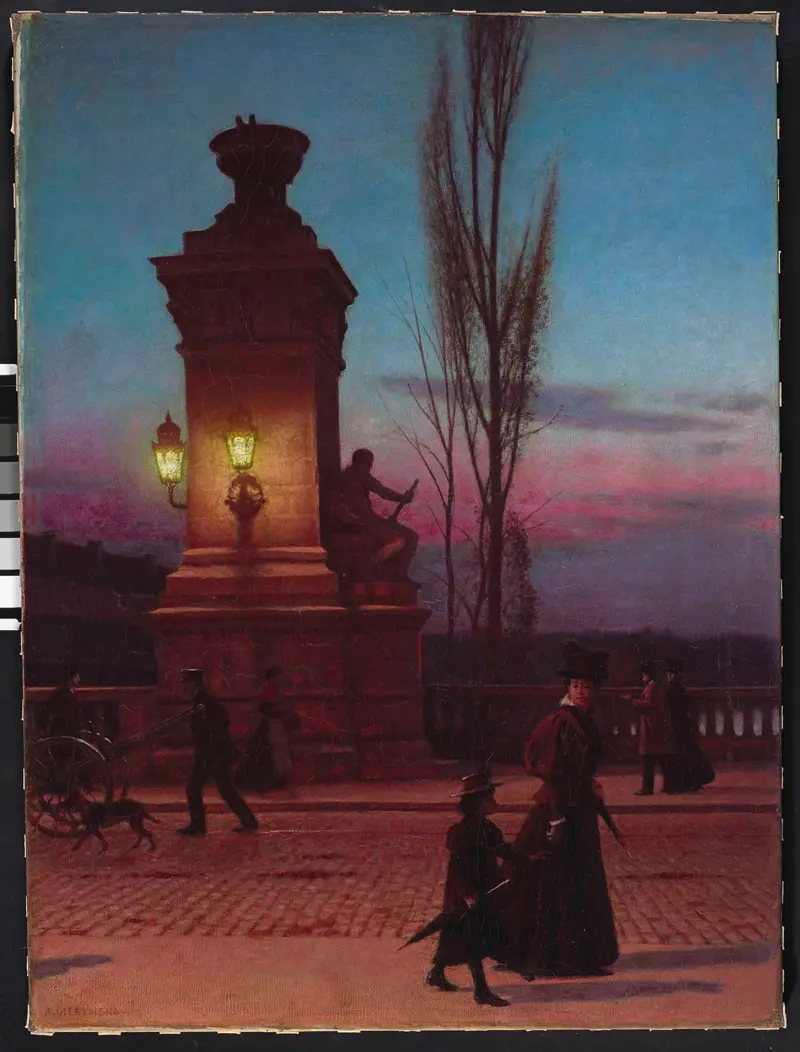
Louis Bridge in Munich.
Aleksander Gierymski
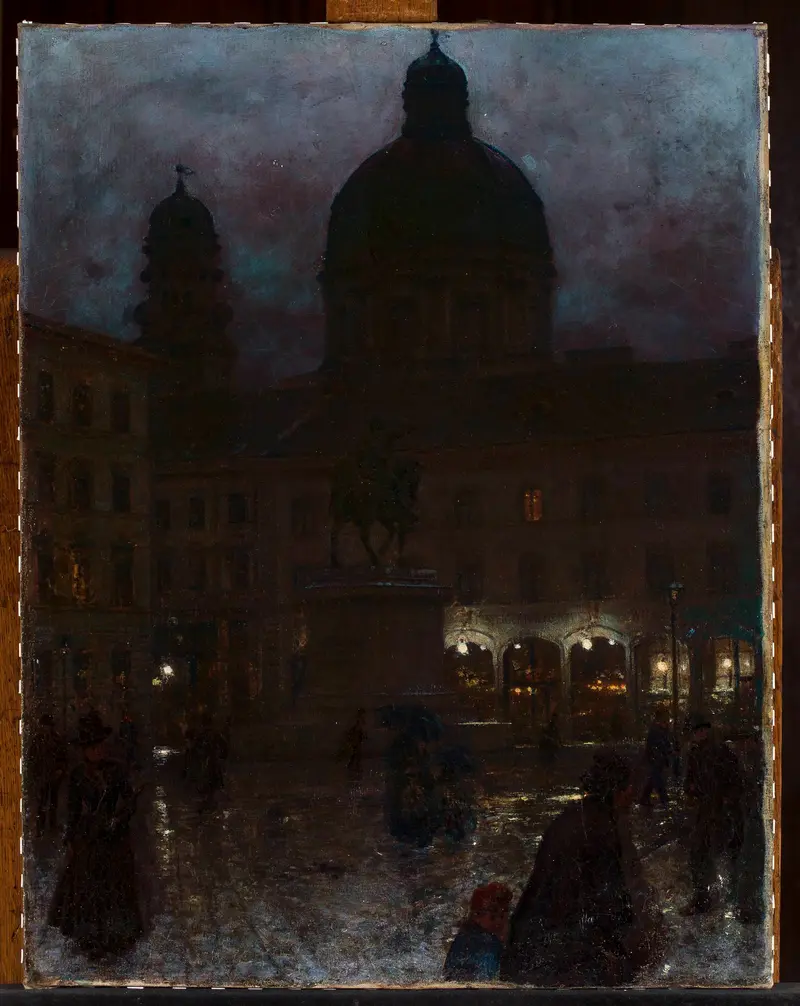
Wittelsbacher Square in Munich at night.
Aleksander Gierymski
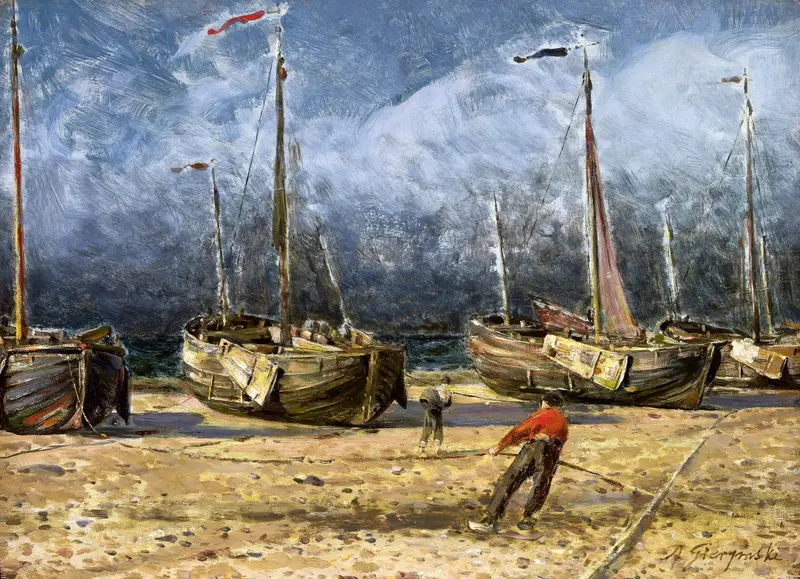
Fishing boats at the shore.
Aleksander Gierymski
Study with a topper.
Aleksander Gierymski
More Genre Scene Art

Banquet of the Officers of the St George Civic Guard
Frans Hals

Rembrandt and Saskia in the Scene of the Prodigal Son
Rembrandt van Rijn

Bal du moulin de la Galette
Pierre-Auguste Renoir

Quadrille at the Moulin Rouge
Henri de Toulouse-Lautrec

A Burial at Ornans
Gustave Courbet

When Will You Marry?
Paul Gauguin