
A bust of a man in Renaissance costume. — History & Facts
What holds the viewer first is the quiet gravity of the sitter’s gaze, half-turned in shadow, as if caught in the midst of a private reckoning. The deep, velvety darkness that envelops his face and beard draws the eye inward, while the subtle glint along his collar and the crimson sleeve hint at a world of texture and status. Light falls unevenly, illuminating the man’s brow and cheekbone but leaving much of his expression unreadable, inviting speculation about the thoughts and ambitions behind those steady eyes.
The background, a muted tapestry of red and grey, frames the figure with a sense of solemnity, as if he were both present and receding into memory. Painted in 1882 by Aleksander Gierymski, this portrait belongs to a period when artists across Europe looked back to the Renaissance for inspiration, seeking not only costume and pose but also the psychological depth that characterized the old masters. Such bust-length studies, with their careful attention to fabric and physiognomy, were often exercises in both technical skill and historical imagination. In the late nineteenth century, collectors and museums prized these works for their ability to bridge past and present, embodying ideals of dignity and introspection.
Though little is recorded about this particular sitter or commission, the painting now resides in the digital collection of the Muzeum Narodowe w Warszawie, a quiet testament to the enduring fascination with faces that seem to hold their stories just out of reach.
More Artworks by Aleksander Gierymski

Piaskarze
Aleksander Gierymski
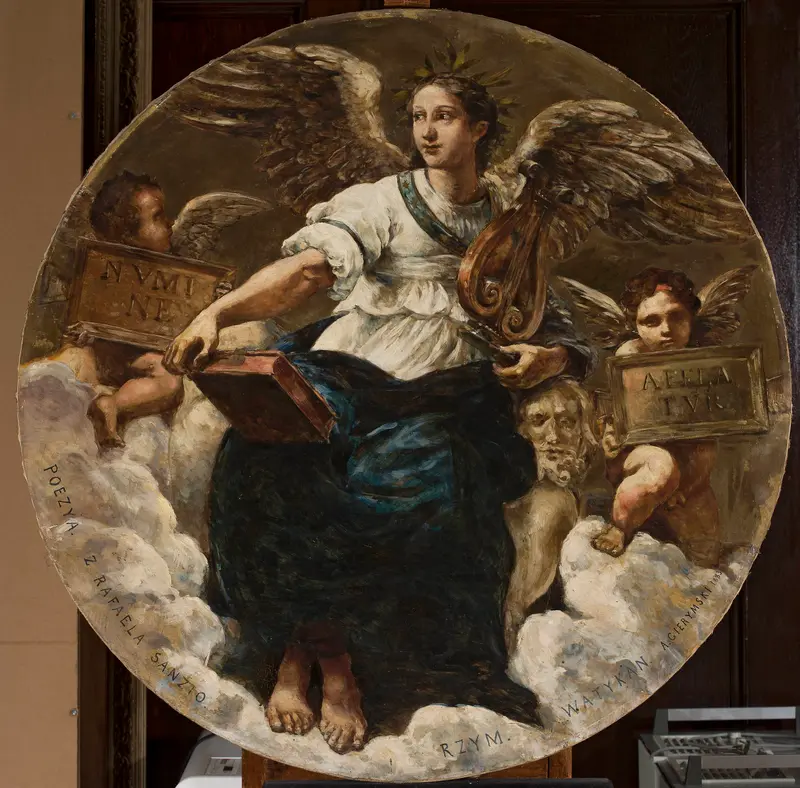
Poetry
Aleksander Gierymski
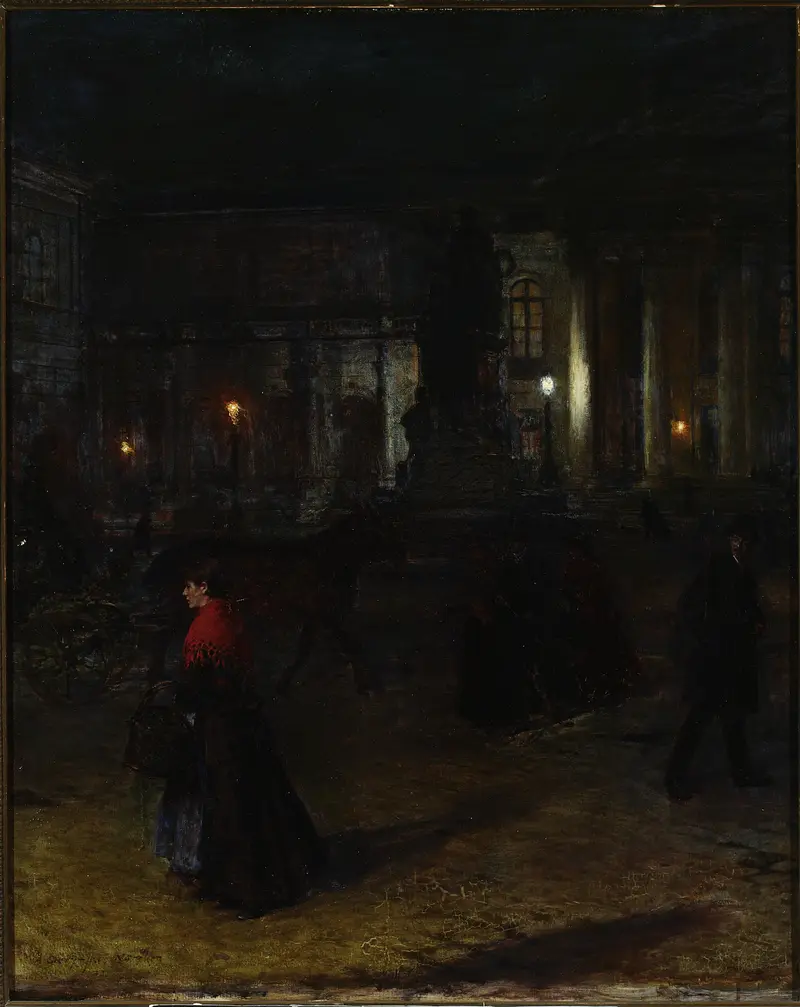
Max-Joseph-Platz in Munich by night.
Aleksander Gierymski
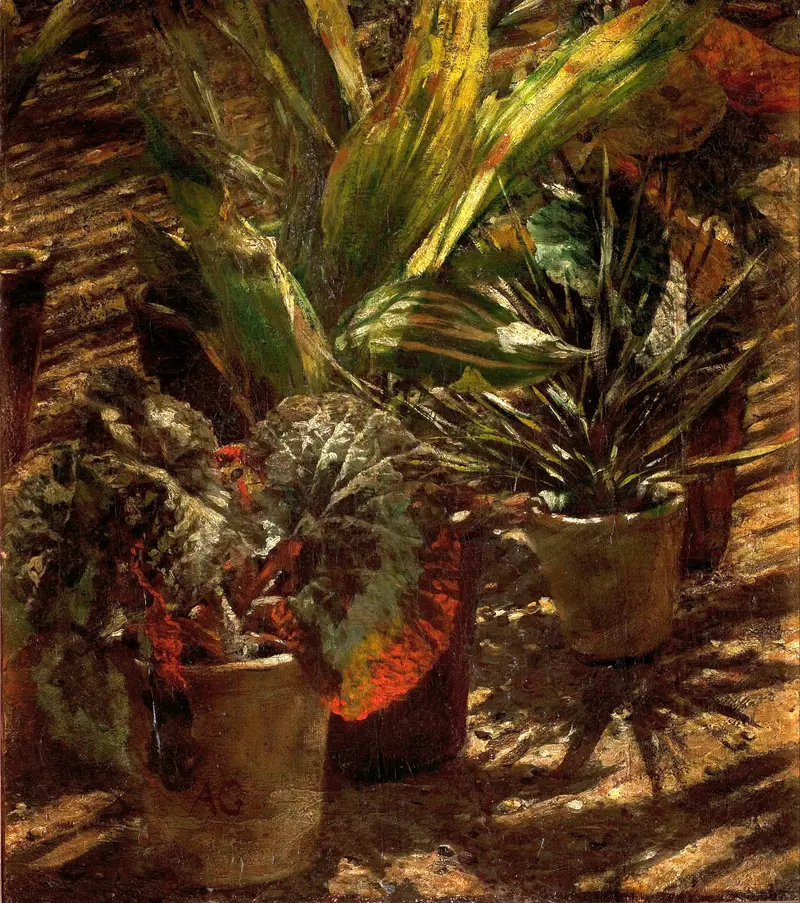
Begonie
Aleksander Gierymski
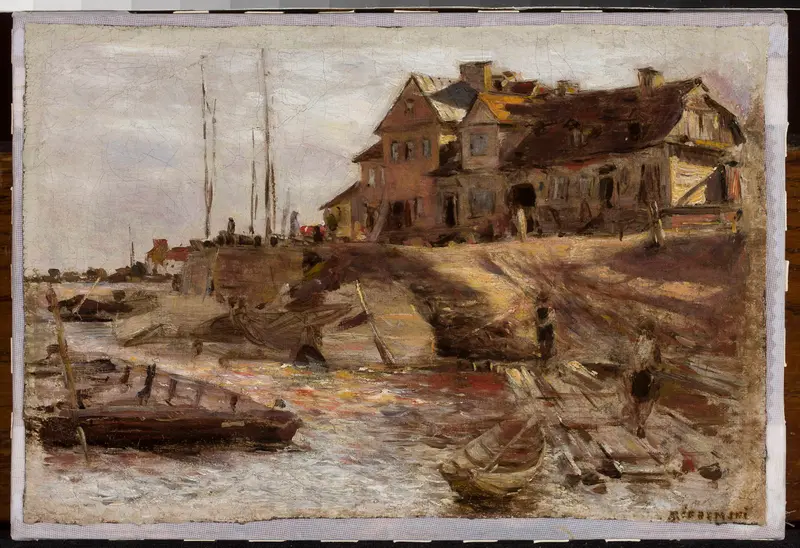
Solec harbour (study).
Aleksander Gierymski
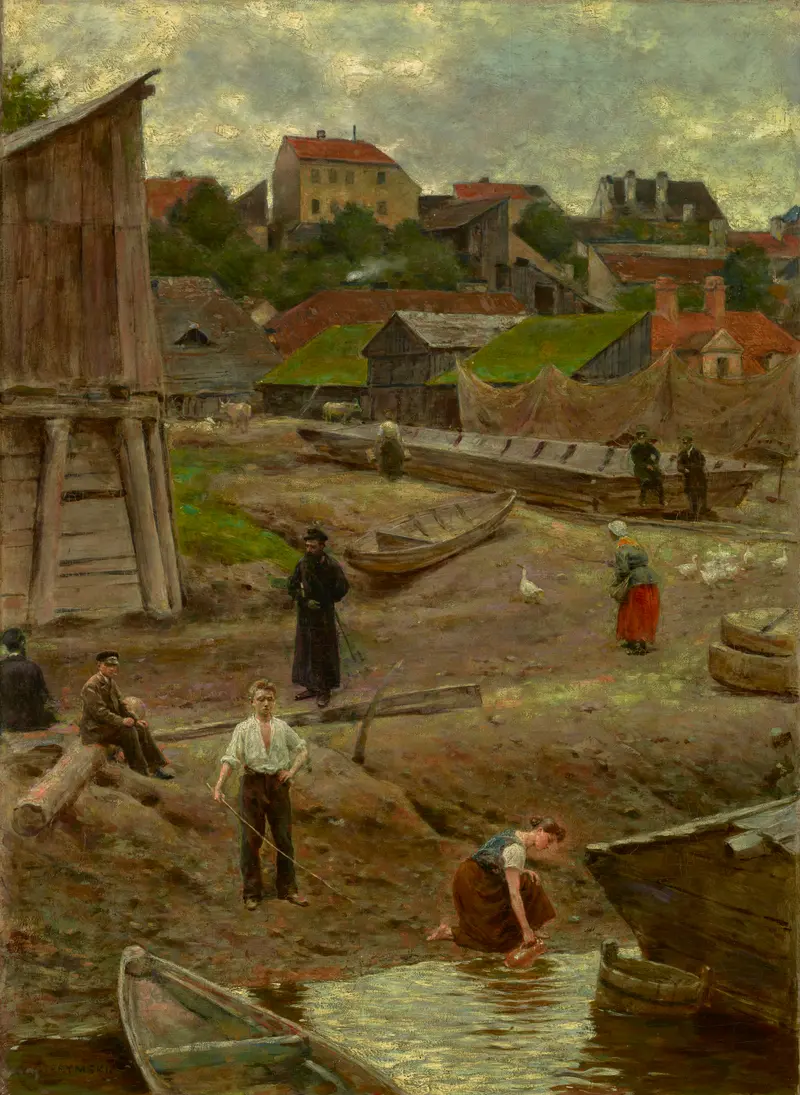
Powiśle (Bank of the Vistula in Warsaw)
Aleksander Gierymski
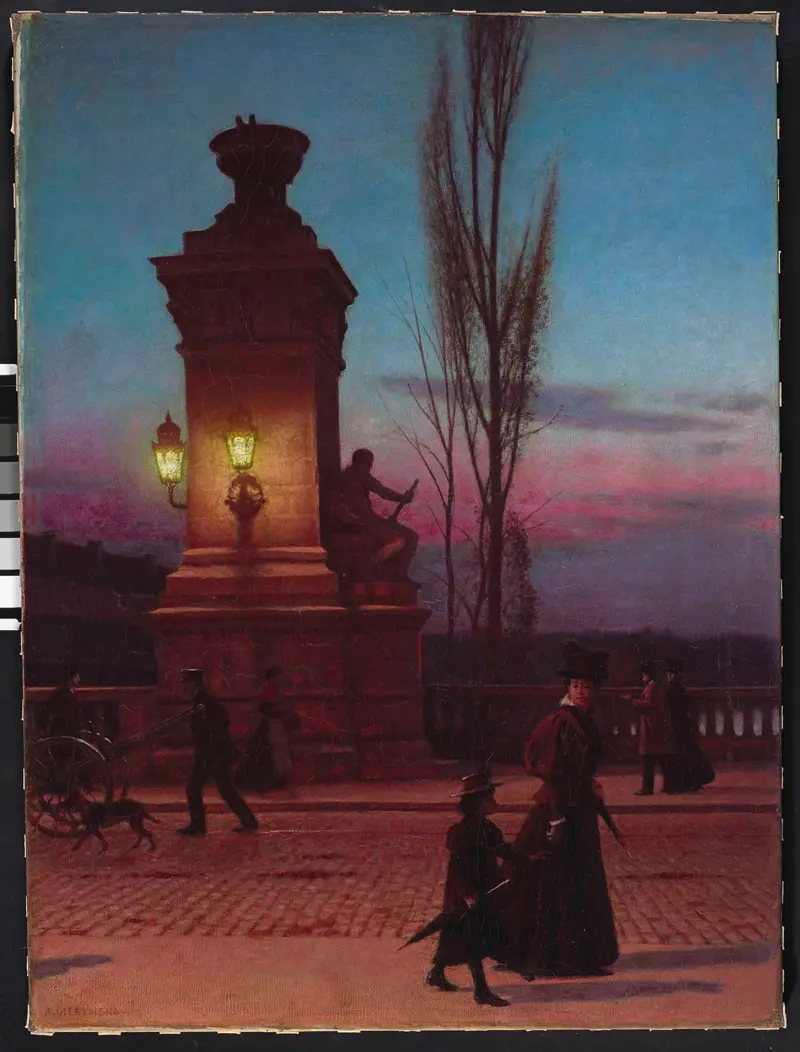
Louis Bridge in Munich.
Aleksander Gierymski
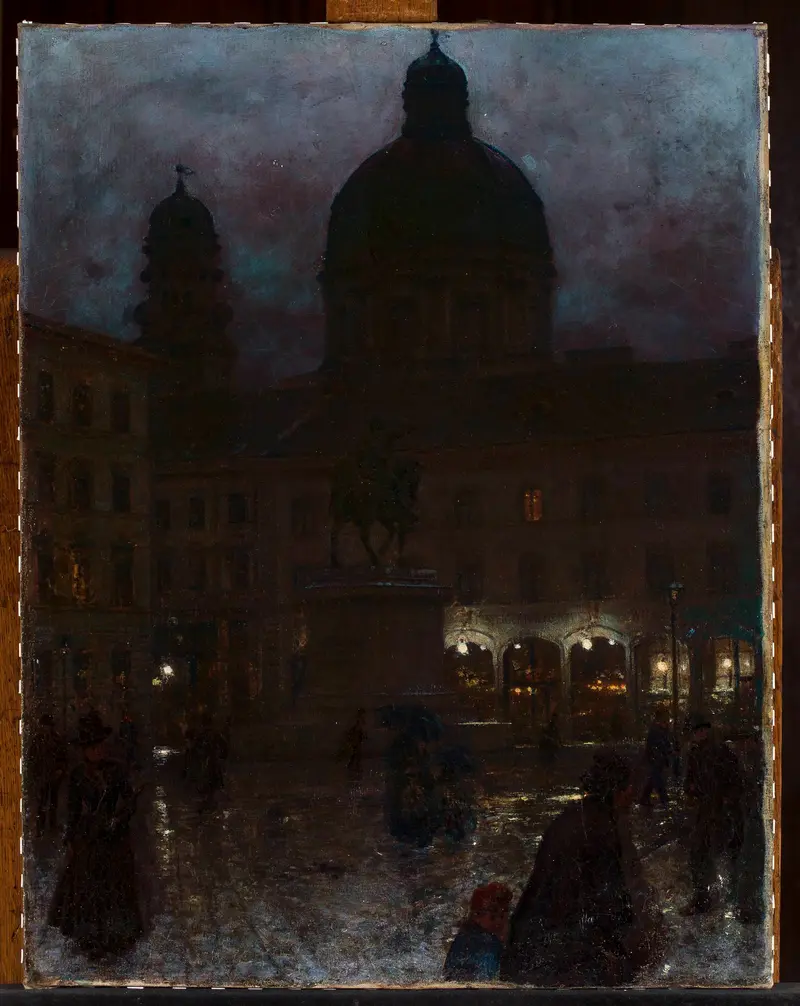
Wittelsbacher Square in Munich at night.
Aleksander Gierymski
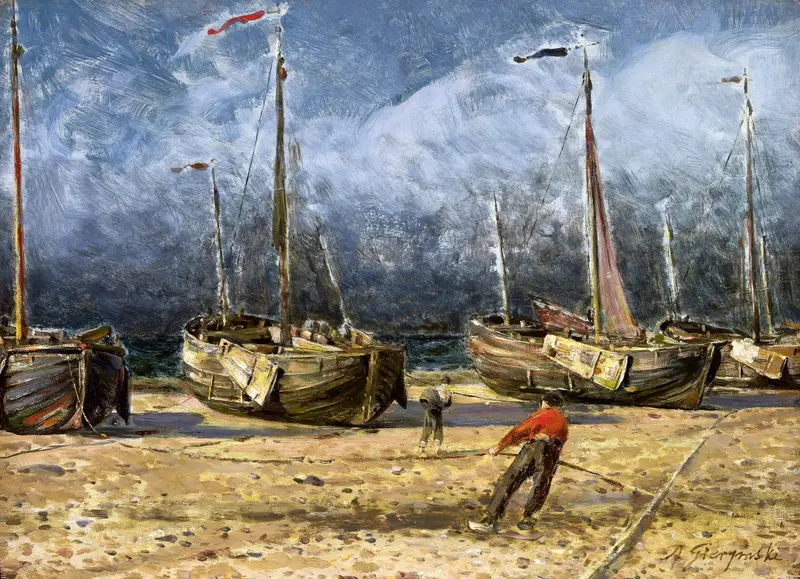
Fishing boats at the shore.
Aleksander Gierymski
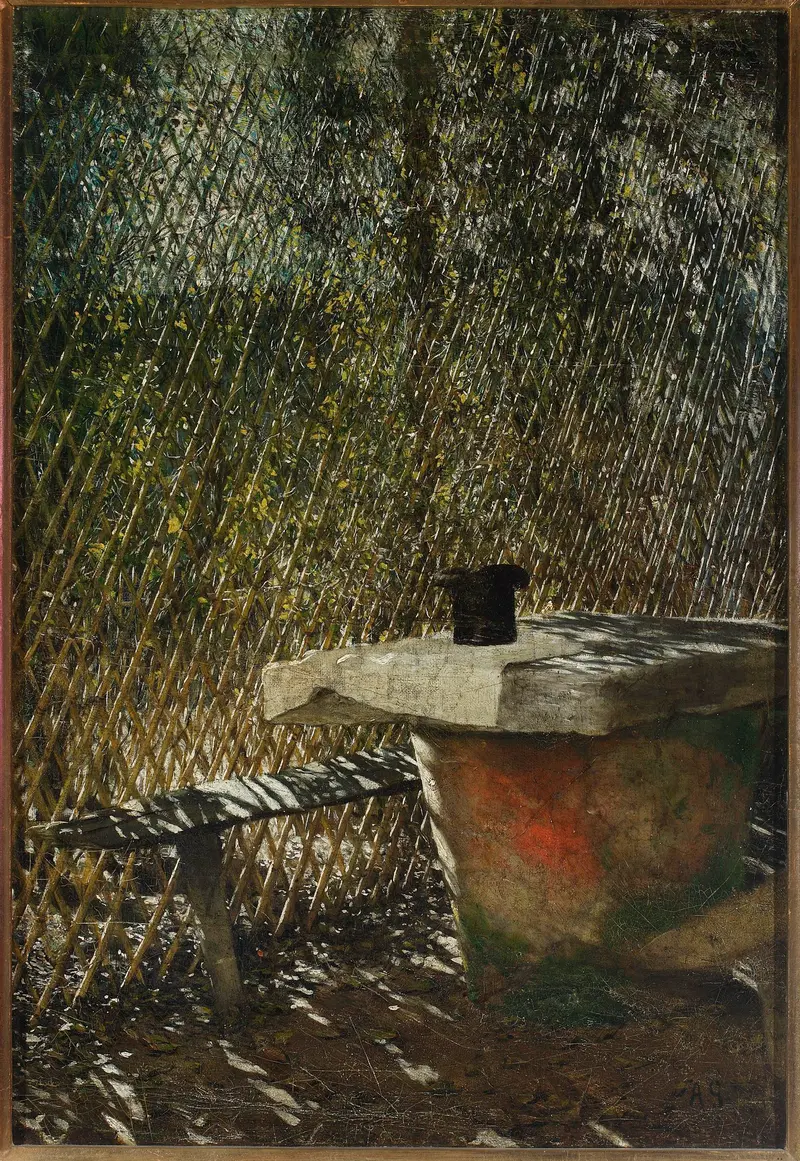
Study with a topper.
Aleksander Gierymski





