
Study with a topper. — History & Facts
What first catches the eye in Study with a topper is the play of sunlight, slicing through a latticework fence and scattering sharp shadows across a rough stone table. Atop this table, a solitary black top hat sits like a punctuation mark, its formal silhouette out of place amid the rustic setting. The bench, angled just so, seems to invite a pause, yet the absence of any figure leaves the scene suspended in anticipation.
The hat’s presence suggests a story just missed—a visitor who has stepped away, or a moment of reflection interrupted. The painter’s attention to the geometry of light and shadow leads the viewer’s gaze in a diagonal sweep, drawing out the quiet drama of an everyday corner transformed by observation. Created between 1876 and 1880, this work by Aleksander Gierymski belongs to a period when artists across Europe were turning their eyes to the ordinary, finding poetry in the overlooked. The late nineteenth century saw a fascination with fleeting effects of light and the honest depiction of humble scenes, as Realism and early Impressionism gained ground.
In Poland, as elsewhere, painters like Gierymski experimented with how sunlight could animate even a simple garden table, and how an object as mundane as a topper could become a silent protagonist. Now housed in the National Museum in Warsaw, Study with a topper stands as a quiet testament to this era’s faith in the power of close looking—inviting us, in turn, to linger on its details and imagine the stories that hover just out of sight.
More Artworks by Aleksander Gierymski

Piaskarze
Aleksander Gierymski
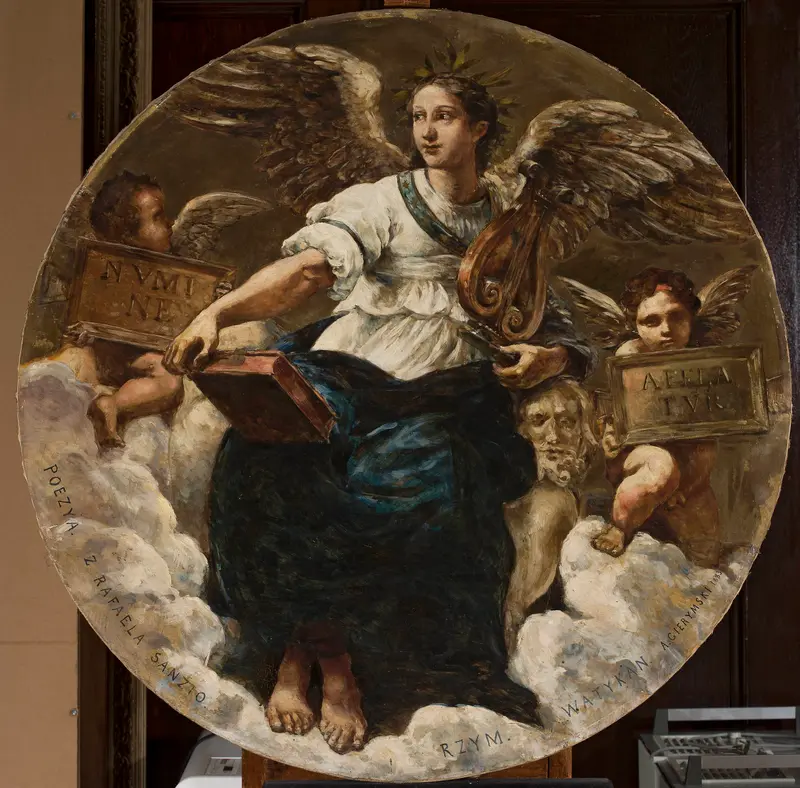
Poetry
Aleksander Gierymski
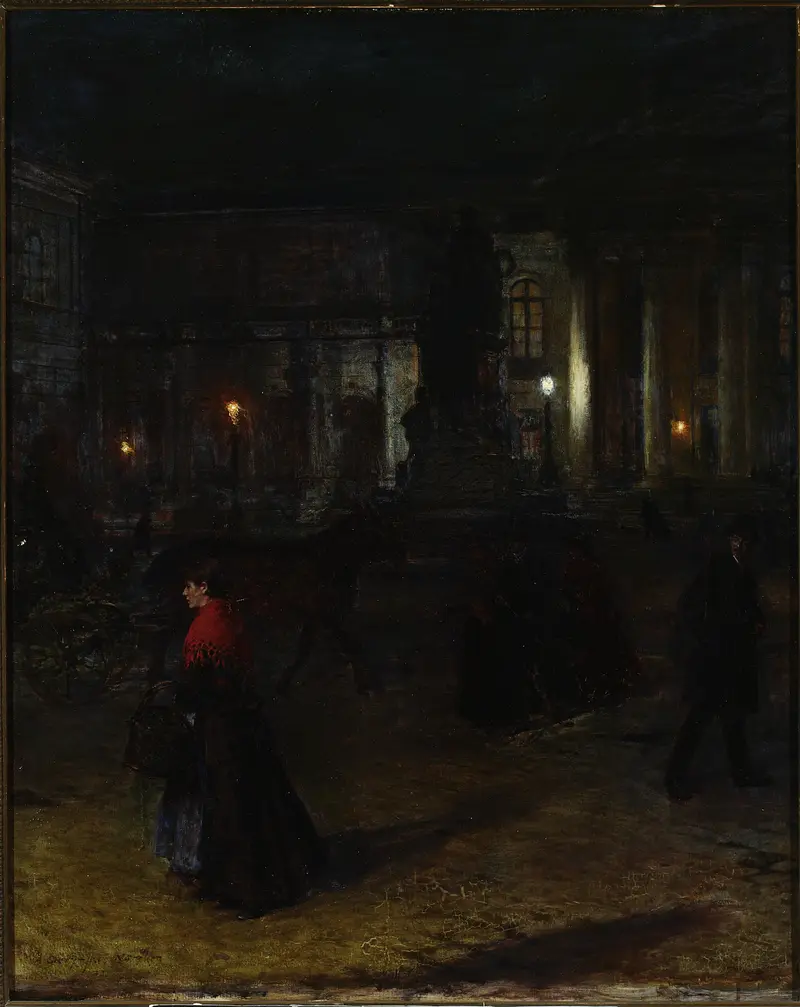
Max-Joseph-Platz in Munich by night.
Aleksander Gierymski
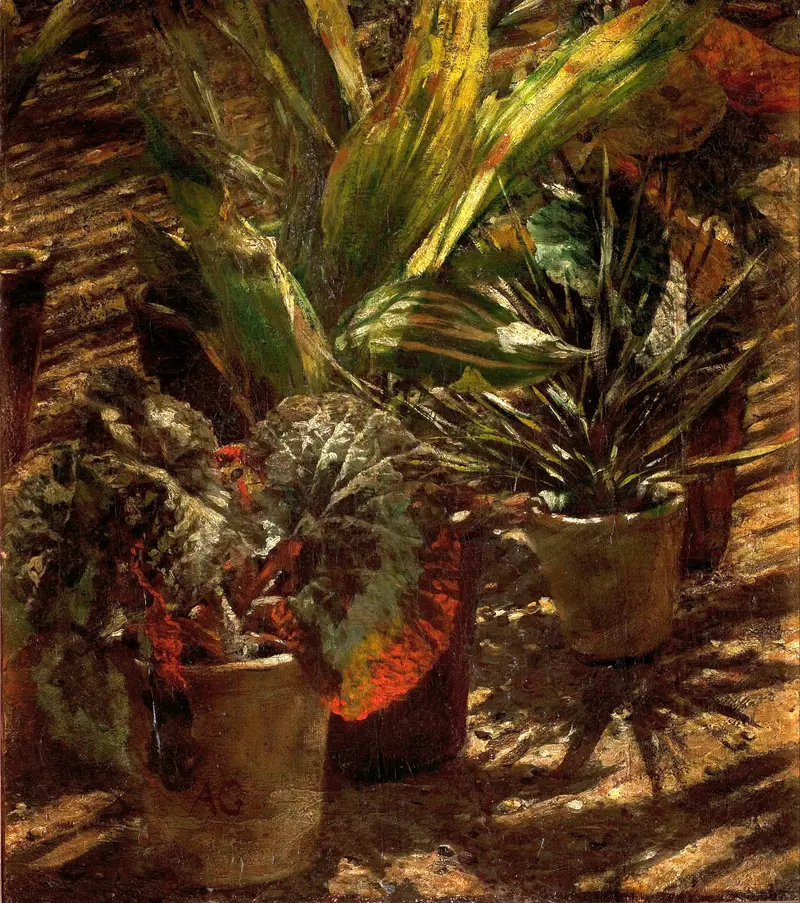
Begonie
Aleksander Gierymski
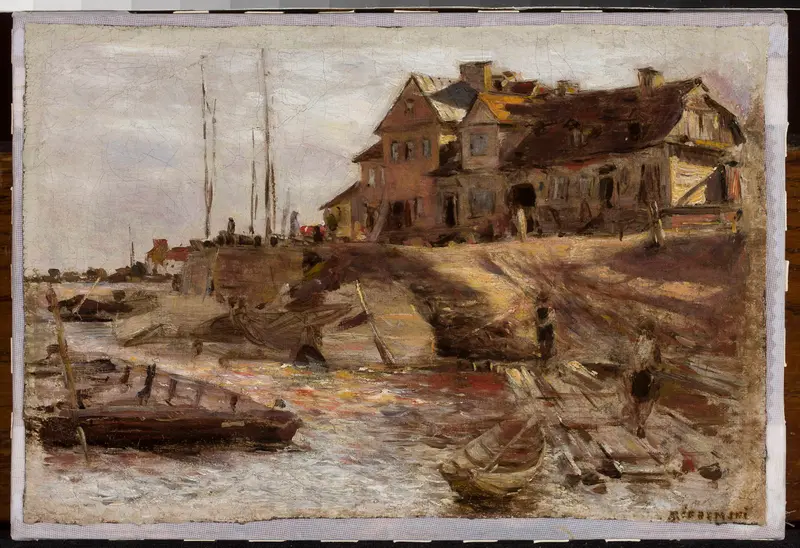
Solec harbour (study).
Aleksander Gierymski
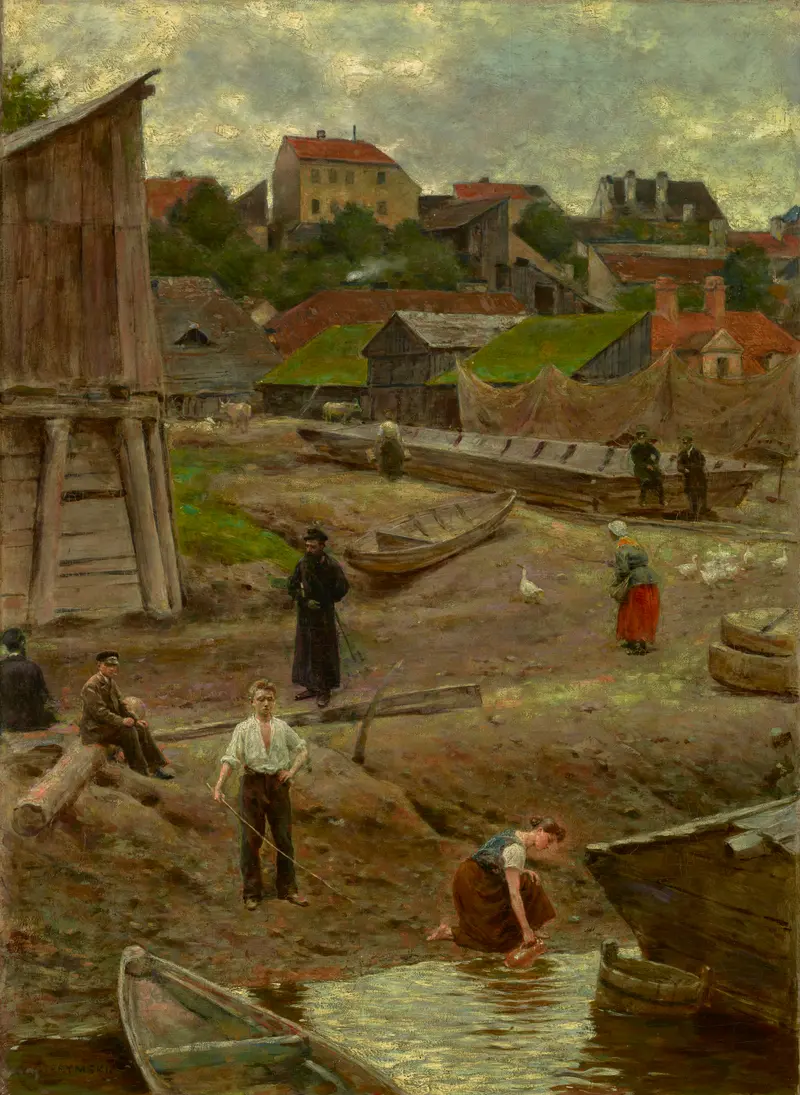
Powiśle (Bank of the Vistula in Warsaw)
Aleksander Gierymski
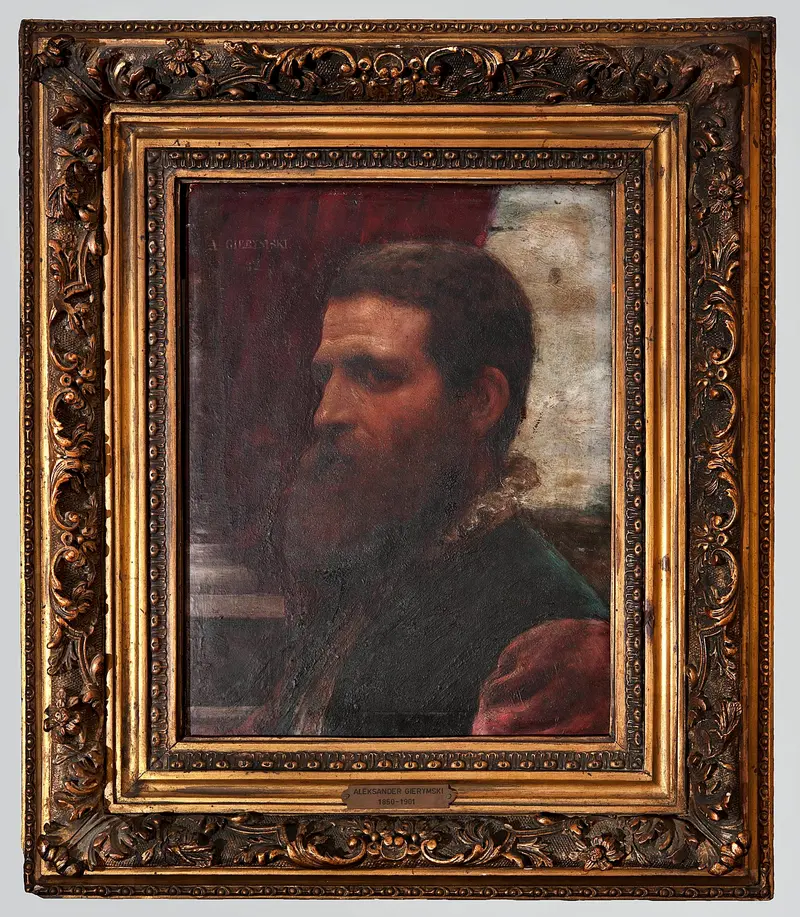
A bust of a man in Renaissance costume.
Aleksander Gierymski
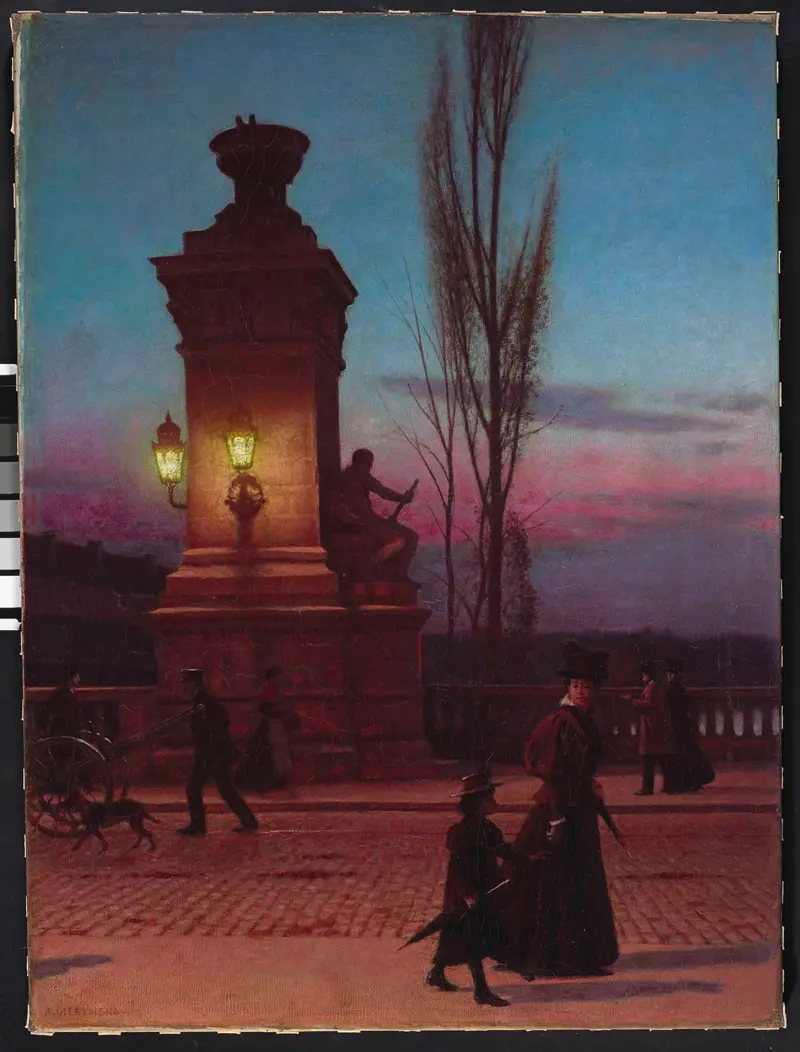
Louis Bridge in Munich.
Aleksander Gierymski
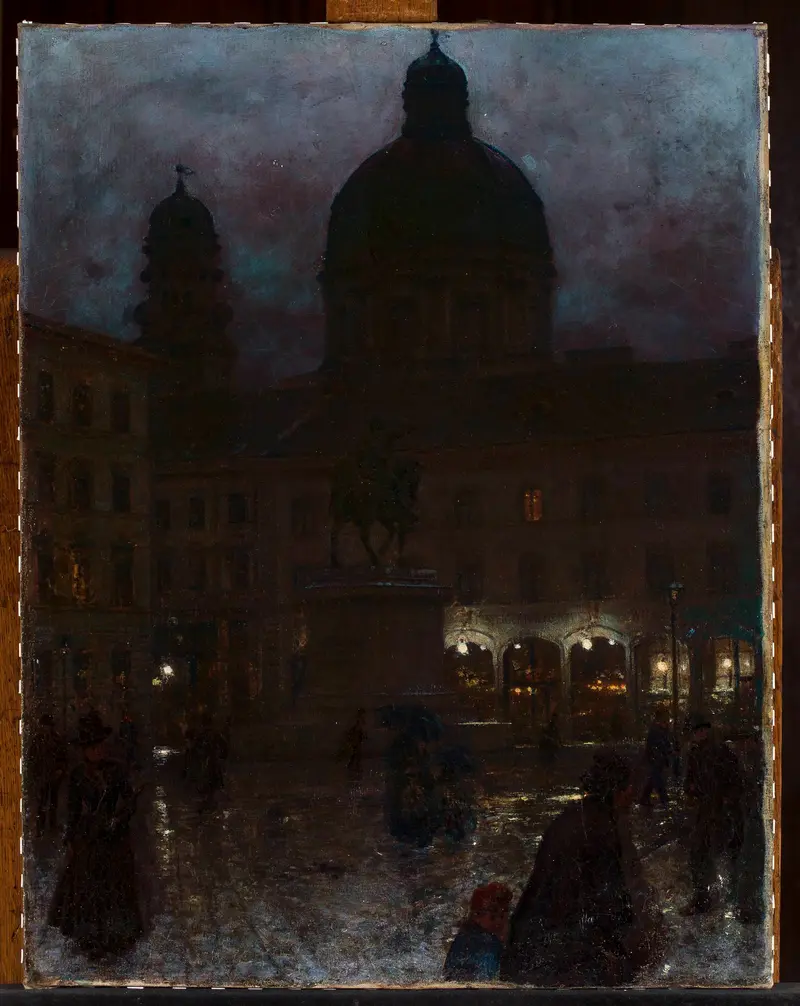
Wittelsbacher Square in Munich at night.
Aleksander Gierymski
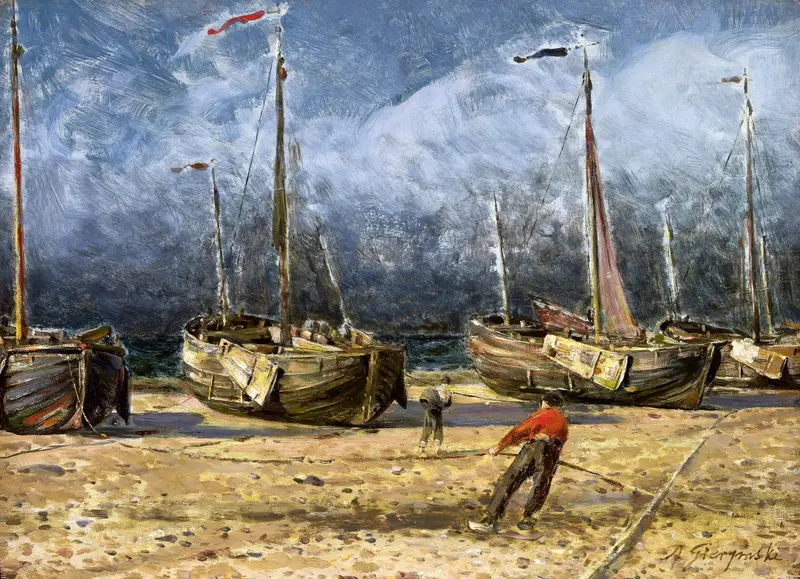
Fishing boats at the shore.
Aleksander Gierymski





