
Louis Bridge in Munich. — History & Facts
A hush falls over the city as day slips quietly into night, and in the heart of Munich, the Louis Bridge becomes a stage for the subtle drama of urban life. The first thing to catch the eye is the glow of gas lamps, their golden light pooling around the monumental stone pillar and casting long shadows across the cobblestones. A woman and child, hands clasped, stride briskly through the dusk, their faces half-turned toward the viewer as if caught mid-thought, while other figures drift past—some in conversation, others lost in their own worlds.
The sky, painted in a gradient from deep blue to a bruised pink, sets the mood: this is a city in transition, caught between the bustle of day and the secrets of night. Painted in 1890, Louis Bridge in Munich by Aleksander Gierymski belongs to a world where cityscapes were becoming a favored subject for artists eager to capture the modern pulse of Europe. In the late nineteenth century, painters turned their gaze to bridges, boulevards, and gaslit evenings, fascinated by the new rhythms of urban life and the fleeting effects of artificial light. Works like this, now housed in the National Museum in Warsaw, remind us that history has kept few traces of the countless everyday crossings and encounters that shaped cities like Munich.
Yet, in Gierymski’s hands, a single evening on a bridge becomes a lasting meditation on movement, solitude, and the quiet poetry of the city—inviting us to linger a moment longer in the fading light.
More Artworks by Aleksander Gierymski

Piaskarze
Aleksander Gierymski
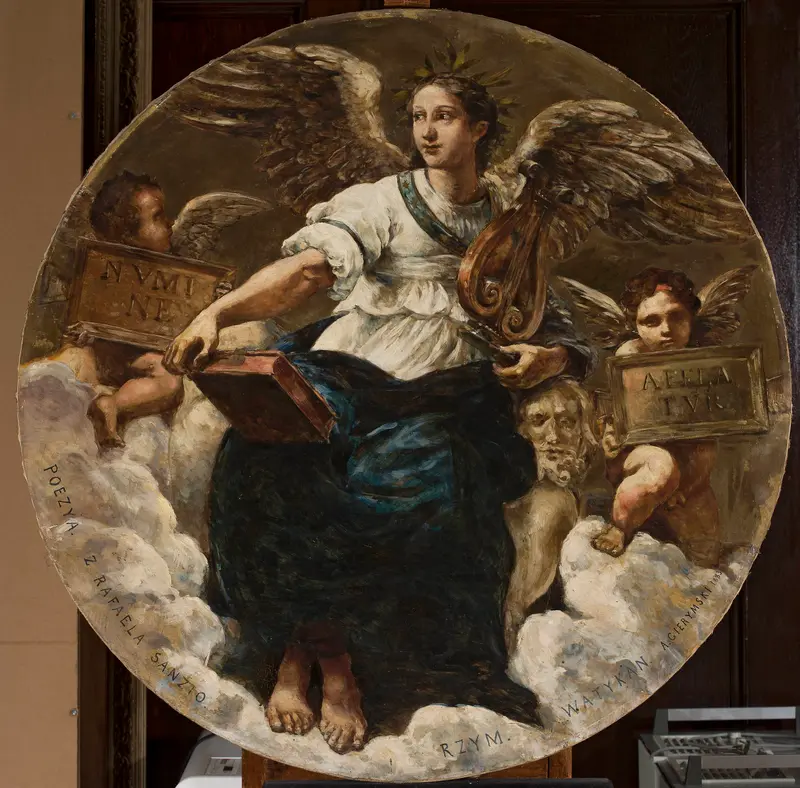
Poetry
Aleksander Gierymski
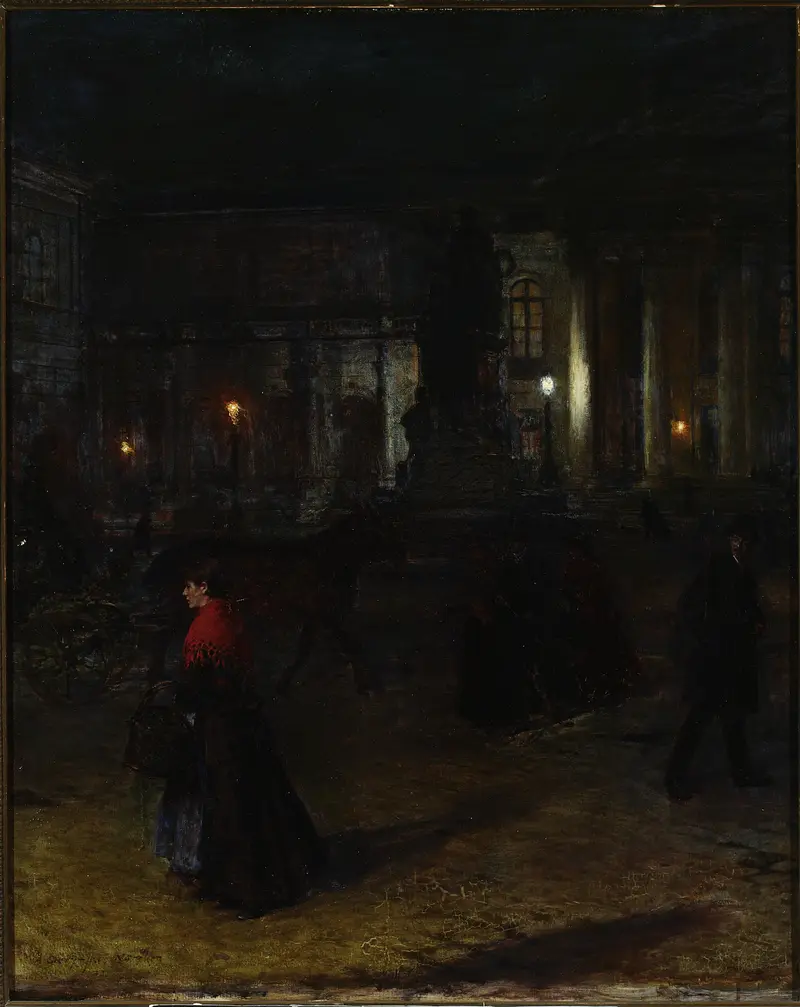
Max-Joseph-Platz in Munich by night.
Aleksander Gierymski
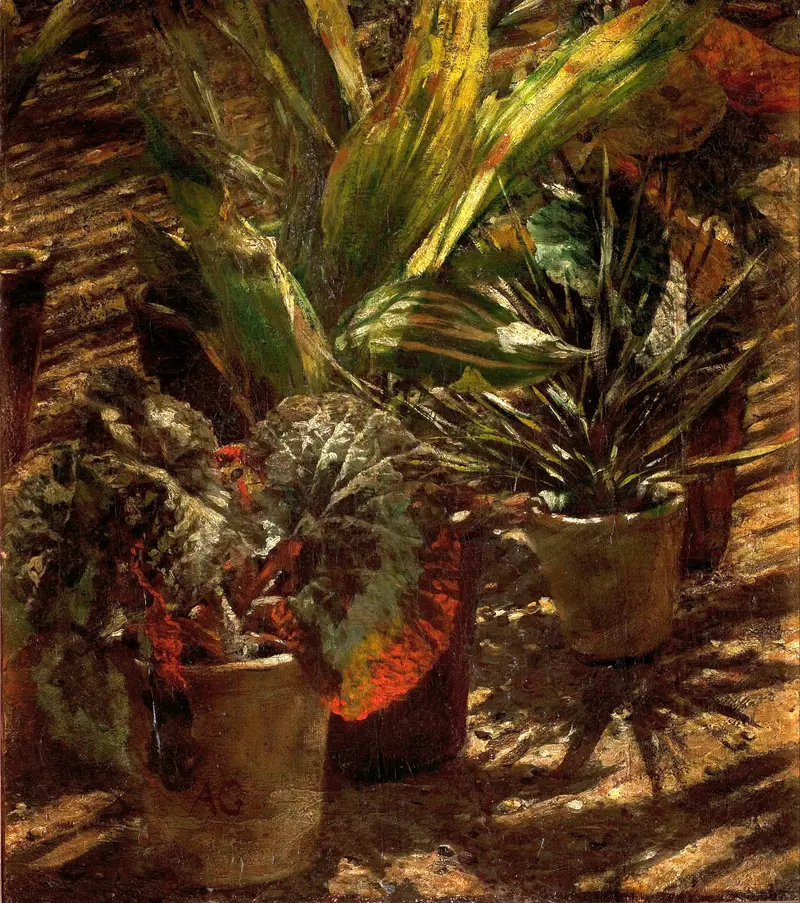
Begonie
Aleksander Gierymski
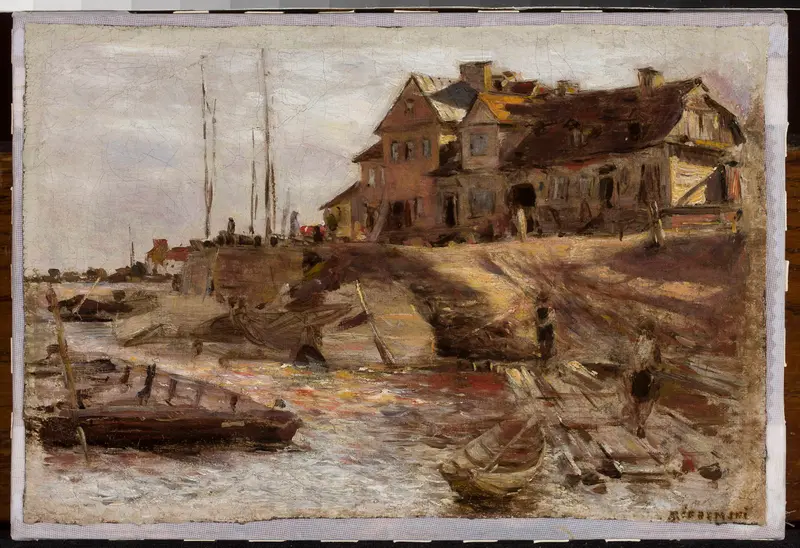
Solec harbour (study).
Aleksander Gierymski
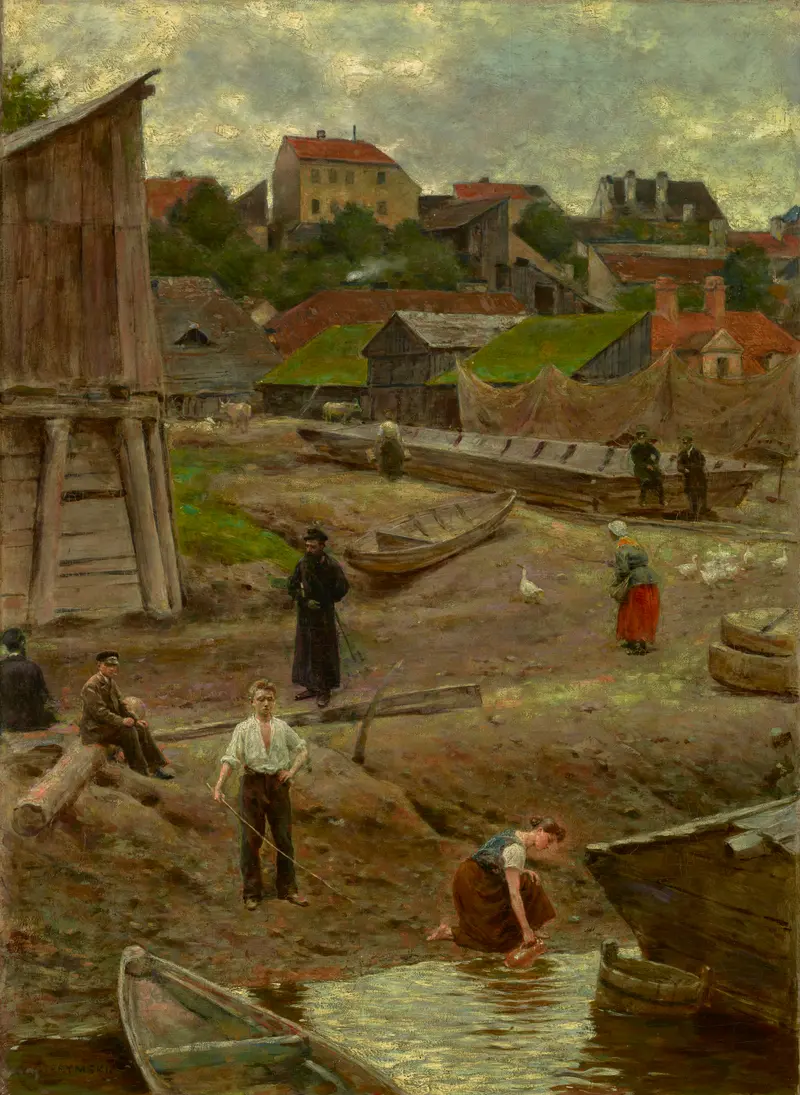
Powiśle (Bank of the Vistula in Warsaw)
Aleksander Gierymski
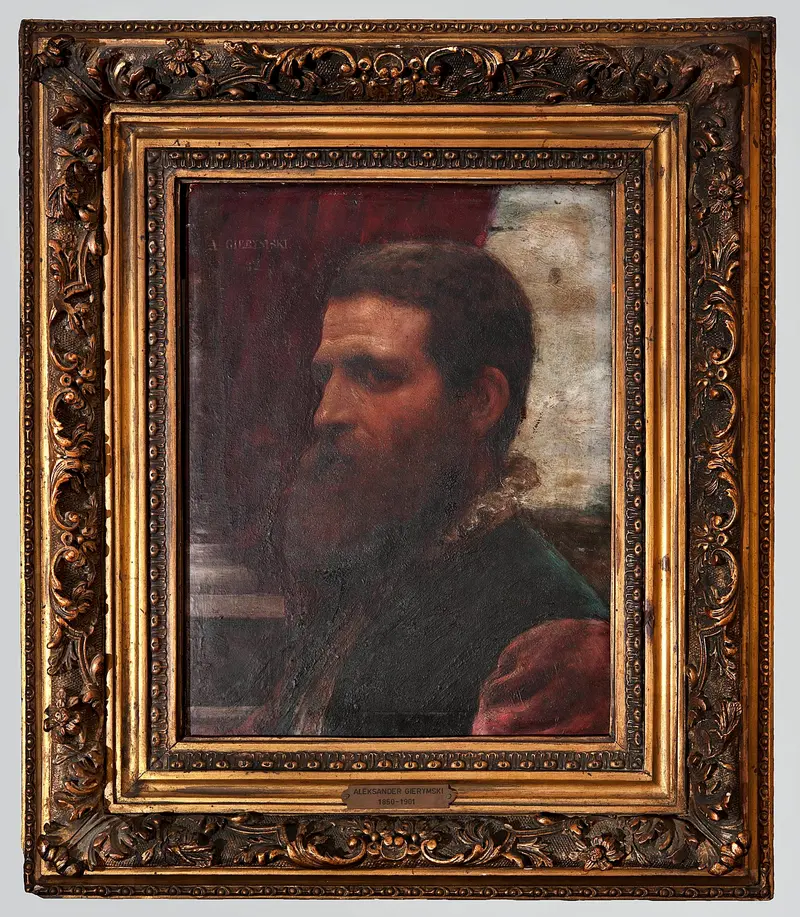
A bust of a man in Renaissance costume.
Aleksander Gierymski
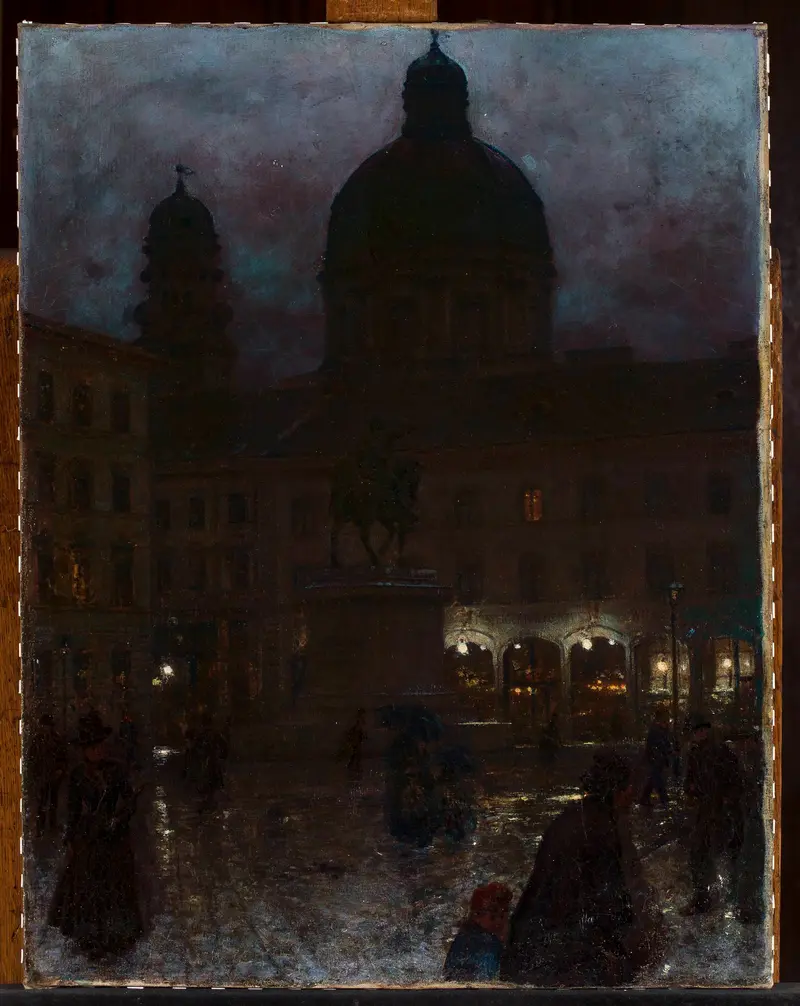
Wittelsbacher Square in Munich at night.
Aleksander Gierymski
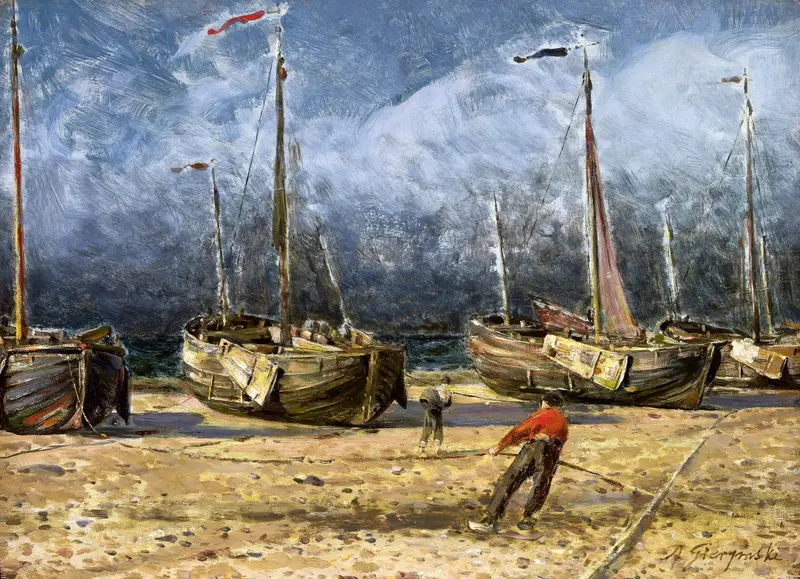
Fishing boats at the shore.
Aleksander Gierymski
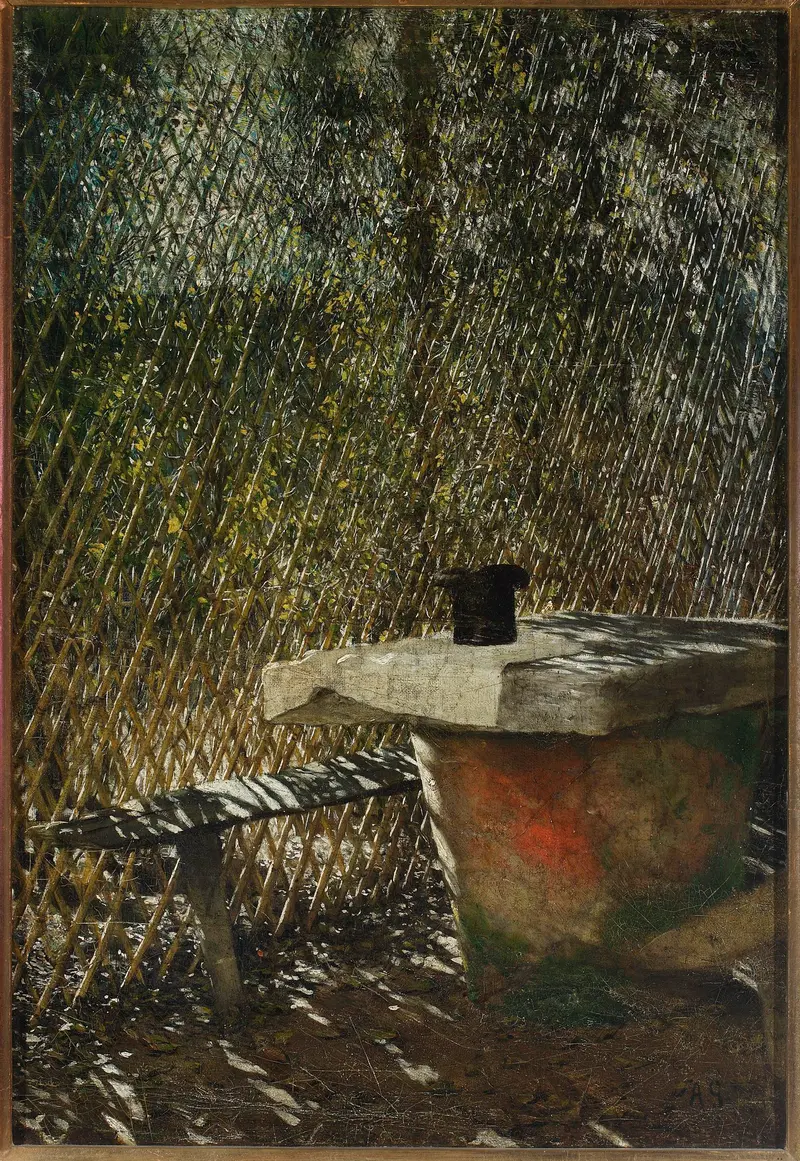
Study with a topper.
Aleksander Gierymski
More Genre Scene Art

Banquet of the Officers of the St George Civic Guard
Frans Hals

Rembrandt and Saskia in the Scene of the Prodigal Son
Rembrandt van Rijn

Bal du moulin de la Galette
Pierre-Auguste Renoir

Quadrille at the Moulin Rouge
Henri de Toulouse-Lautrec

A Burial at Ornans
Gustave Courbet

When Will You Marry?
Paul Gauguin