Bespotting van Ceres — History & Facts
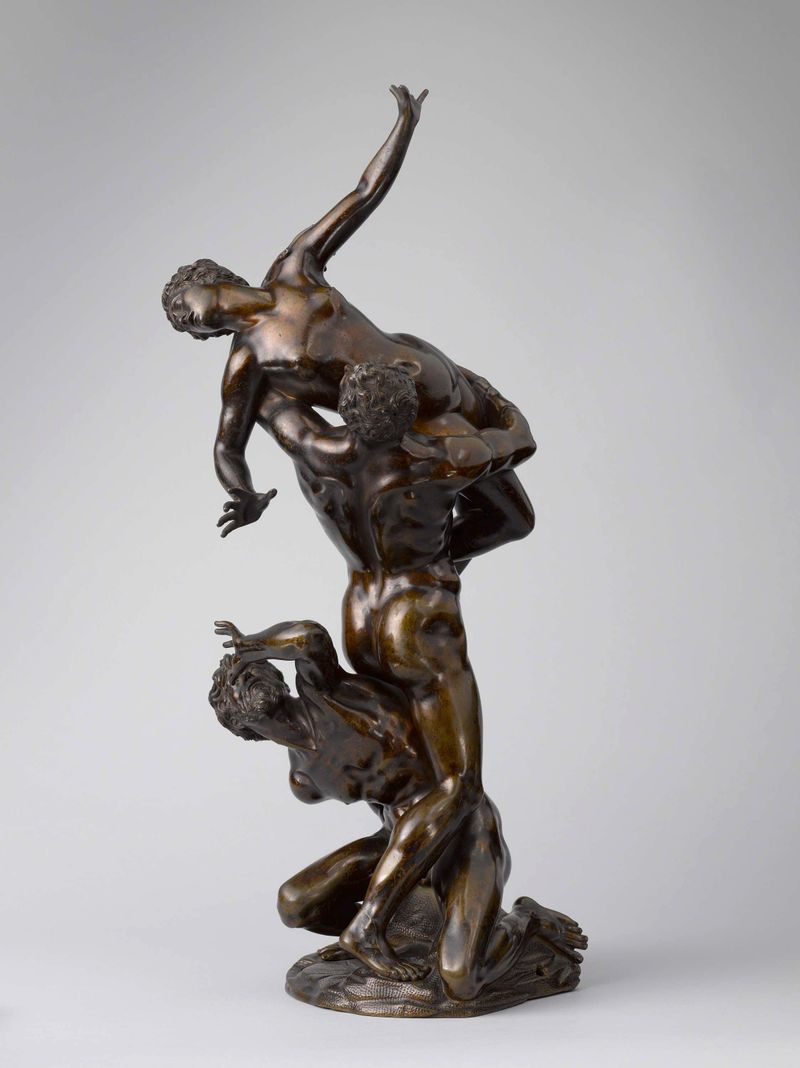
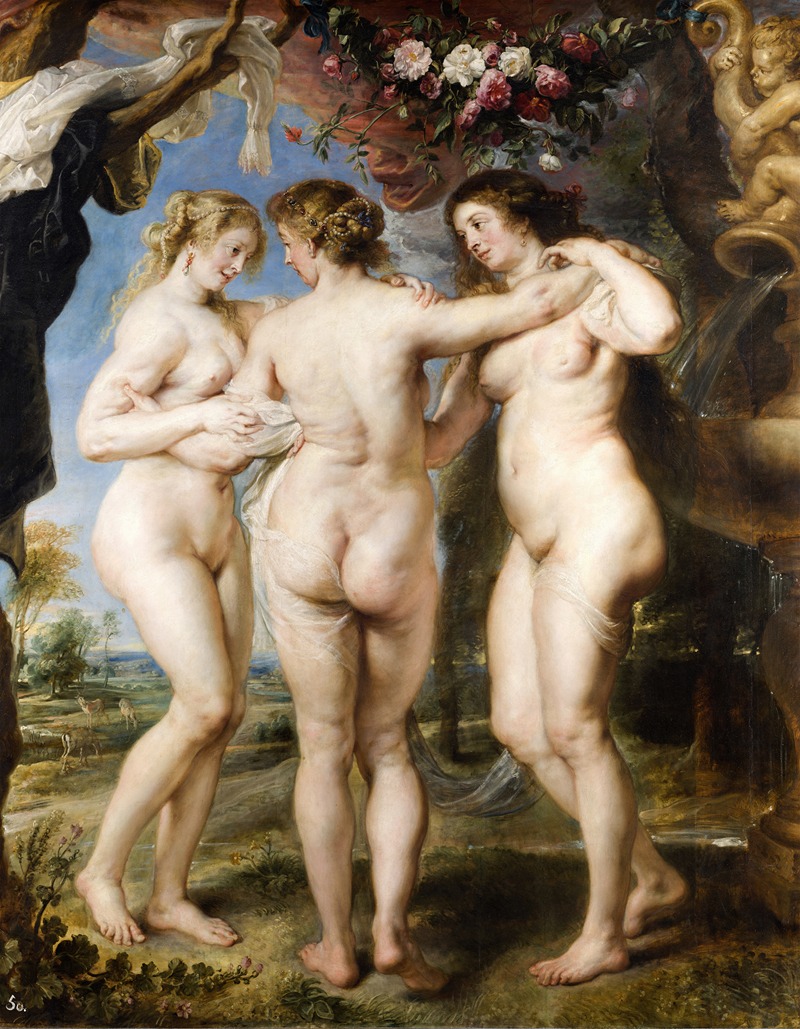
Art reveals the soul when the world turns away. In the quiet embrace of a simple moment, desire manifests itself, echoing through the ages in subtle forms. It invites contemplation, urging us to seek deeper connections beyond what we see. Look to the center, where Ceres, the goddess of agriculture, stands poised yet serene, capturing both strength and longing.
Her delicate features are softened by the gentle curves of her drapery, which cascade with the natural grace of earth’s bounty. Notice how the interplay of light and shadow enhances the richness of her garments, the golden hue hinting at the ripeness of harvests, while the cool green suggests life and growth. Surrounding her, the flora is meticulously rendered, each leaf and flower capturing the artist’s intricate detail and reverence for nature. Beneath the surface, layers of meaning unfold.
The goddess’s gaze seems to drift, suggesting a yearning for abundance that extends beyond mere sustenance—a desire for deeper fulfillment in existence. The harmonious arrangement of fruits and plants around her suggests the interdependence of nature and humanity, each thriving upon the other. This careful composition reveals the tension between the ideals of fertility and the reality of life's fleeting moments, inviting viewers to reflect on their own desires and the cultivation of personal growth. Wenceslaus Hollar created this piece in 1646, during a period of significant upheaval in Europe marked by the Thirty Years’ War.
Residing in England, Hollar was deeply influenced by the baroque movement, which emphasized emotional depth and intricate details. His work often threaded natural beauty with philosophical undertones, reflecting the complexity of the human condition, and Bespotting van Ceres embodies this duality perfectly.
More Artworks by Wenceslaus Hollar
Browse all →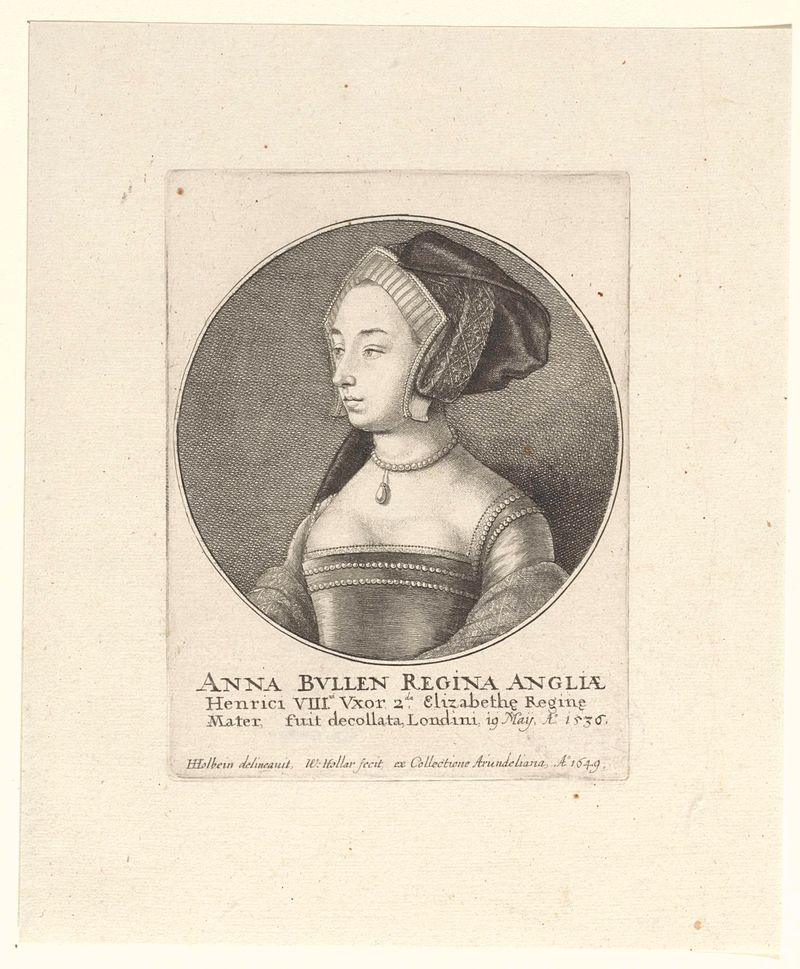
Portret van Anna Boleyn, koningin van Engeland
Wenceslaus Hollar
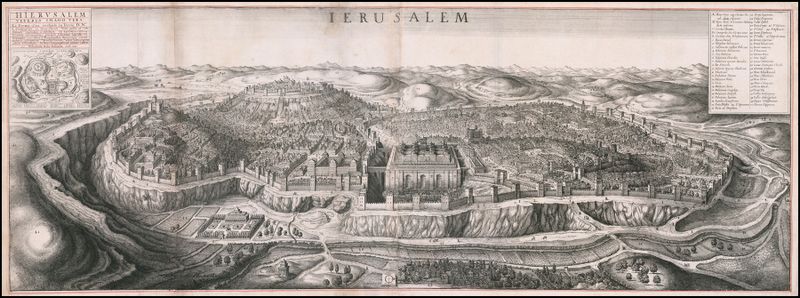
Bird’s eye view of Jerusalem
Wenceslaus Hollar
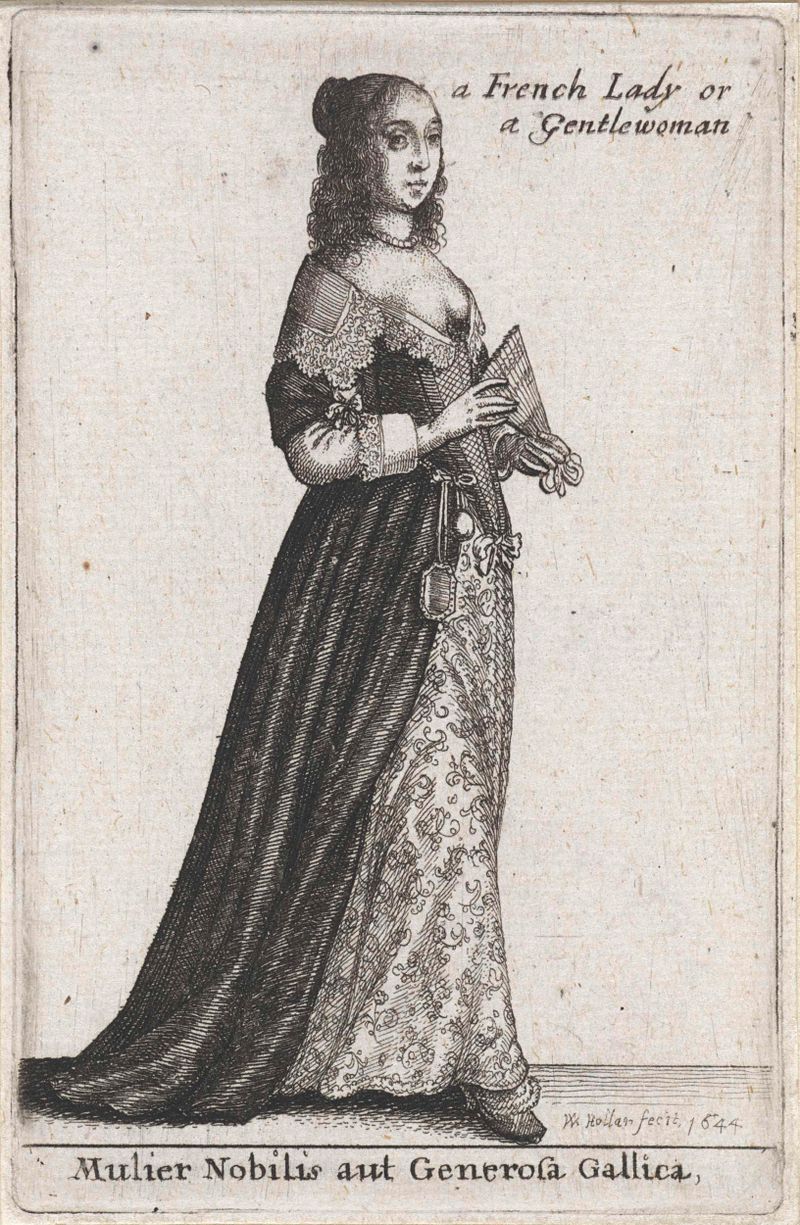
Mulier Nobilis aut Generosa Gallica / a French Lady or Gentlewoman
Wenceslaus Hollar
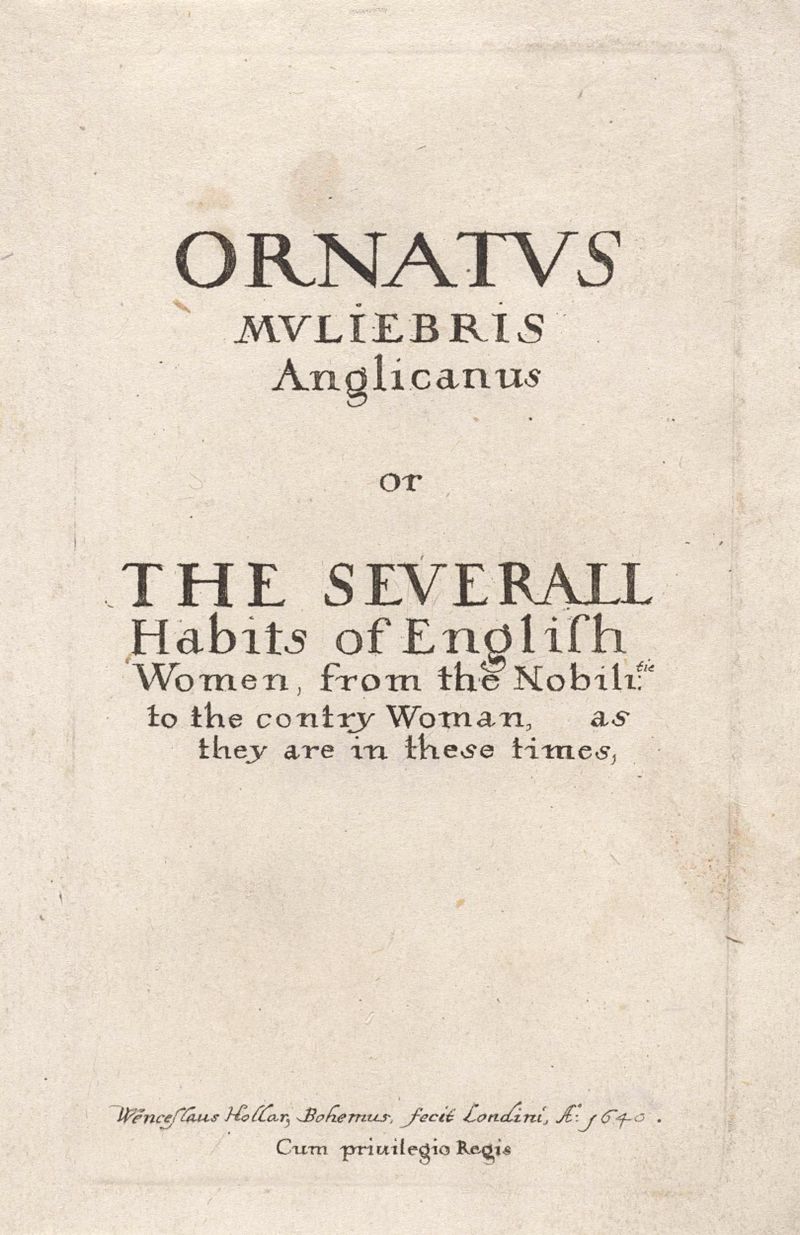
Titelprent voor: Ornatus Muliebris Anglicanus
Wenceslaus Hollar
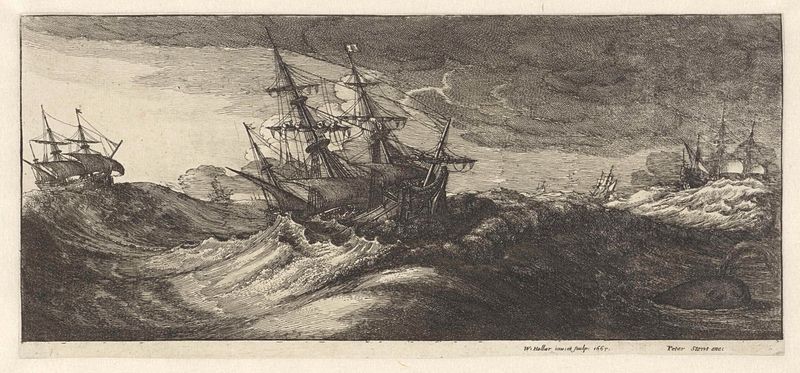
Oorlogsschepen en een walvis in een zeestorm
Wenceslaus Hollar
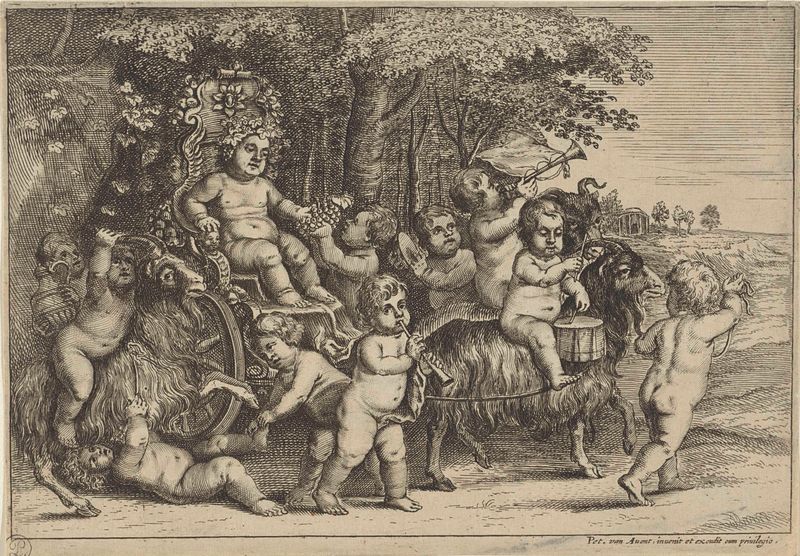
Optocht van bacchant en jongetjes op geiten
Wenceslaus Hollar
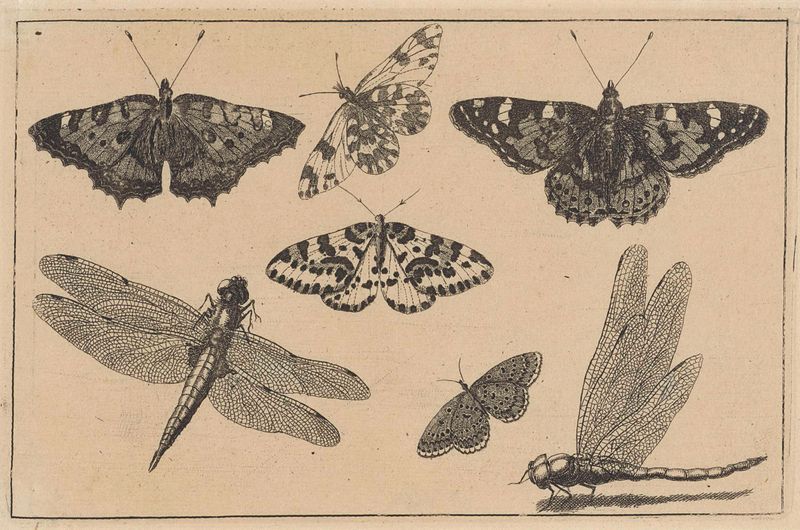
Twee libellen en vijf vlinders
Wenceslaus Hollar
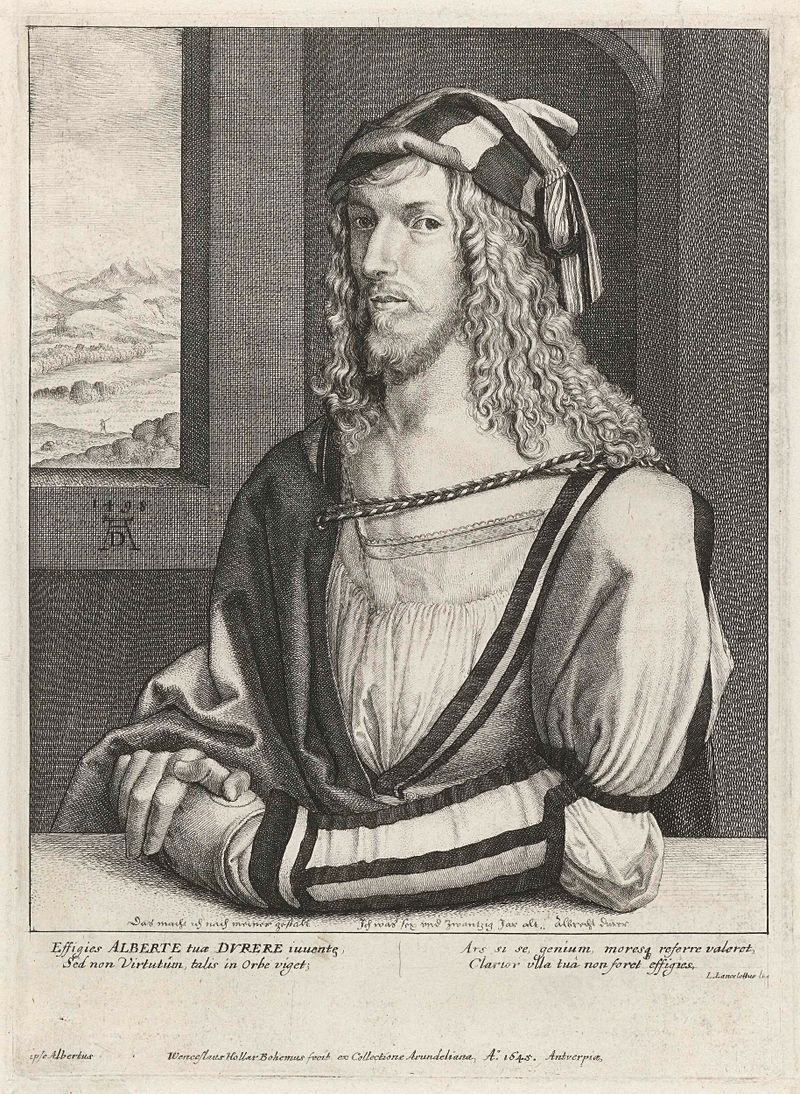
Portret van Albrecht Dürer
Wenceslaus Hollar
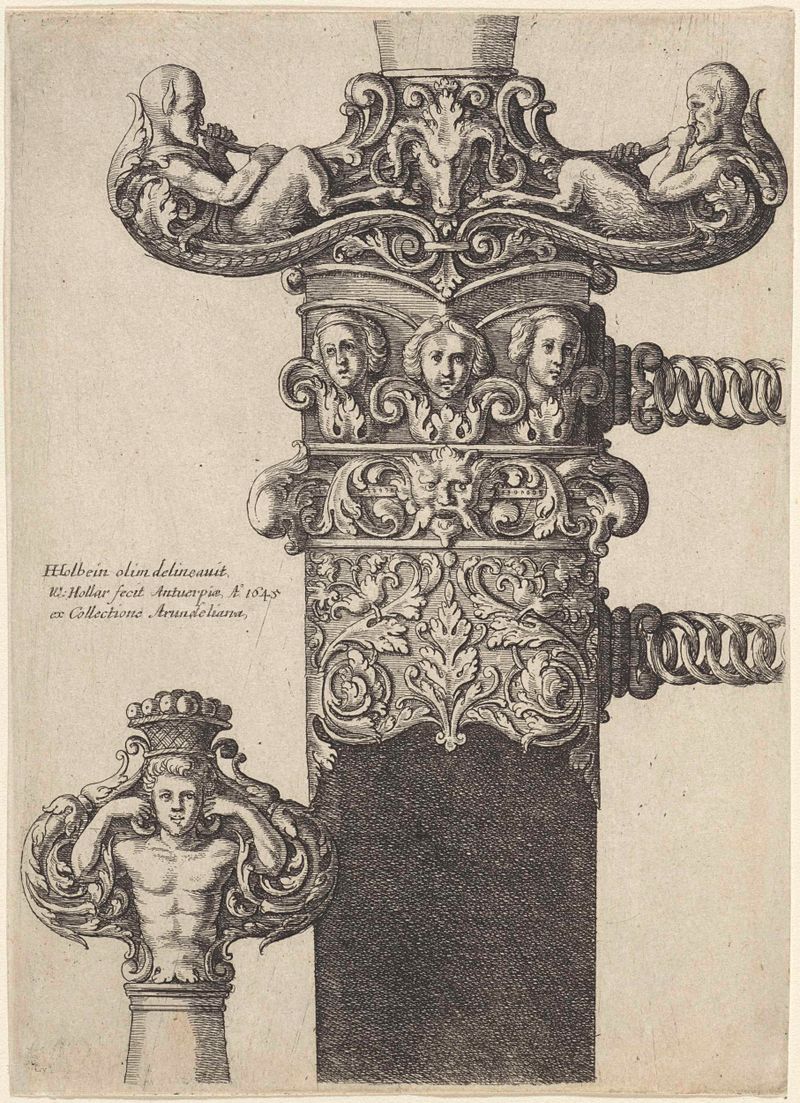
Ornamenteel ontwerp voor een dolk
Wenceslaus Hollar
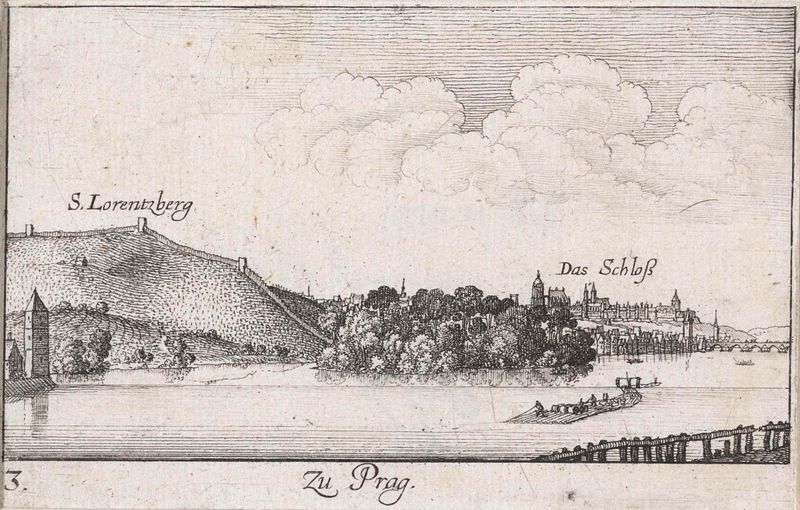
Gezicht op Praag vanaf de Moldau
Wenceslaus Hollar