
Bespotting van Christus — History & Facts
Can beauty exist without sorrow? The delicate interplay of light and shadow in Bespotting van Christus suggests a profound reflection on this age-old question, inviting viewers into a world teetering between reverence and quiet despair. Look to the center of the composition, where the figure of Christ, crowned with thorns, stands before an assembly of grieving figures. Notice how the artist skillfully employs a muted palette, allowing the browns and grays to deepen the somber mood. The intricate details in Christ’s robe contrast with the plain garments of those around him, highlighting both his divine nature and the human suffering that envelops the scene.
The light, streaming from an unseen source, bathes Christ’s face in a gentle glow, drawing your gaze and evoking a sense of empathy. As you explore the painting further, observe the small yet poignant details: the tear-streaked faces of the onlookers, their hands clasped in prayer or raised in despair. Each gesture reveals a spectrum of mourning and hope, capturing the emotional gravity of the moment. The juxtaposition of Christ's serene expression against the turmoil of the crowd encapsulates the tension between suffering and faith, suggesting that from sorrow arises a profound beauty found in collective grief. Painted in 1521, this work emerged during a time of spiritual upheaval in Europe, as the Reformation began to challenge the established Church.
Lucas van Leyden, known for his mastery in engravings and oil paintings, was influenced by both religious fervor and humanist ideals. As he captured this poignant scene, he was not only addressing the immediate struggles of his time but also reflecting on the timeless interplay of beauty, suffering, and the hope for redemption.
More Artworks by Lucas van Leyden
Browse all →
Het eerste verbod
Lucas van Leyden
Adam en Eva na de verdrijving uit het paradijs
Lucas van Leyden
De kruisiging
Lucas van Leyden
Kruisdraging
Lucas van Leyden
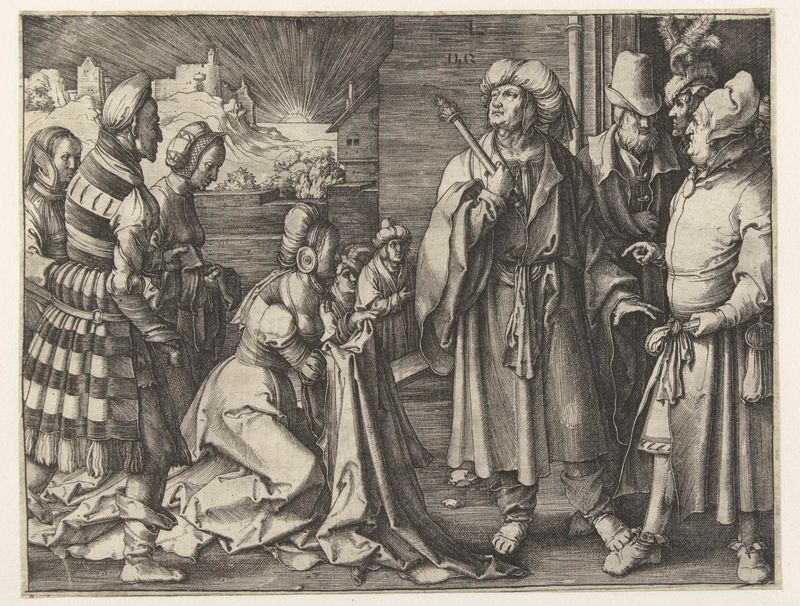
De vrouw van Potifar beschuldigt Jozef
Lucas van Leyden
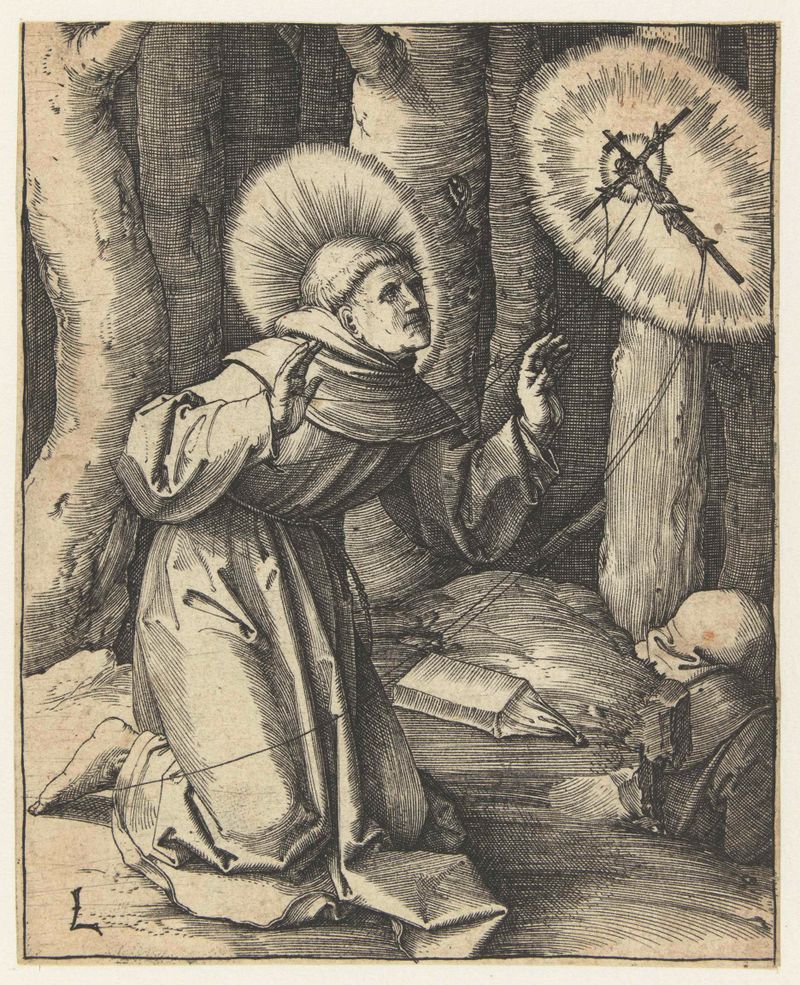
De stigmatisatie van de heilige Franciscus
Lucas van Leyden
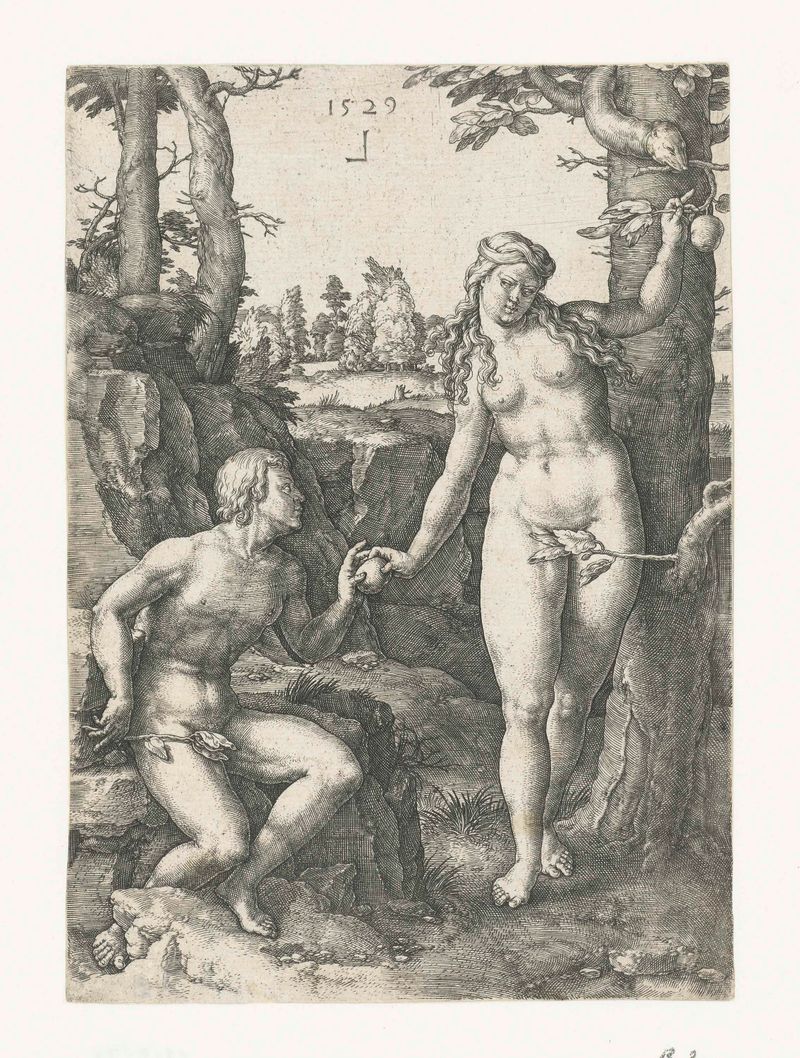
De zondeval
Lucas van Leyden
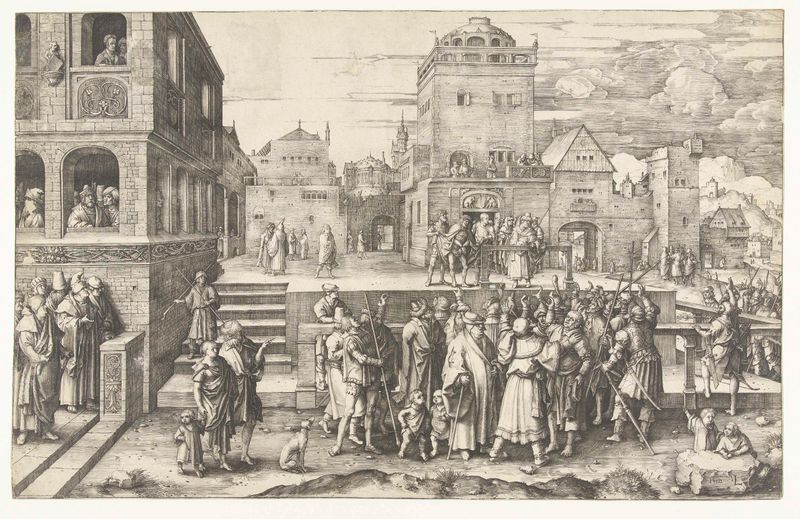
De grote Ecce Homo
Lucas van Leyden
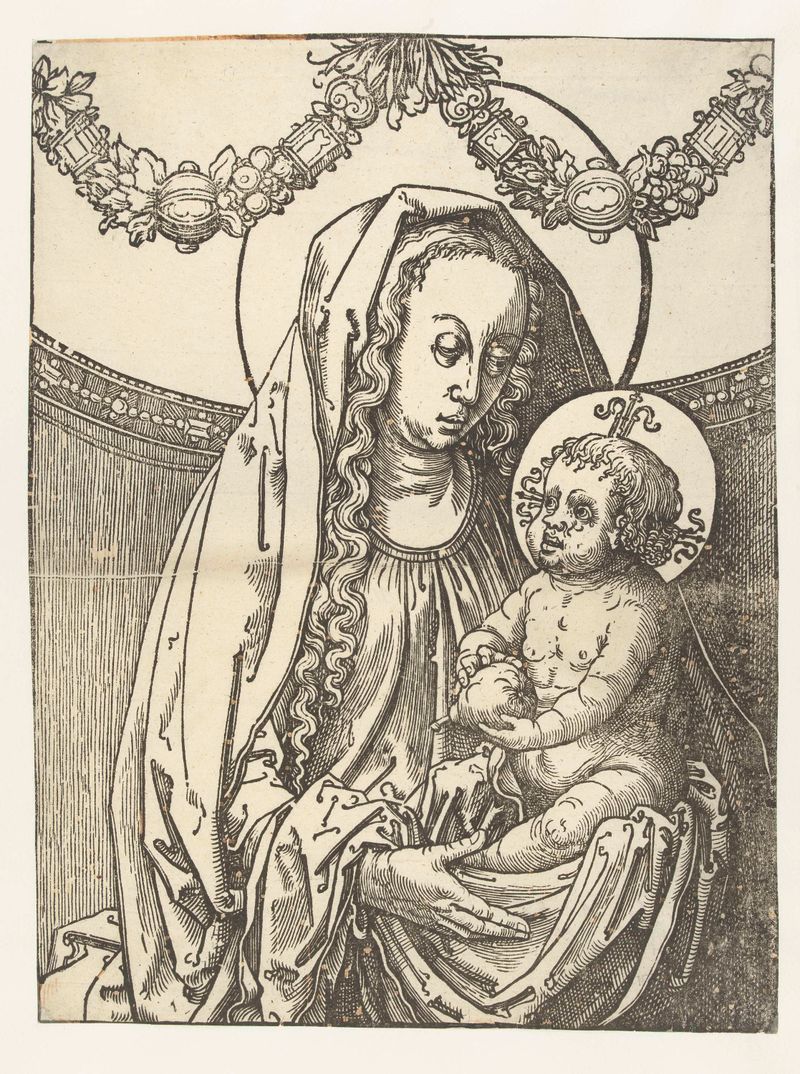
Maria met kind
Lucas van Leyden

Doornenkroning
Lucas van Leyden
More Religious Art
Browse all →
The Return of the Prodigal Son
Rembrandt van Rijn

The Garden of Earthly Delights
El Bosco

Count Orgaz’ funeral
El Greco

The Hundred Guilder Print: the central piece with Christ preaching, the plate arched
Rembrandt van Rijn

The Descent from the Cross
Rogier van der Weyden

The return of the prodigal son
Rembrandt van Rijn