Bibljoteka Jagiellońska — History & Facts
What secret hides in the quiet of the canvas? In a world filled with noise, there exists a profound stillness that invites contemplation, urging us to explore the void within. Focus first on the shelves, where books stand like sentinels in a grand library. Their spines, rich with hues of deep mahogany and gold, radiate a warm glow under the soft, ambient light filtering through tall windows. The meticulous arrangement guides the eye upward, revealing a ceiling adorned with intricate architectural details that evoke a sense of reverence.
Each brushstroke is deliberate, creating a harmony that mirrors the order and knowledge housed within these walls. Yet, beneath the surface lies a tension between emptiness and abundance. The void, subtly represented by the empty spaces between the books, contrasts with the rich textures of the materials, invoking a sense of longing. Perhaps it speaks to the unfulfilled potential of knowledge waiting to be discovered, or the silent echoes of countless stories yet to be told.
In this stillness, one feels both the weight of history and the fleeting nature of time, challenging viewers to reflect on their own relationship with knowledge and silence. In the years 1925 to 1926, Bibljoteka Jagiellońska emerged from Jan Kanty Gumowski's brush in Poland, a time when the country was reestablishing its cultural identity post-World War I. The artist, deeply influenced by the Academic tradition, sought to capture the essence of scholarly pursuit and the quiet dignity of a library. This work reflects not only personal exploration but also a broader artistic movement that celebrated the intersection of tradition and modernity in the evolving landscape of art.
More Artworks by Jan Kanty Gumowski
Browse all →
Dziedziniec Zamku królewskiego na Wawelu
Jan Kanty Gumowski
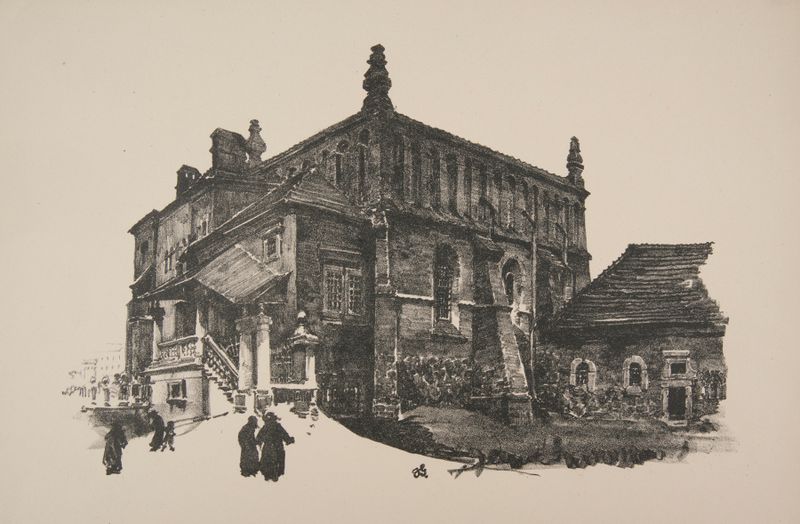
Stara synagoga na Kazimierzu
Jan Kanty Gumowski
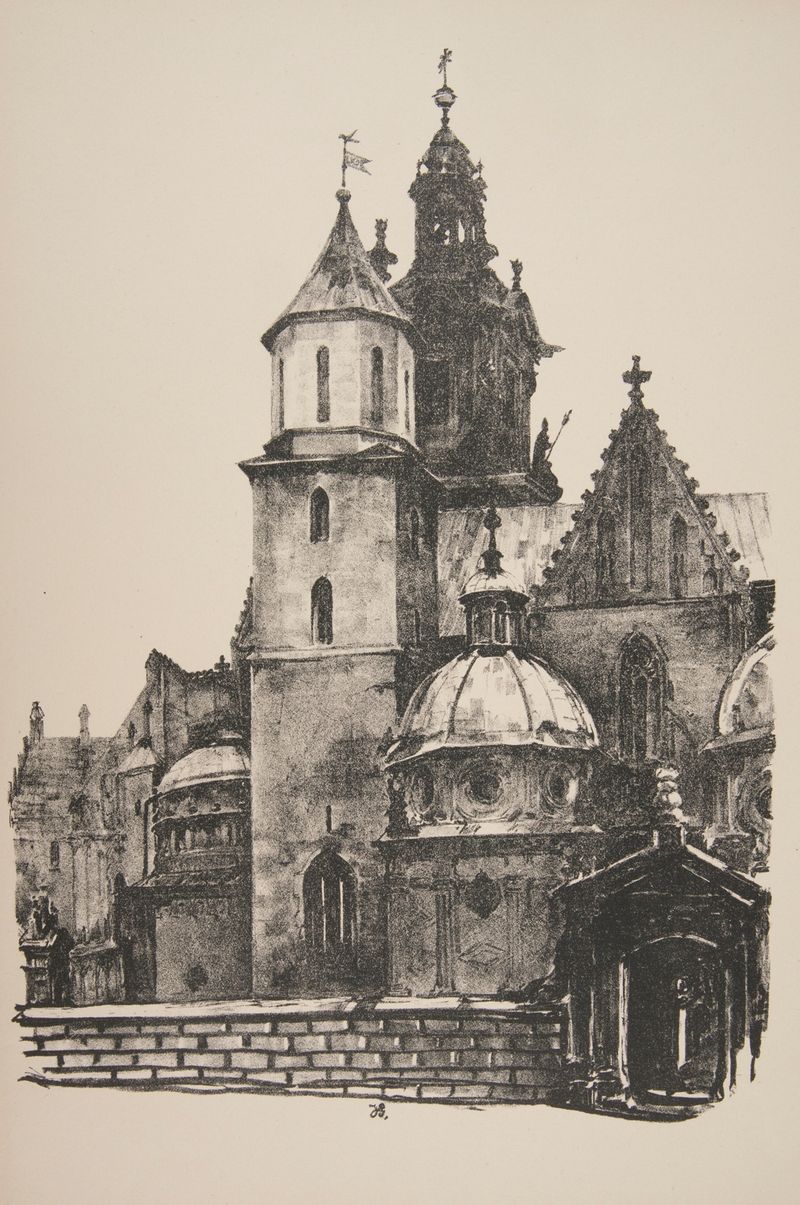
Katedra na Wawelu
Jan Kanty Gumowski
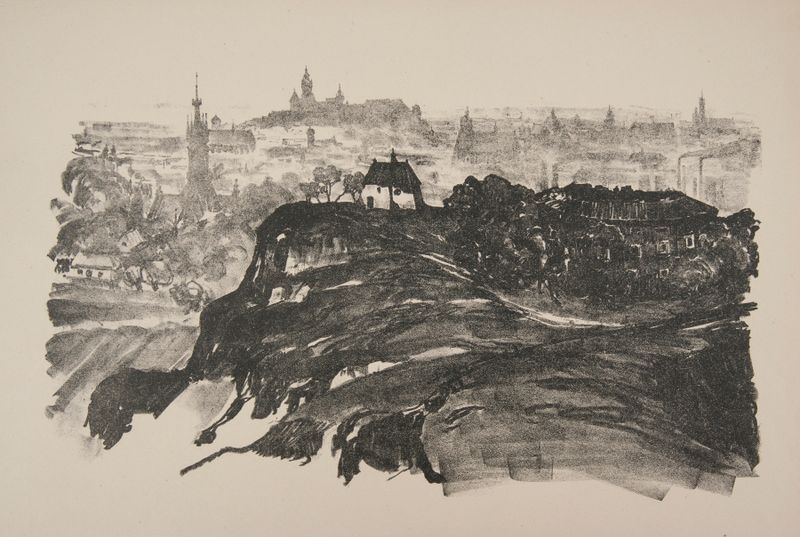
Widok ogólny Krakowa od południa
Jan Kanty Gumowski
Widoki Krakowa – cover
Jan Kanty Gumowski

Kościół Mariacki
Jan Kanty Gumowski
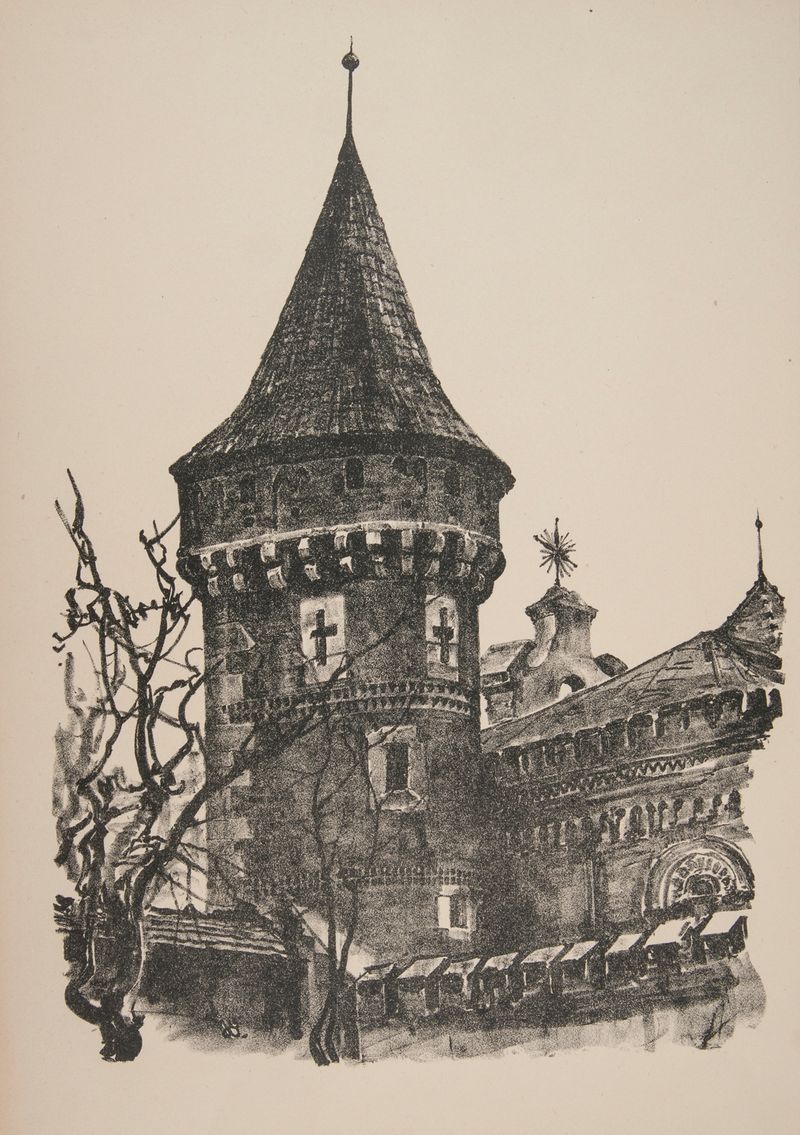
Baszta stolarska
Jan Kanty Gumowski
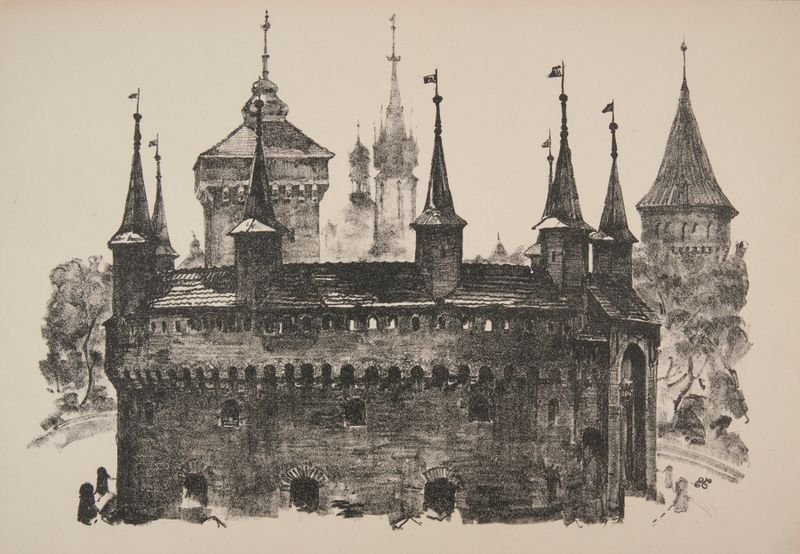
Barbakan
Jan Kanty Gumowski
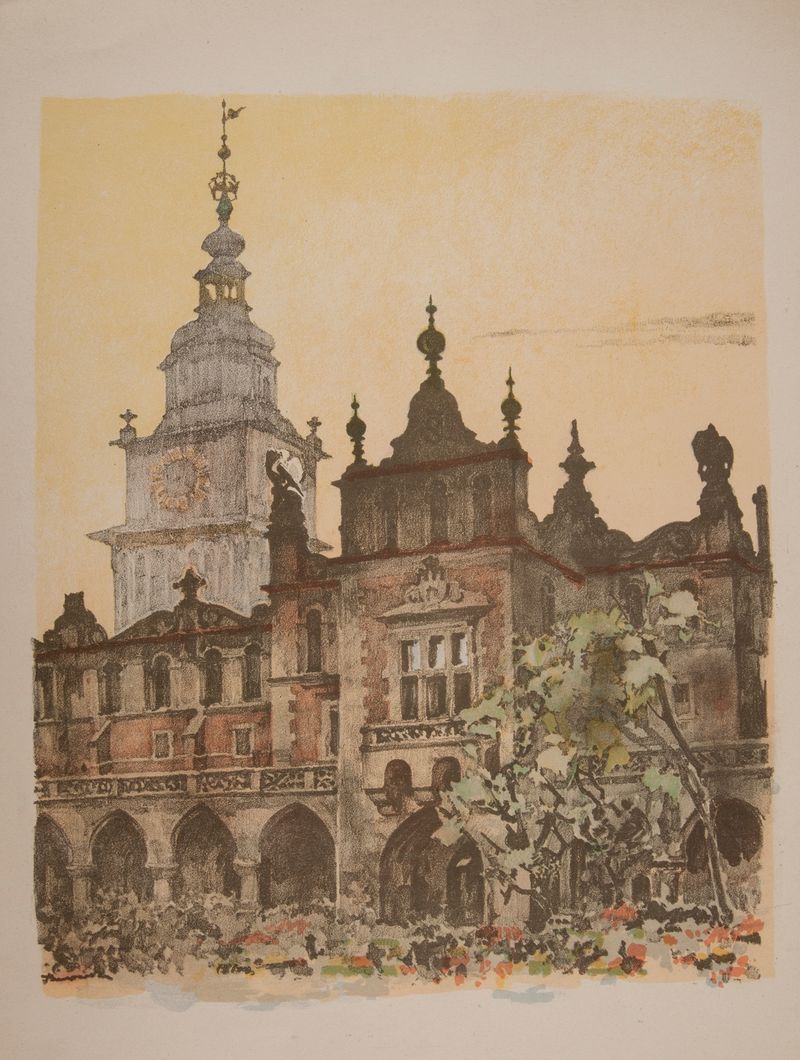
Sukiennice
Jan Kanty Gumowski

Brama Florjańska i baszta Pasamonikow
Jan Kanty Gumowski