
Big Horn, Tongue River — History & Facts
In Big Horn, Tongue River, Thomas Moran presents a vibrant landscape filled with rich colors. The painting features rolling hills and a flowing river, surrounded by lush greenery. The sky is painted in soft blues and whites, suggesting a serene atmosphere.
The overall composition invites viewers to immerse themselves in the beauty of nature. Moran's technique is evident in the way he captures light and shadow, creating depth in the landscape. The brushwork is fluid, giving life to the water and the foliage. The colors are vivid, with greens, blues, and earthy tones harmonizing beautifully.
This painting exemplifies the Romantic style, emphasizing the beauty and grandeur of the natural world. Thomas Moran was a key figure in the American Romantic movement, known for his depictions of the American West. Big Horn, Tongue River reflects his fascination with nature and the American landscape. An interesting fact about this work is that it was inspired by Moran's travels in the West, where he sought to capture the untouched beauty of the land.
His works played a significant role in promoting the establishment of national parks in the United States.
More Artworks by Thomas Moran

Yellowstone Lake
Thomas Moran

Grand Canyon of the Colorado River
Thomas Moran
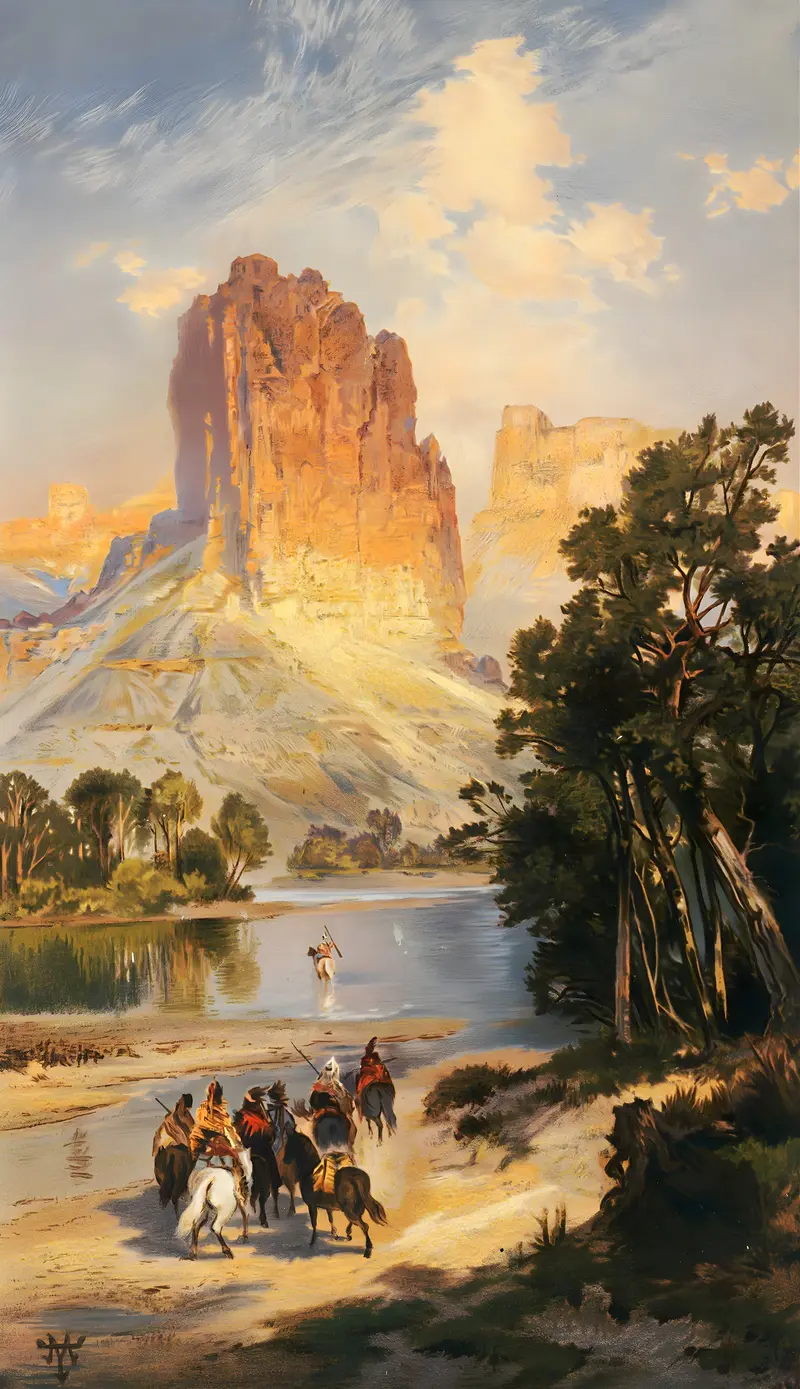
Cliffs of the Upper Colorado River, Wyoming Territory
Thomas Moran
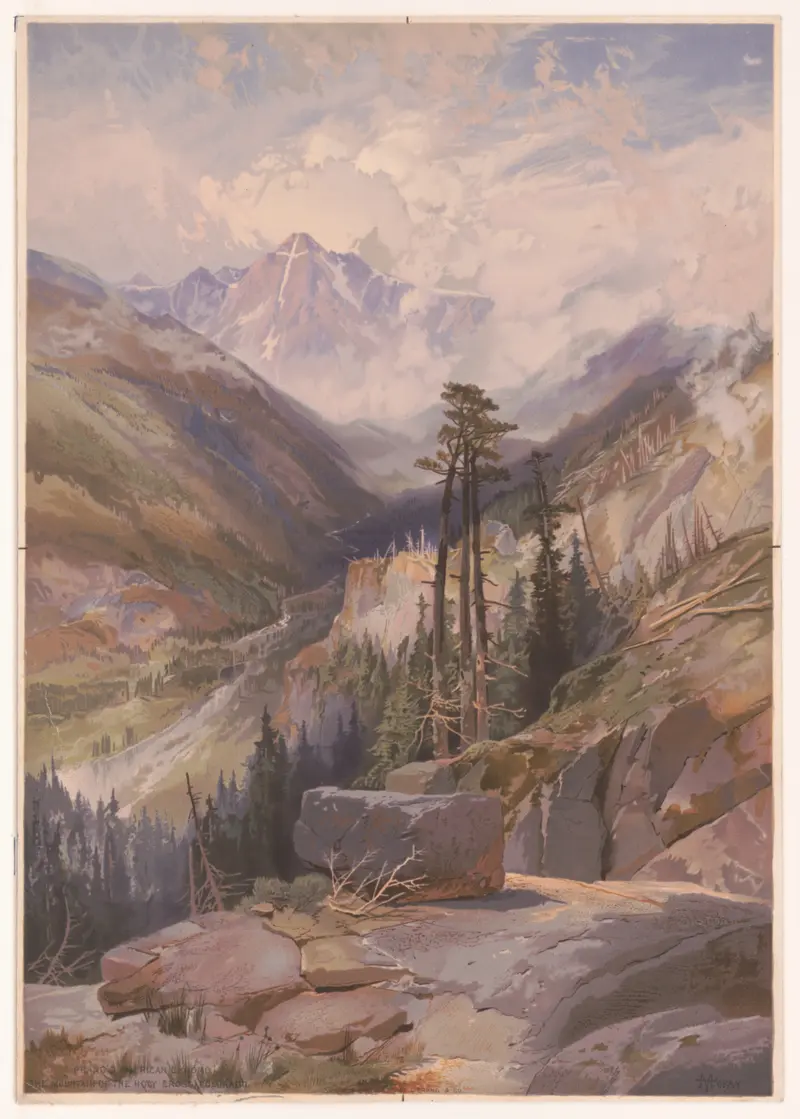
The Mountain of the Holy Cross, Colorado
Thomas Moran
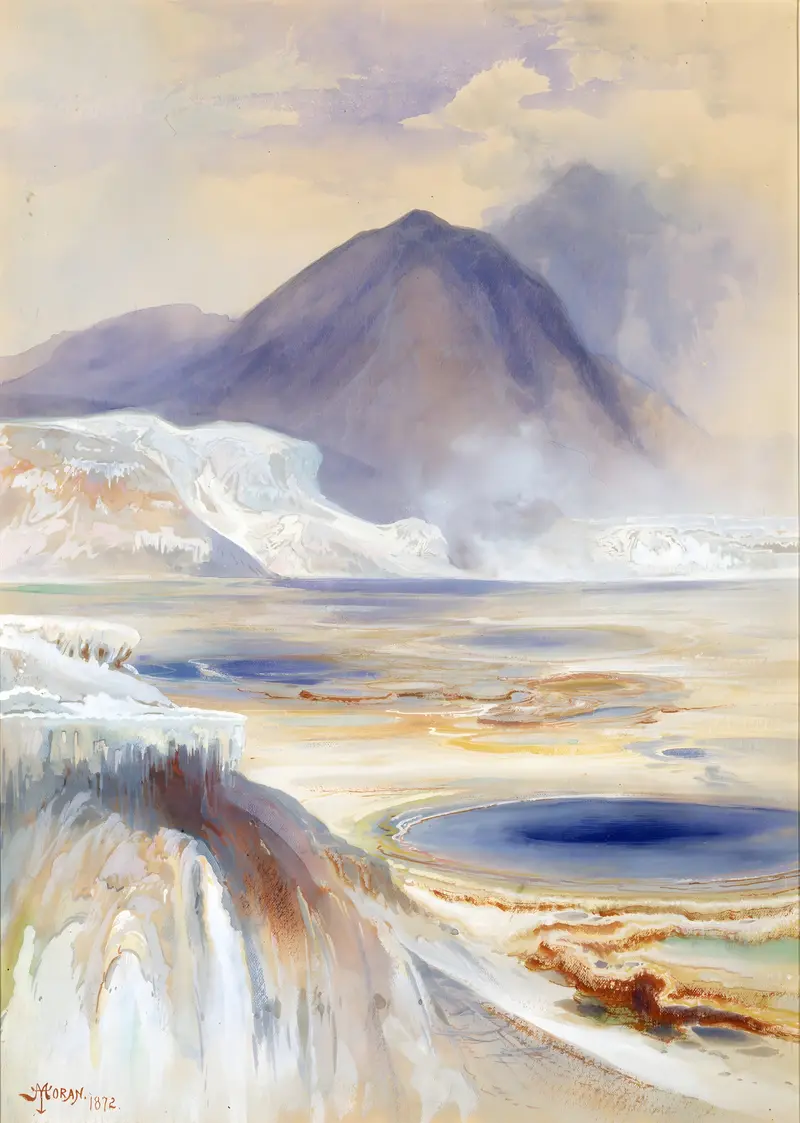
Mammoth Hot Springs, Yellowstone
Thomas Moran
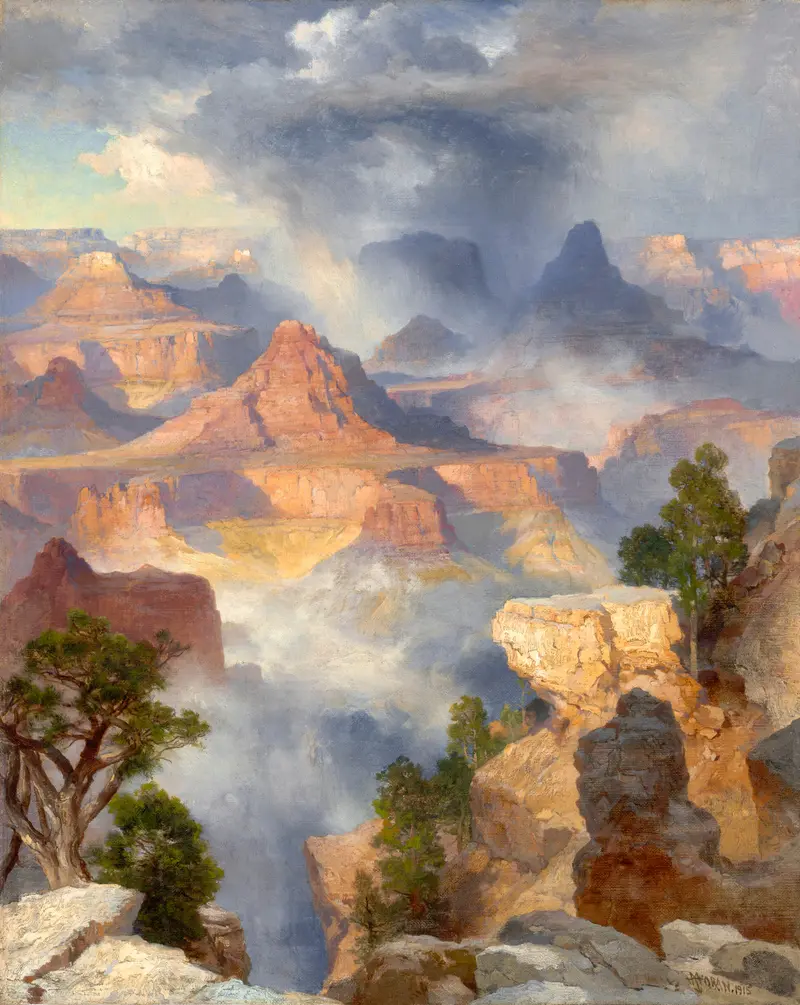
Grand Canyon, Colorado River
Thomas Moran
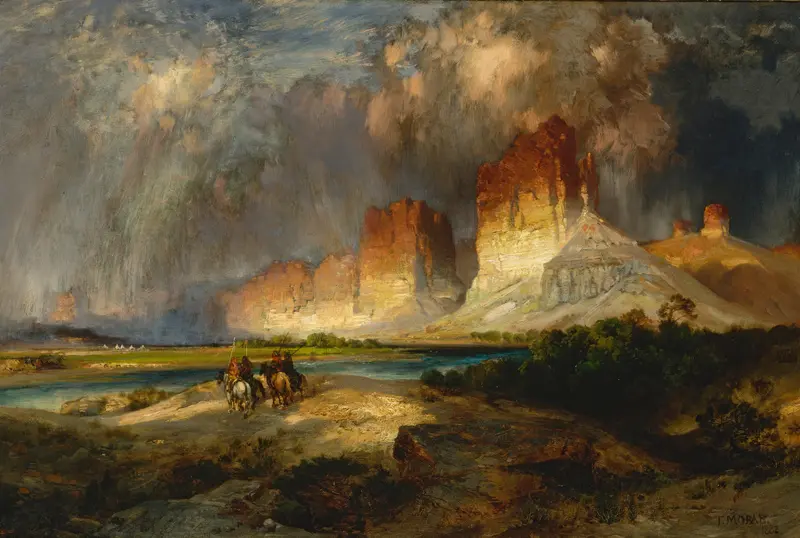
Cliffs Of The Upper Colorado River, Wyoming Territory
Thomas Moran
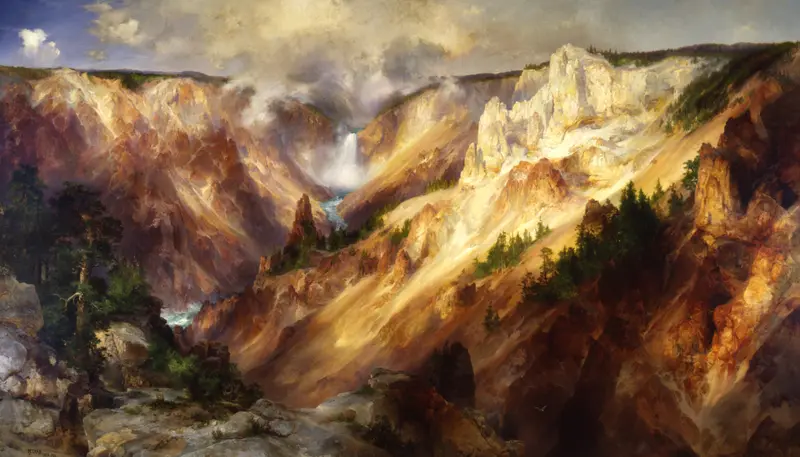
The Grand Canyon Of The Yellowstone
Thomas Moran
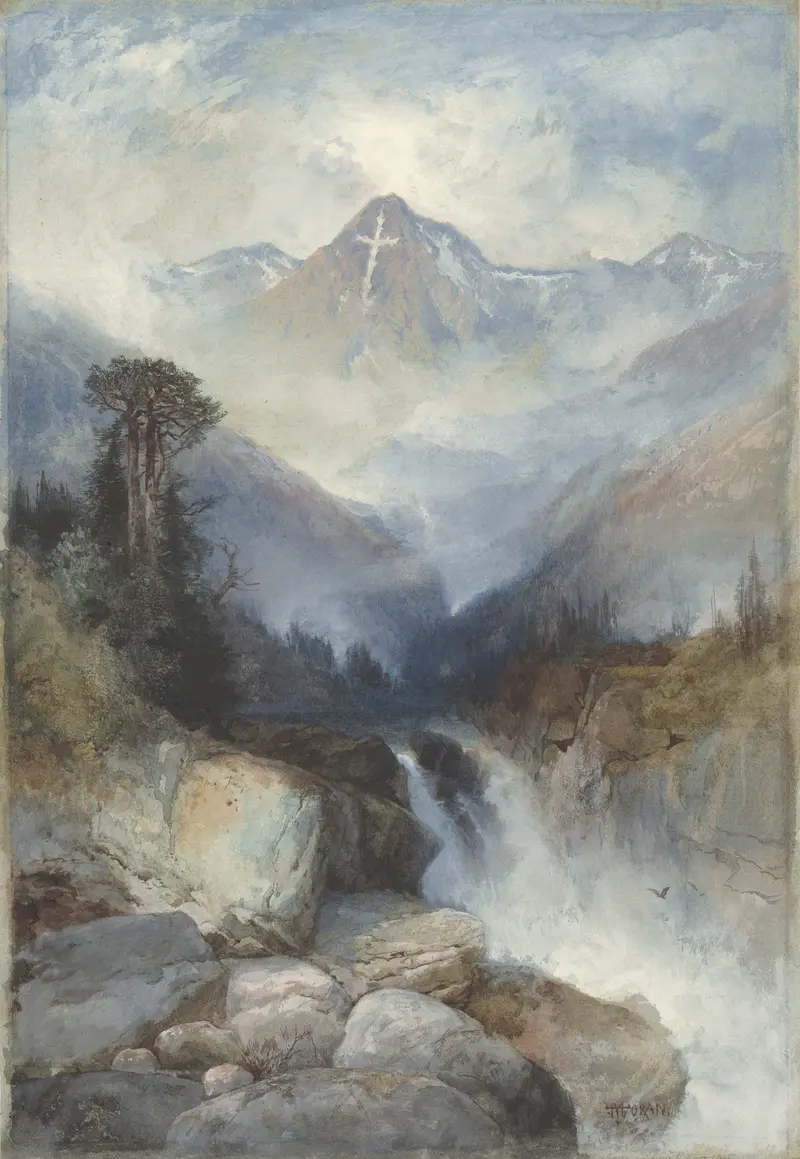
Mountain of the Holy Cross
Thomas Moran
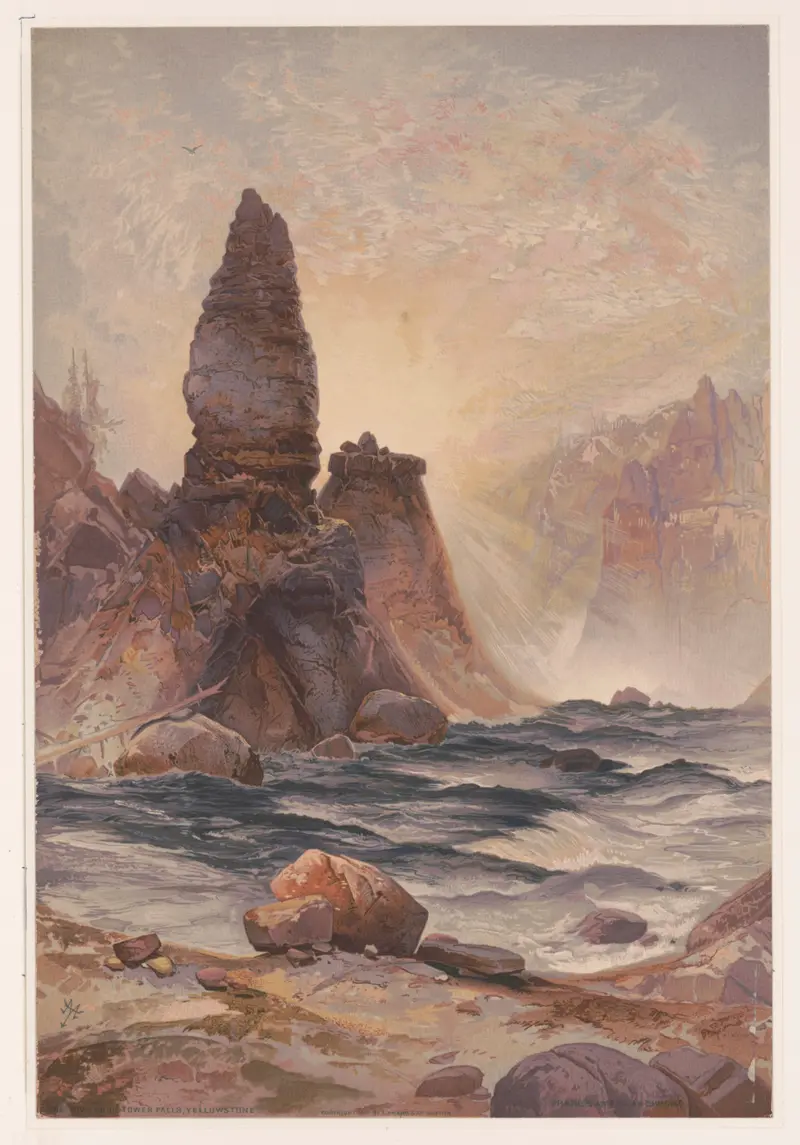
The Towers of Tower Falls, Yellowstone
Thomas Moran
More Landscape Art

The Starry Night
Vincent van Gogh

View of Delft
Johannes Vermeer

Water Lilies
Claude Monet

The Grand Canal, Venice, looking north-west from the Ca' Corner to the Ca' Contarini degli Scrigni, with the campanile of Santa Maria della Carità
Canaletto

Windsor Castle
Canaletto

The Grand Canal looking North-East from the Palazzo Dolfin-Manin to the Rialto Bridge
Canaletto