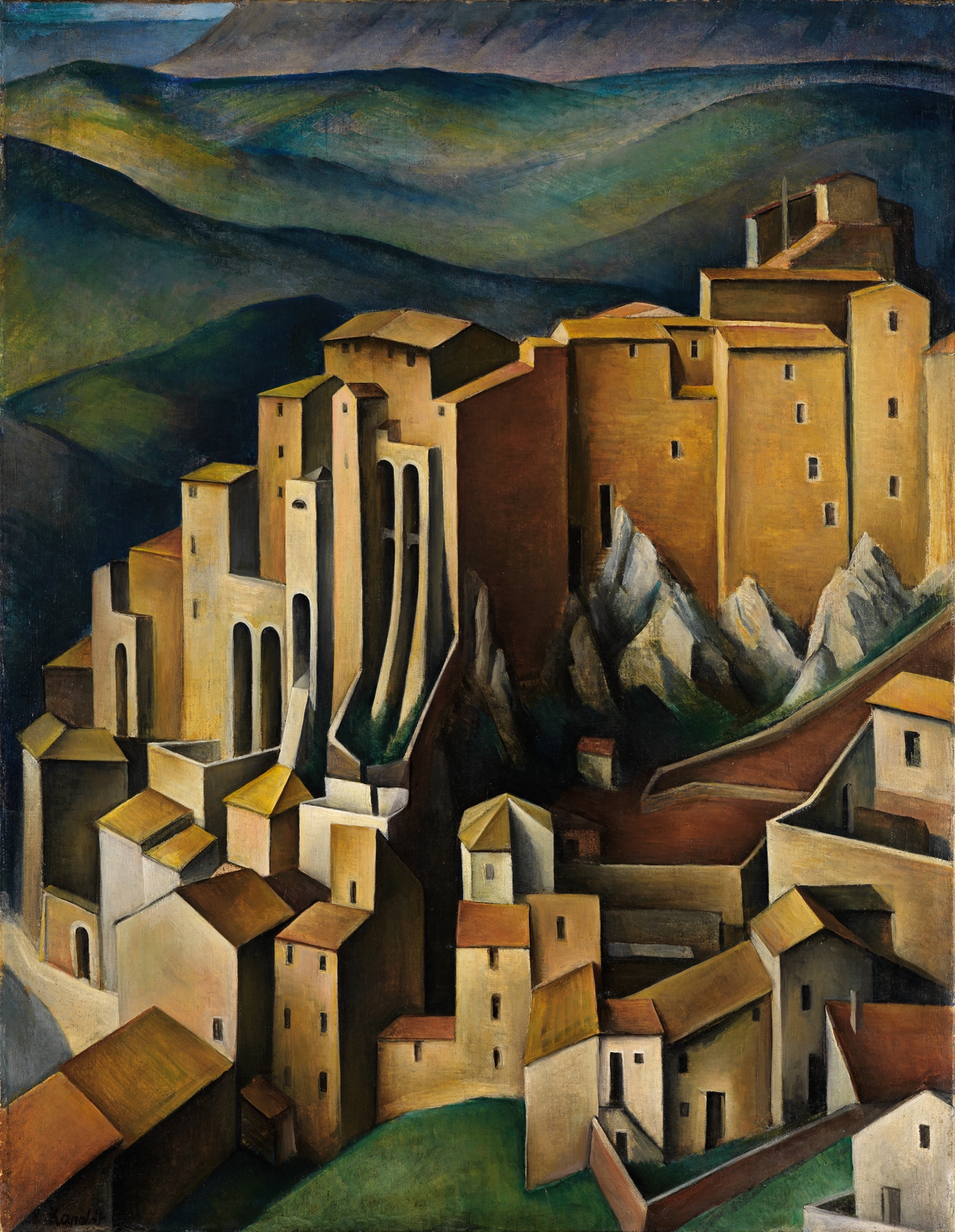
Bildentwurf; La città delle belle torri — History & Analysis
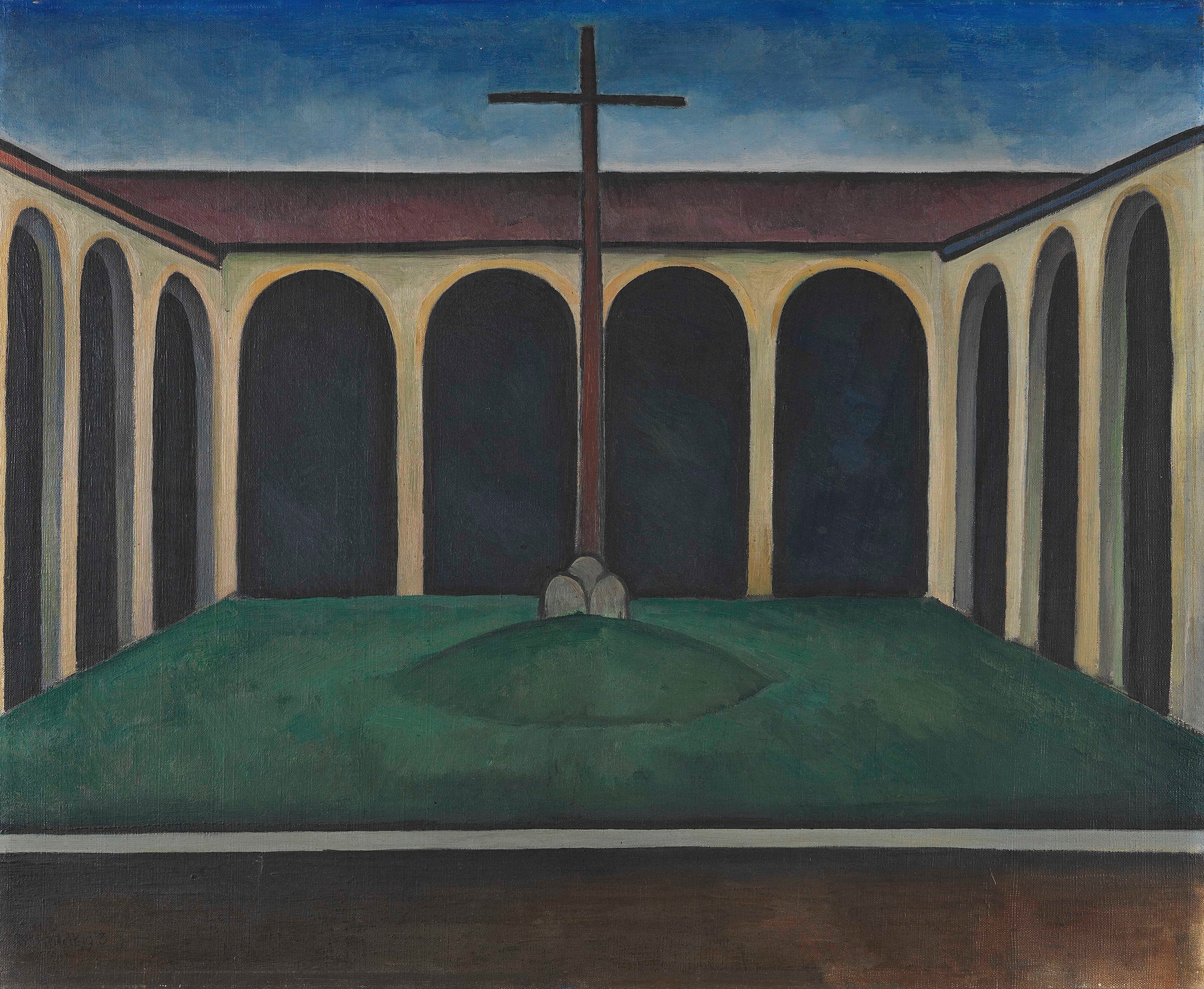
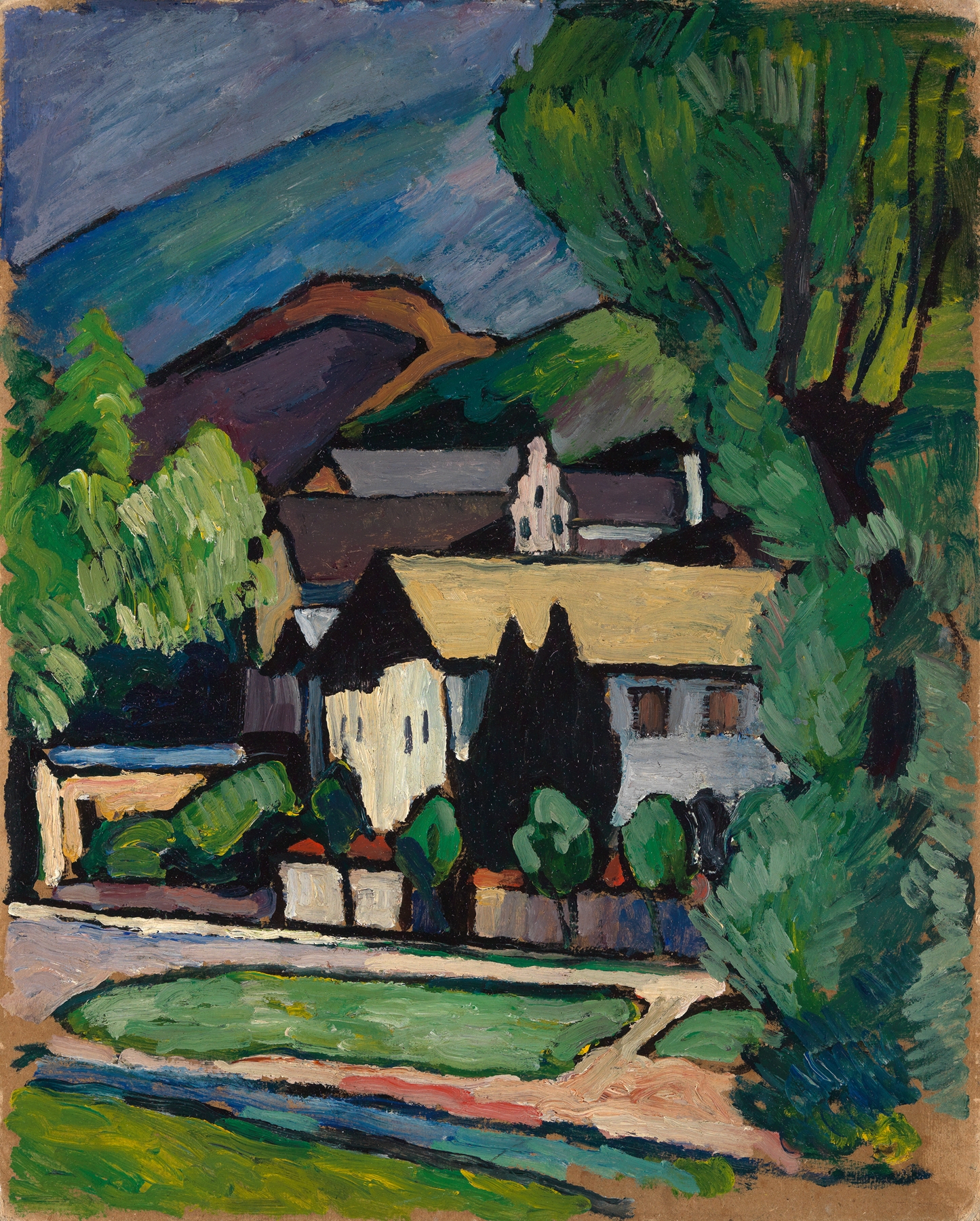
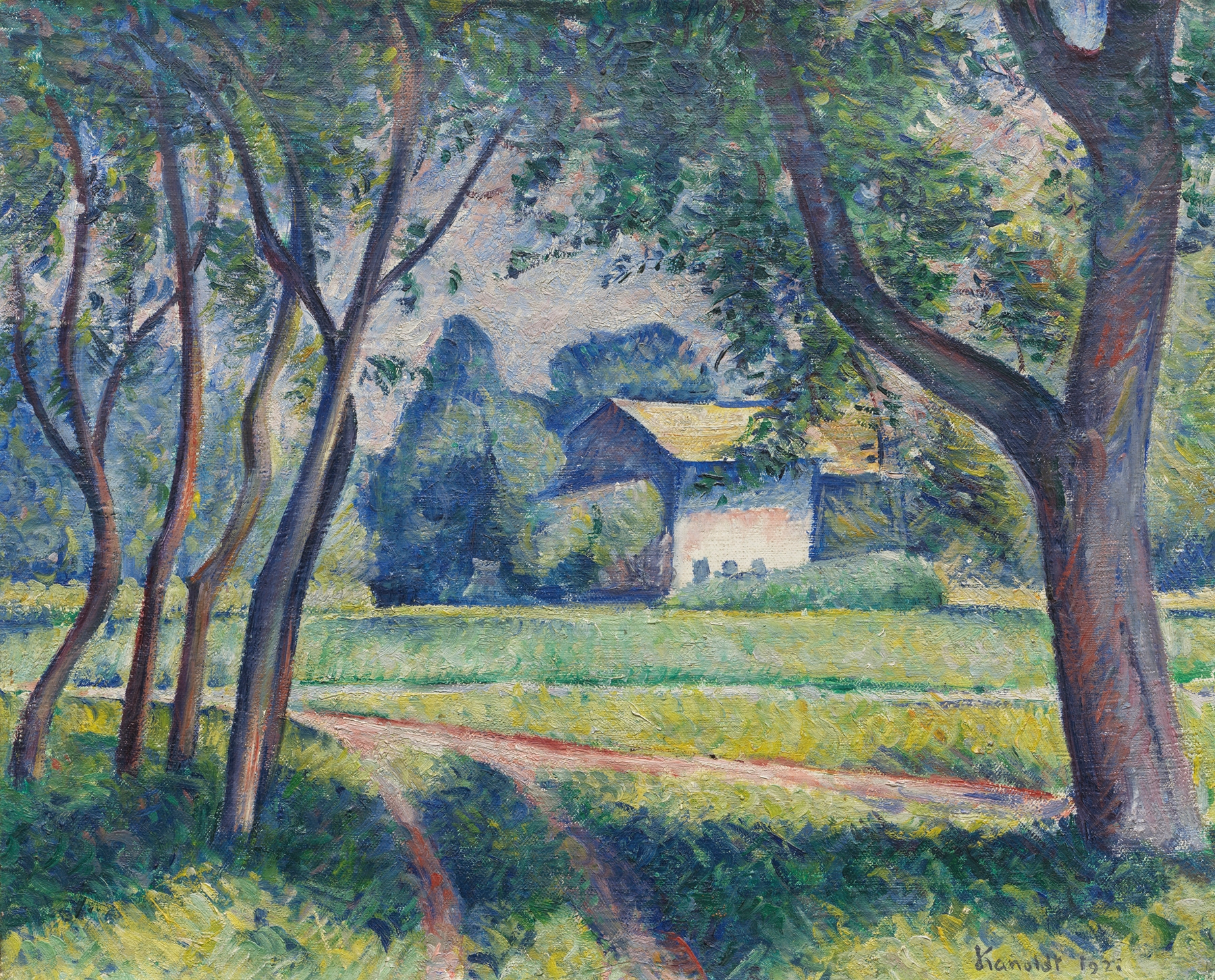
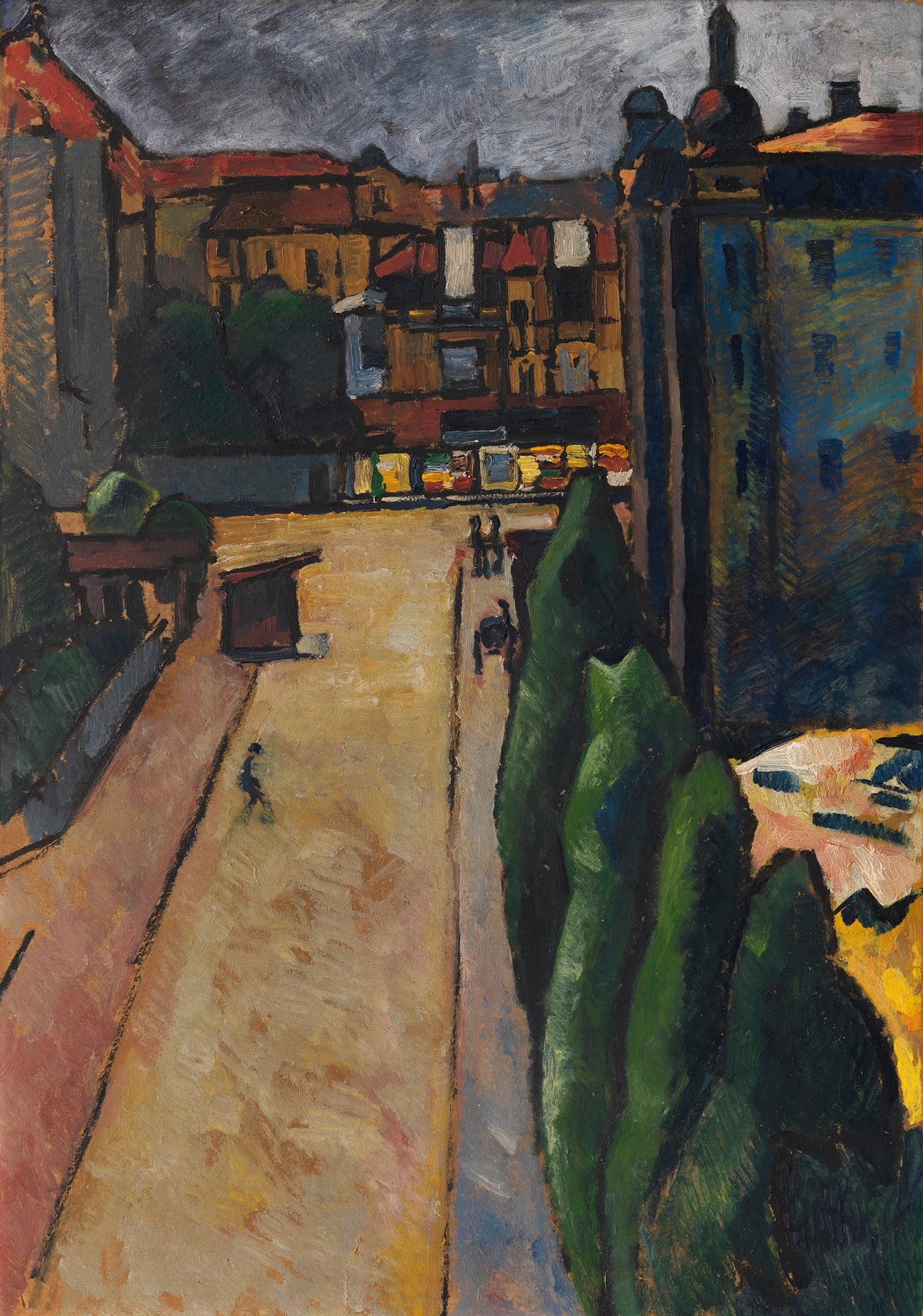
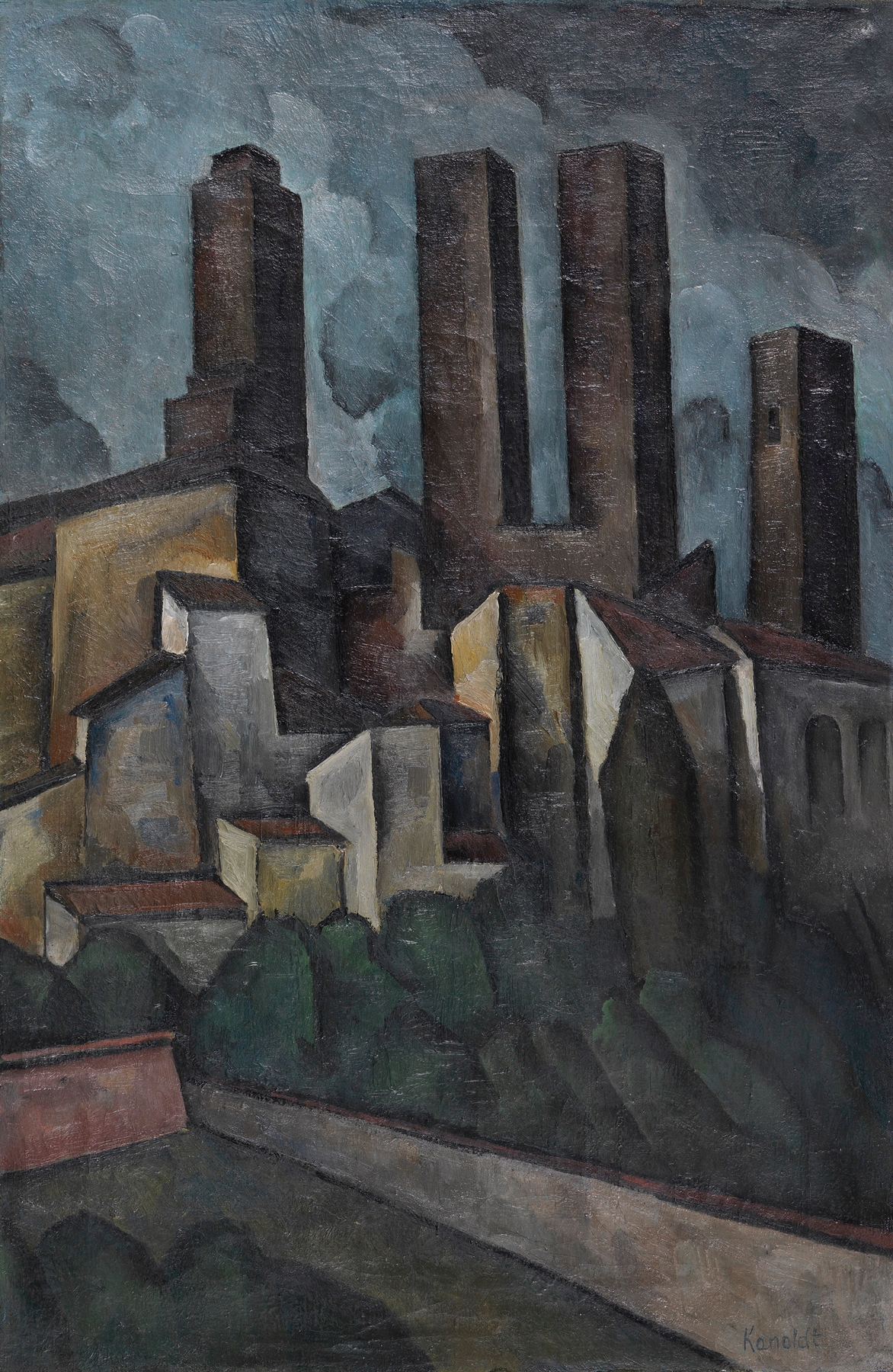
Where does light end, and longing begin? In the delicate interplay of shadow and form, destiny whispers through the canvas. Look to the center, where architectural forms, both grand and intimate, rise in harmony. The crisp lines of towers stretch upward, framed by a soft embrace of pastel tones that evoke both promise and melancholy. Notice how the light cascades over the surfaces, casting gentle shadows that hint at the stories hidden within each structure.
This is not merely a city; it is a tapestry woven from the dreams of its inhabitants, each stroke imbued with the artist’s meticulous attention to detail. Yet, within this serene panorama lies a profound dissonance. The vibrant colors suggest vitality, even as they elicit a sense of nostalgia for a world that feels just out of reach. Look closely at the delicate brushwork around the edges — traces of uncertainty linger, as if the artist grapples with the tension between idealism and reality. The juxtaposition of light and shadow creates a dialogue about longing, inviting viewers to contemplate their own destinies amid the beautiful towers.
In 1919, Kanoldt painted this work during a tumultuous period in post-war Germany. The nation was grappling with the scars of conflict and the search for new identity through art. It was a time when the avant-garde flourished, and this piece reflects both the yearning for renewal and the persistent shadows of the past. In this context, the painting stands as an exploration of hope amidst chaos, a vision of a city that could be.