Binnenkoer van het Ostmuseum — History & Facts
Can beauty exist without sorrow? The stillness of a courtyard whispers of memories, each corner echoing tales of life once vibrant. Look closely at the lower left, where the cobblestones shine with a subtle sheen, revealing recent rainfall that seems to cradle the light. The ochre walls, softly illuminated, create a warm embrace around the space, guiding your gaze upwards towards the delicate play of shadows cast by the arching doorway. Notice how the painter's brushstrokes convey a sense of softness, with gentle transitions between colors, inviting a sense of nostalgia and yearning. As you explore, you’ll find a juxtaposition between the peaceful solitude and the lingering sense of absence.
The empty bench suggests companionship once shared, while the overgrown plants hint at neglect, a reminder of time passing unchecked. This combination of life and desolation evokes a powerful tension, reflecting the duality of memory—the joy of what was and the sadness of what has faded. In 1943, Alfred Ost painted this work during a difficult period marked by wartime turmoil, yet it emanates a quiet introspection. Living in Belgium, he was influenced by the surrealist movement and engaged in creating scenes that reflected both the beauty and complexity of everyday life.
This piece stands as a testament to his ability to capture fleeting moments, blending reality with the poignant whispers of memory.
More Artworks by Alfred Ost
Browse all →
Oostende in de mist
Alfred Ost

Ypres Remember
Alfred Ost
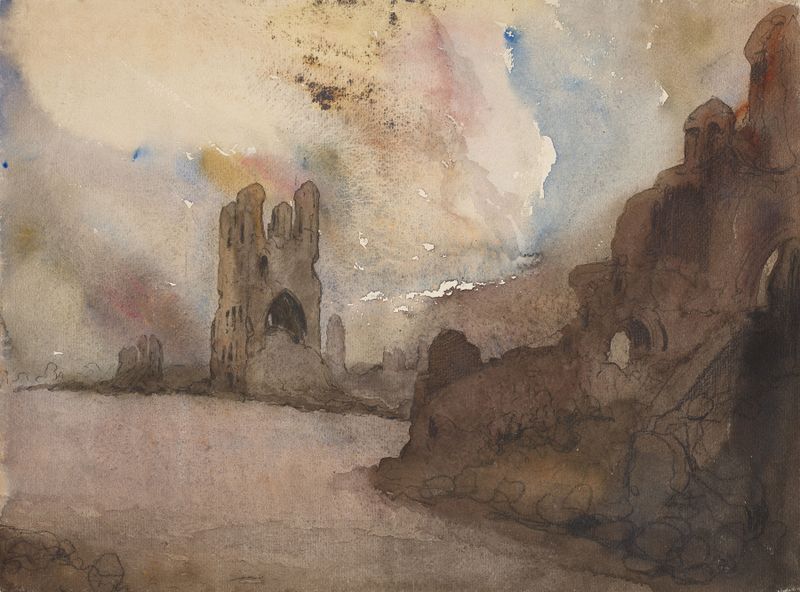
Ypres Remember
Alfred Ost
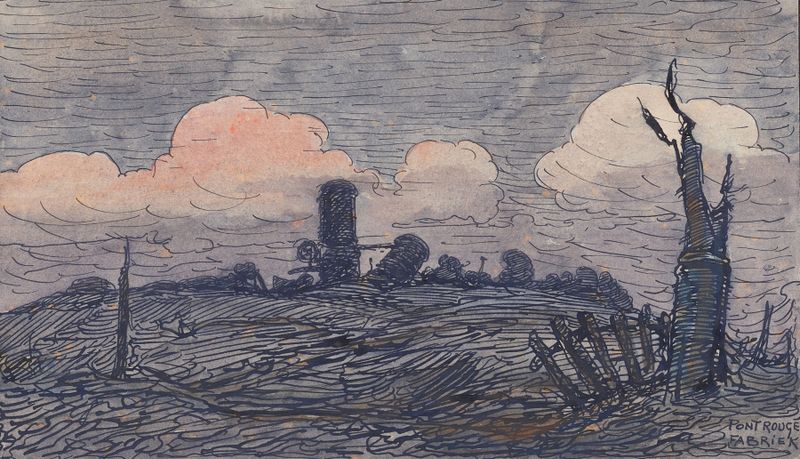
Ypres Remember
Alfred Ost

Bedevaarders op weg naar de Sint Salavtorkerk van Hakendover
Alfred Ost
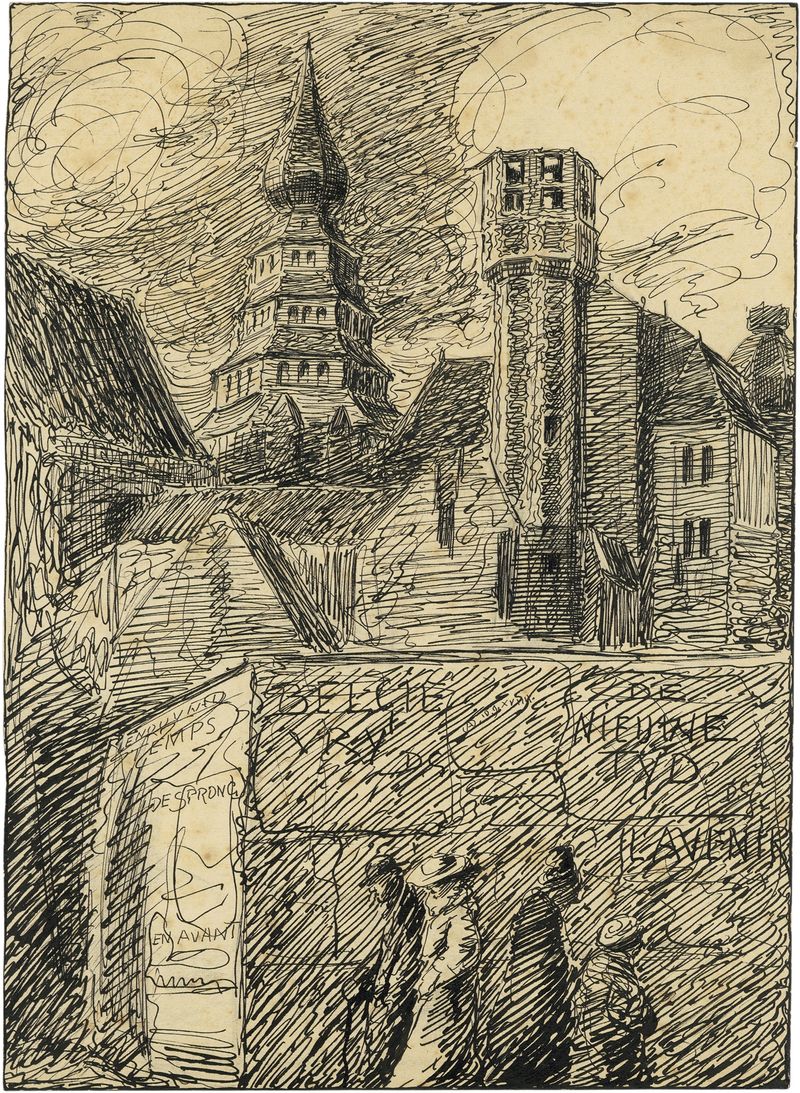
‘België vrij. De nieuwe tijd.’
Alfred Ost

Vierkantshoeve
Alfred Ost

Huis met rieten dak in een veld
Alfred Ost

Italiaanse kerk en bomen
Alfred Ost

Sint-Salvatorkerk in Hakendover – zijaanzicht
Alfred Ost