Binnenzicht kerk — History & Facts
In the quiet decay of existence, one finds the beautiful remnants of life’s passage through time. Look to the left at the crumbling archways, the texture of aged stone rendered with meticulous detail. Notice how the muted, earthy palette envelops the scene, invoking a sense of solemnity and introspection. The light filtering through the cracked windows illuminates patches of dust floating in the air, evoking a poignant contrast between the vibrancy of the past and the inevitable erosion of the present. As you absorb the fading grandeur, consider the juxtaposition between the once-sacred space and its current state of neglect.
Each shadow seems to whisper secrets of those who gathered here, their laughter and prayers now echoing in absence. The interplay of light and dark creates a tension that speaks to loss and memory, transforming decay into a haunting beauty that invites reflection on the passage of time. Alfred Ost painted this work during a period when European artists were increasingly drawn to themes of decay and nostalgia. While the exact date remains unknown, it is within the context of early 20th-century Europe, where artists grappled with the remnants of a fading past, that this piece emerges.
Amidst both personal and societal transitions, Ost captures a moment that resonates with anyone who has ever pondered the impermanence of life and the beauty embedded in decline.
More Artworks by Alfred Ost
Browse all →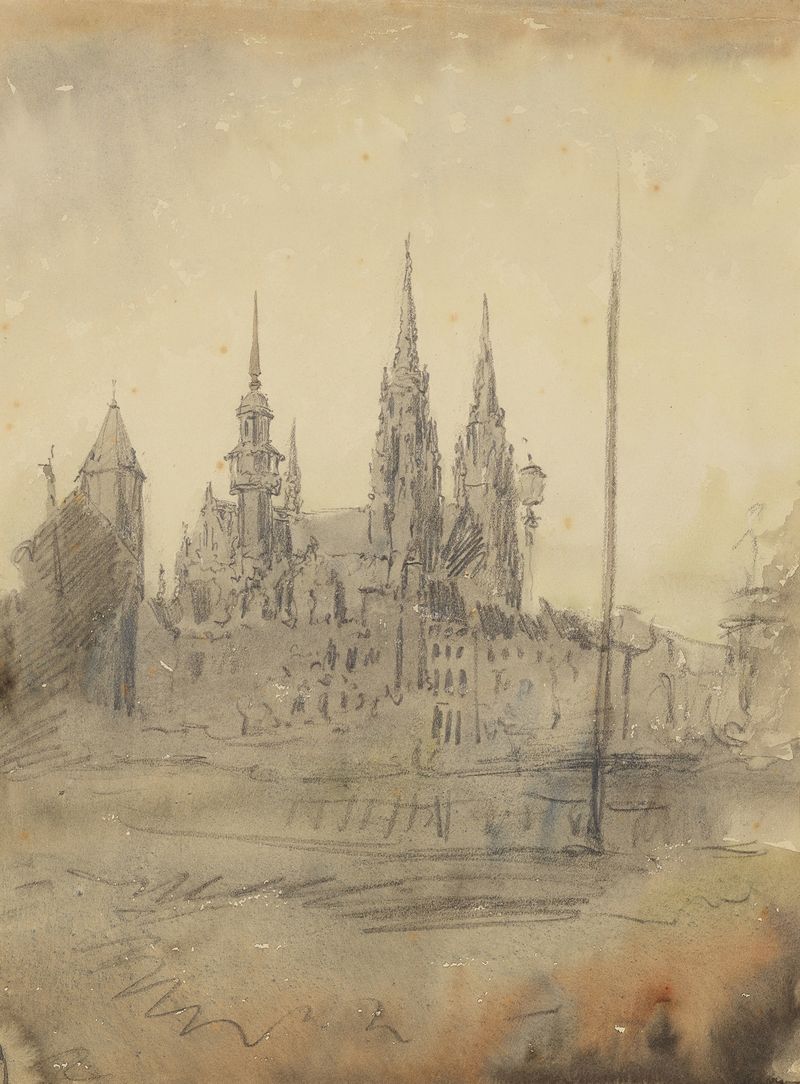
Oostende in de mist
Alfred Ost

Ypres Remember
Alfred Ost
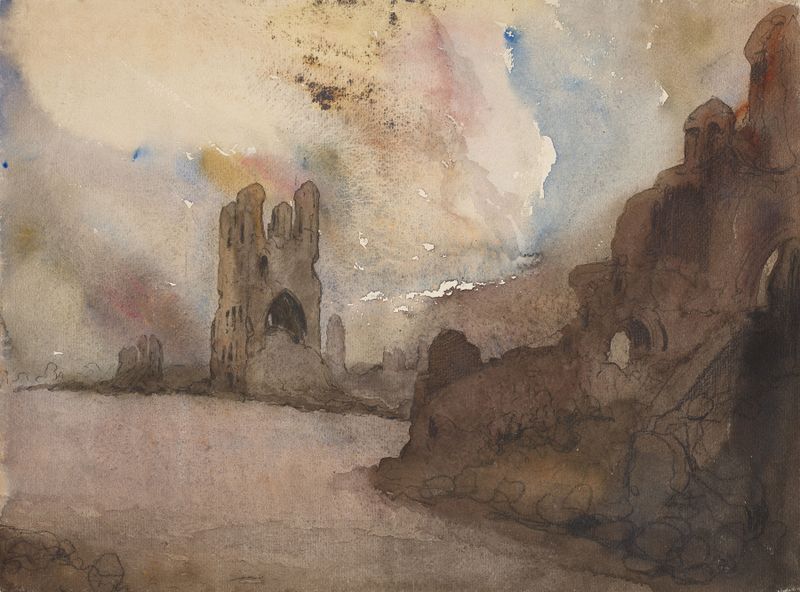
Ypres Remember
Alfred Ost
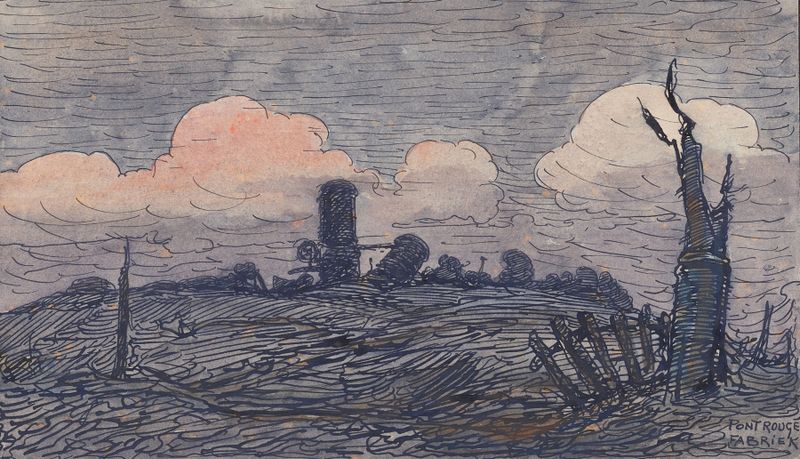
Ypres Remember
Alfred Ost

Bedevaarders op weg naar de Sint Salavtorkerk van Hakendover
Alfred Ost
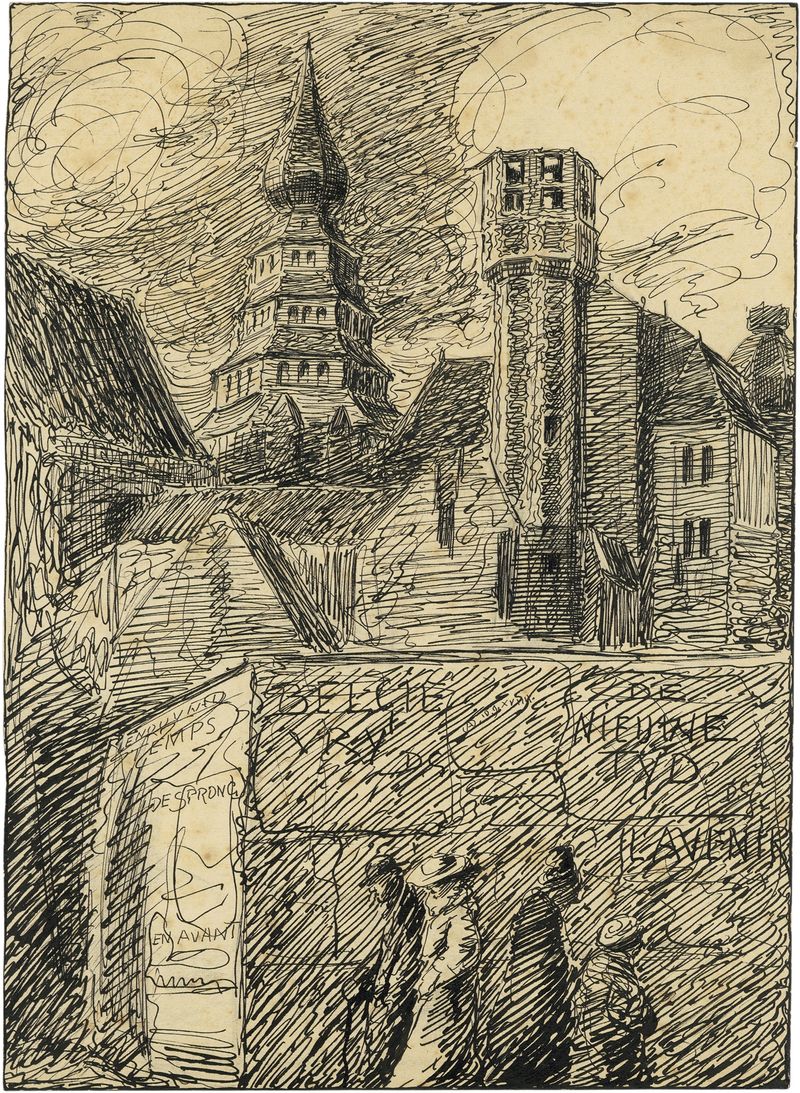
‘België vrij. De nieuwe tijd.’
Alfred Ost

Vierkantshoeve
Alfred Ost

Huis met rieten dak in een veld
Alfred Ost

Italiaanse kerk en bomen
Alfred Ost

Sint-Salvatorkerk in Hakendover – zijaanzicht
Alfred Ost