
Bleachery at Scheveningen — History & Facts
Can beauty exist without sorrow? In the quiet labor of Bleachery at Scheveningen, a delicate interplay of human effort and the serene landscape encapsulates an awakening of the spirit through toil. Look to the left, where the sun casts a gentle glow on the bleached linens unfurling across the canvas. The white fabric dances in the breeze, creating a visual rhythm against the earthy tones of the surrounding fields. Notice how Van Gogh's brushwork, with its thick, expressive strokes, breathes life into the scene, drawing your eye toward the figures diligently working in the foreground, each seemingly absorbed in their own world while sharing a common purpose. The emotional tension lies in the contrast between the vibrancy of the linens and the muted palette of the earth.
These workers labor under the watchful eye of nature, embodying resilience amidst the mundanity of their tasks. The juxtaposition of their labor against the expansive sky invites reflection on the harmony between humanity and the natural world, suggesting that even in routine, there exists an inherent beauty that can awaken deeper emotions within us. In 1882, while residing in The Hague, Van Gogh painted this work during a period of personal exploration and artistic development. Influenced by the Impressionists, he sought to capture the essence of daily life with an emotional intensity that would soon define his signature style.
The art world was evolving, and Van Gogh, filled with ambition and a longing for connection, was at the cusp of a transformation that would leave an indelible mark on art history.
More Artworks by Vincent van Gogh
Browse all →
Starry Night
Vincent van Gogh
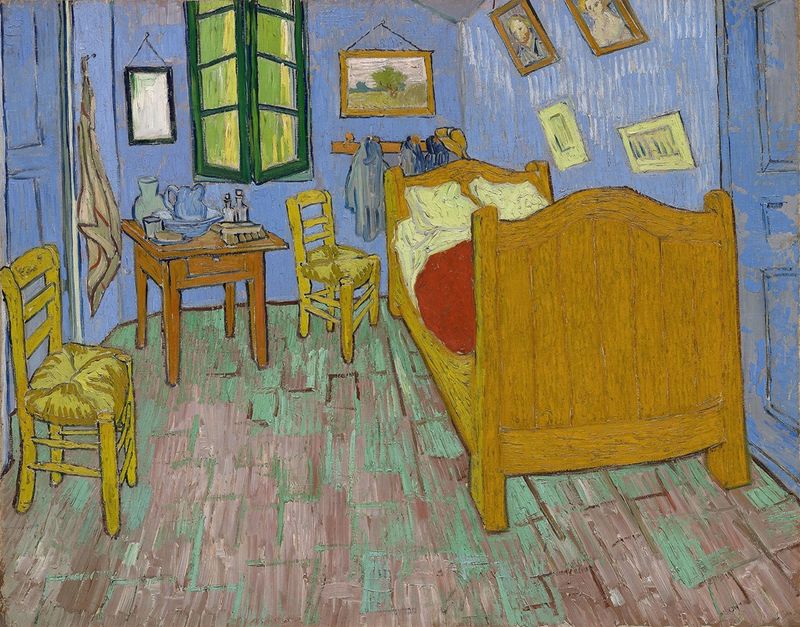
The Bedroom
Vincent van Gogh
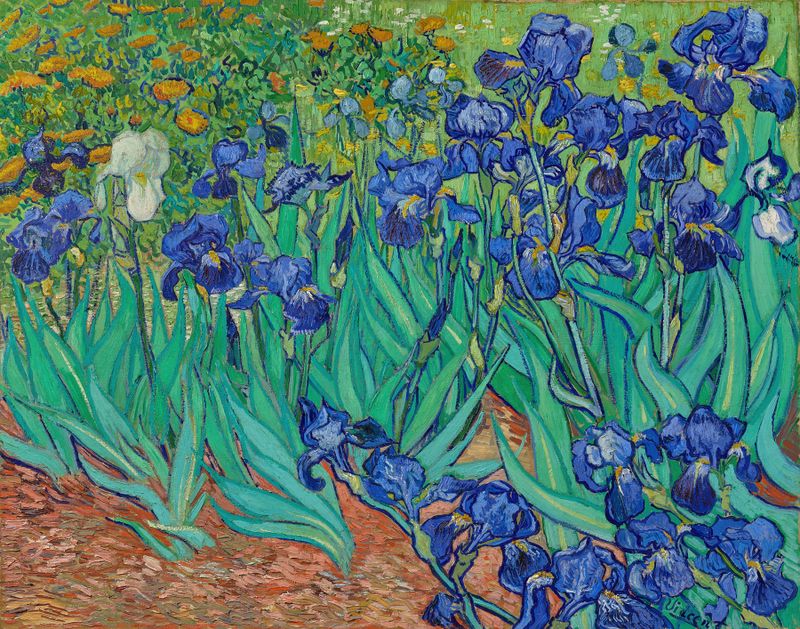
Irises
Vincent van Gogh
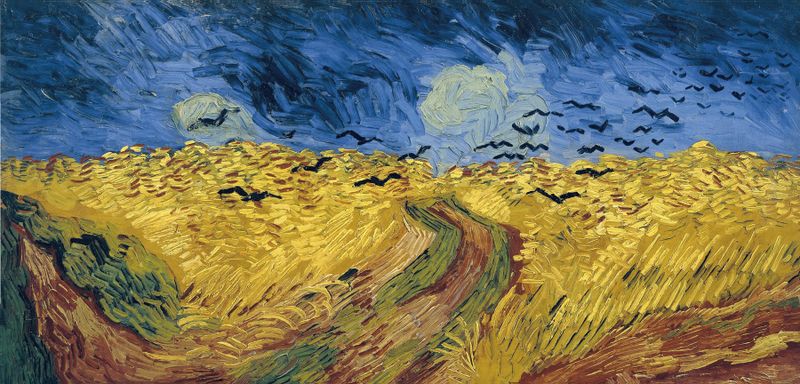
Wheatfield with Crows
Vincent van Gogh
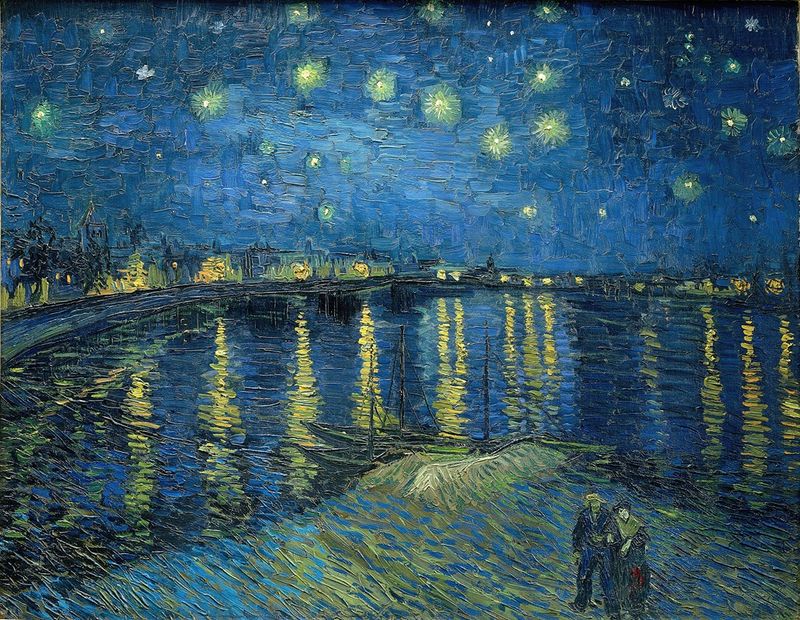
Starry Night over the Rhone
Vincent van Gogh

The yellow house
Vincent van Gogh
Almond tree in blossom
Vincent van Gogh

Portrait of Dr Gachet
Vincent van Gogh

The Church in Auvers-sur-Oise, View from the Chevet
Vincent van Gogh

Self-Portrait
Vincent van Gogh





