
Blick auf Bad Gastein — History & Facts
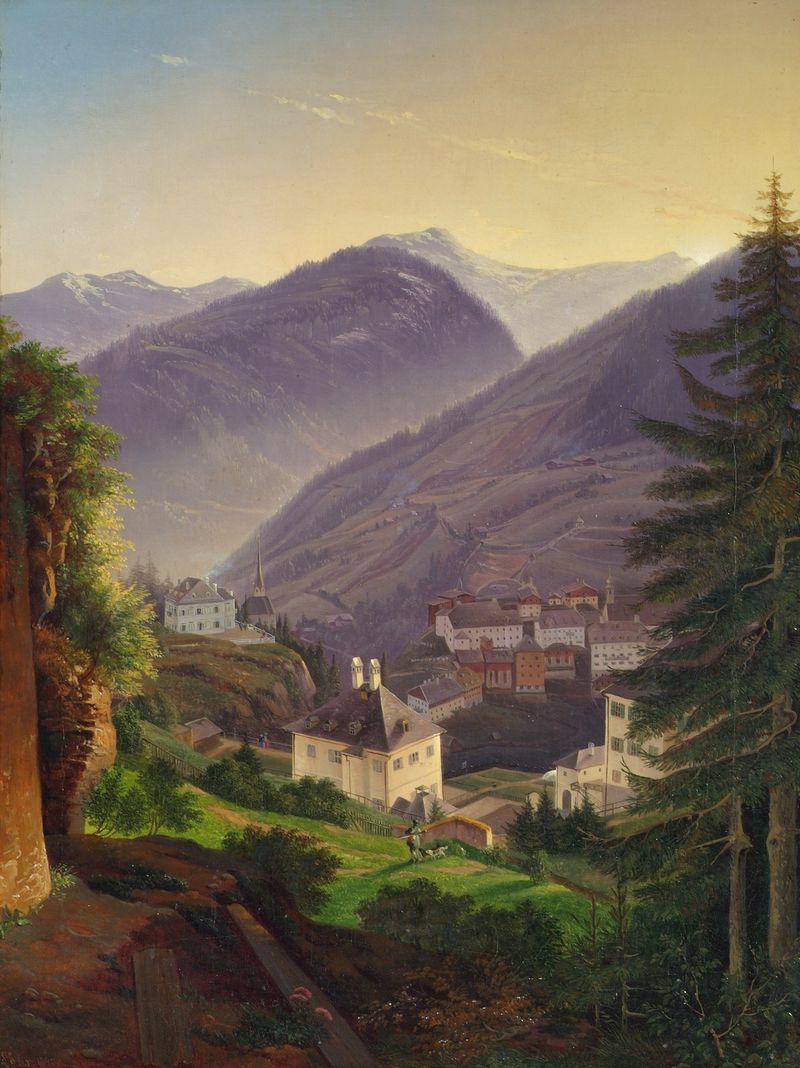
Who listens when art speaks of silence? In Blick auf Bad Gastein, a serene landscape invites the viewer to embrace a moment of quiet revelation, where nature whispers its secrets amid the grandeur of the Alps. Look at the sweeping vista in the center, where the majestic mountains rise like sentinels. Notice how the soft, muted greens mingle with the subtle blues of the sky, creating a harmonious palette that soothes the eye. The gentle brushstrokes evoke a sense of tranquility, guiding your gaze across the lush valley, while a delicate light bathes the scene, enhancing the sense of depth and perspective.
The artist's skillful use of light creates a play of shadow and illumination, drawing attention to the intricate details of the trees and the distant village nestled beneath the peaks. This painting reveals contrasts that speak to the fragility of life and nature's enduring beauty. The quietude of the landscape juxtaposes the potential for human activity, hinting at stories untold within the village below. The interplay of light and shadow suggests moments of introspection, as if the viewer is invited to pause and reflect on their own existence amid such grandeur.
Here, amid the silent drama of the mountains, lies an invitation to find peace in stillness. Emil Ludwig Löhr created this work during a period of artistic exploration, likely in the late 19th or early 20th century. At the time, the world was evolving rapidly, with advances in technology and a growing appreciation for the beauty of nature. Löhr’s landscapes often reflect a transition in art, embracing both realism and impressionistic elements, capturing moments that resonate with the viewer's inner landscape, allowing them to connect with both the scene and themselves.
More Artworks by Emil Ludwig Löhr
Browse all →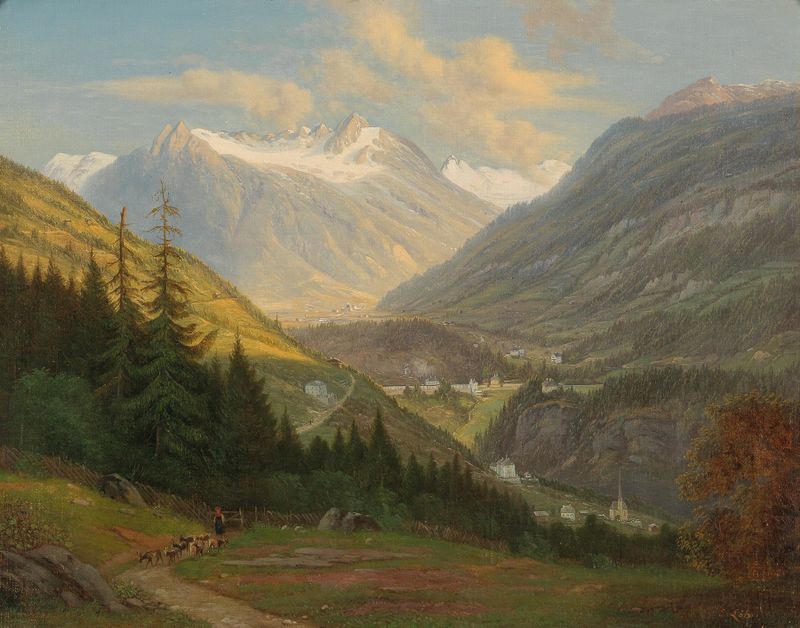
View of Bad Gastein
Emil Ludwig Löhr
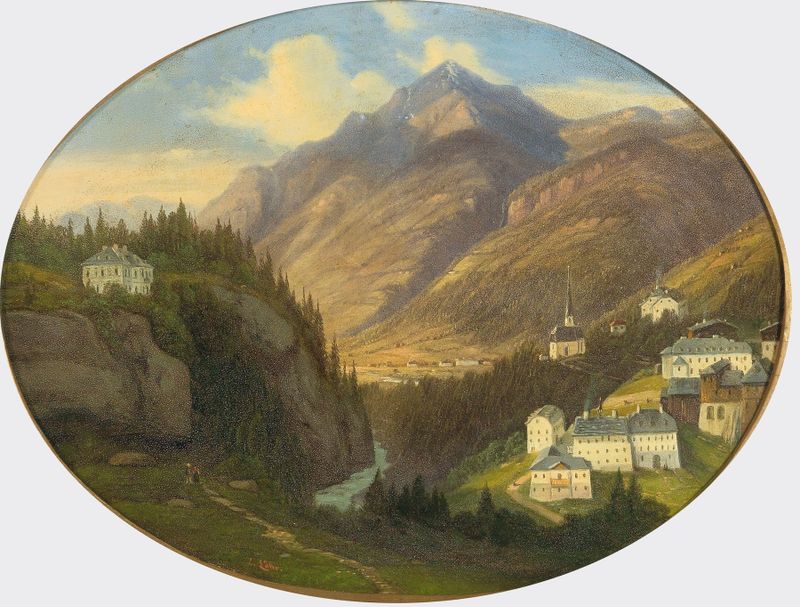
Gastein, Gamskogel mit Nikolauskirche
Emil Ludwig Löhr
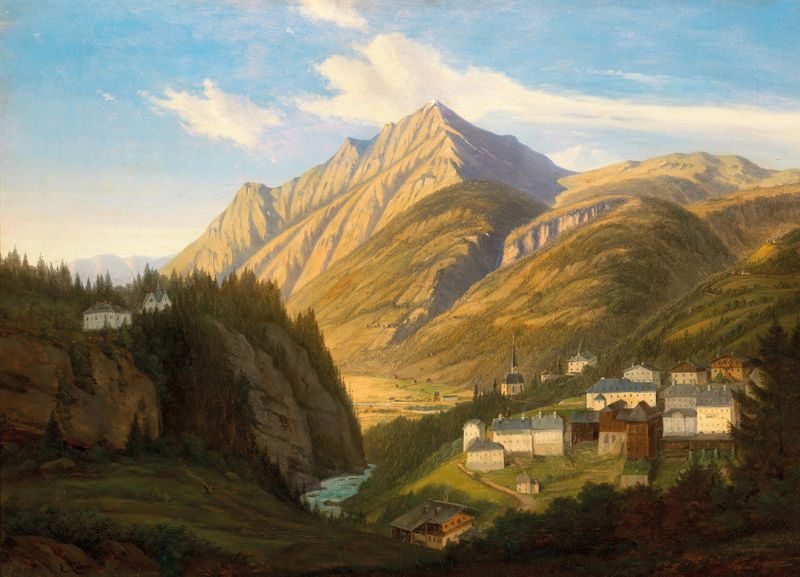
A View of Bad Gastein
Emil Ludwig Löhr
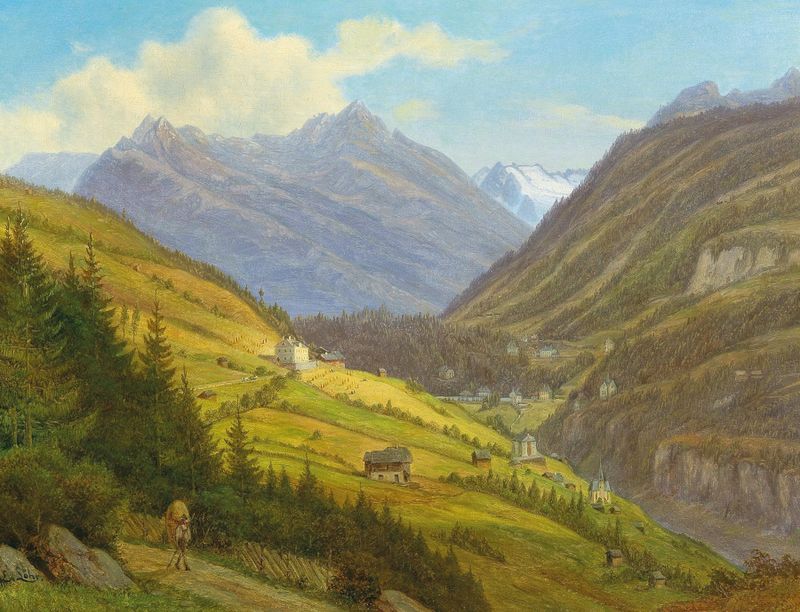
Motiv aus dem Gasteinertal
Emil Ludwig Löhr
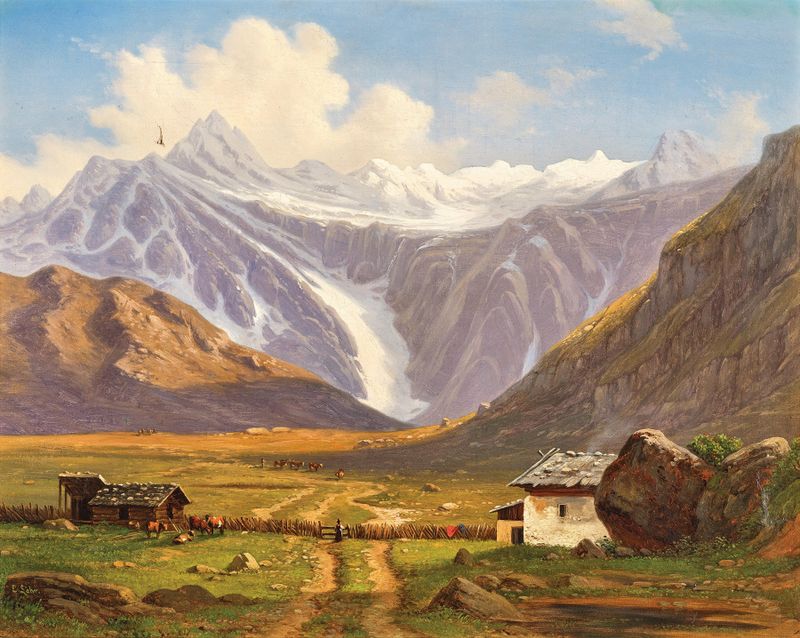
A Mountain Pasture with an Alpine Hut
Emil Ludwig Löhr
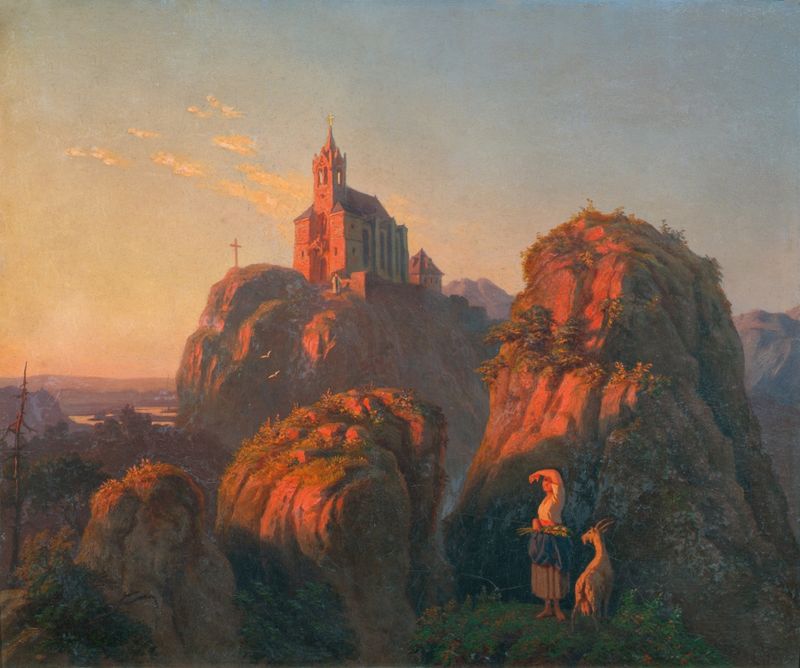
Landschaft mit Kirche am Abend
Emil Ludwig Löhr

Bad Gastein
Emil Ludwig Löhr
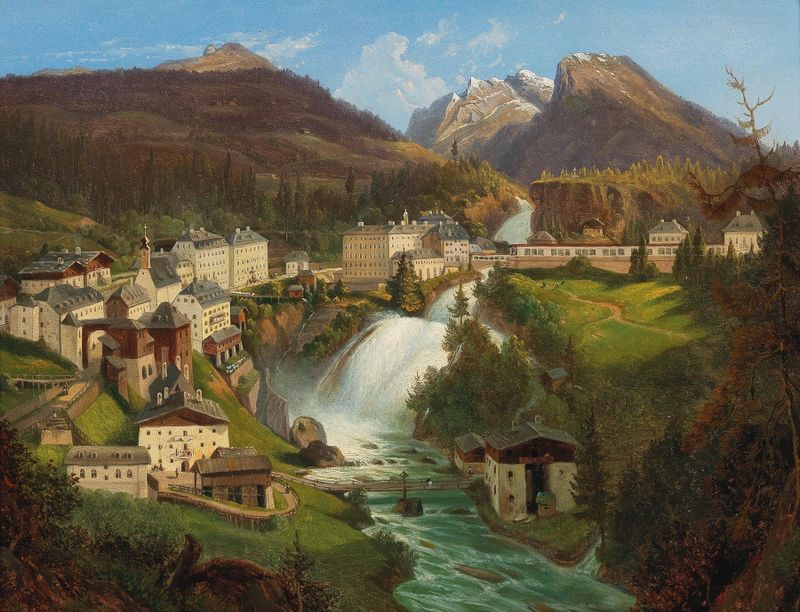
View of Bad Gastein
Emil Ludwig Löhr
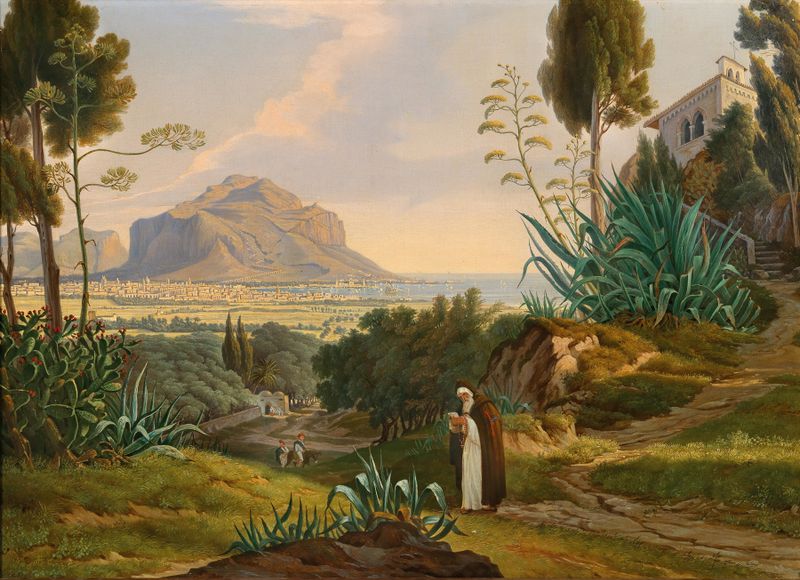
A View of the Bay of Palermo with Monte Pellegrino
Emil Ludwig Löhr
Wildbad Gastein
Emil Ludwig Löhr





