Discover insights about this artwork
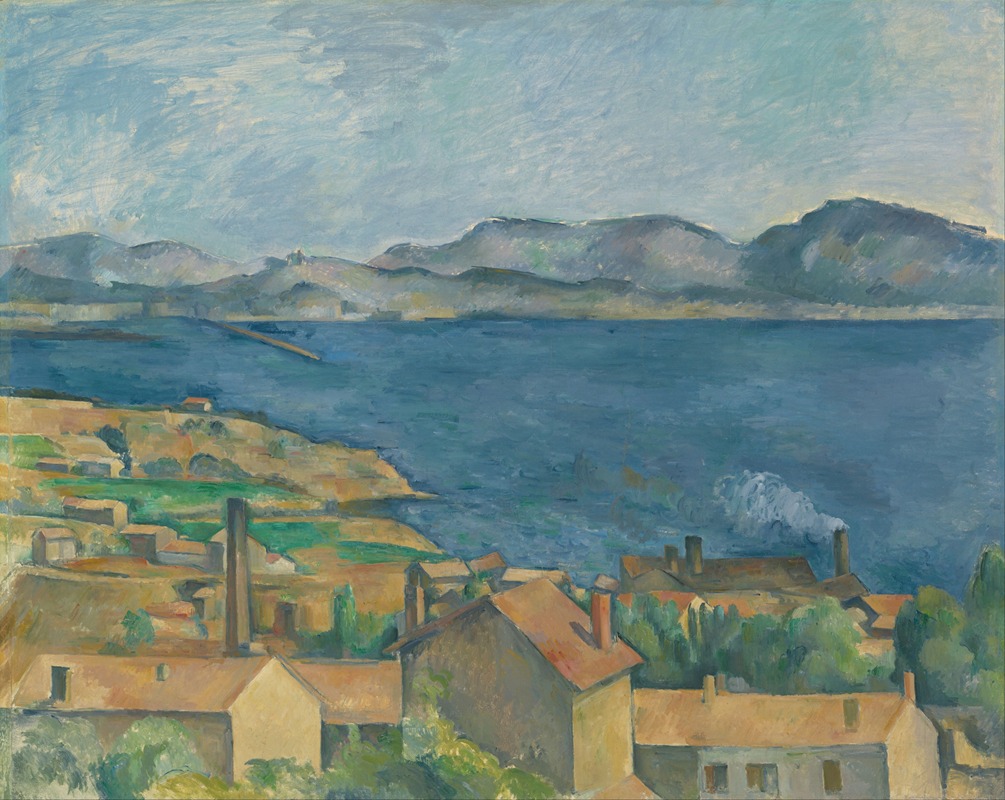
Blick auf das Meer bei L’Estaque — History & Facts
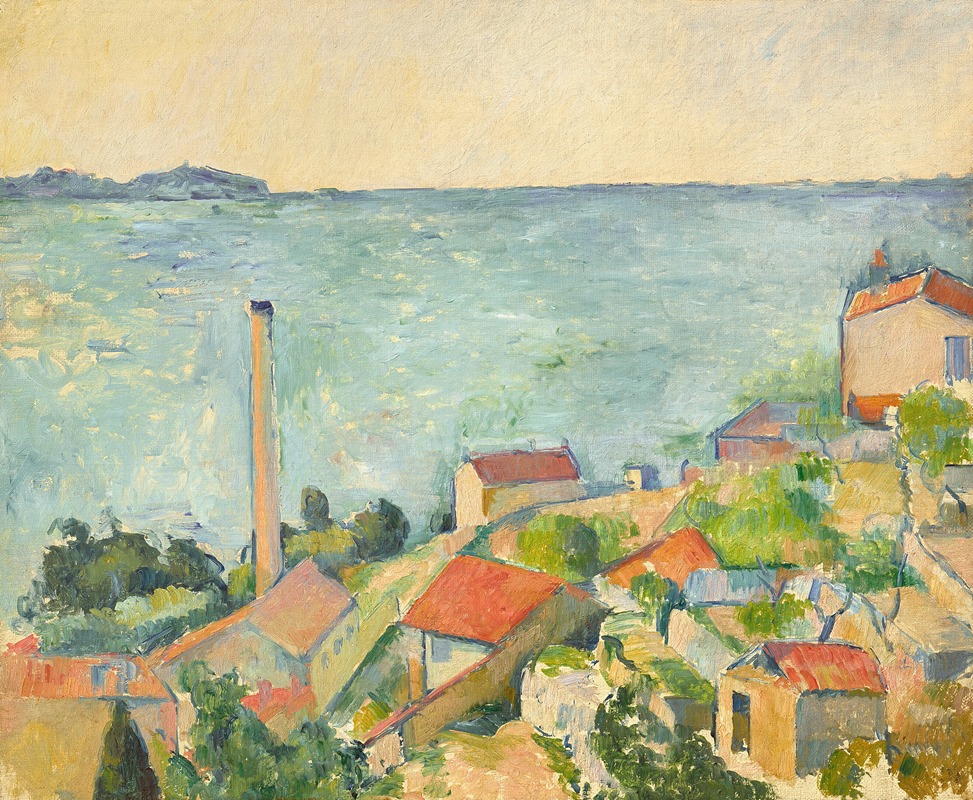
In Blick auf das Meer bei L’Estaque, Paul Cézanne presents a coastal scene characterized by vibrant colors. The blues of the sea contrast with the greens and browns of the surrounding landscape. The sky is painted in soft hues, suggesting a tranquil atmosphere.
This work captures the essence of the Mediterranean coast near L’Estaque, a place Cézanne frequented. The painting employs Cézanne's signature brushwork, with visible strokes that create texture and depth. The composition is balanced, guiding the viewer's eye across the canvas. Cézanne's use of color is notable, with a palette that emphasizes the natural beauty of the scene.
This work exemplifies the Post-Impressionist style, focusing on the artist's perception of reality. Paul Cézanne, a key figure in the transition from Impressionism to modern art, painted this work in the late 19th century. L’Estaque, a small village in France, was a significant location for Cézanne, inspiring many of his landscapes. An interesting fact about this painting is that it reflects Cézanne's desire to break away from traditional representation, focusing instead on form and color.
This approach laid the groundwork for future art movements, influencing generations of artists.
More Artworks by Paul Cézanne
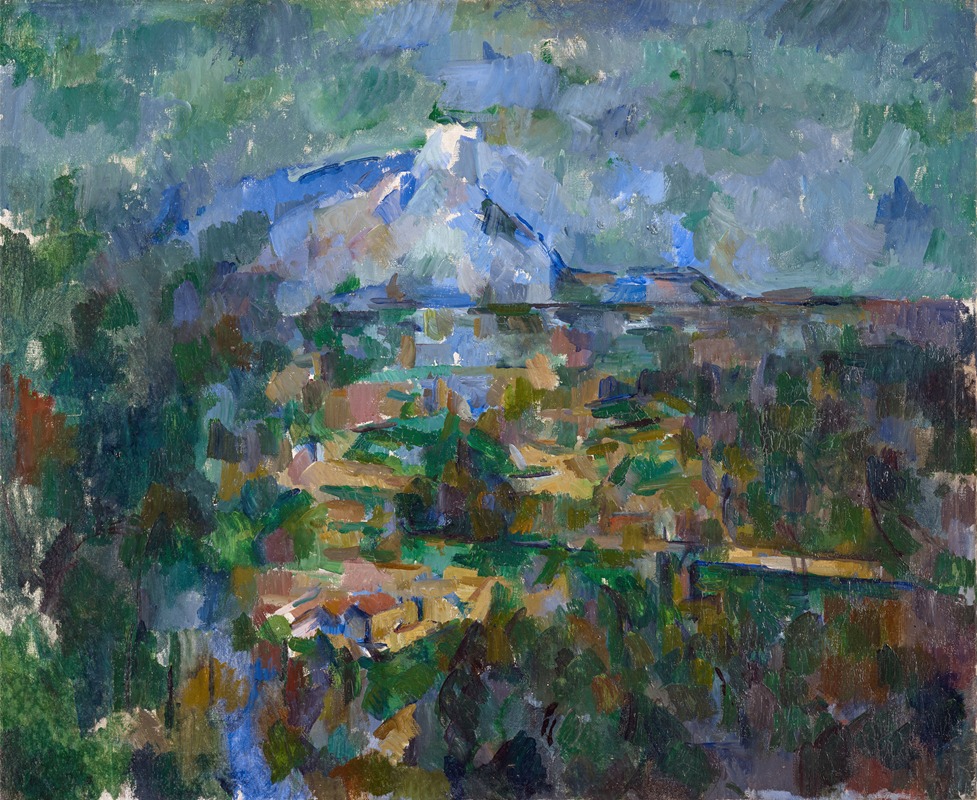
The Mont Sainte-Victoire Seen From Les Lauves
Paul Cézanne
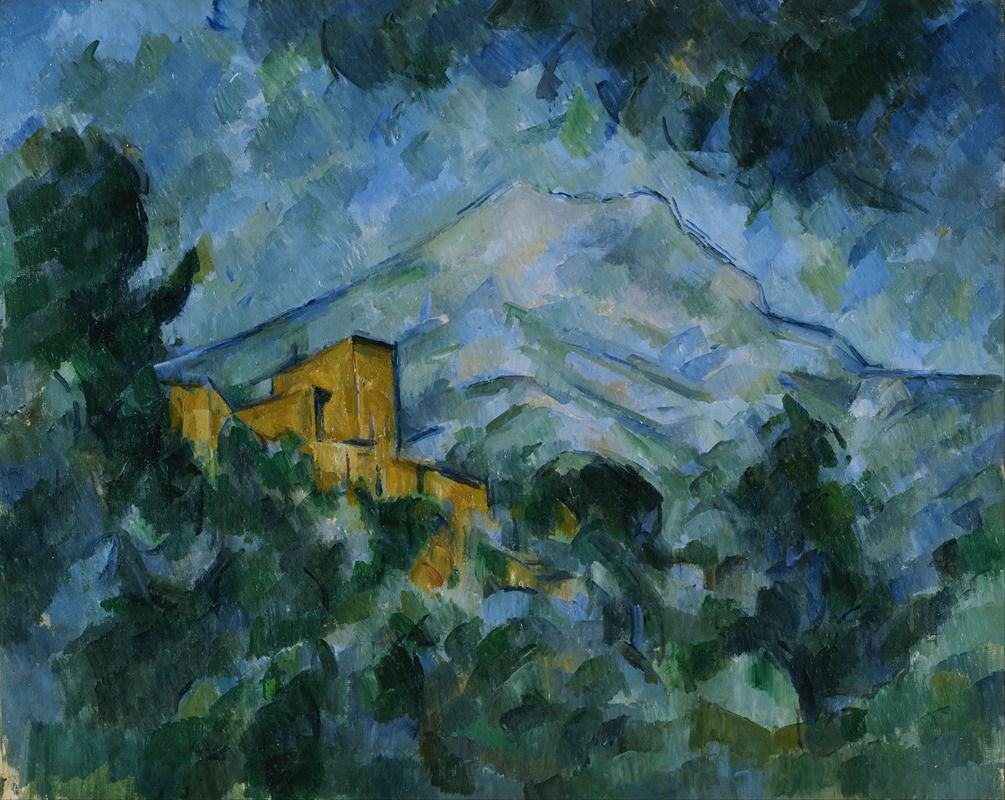
Mont Sainte-Victoire and Château Noir
Paul Cézanne
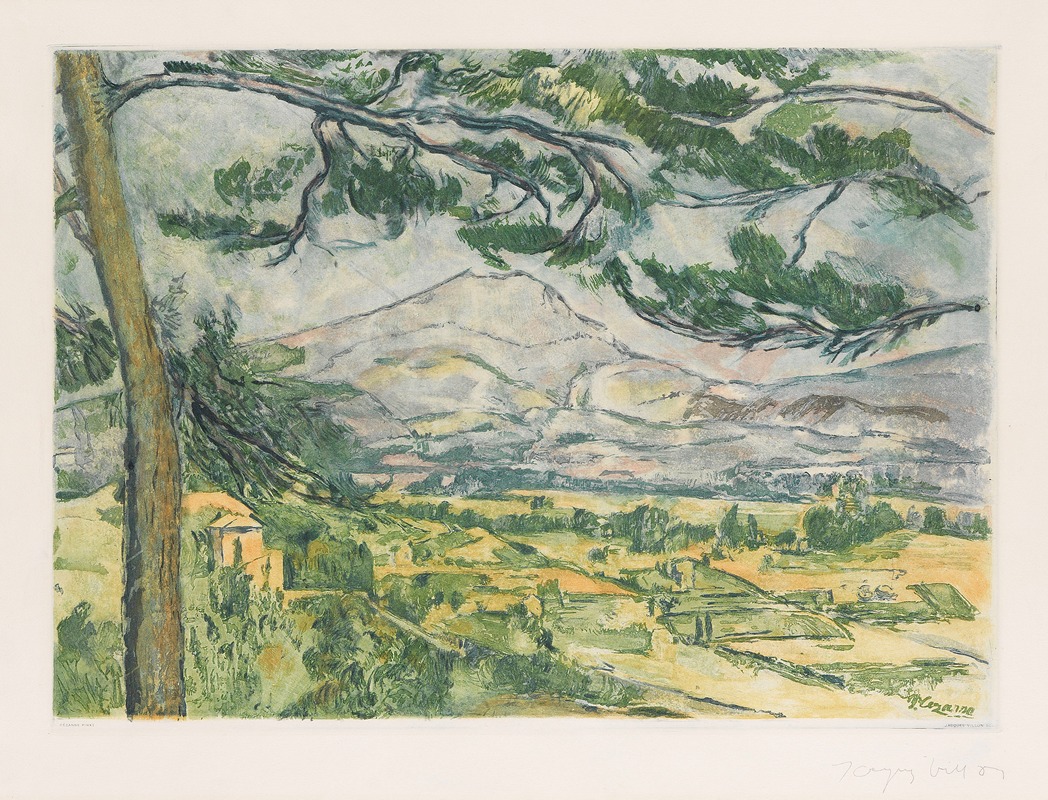
La Montagne Sainte-Victoire
Paul Cézanne
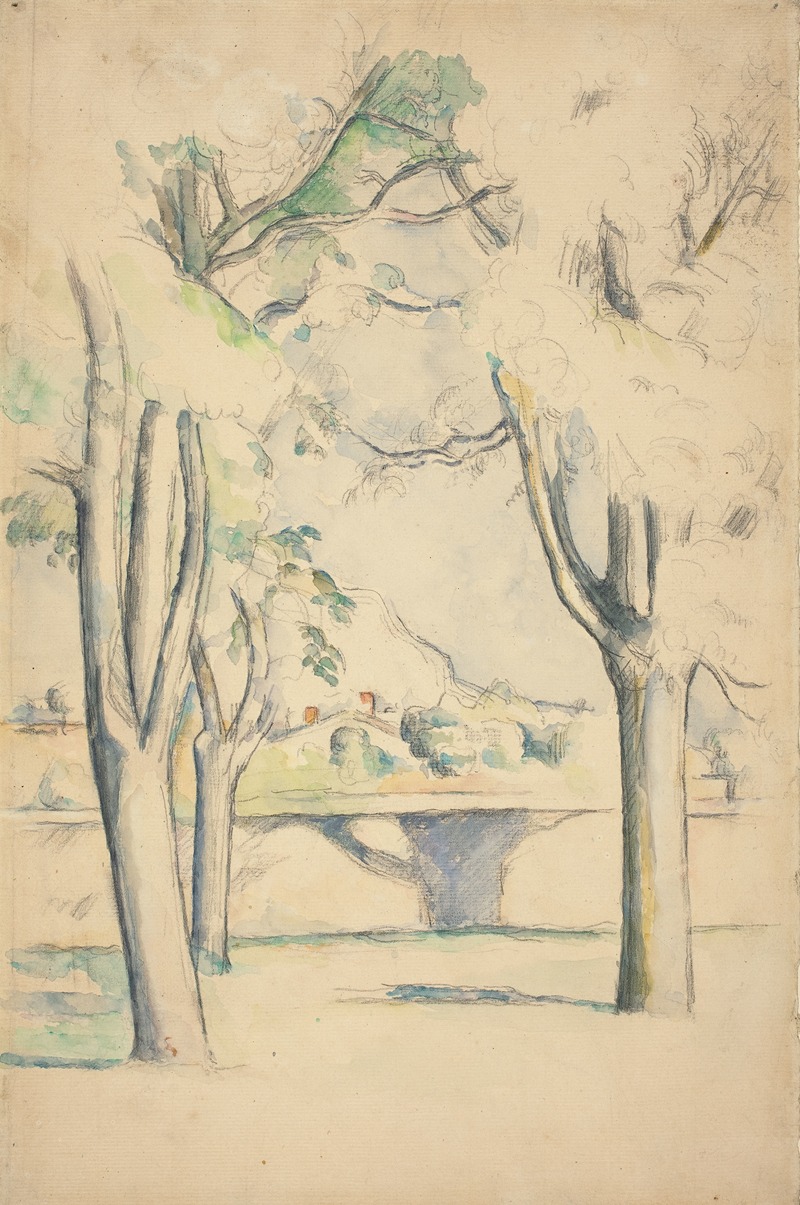
Mont Sainte-Victoire Seen beyond the Wall of the Jas de Bouffan
Paul Cézanne
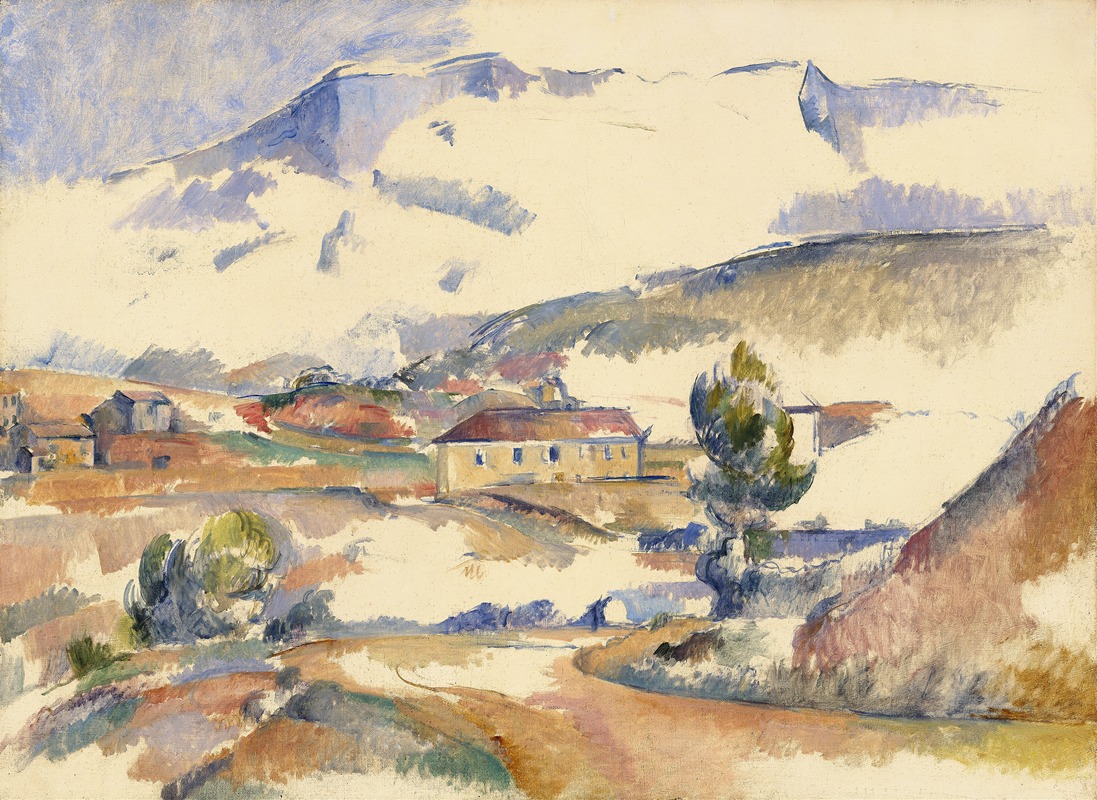
Montagne Sainte-Victoire,from near Gardanne
Paul Cézanne
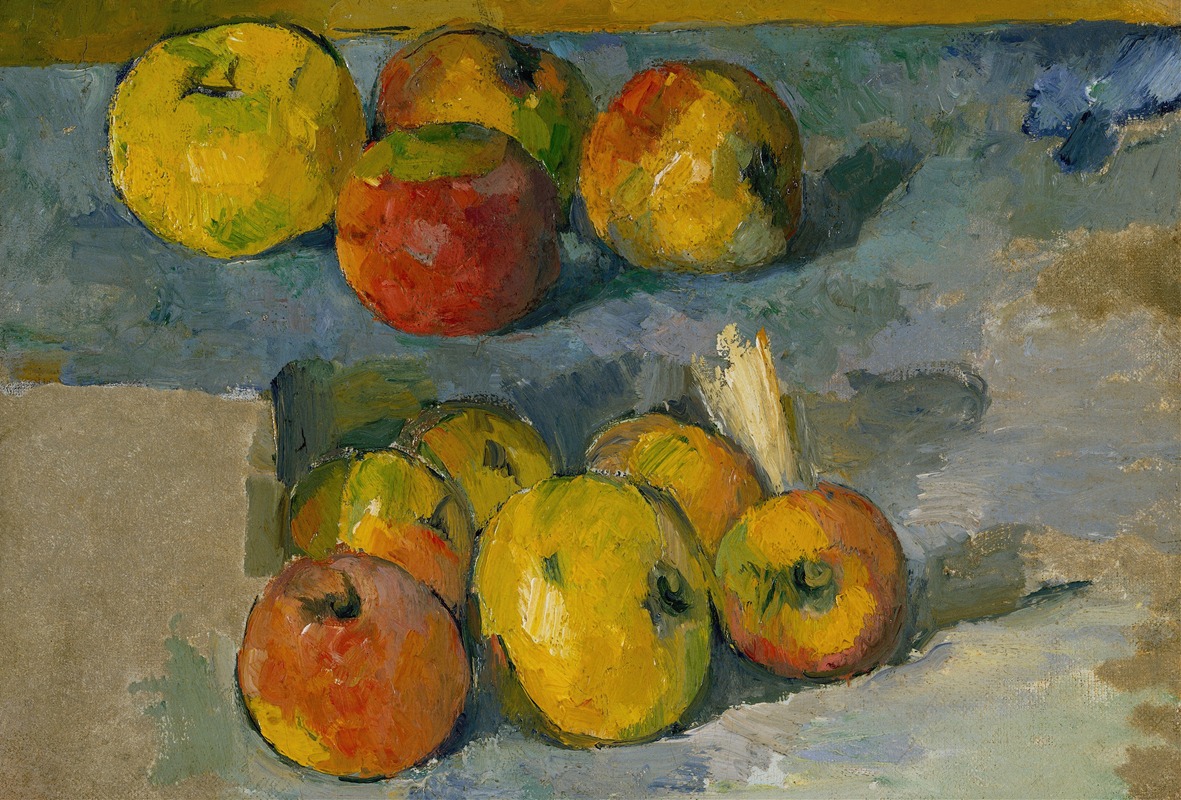
Apples
Paul Cézanne
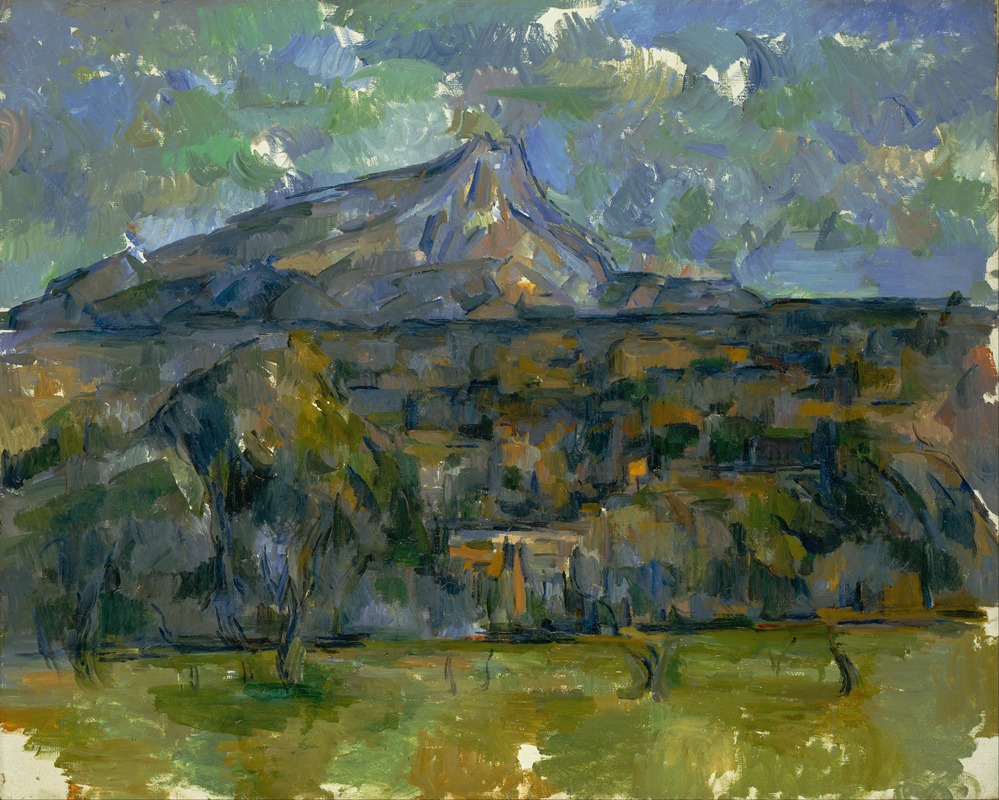
Mont Sainte-Victoire
Paul Cézanne
La mer à l’Estaque
Paul Cézanne
La Montagne Sainte-Victoire vue de la carrière Bibémus
Paul Cézanne
La Montagne Sainte-Victoire vue des Lauves
Paul Cézanne