
Blick zu den Kreidefelsen von Rügen — History & Facts
The delicate hues of a landscape can mask an undercurrent of peril and uncertainty, inviting viewers to ponder what lies beneath the surface. Look to the left at the striking contrast between the dark, looming cliffs and the soft, inviting tones of the horizon. The artist employs a muted palette of blues and greens, creating a sense of calm that belies the jagged edges of the chalk cliffs. The gentle strokes evoke the movement of the wind, while the sun, caught in the blush of twilight, casts a golden glow that seduces the eye, compelling it to drift across the canvas. Yet, the cliffs tower ominously, a reminder of nature's relentless power and the fragility of human existence.
As the waves lap against the shore, their rhythmic pulse suggests an impending danger, contrasting with the serene beauty of the landscape. The hollowness of the horizon hints at a fear of the unknown, suggesting that beauty is often intertwined with the threat of destruction. This duality invites a deeper reflection on our relationship with nature, urging us to acknowledge both its allure and its fearsomeness. In 1894, the artist was exploring the emotional depth of landscapes, responding to a world grappling with rapid industrialization and change.
Created in Berlin, Blick zu den Kreidefelsen von Rügen embodies Ury's fascination with the sublime, capturing the tension between tranquility and anxiety that characterized the period. As he honed his techniques, the painting emerged as a testament to both his personal journey and the broader art movements of his time.
More Artworks by Lesser Ury
Browse all →
Unter den Linden mit Blick auf das Brandenburger Tor
Lesser Ury
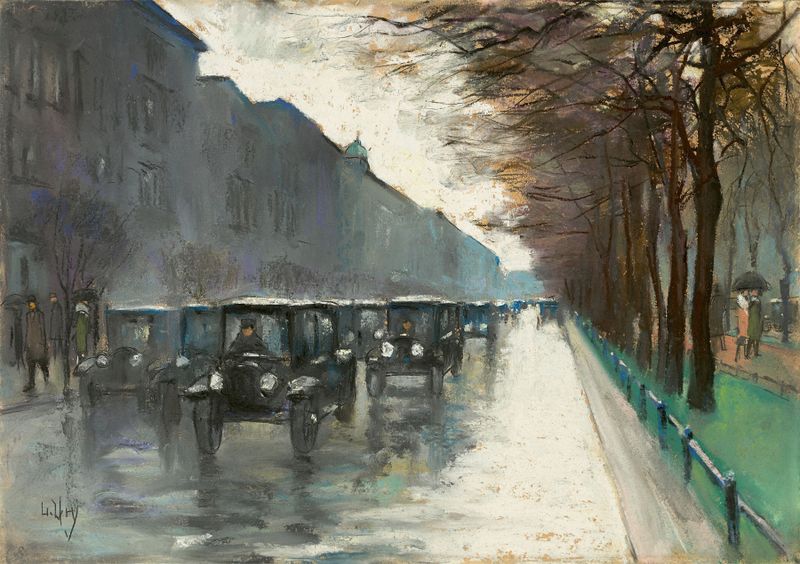
Unter den Linden mit Droschken im Regen
Lesser Ury

Berliner Straßenszene im Spätherbst
Lesser Ury
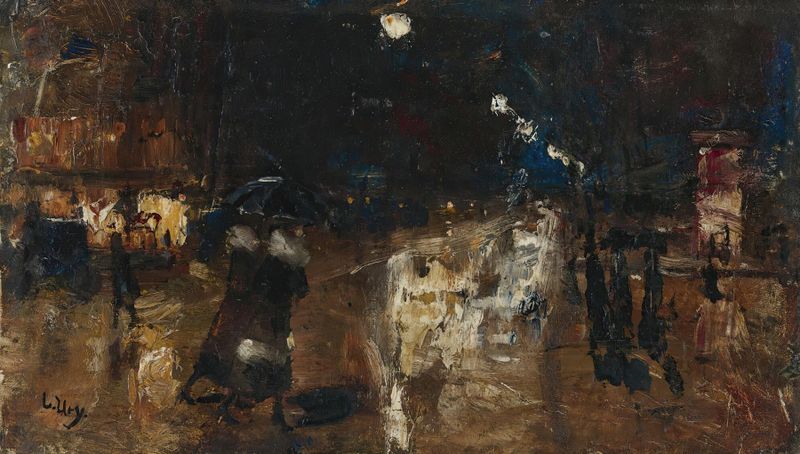
Rainy Street
Lesser Ury
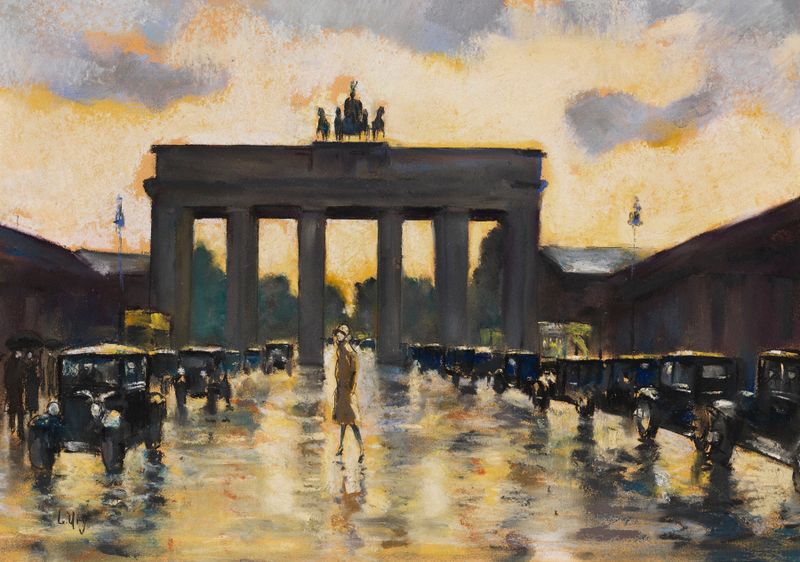
Brandenburger Tor vom Pariser Platz aus gesehen
Lesser Ury

Motiv aus dem Grunewald
Lesser Ury

Straße bei Nacht im Regen (Berlin)
Lesser Ury
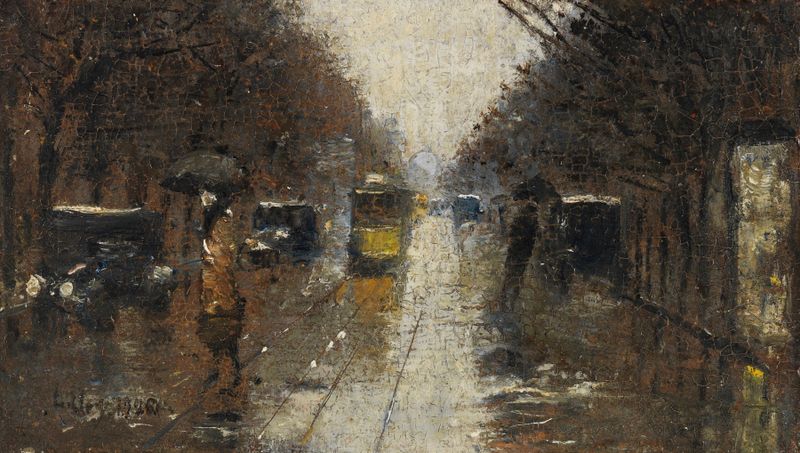
Straßenszene bei Regen, Berlin
Lesser Ury
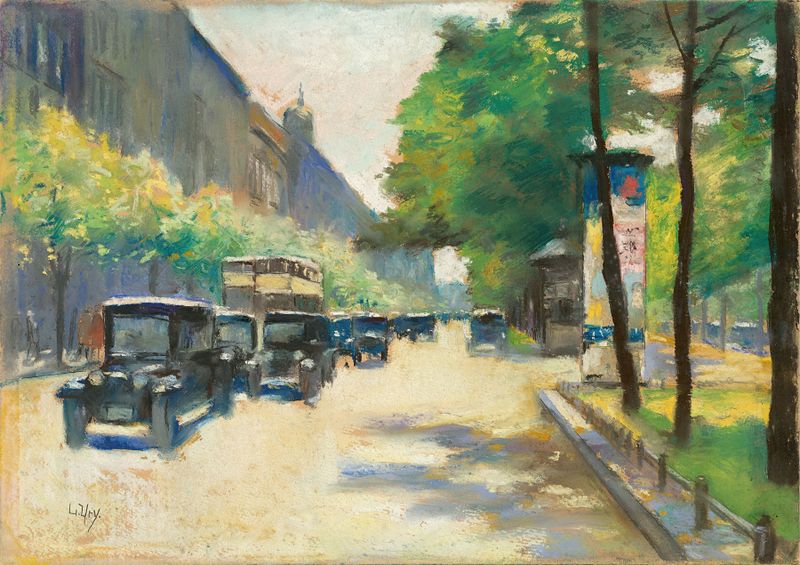
Unter den Linden, Berlin
Lesser Ury
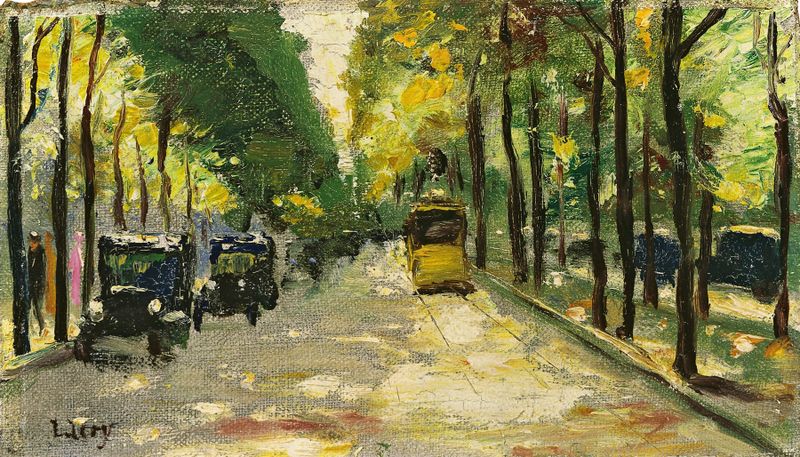
Berliner Straße im Sonnenschein
Lesser Ury





