
Blossom Time in Tokyo — History & Facts
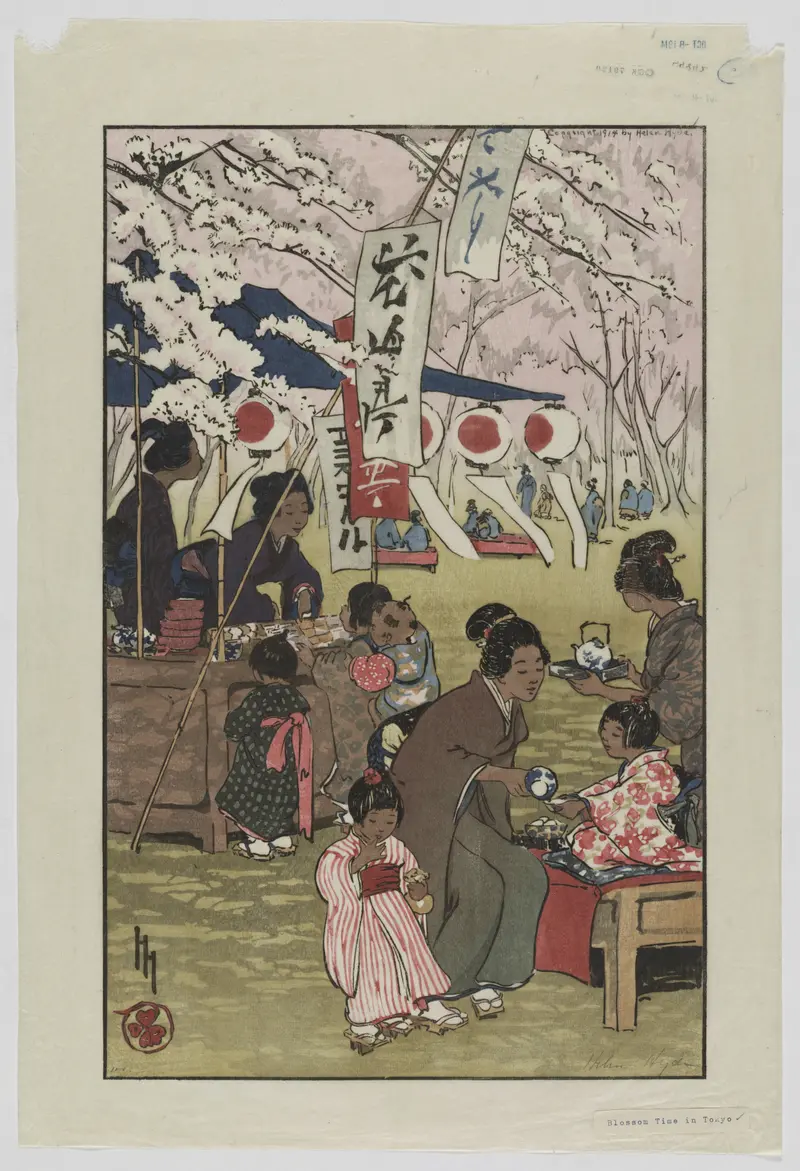
What first draws the eye in Blossom Time in Tokyo is the gentle choreography of daily life unfolding beneath a canopy of cherry blossoms. The crowd is not a blur but a tapestry of gestures: a woman pours tea for a child, another leans forward to serve from a stall, and children in patterned kimonos cluster around, their small hands busy with treats. The banners and lanterns punctuate the scene with vertical rhythm, their calligraphy and red circles signaling both festivity and place.
The pale pinks and creamy whites of the blossoms sweep across the top of the image, framing the human activity below and bathing everything in a light that feels both celebratory and fleeting. Created in 1914, this work sits at the crossroads of Western and Japanese print traditions, a hallmark of Helen Hyde’s career. The composition echoes the Japanese ukiyo-e genre, which often captured scenes of seasonal pleasure and public gatherings, yet Hyde’s perspective is distinctly that of an attentive outsider—an artist fascinated by the rituals and textures of everyday life in Tokyo. Such prints were often collected by Western audiences hungry for images of a rapidly modernizing Japan, and Hyde’s work, now held in the Smithsonian American Art Museum, speaks to a moment when artistic and cultural boundaries were being redrawn.
The image invites us to linger, to notice not just the blossoms but the quiet exchanges beneath them.
More Artworks by Helen Hyde

Moonlight on the Viga Canal) - HH (monogram) LCCN0065
Helen Hyde
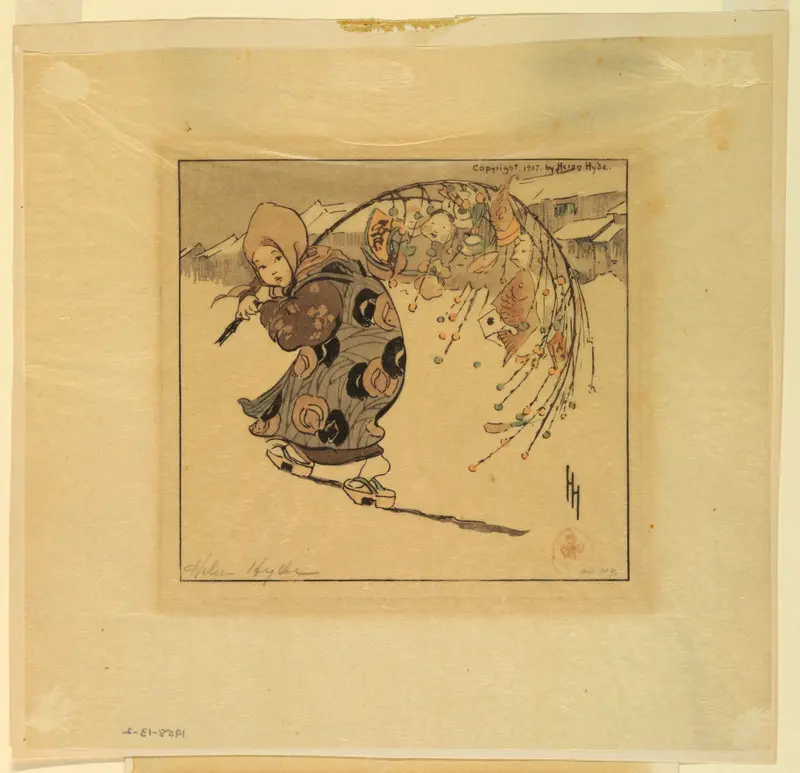
Print, The Good Luck Branch
Helen Hyde
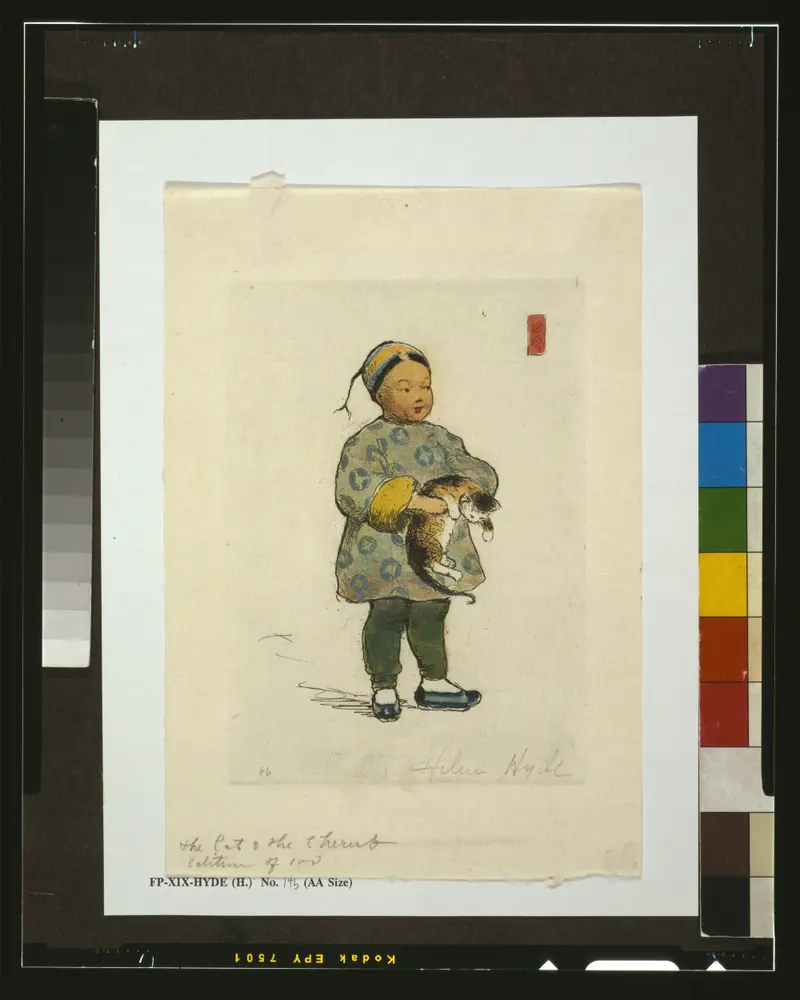
The cat and the cherub LCCN200367
Helen Hyde

Hon(orable Mr) cat - HH (monogram). LCCN200367
Helen Hyde
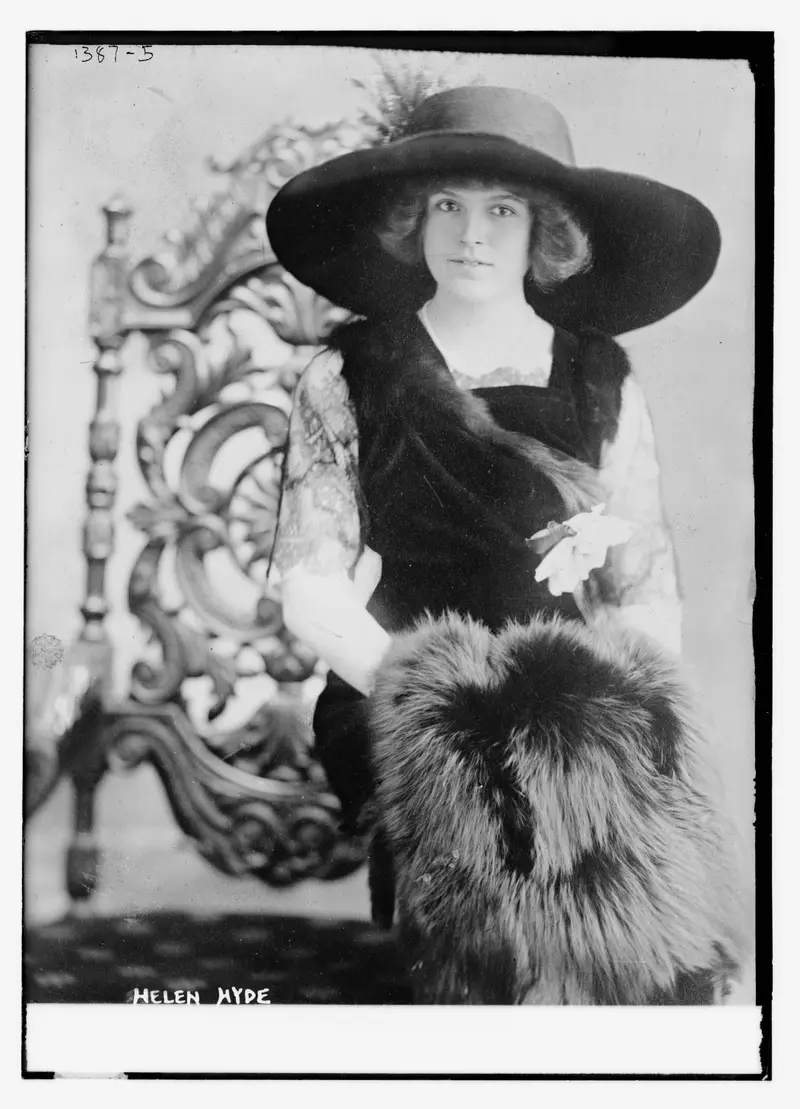
Helen Hyde LCCN201468
Helen Hyde
Blossom time in Tokyo) - HH (monogram) LCCN0065
Helen Hyde
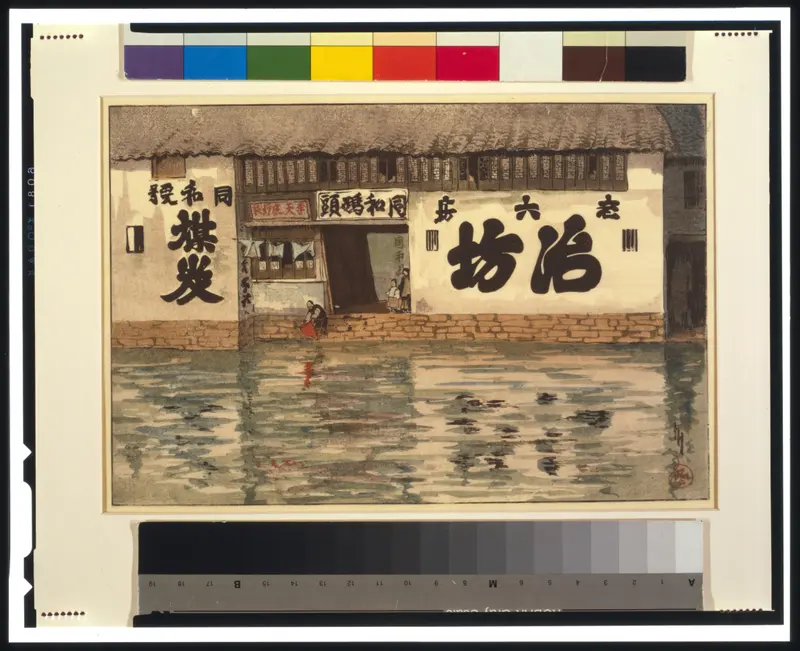
The sauce-pan shop) - HH (monogram) LCCN0065
Helen Hyde

New Year's Day in Tokyo
Helen Hyde
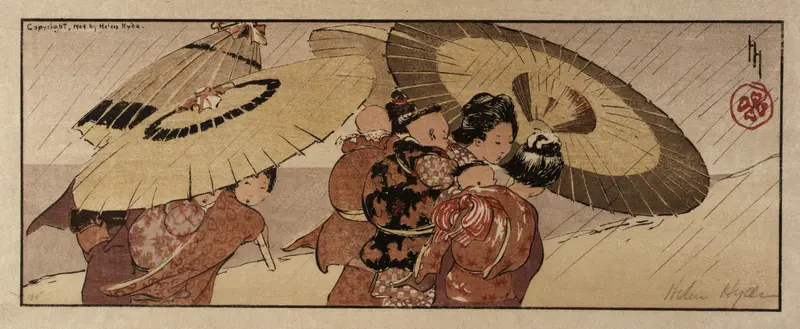
A Summer Shower
Helen Hyde
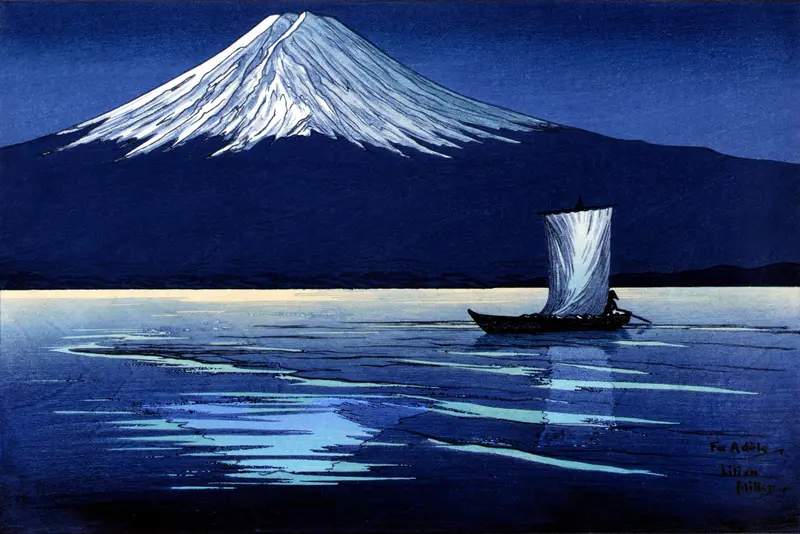
Moonlight on Mt. Fuji
Helen Hyde
More Genre Scene Art

Banquet of the Officers of the St George Civic Guard
Frans Hals

Rembrandt and Saskia in the Scene of the Prodigal Son
Rembrandt van Rijn

Bal du moulin de la Galette
Pierre-Auguste Renoir

Quadrille at the Moulin Rouge
Henri de Toulouse-Lautrec

A Burial at Ornans
Gustave Courbet

When Will You Marry?
Paul Gauguin