
Blowing Bubbles — History & Facts
Did the painter know this moment would outlive them? In the delicate act of blowing bubbles, an ephemeral joy contrasts starkly with the weight of absence, whispering a quiet grief that lingers in the air. Focus on the center, where a child, wide-eyed with wonder, draws breath to create a fragile orb that captures light and color. Notice how the artist’s brushwork renders the bubble almost translucent, shimmering with hints of blues and pinks, reflecting the surrounding world yet remaining elusive. The soft, warm palette envelops the child, while shadows deepen around them, suggesting that this fleeting moment exists in a space tinted by nostalgia. Hidden within this simple scene are layers of emotional complexity.
The child’s innocent delight foreshadows the inevitable loss of such innocence, the bubble representing both the beauty and fragility of life. The softness of their features contrasts sharply with the somber undertones in the surroundings, evoking a sense of longing for what has been lost and a reminder of the preciousness of fleeting pleasures. Painted between 1700 and 1722, this work emerged during a time when the artist was embracing the emotional depth of his subjects against a backdrop of changing societal values in the Netherlands. Van der Werff's oeuvre during this period often reflected themes of childhood innocence intertwined with a profound understanding of human mortality, making Blowing Bubbles a poignant snapshot of both joy and sorrow.
More Artworks by Pieter van der Werff
Browse all →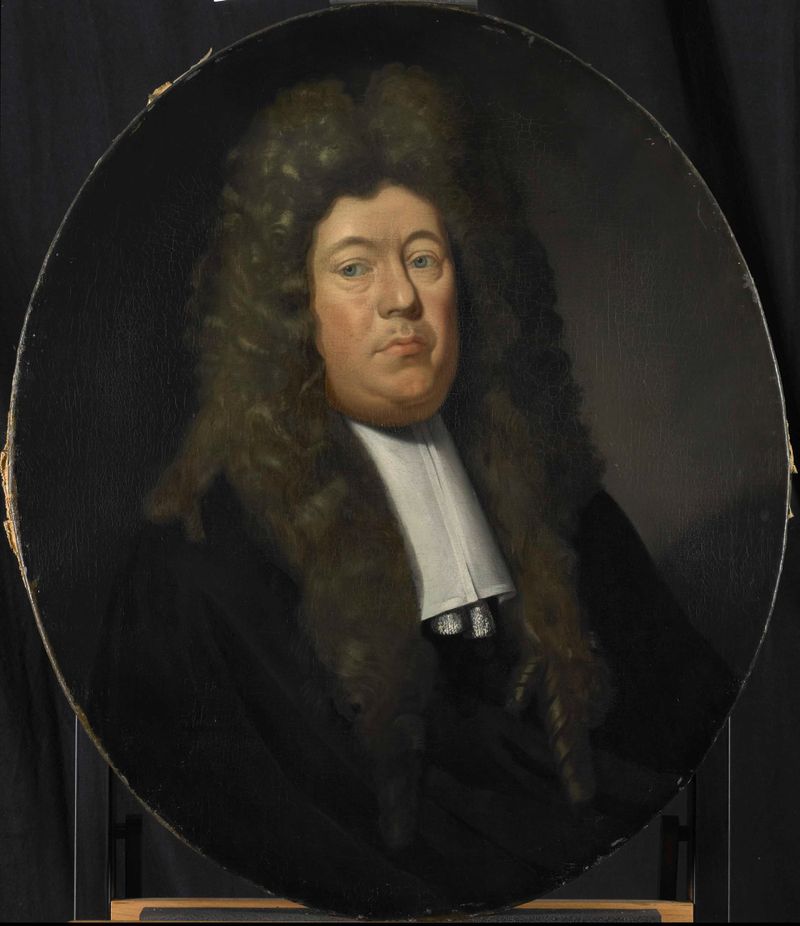
Portrait of Adriaen Paets, Director of the Rotterdam Chamber of the Dutch East India Company, elected 1668
Pieter van der Werff
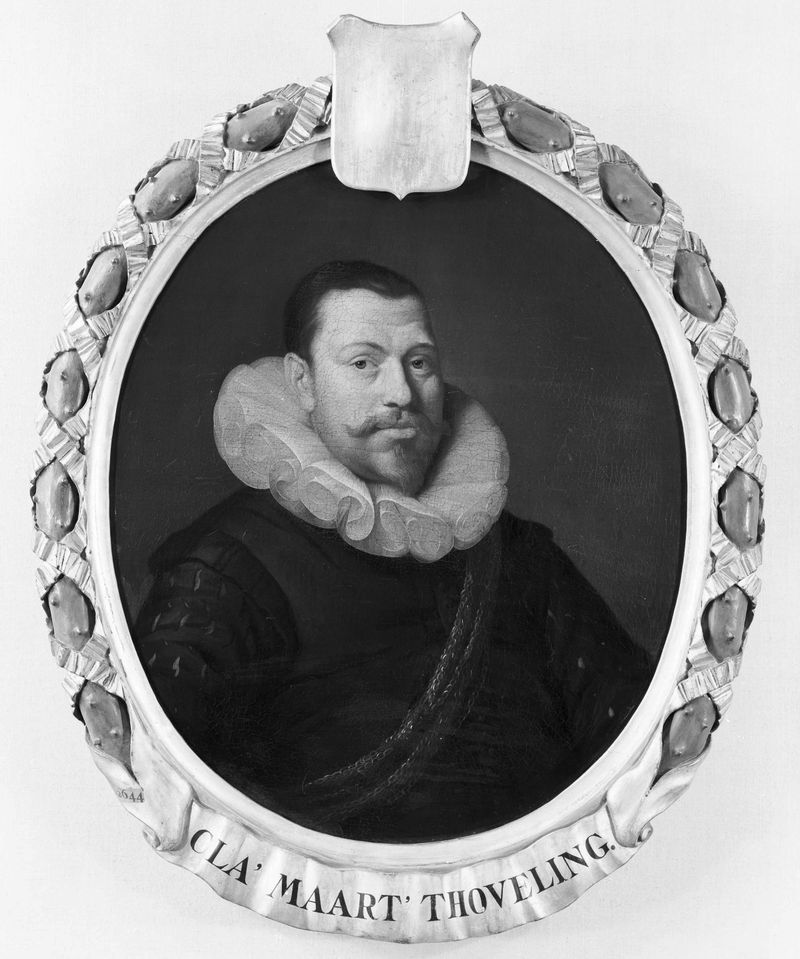
Portrait of Claes Maertensz Thoveling, Director of the Rotterdam Chamber of the Dutch East India Company, elected 1619
Pieter van der Werff
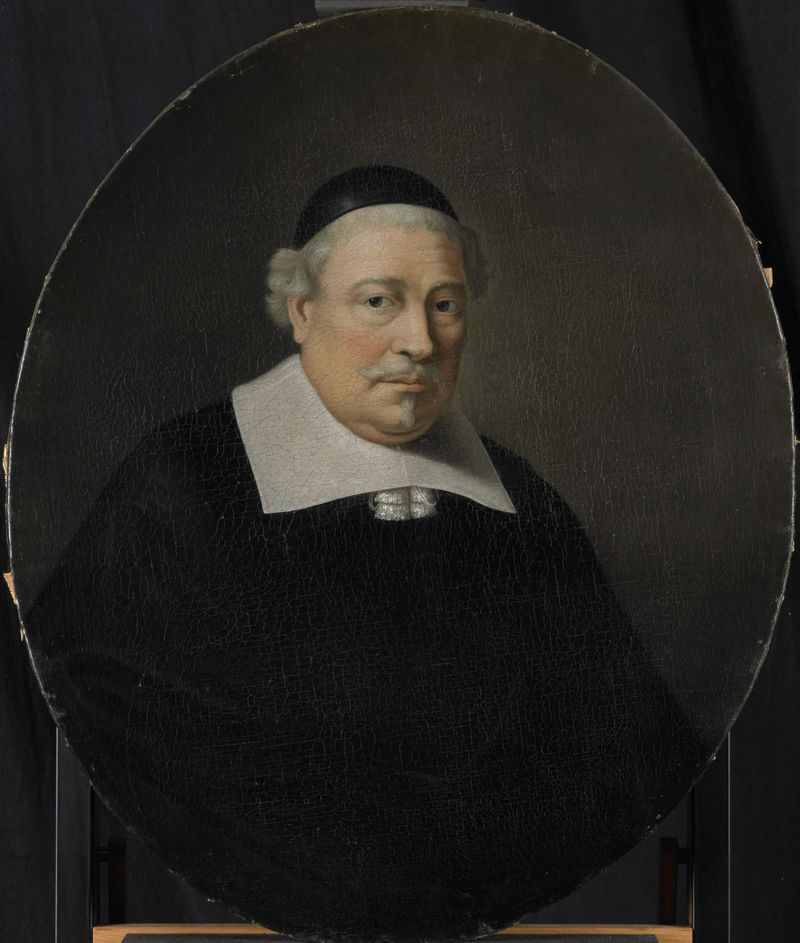
Portrait of Cornelis de Koningh, Director of the Rotterdam Chamber of the Dutch East India Company, elected 1649
Pieter van der Werff
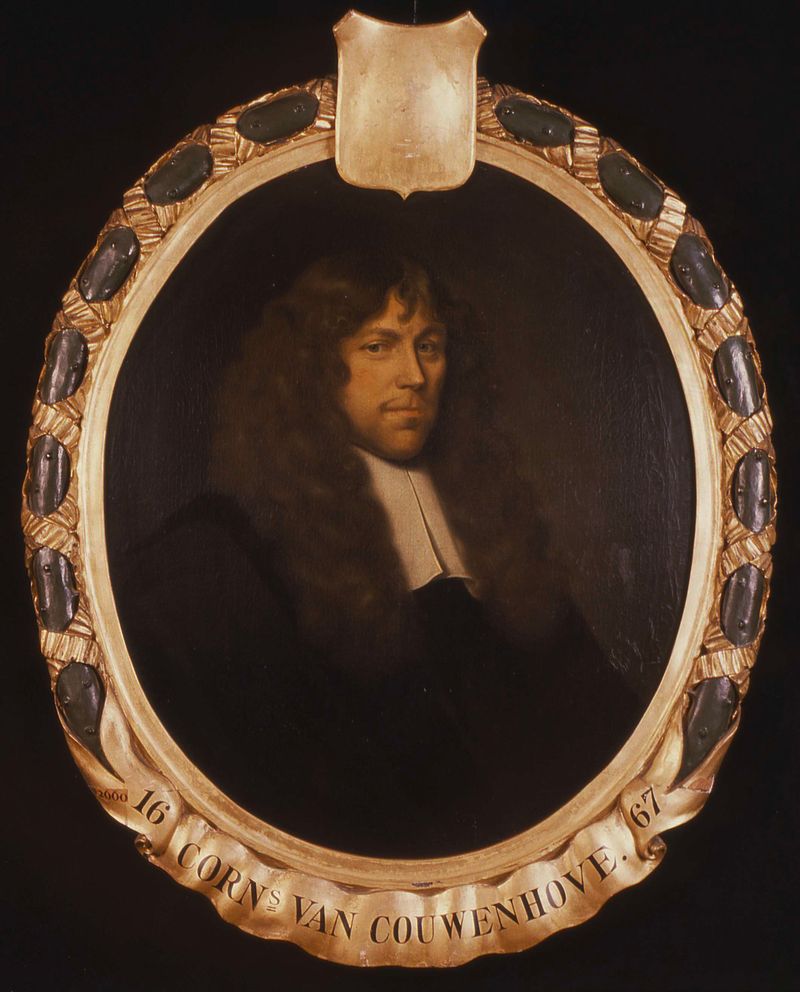
Portrait of Cornelis van Couwenhove, Director of the Rotterdam Chamber of the Dutch East India Company, elected 1667
Pieter van der Werff
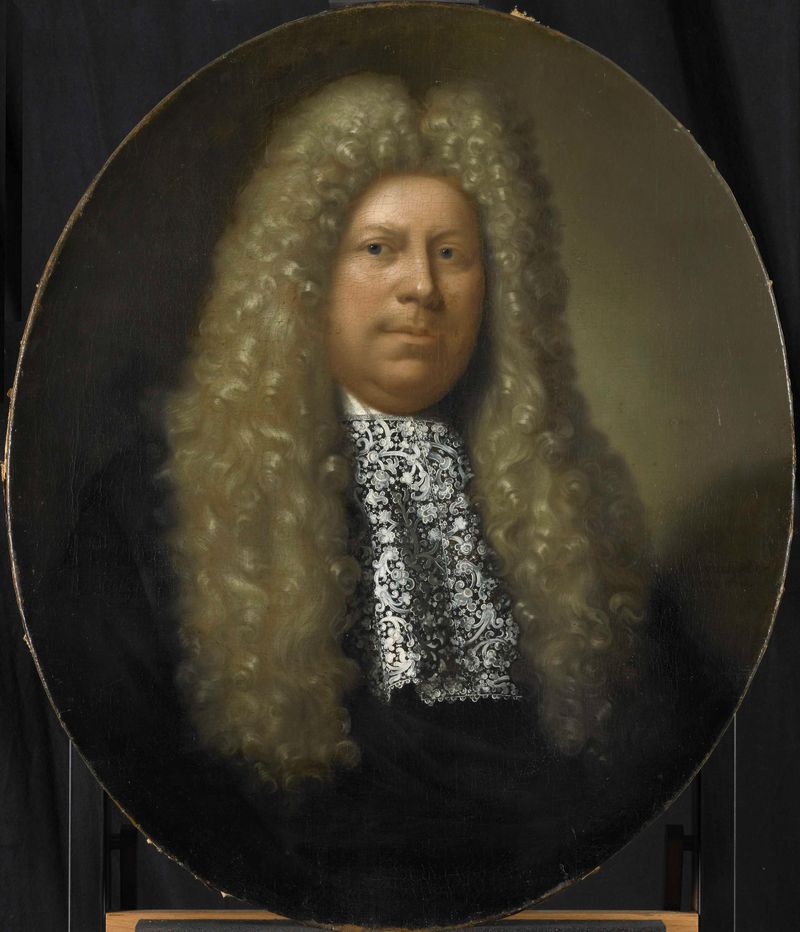
Portrait of Jacob Dane, Director of the Rotterdam Chamber of the Dutch East India Company, elected 1689
Pieter van der Werff
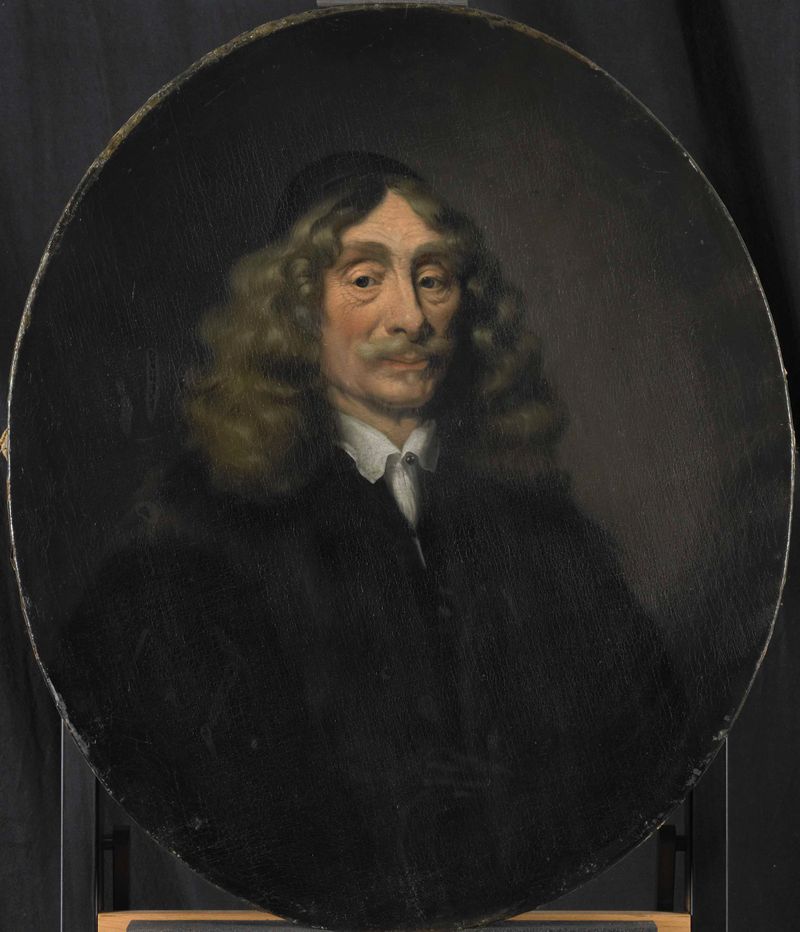
Portrait of Johan de Reus, Director of the Rotterdam Chamber of the Dutch East India Company, elected 1657
Pieter van der Werff
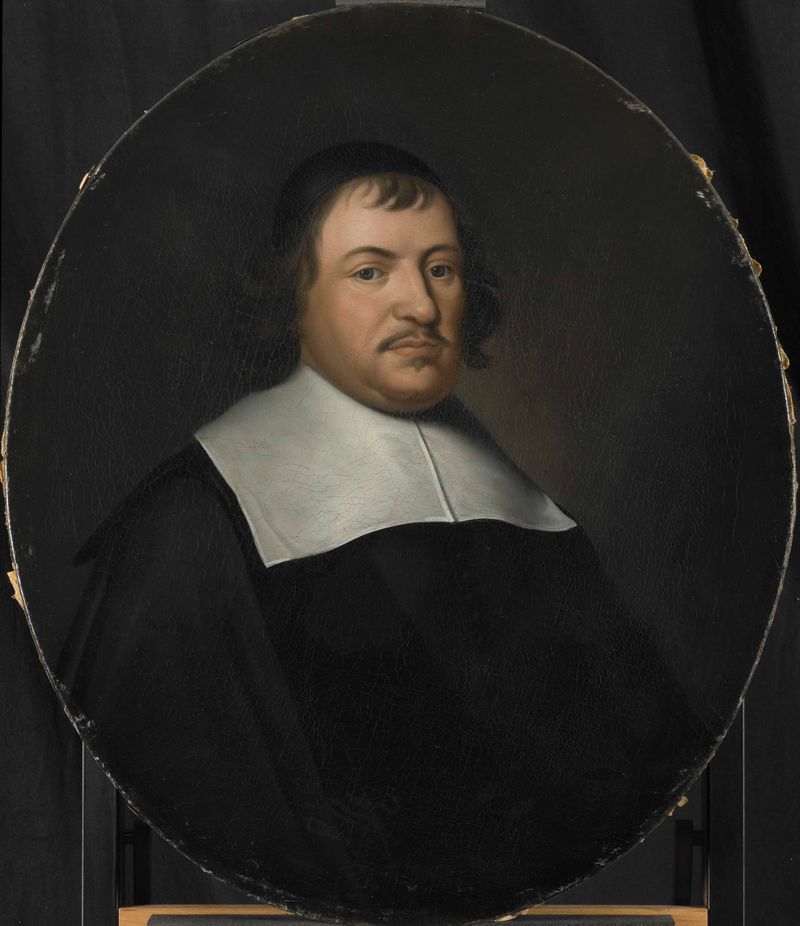
Portrait of Cornelis van den Bergh, Director of the Rotterdam Chamber of the Dutch East India Company, elected 1659
Pieter van der Werff
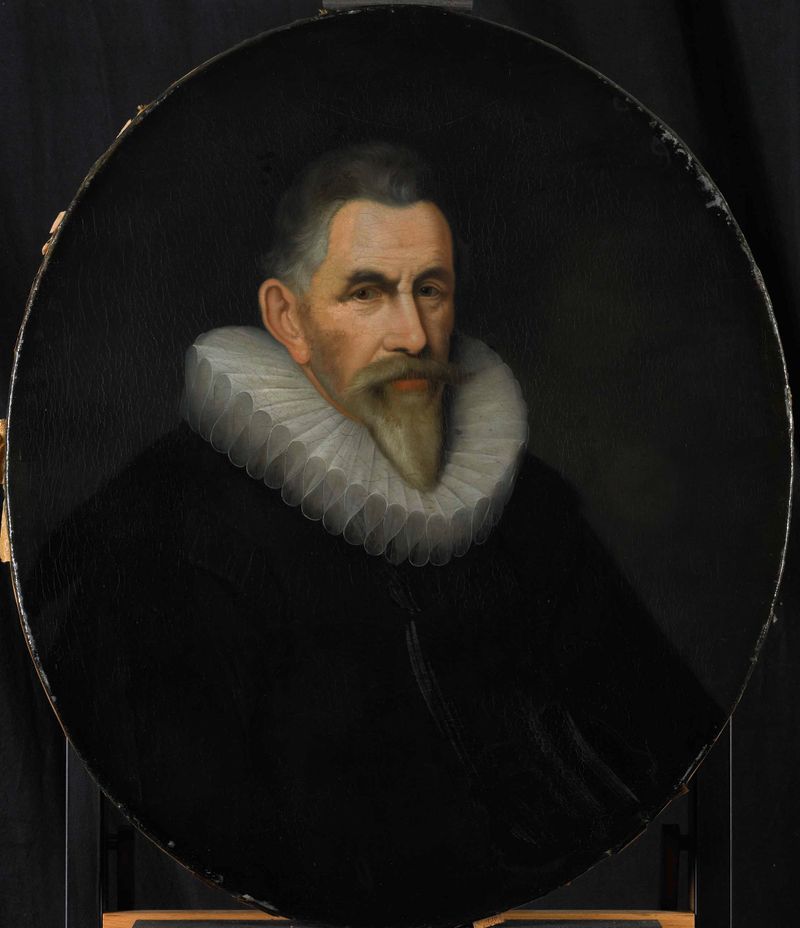
Portrait of Johan van der Veecque, Director of the Rotterdam Chamber of the Dutch East India Company, elected 1602
Pieter van der Werff
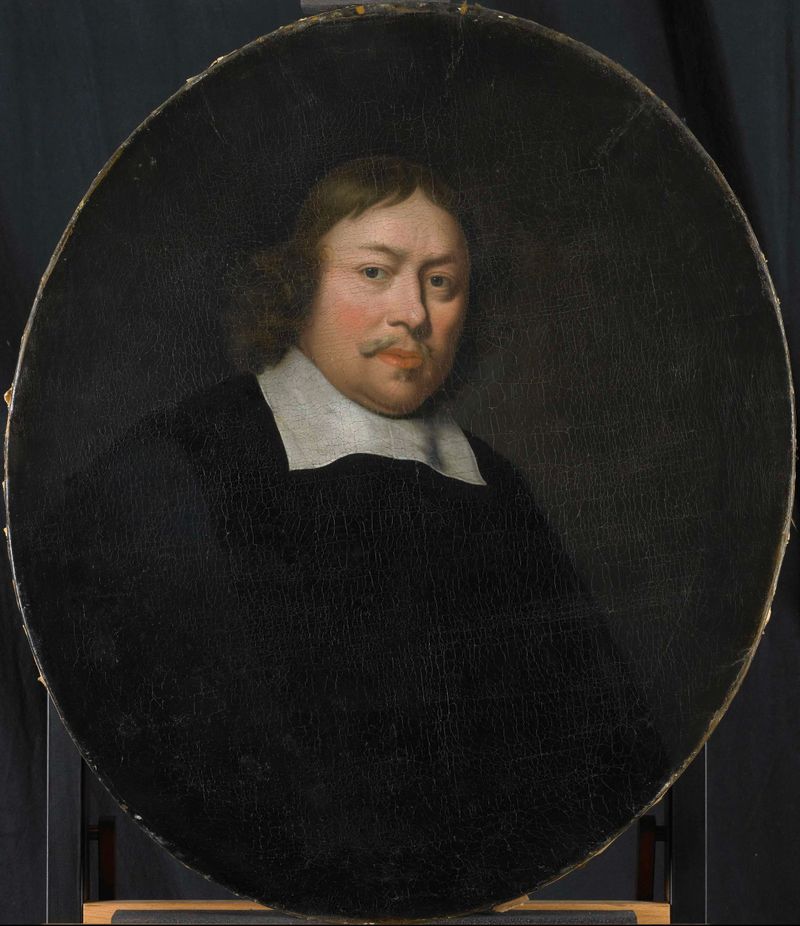
Portrait of Gerard van Bergen, Director of the Rotterdam Chamber of the Dutch East India Company, elected 1653
Pieter van der Werff
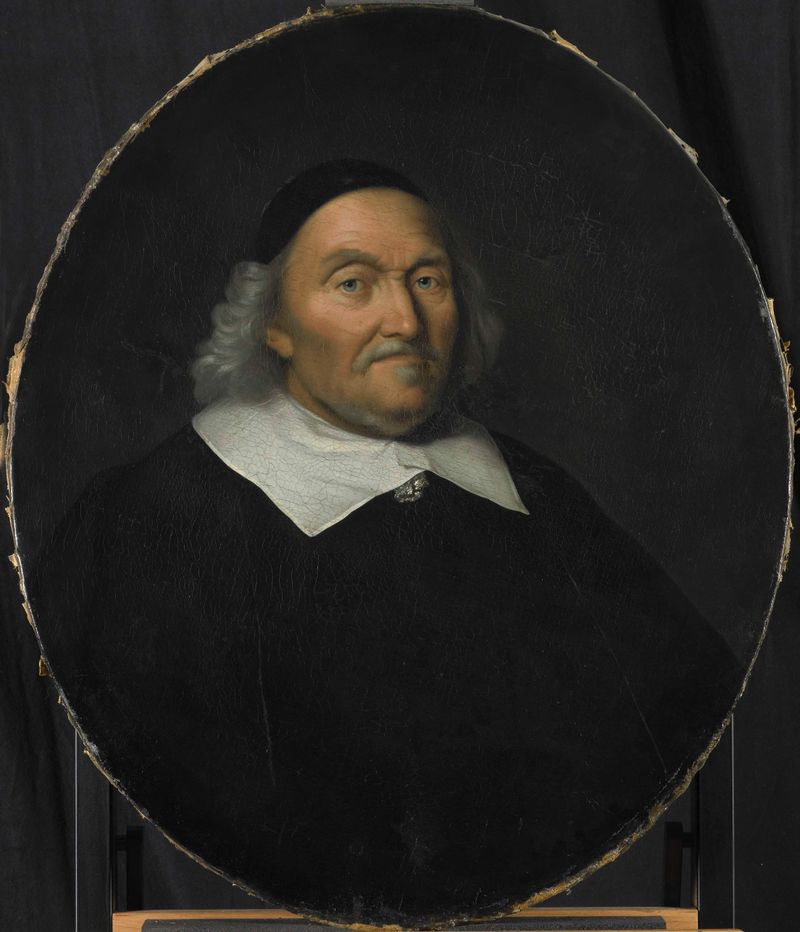
Portrait of Hendrik Nobel, Director of the Rotterdam Chamber of the Dutch East India Company, elected 1625
Pieter van der Werff





