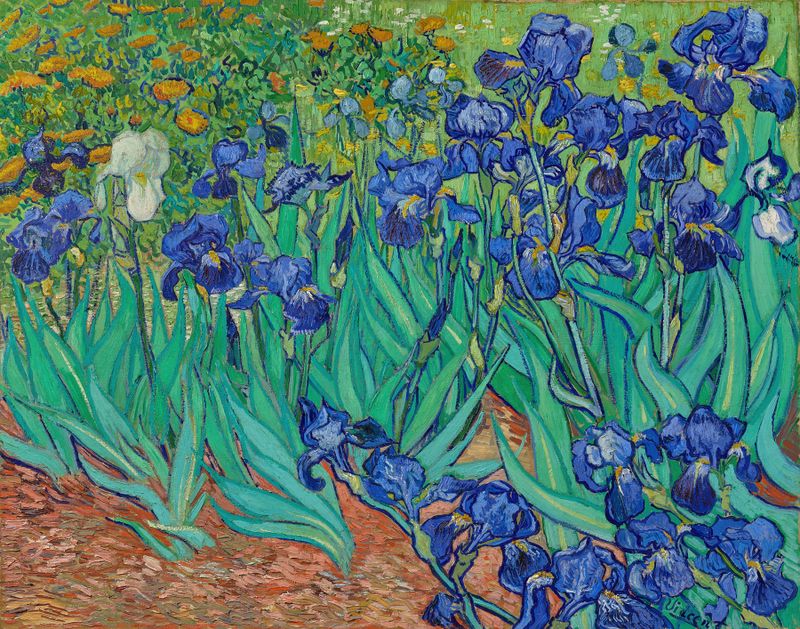
Blumenstauden am Gärtnerhaus nach Osten — History & Facts
What if beauty was never meant to be finished? In Blumenstauden am Gärtnerhaus nach Osten, transformation takes center stage, capturing a moment suspended between nature’s wildness and human intention. Focus on the vibrant strokes of color that beckon your gaze to the blooms, their petals alive with a symphony of reds, yellows, and greens. Notice how the brushwork varies — thick and impasto in some areas, whisper-soft in others — revealing the artist's hands moving with an urgency to capture growth at its peak. The composition, with its balance of florals and the sturdy gardener's house, invites contemplation of harmony between cultivated beauty and the natural chaos surrounding it. Delve deeper into the significance of this scene.
The lushness of the flowers speaks to the vitality of life, while the sturdy structure of the house evokes stability and permanence. Yet, there is tension in this juxtaposition; the blooms are fleeting, ephemeral reminders of the beauty that is transient. The light dances across the canvas, hinting at the inevitability of change — a cycle of decay and rebirth intertwined with the act of nurturing. Painted in 1928, Blumenstauden am Gärtnerhaus nach Osten emerged during a time of great change in Liebermann's life, as well as in the broader art world.
Living in an era marked by the aftermath of World War I, the artist's focus on nature and domestic scenes reflected a longing for peace and renewal. The impressionist style he mastered was a rebellion against the norms of the time, offering viewers a glimpse of a world where beauty, though transient, remained a source of solace and inspiration.
More Artworks by Max Liebermann
Browse all →
Die Blumenterrasse in Wannsee mit Blick auf den Fischotterbrunnen
Max Liebermann
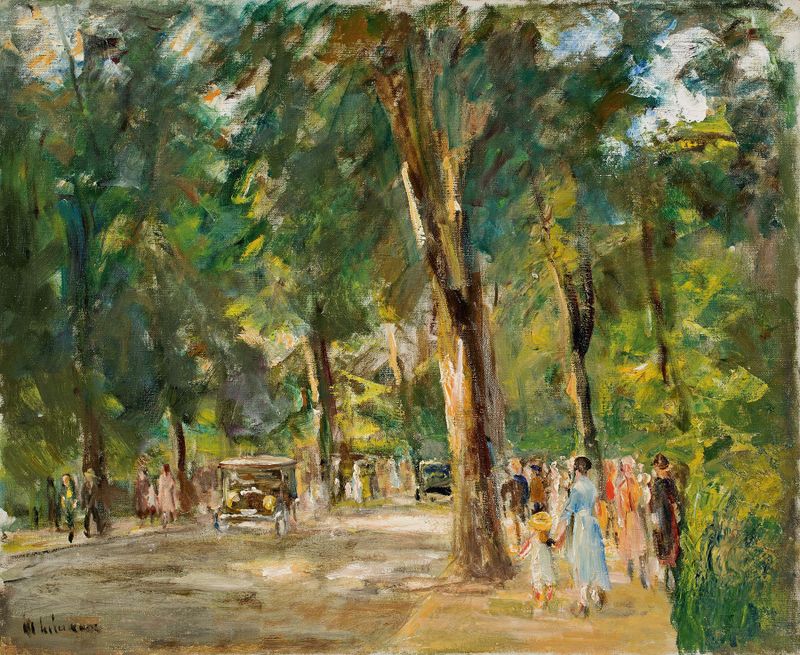
Die Große Seestraße in Wannsee mit Spaziergängern
Max Liebermann

Seitlicher Blick in den Wannseegarten
Max Liebermann

Der Rosengarten in Wannsee
Max Liebermann

Allee mit Spaziergängern und Automobilen
Max Liebermann

Blick in meinen Garten
Max Liebermann
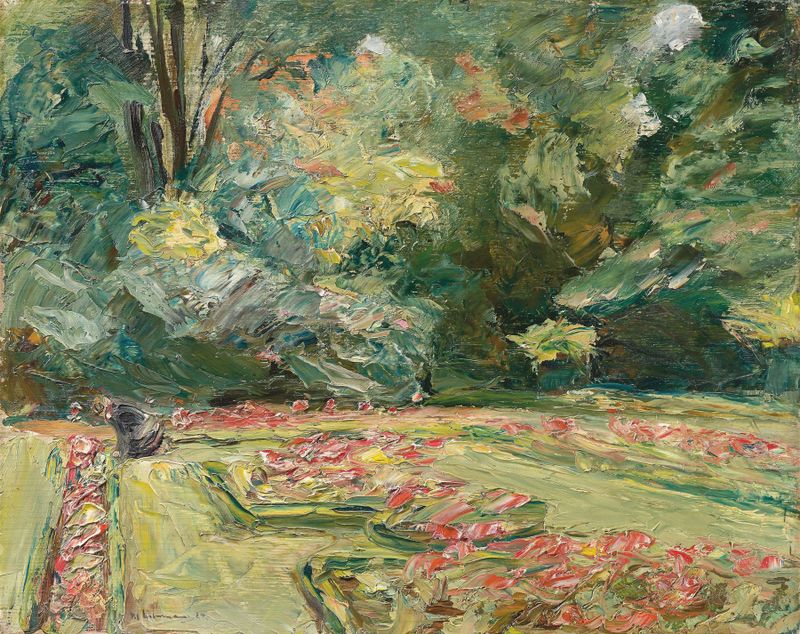
Die Blumenterrasse im Wannseegarten nach Norden
Max Liebermann

Spielende Kinder am Strand
Max Liebermann
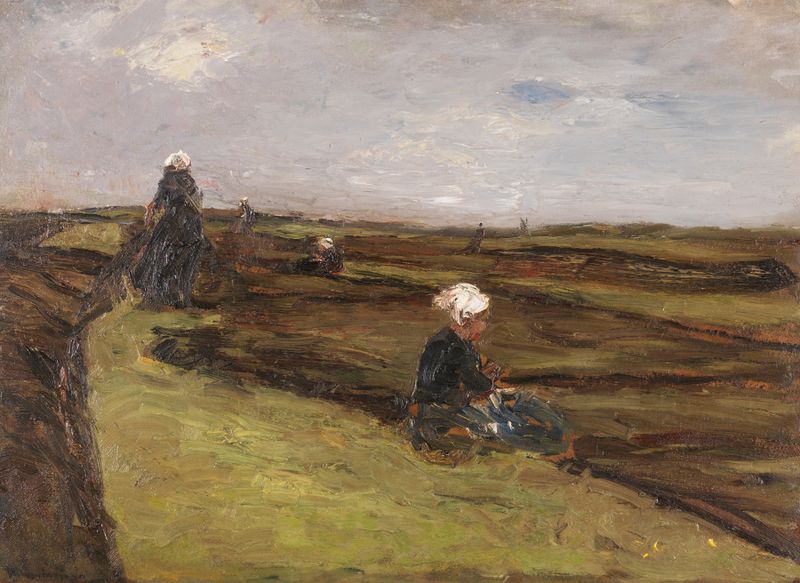
Die Netzflickerinnen
Max Liebermann

Am Strand von Noordwijk
Max Liebermann