
Böcklin Bildnis Clara Bruckmann Böcklin, der ältesten Tochter des Künstlers, 1876 — History & Facts
It is the eyes that first hold you in Bildnis Clara Bruckmann Böcklin, der ältesten Tochter des Künstlers, their dark, steady gaze meeting yours with a quiet gravity. The sitter’s face is rendered with a gentle realism that refuses flattery, her expression both open and enigmatic, as if she is caught between thought and speech. Soft, cool light falls evenly across her features, flattening the background into a muted blue-green that sets off the olive leaves rising behind her shoulders.
The repeated verticals of the foliage echo her upright posture, while the deep red-brown of her dress grounds her presence, drawing the viewer’s attention back to the face again and again. Painted in 1876, this portrait belongs to a world in which family likenesses were more than private mementos—they were statements of identity, affection, and sometimes ambition. The artist, Arnold Böcklin, was known for his dreamlike, symbolic works, yet here he turns to the intimate genre of portraiture, focusing on his eldest daughter. The frankness of the sitter’s gaze and the absence of decorative detail speak to the changing values of late nineteenth-century Europe, when portraits began to reveal personality and inner life rather than merely social status.
Now part of the collection at the Kunstmuseum Basel, this painting invites us to search for the story behind those eyes—an invitation that remains as compelling today as it was nearly a century and a half ago.
More Artworks by Arnold Böcklin

Die Toteninsel III
Arnold Böcklin
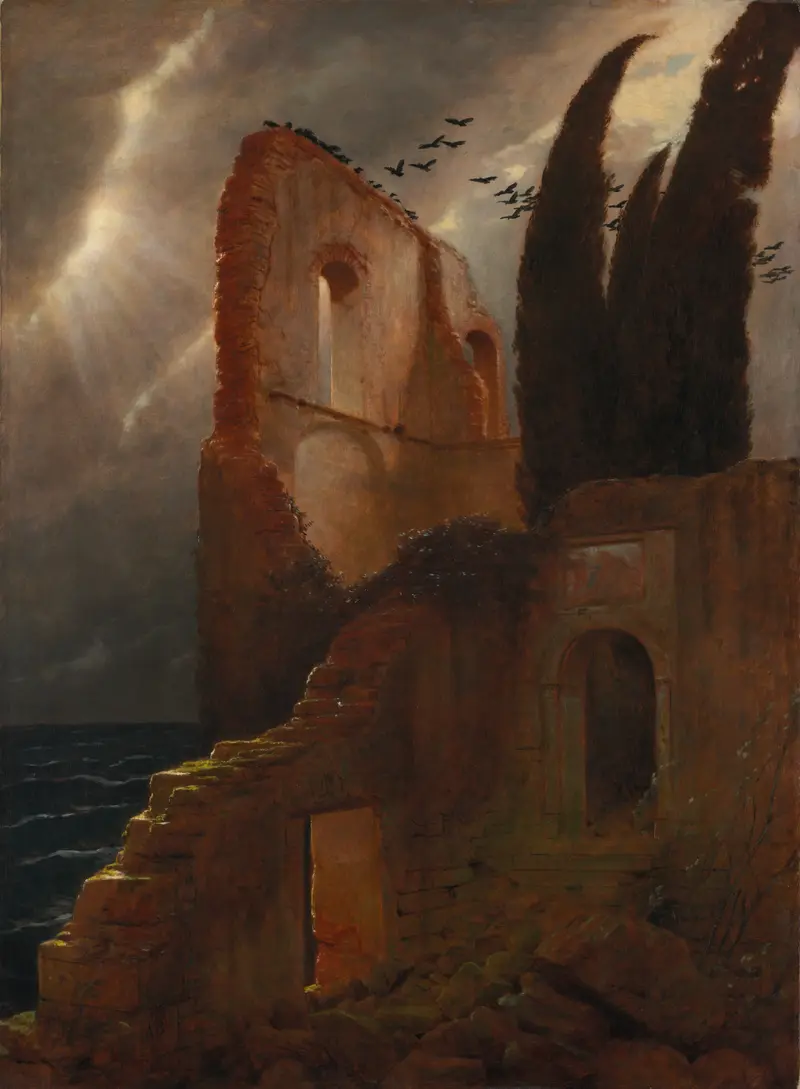
Ruin by the Sea
Arnold Böcklin
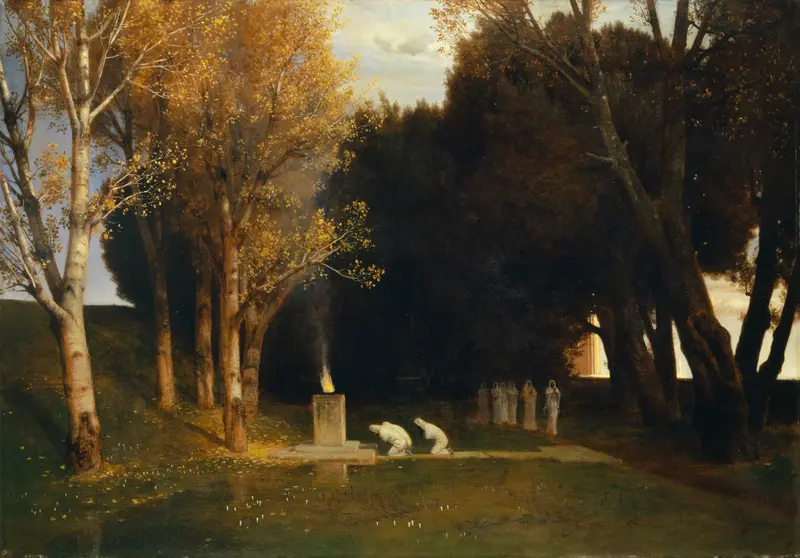
The Sacred Grove
Arnold Böcklin
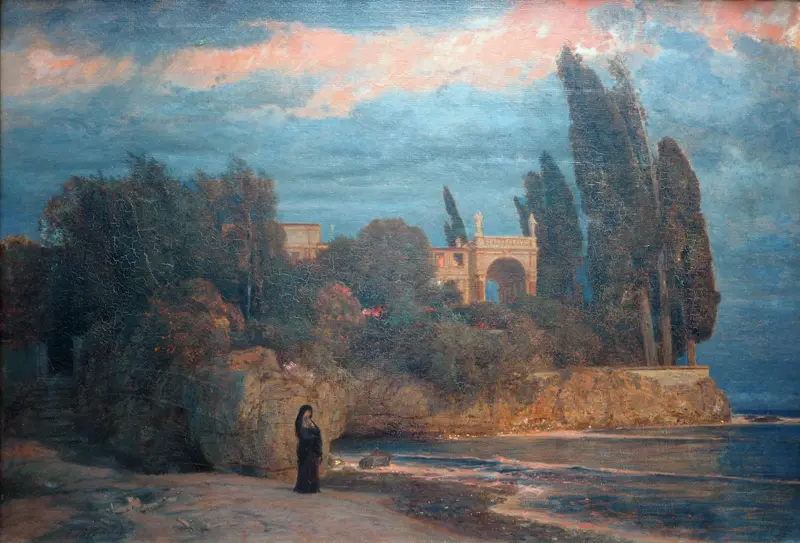
Villa by the Sea
Arnold Böcklin
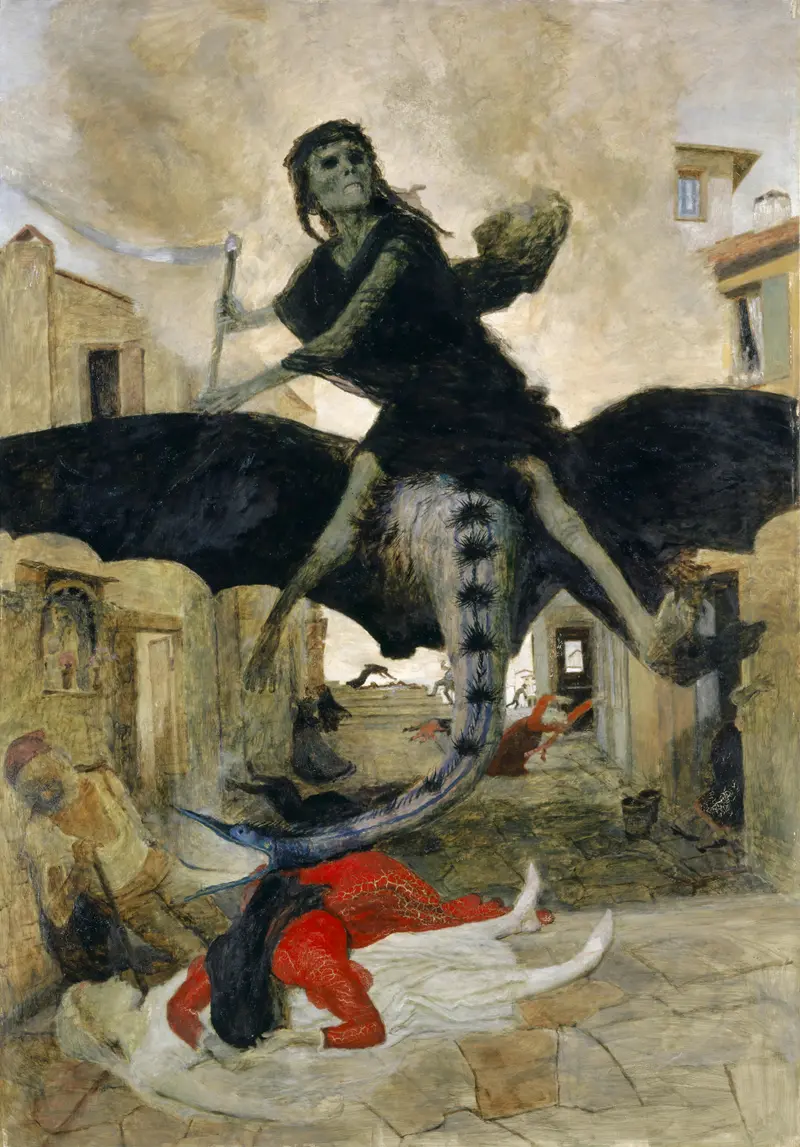
The Plague
Arnold Böcklin
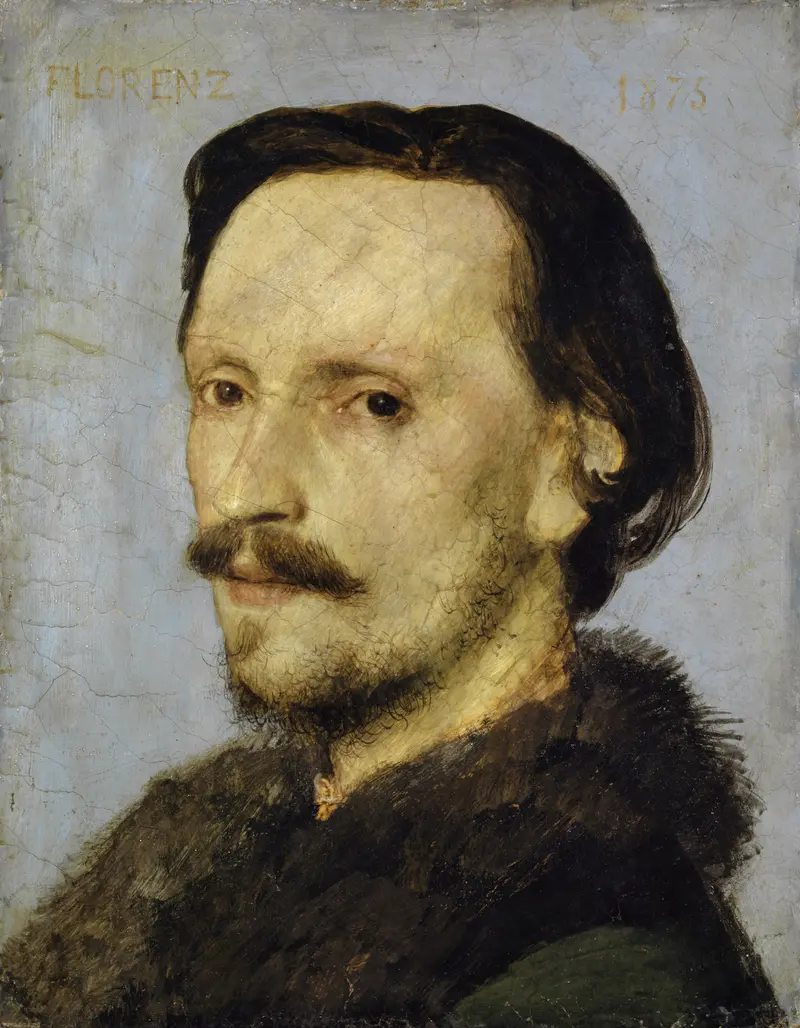
Böcklin Bildnis des Kunsthistorikers Adolph Bayersdorfer, 1875
Arnold Böcklin
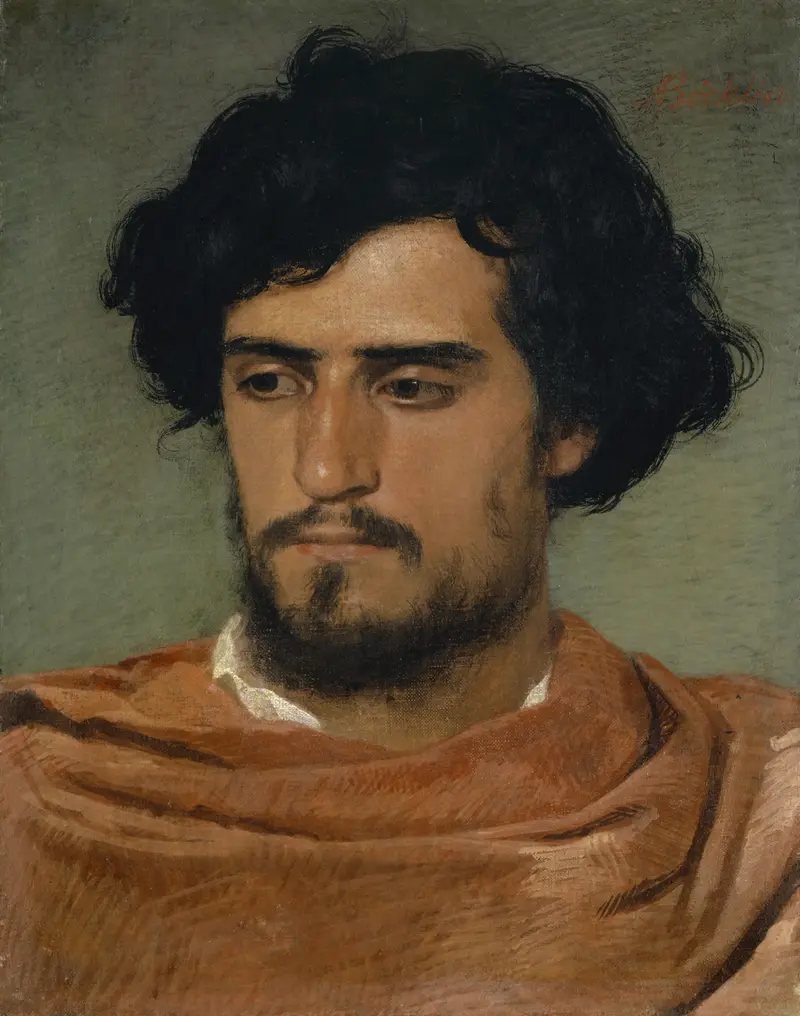
Head of a Roman
Arnold Böcklin
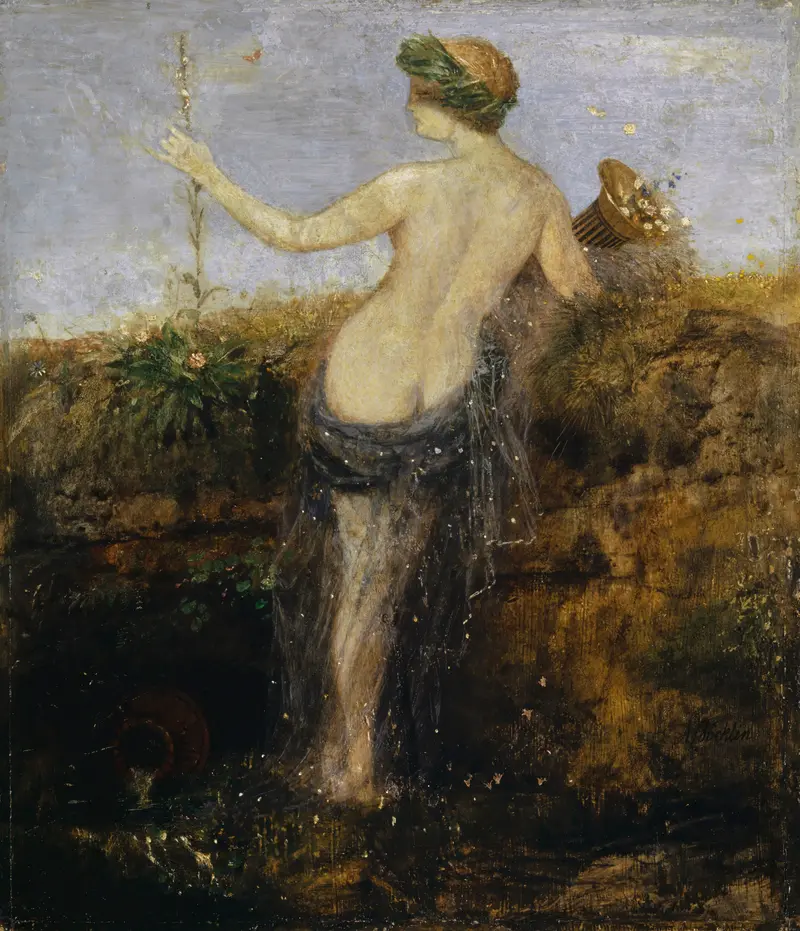
Nymphe with Horn of Plenty
Arnold Böcklin
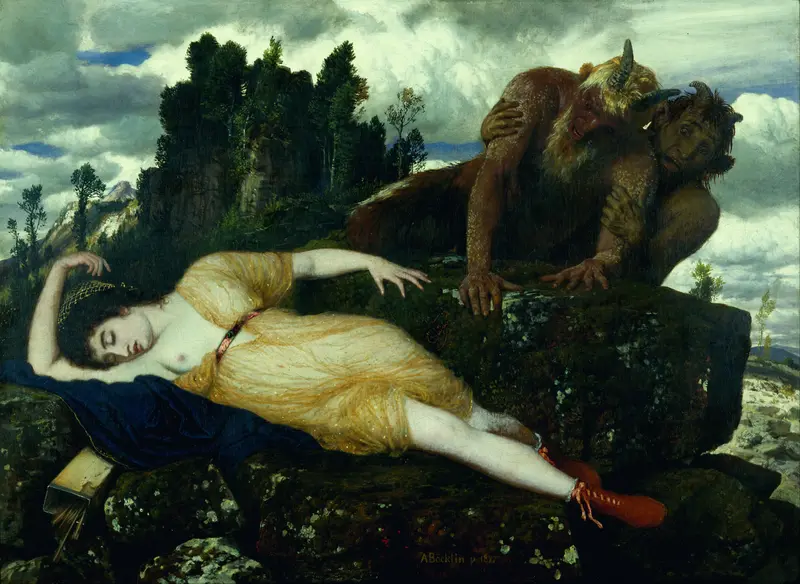
Sleeping Diana Watched by Two Fauns
Arnold Böcklin
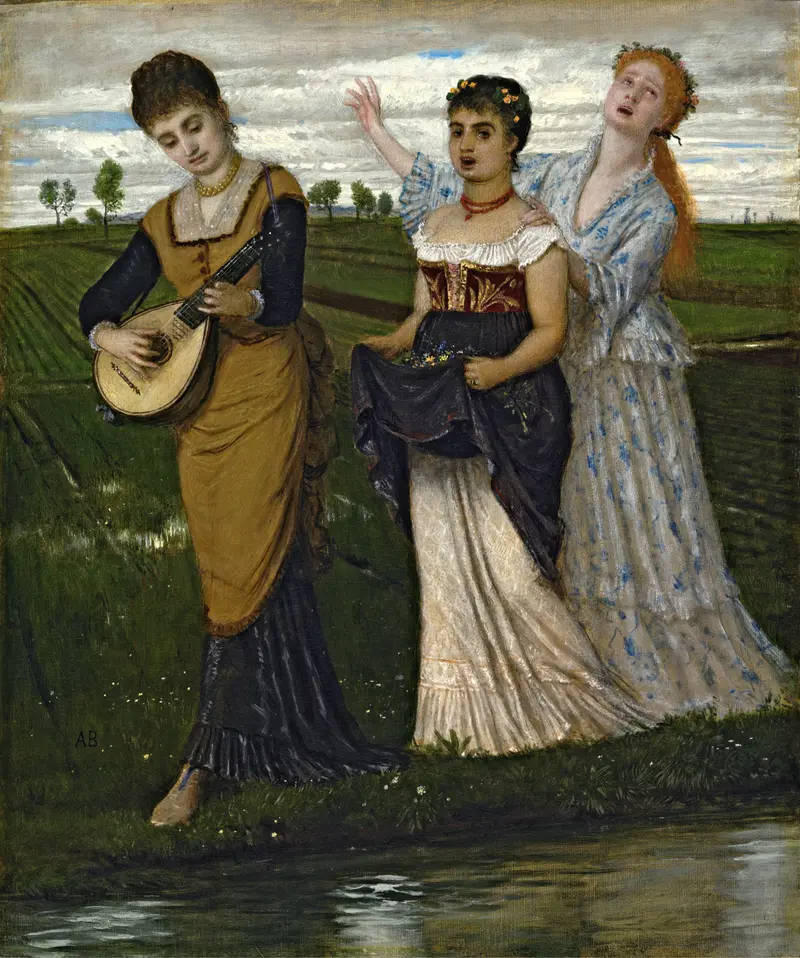
Spring (Songs of Spring)
Arnold Böcklin





