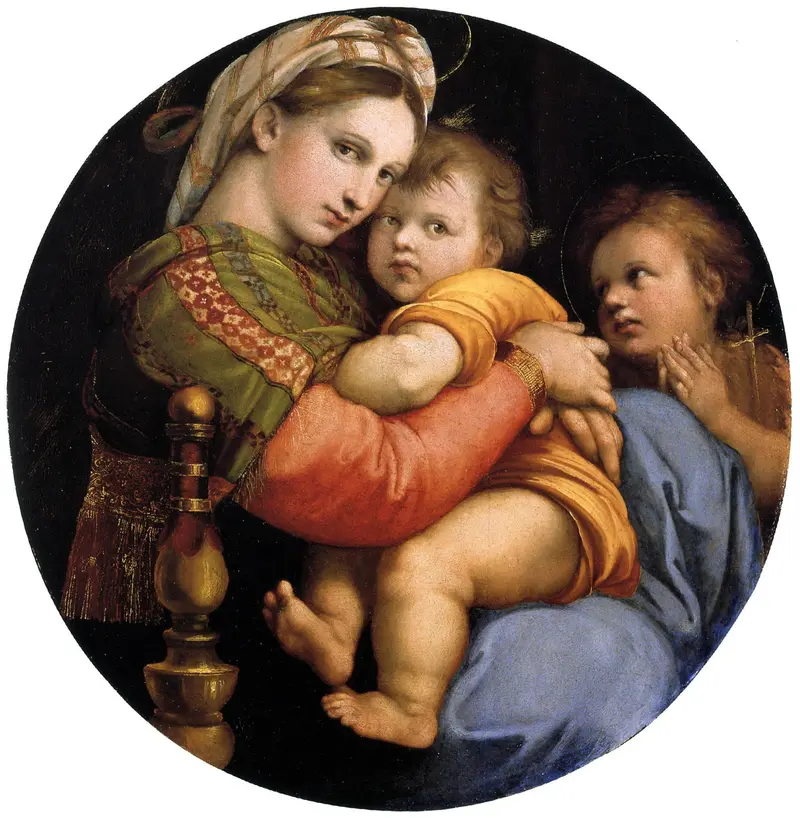
Böcklin Der Einsiedler, 1884, A I 363 — History & Facts
A hush falls over the scene, broken only by the sound you can almost hear: the solitary notes of a violin, played by a monk deep in contemplation. The figure stands absorbed in his music, his back turned to the world, while a cherub—part guardian, part witness—waits at the threshold, peering in with curiosity or longing. Above, two more angelic figures materialize in the mist, their forms barely separated from the clouds, as if summoned by the melody itself.
The light seeps in from the right, brushing the monk’s robe and the cherub’s wings, guiding your gaze from earth to sky, from the wooden hut to the realm of the unseen. Every detail—the worn habit, the humble altar, the hesitant cherub—serves to heighten the sense of a private, sacred moment, suspended between solitude and visitation. Painted in 1884 by Arnold Böcklin, this work belongs to a world where the boundaries between the spiritual and the everyday were porous, especially in the Symbolist imagination. The late nineteenth century saw artists across Europe probing questions of faith, isolation, and the supernatural—not with the grand gestures of earlier religious art, but through intimate, often enigmatic visions.
Böcklin, a central figure in this movement, was known for weaving myth and dream into the fabric of ordinary life. Housed today in a German collection, Böcklin Der Einsiedler, 1884, A I 363 stands as a quiet testament to an age fascinated by the unseen, inviting viewers to linger in the doorway between worlds.
More Artworks by Arnold Böcklin

Die Toteninsel III
Arnold Böcklin
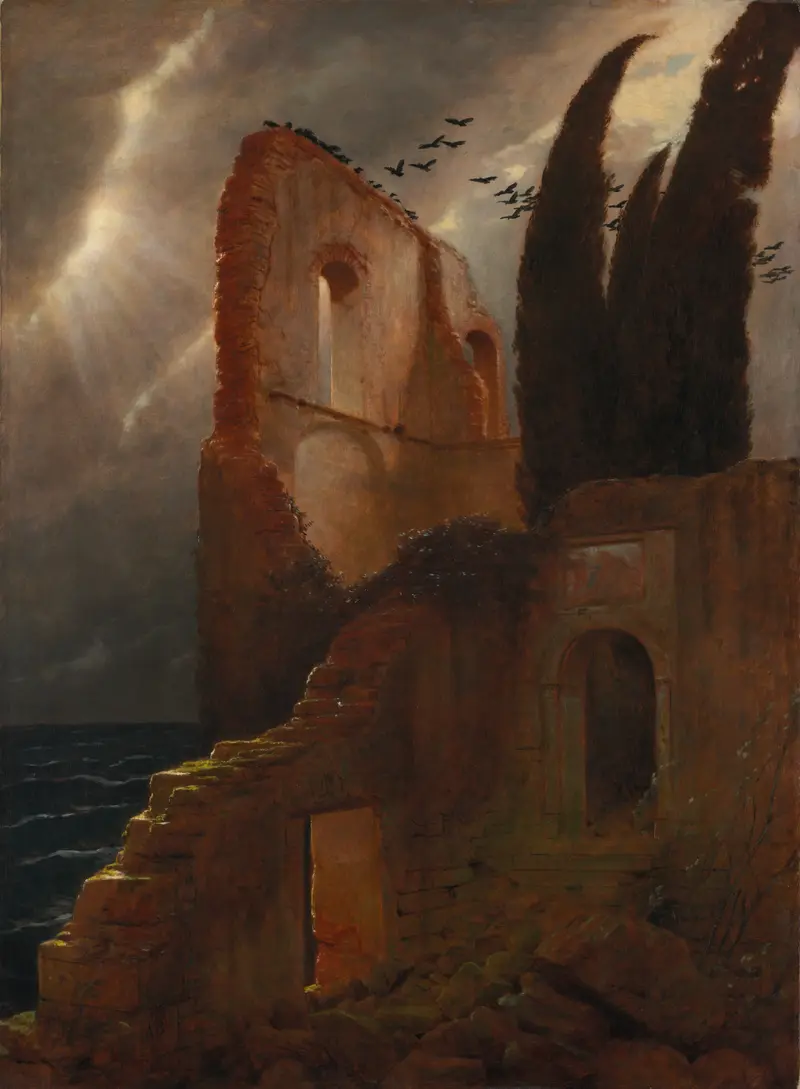
Ruin by the Sea
Arnold Böcklin
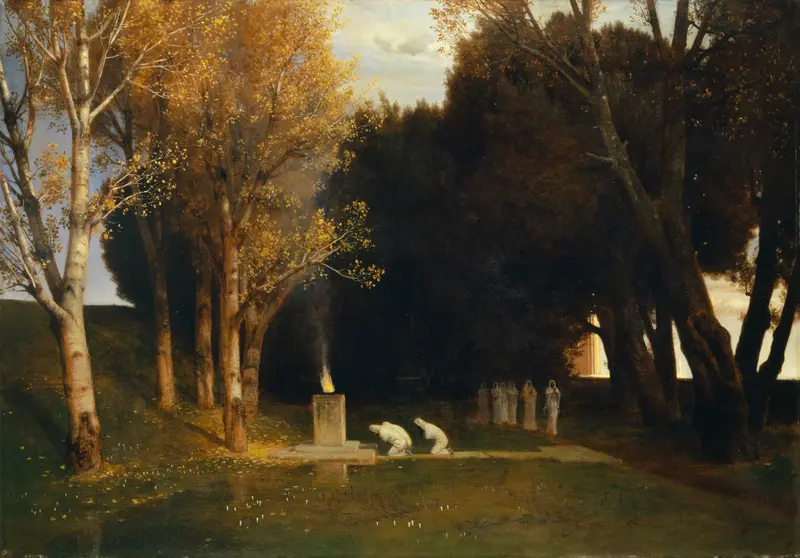
The Sacred Grove
Arnold Böcklin
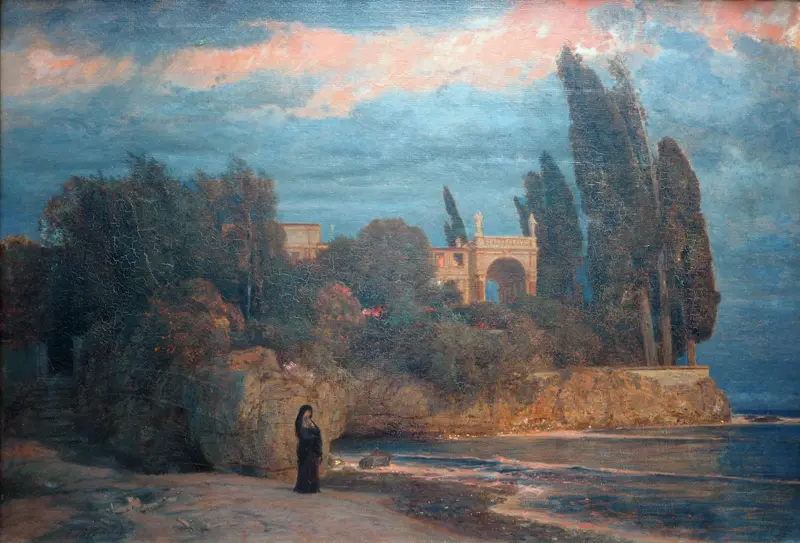
Villa by the Sea
Arnold Böcklin
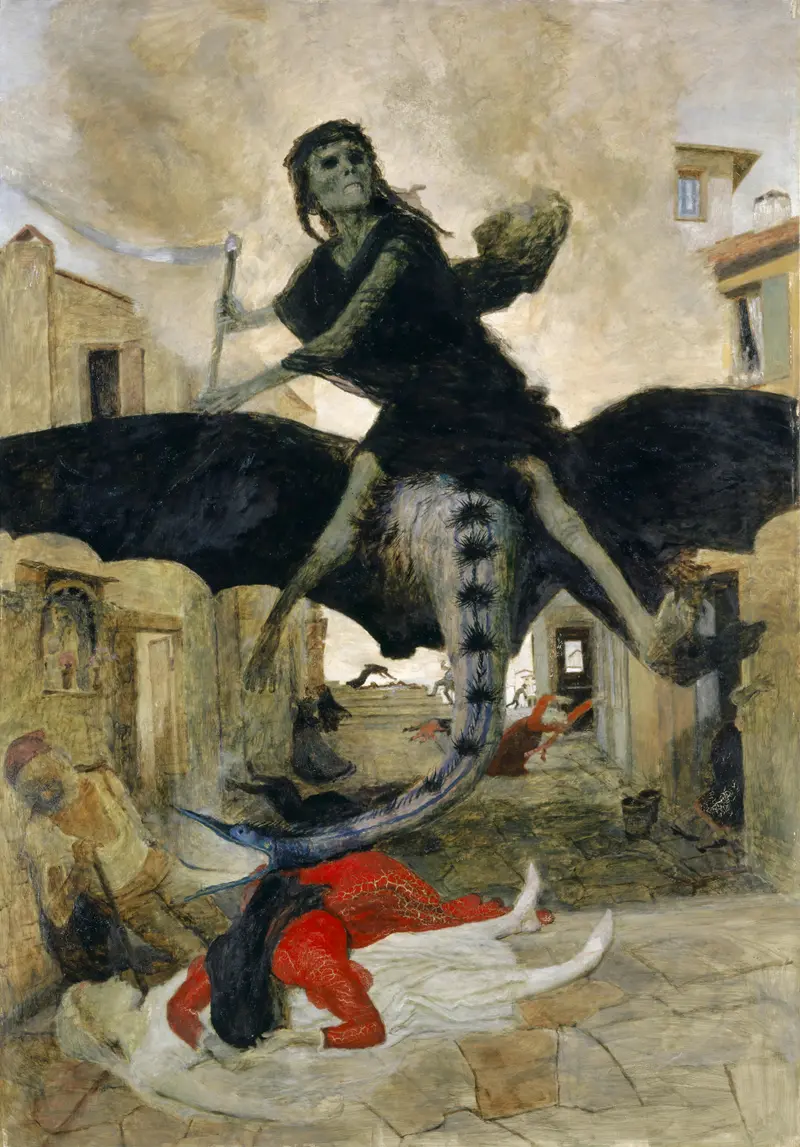
The Plague
Arnold Böcklin
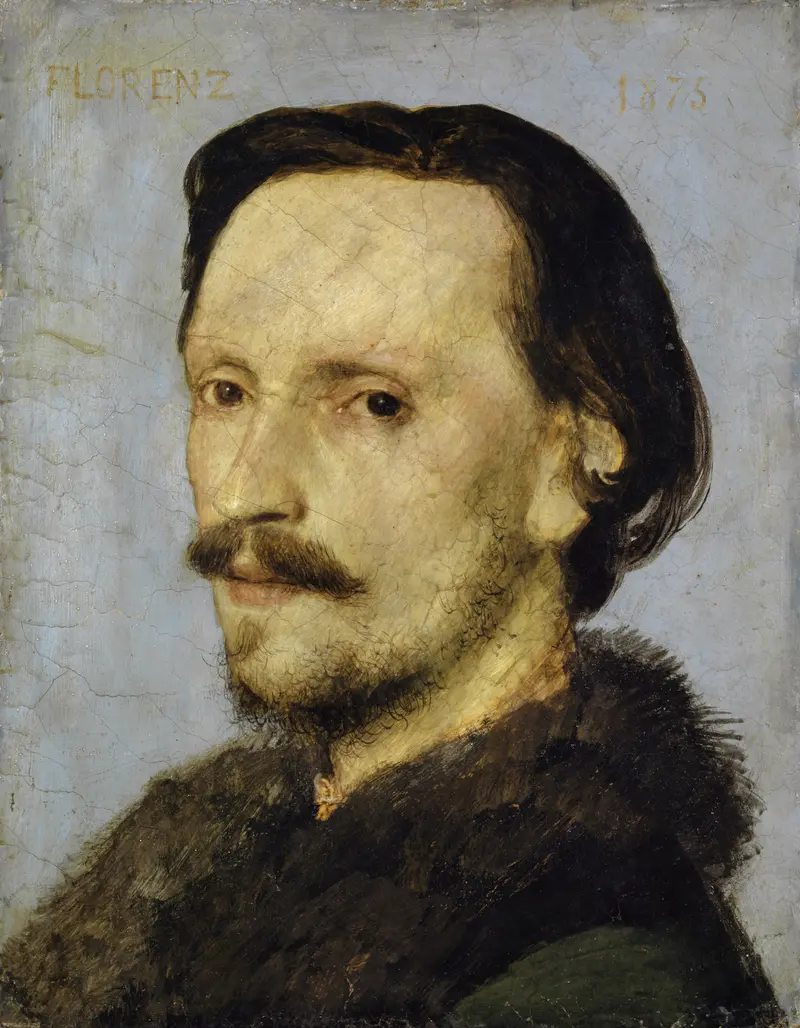
Böcklin Bildnis des Kunsthistorikers Adolph Bayersdorfer, 1875
Arnold Böcklin
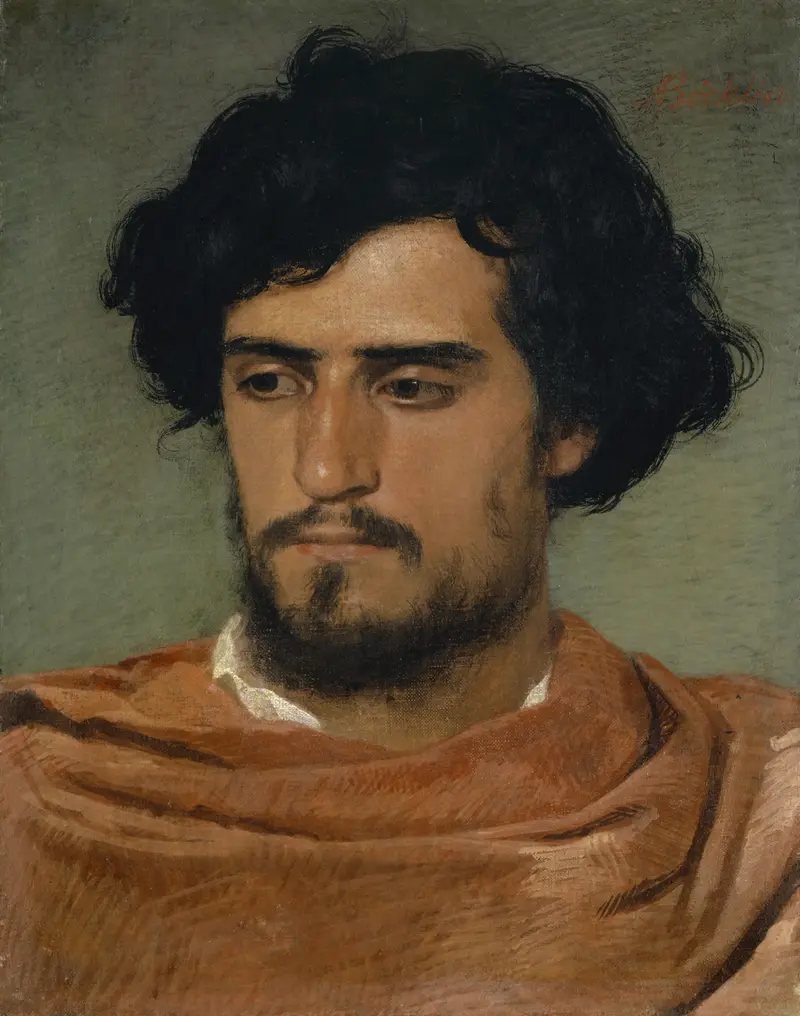
Head of a Roman
Arnold Böcklin
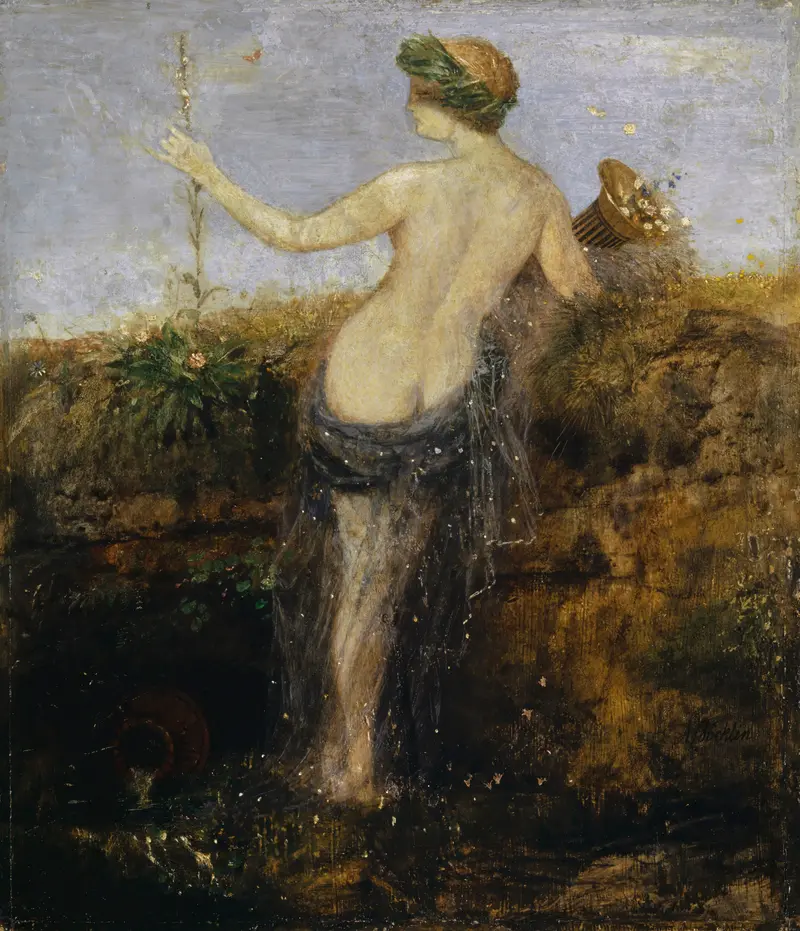
Nymphe with Horn of Plenty
Arnold Böcklin
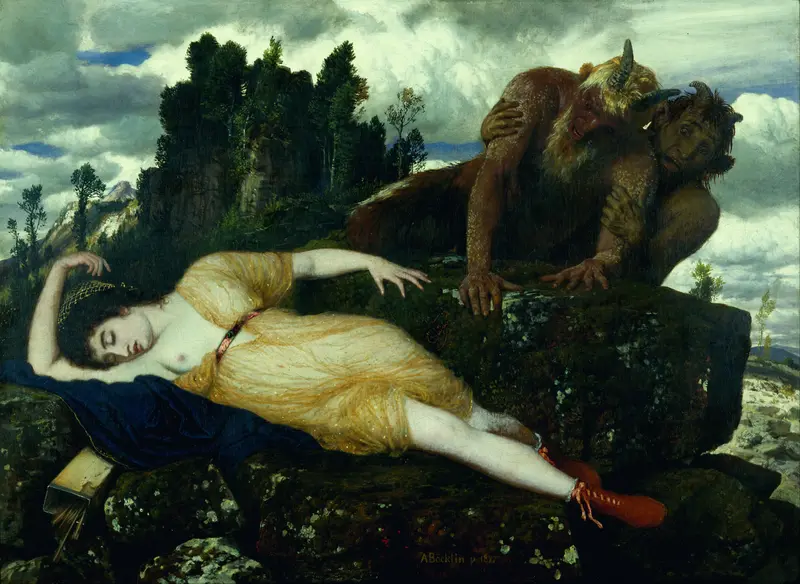
Sleeping Diana Watched by Two Fauns
Arnold Böcklin
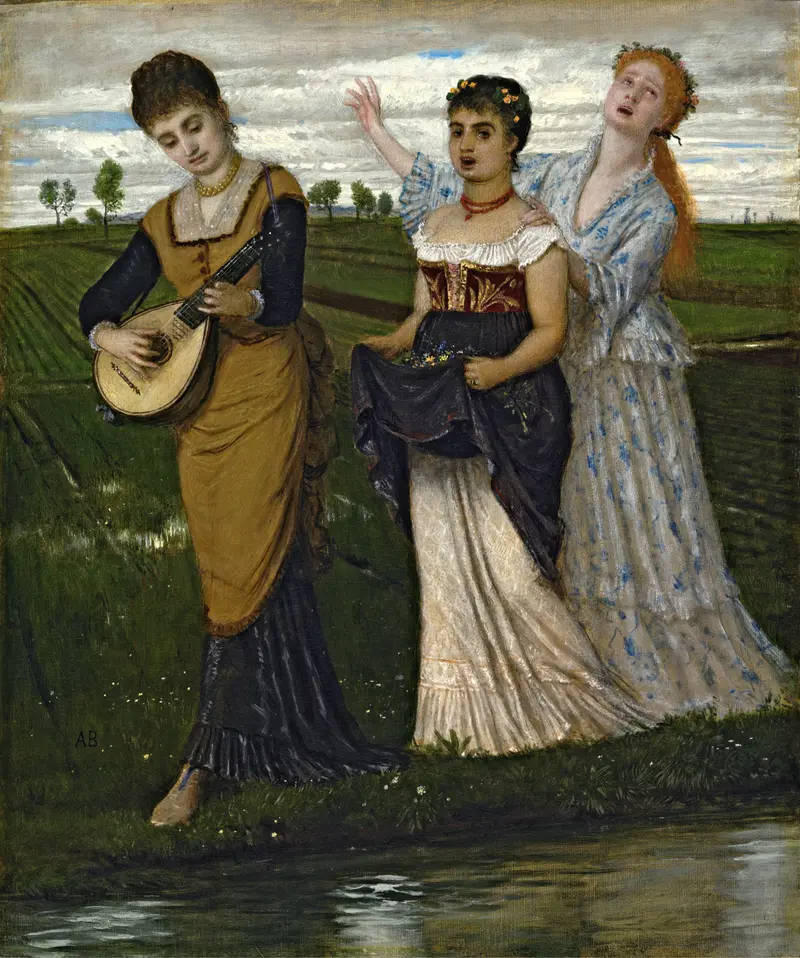
Spring (Songs of Spring)
Arnold Böcklin