
Boomstronk — History & Facts
This notion resonates deeply within the intricate layers of Boomstronk, where laughter and sorrow intertwine, creating a profound reflection on the human experience. Look closely at the center of the canvas, where a warm golden hue radiates like sunlight breaking through clouds. The textured strokes invite your eyes to dance along the contours, revealing a powerful figure caught in a moment of transcendence. Notice how the artist employs a vibrant palette, contrasting dark and light to symbolize the duality of existence — the struggle against the shadows cast by life’s burdens. As you delve deeper, observe the delicate interplay between the dynamic lines and the stillness of the background.
The figure appears to be both grounded and elevated, suggesting an escape from earthly woes. Each brushstroke seems to whisper a story of resilience, hinting at the profound transformation that arises from suffering. The gold, while alluring, serves as a reminder of the weight it often bears — a poignant commentary on the cost of beauty and the complexity of joy. In 1922, Moulijn was navigating the post-World War I landscape, a time when artists sought to capture the essence of a transformed world.
Based in the Netherlands, he was influenced by both the emotional scars left by the war and the burgeoning movements of modernism unfolding around him. This period of his life was marked by experimentation and a quest for meaning, which is beautifully encapsulated in this striking work.
More Artworks by Simon Moulijn
Browse all →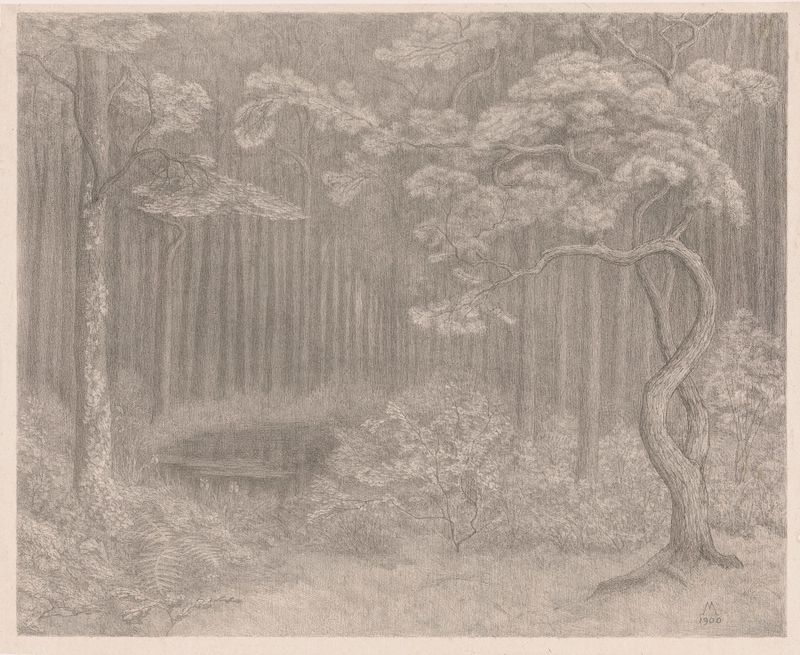
Bosgezicht
Simon Moulijn
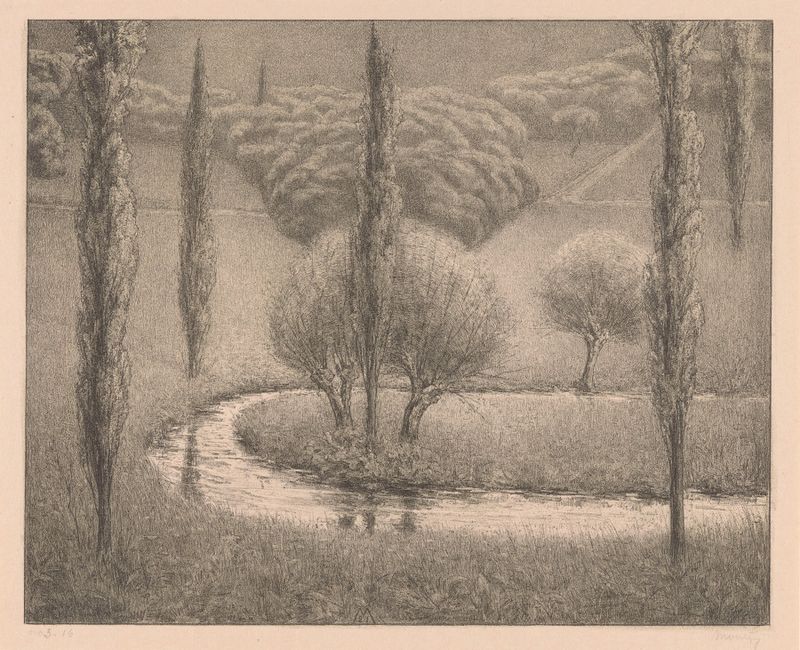
Landschap met wilgen en populieren
Simon Moulijn
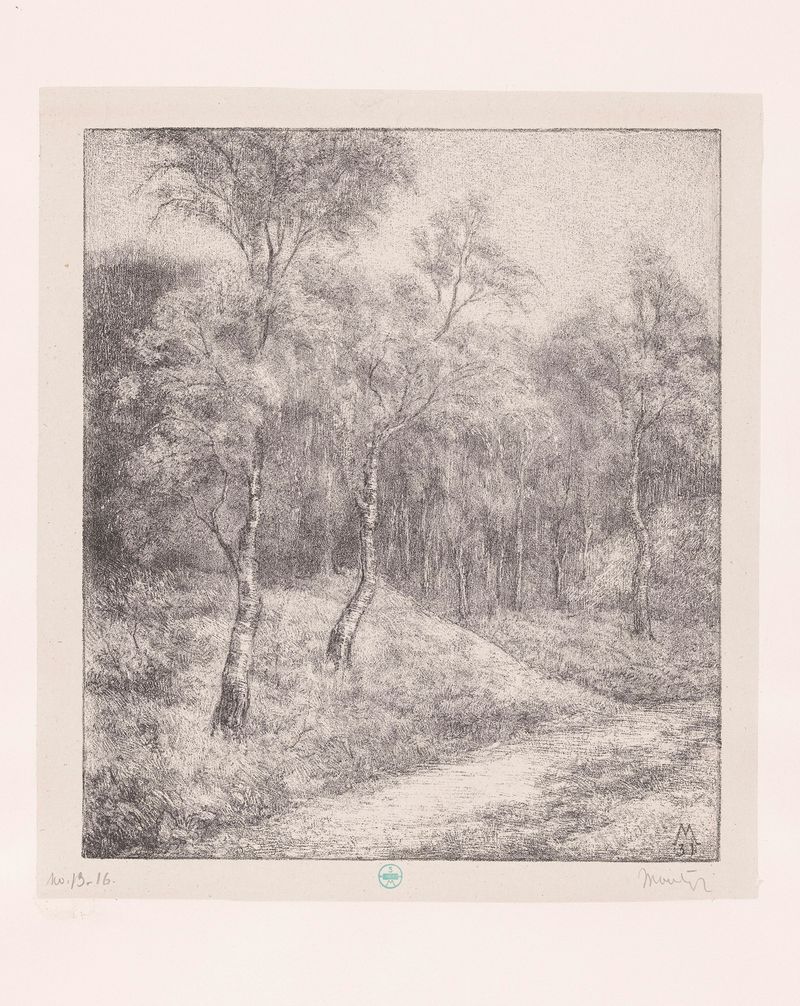
Bospad met berken
Simon Moulijn
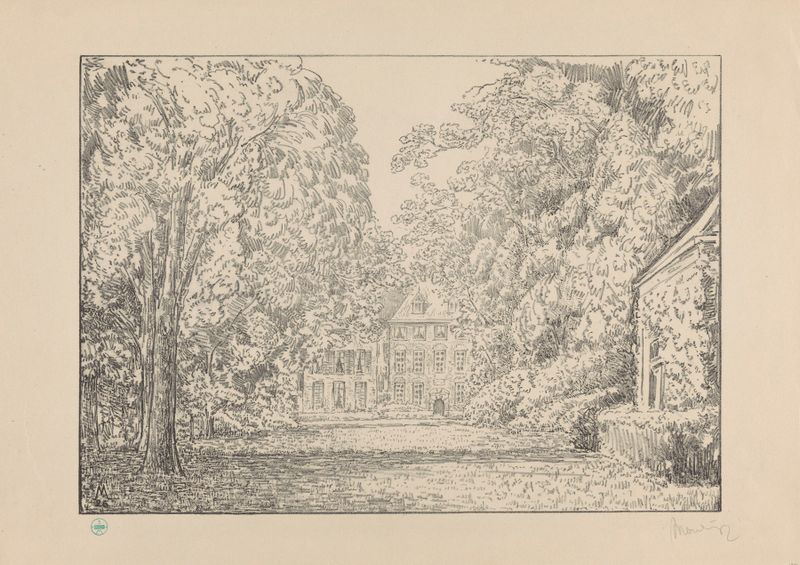
Gezicht op kasteel Duivenvoorde vanuit de tuin Duivenvoorde I
Simon Moulijn
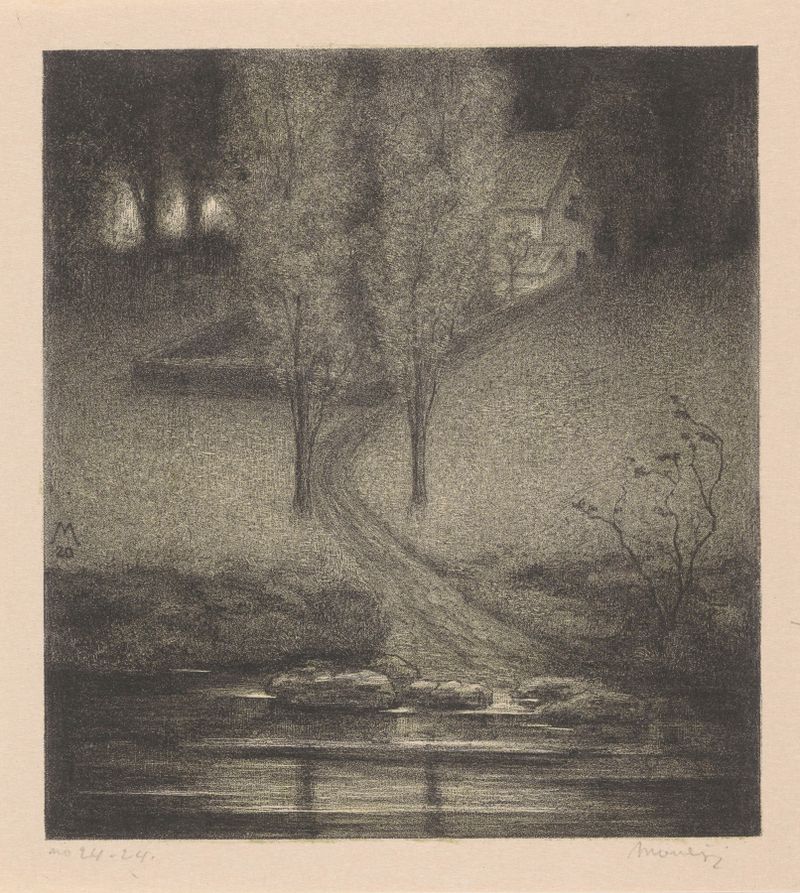
Populieren aan een beek
Simon Moulijn
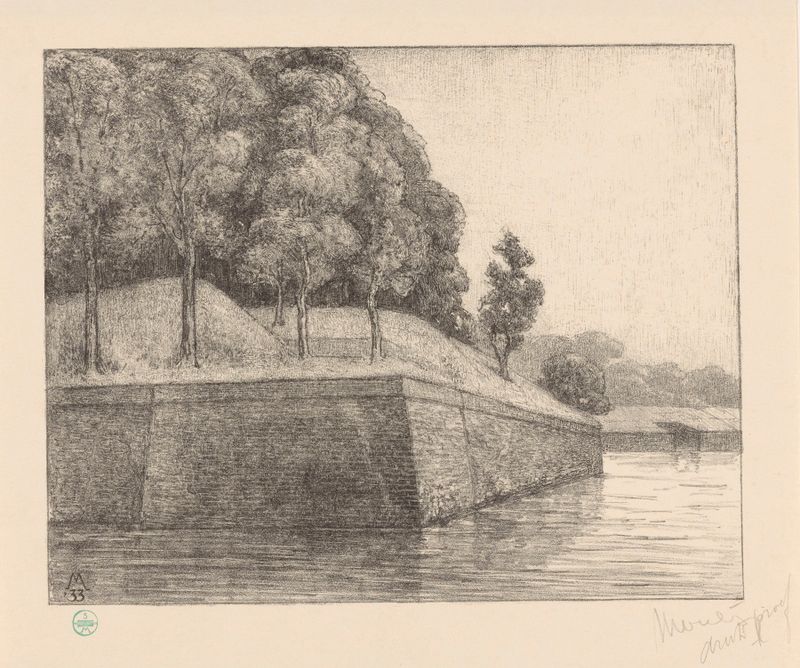
Gezicht op bastion Oud-Molen (westzijde)
Simon Moulijn
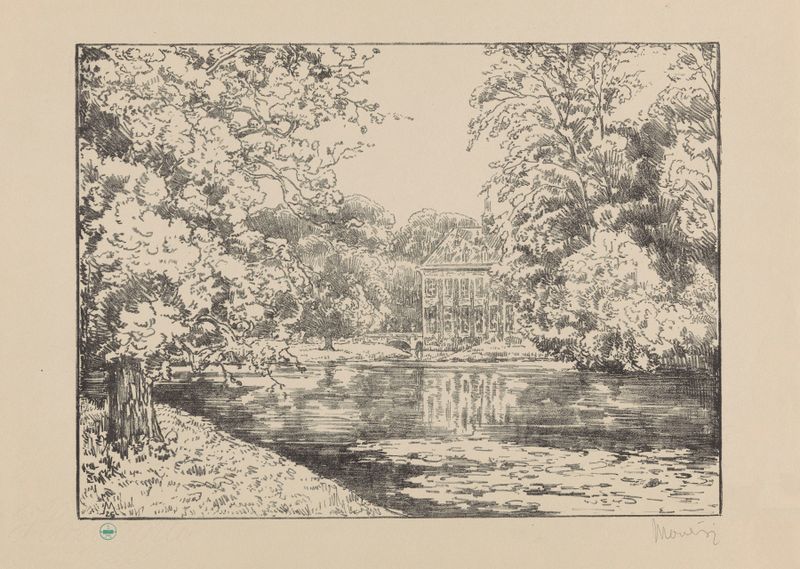
Kasteel Duivenvoorde aan vijver Duivenvoorde II
Simon Moulijn
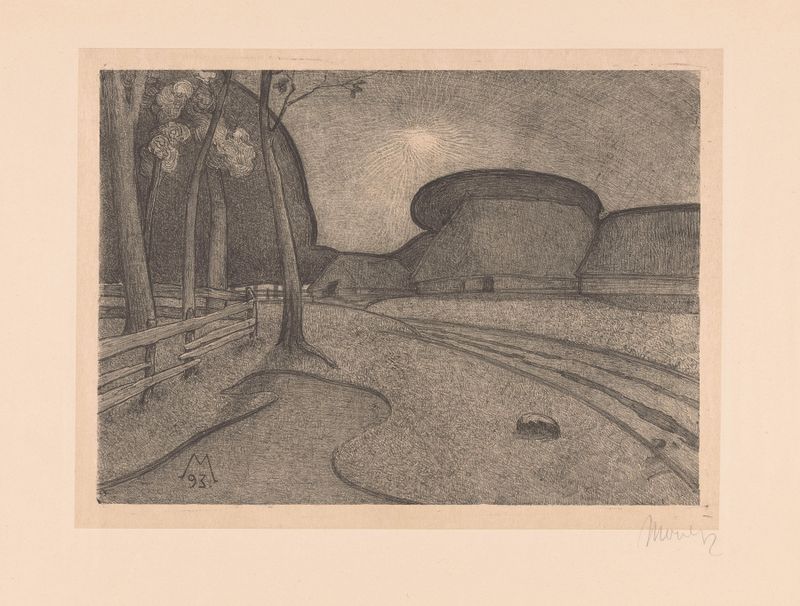
Landschap met boerderij Avond
Simon Moulijn
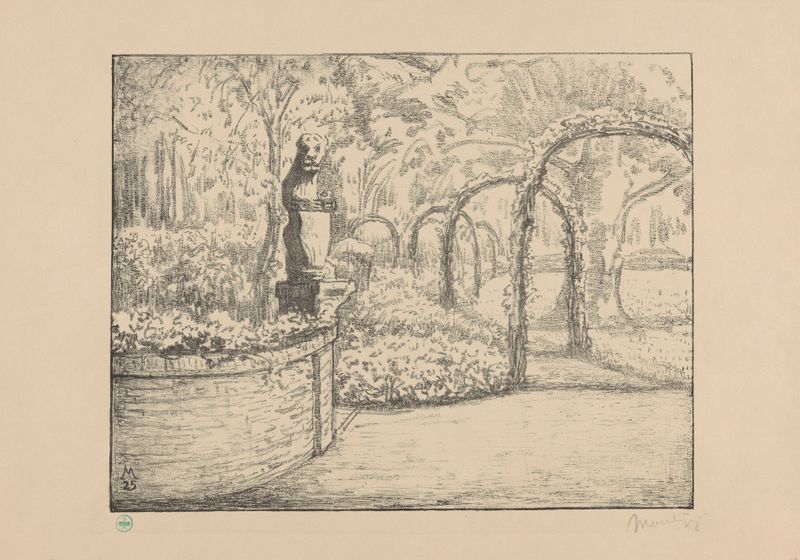
Tuin met rozenbogen op landgoed Zorgvliet Zorgvliet I
Simon Moulijn
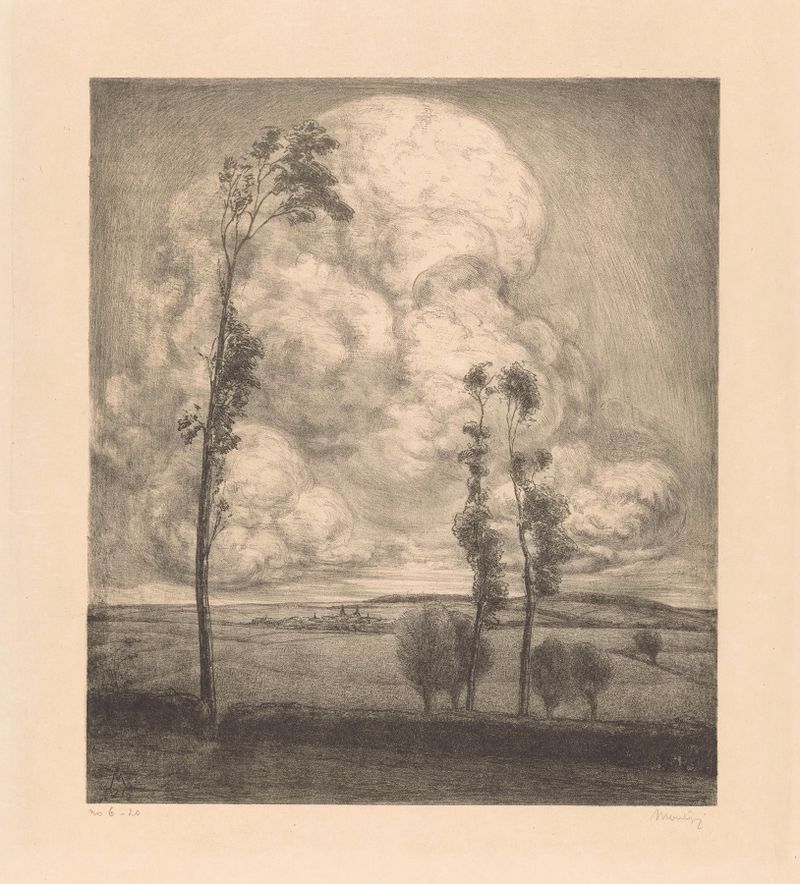
Wolken boven glooiend landschap
Simon Moulijn





