Bos langs een vaart — History & Analysis
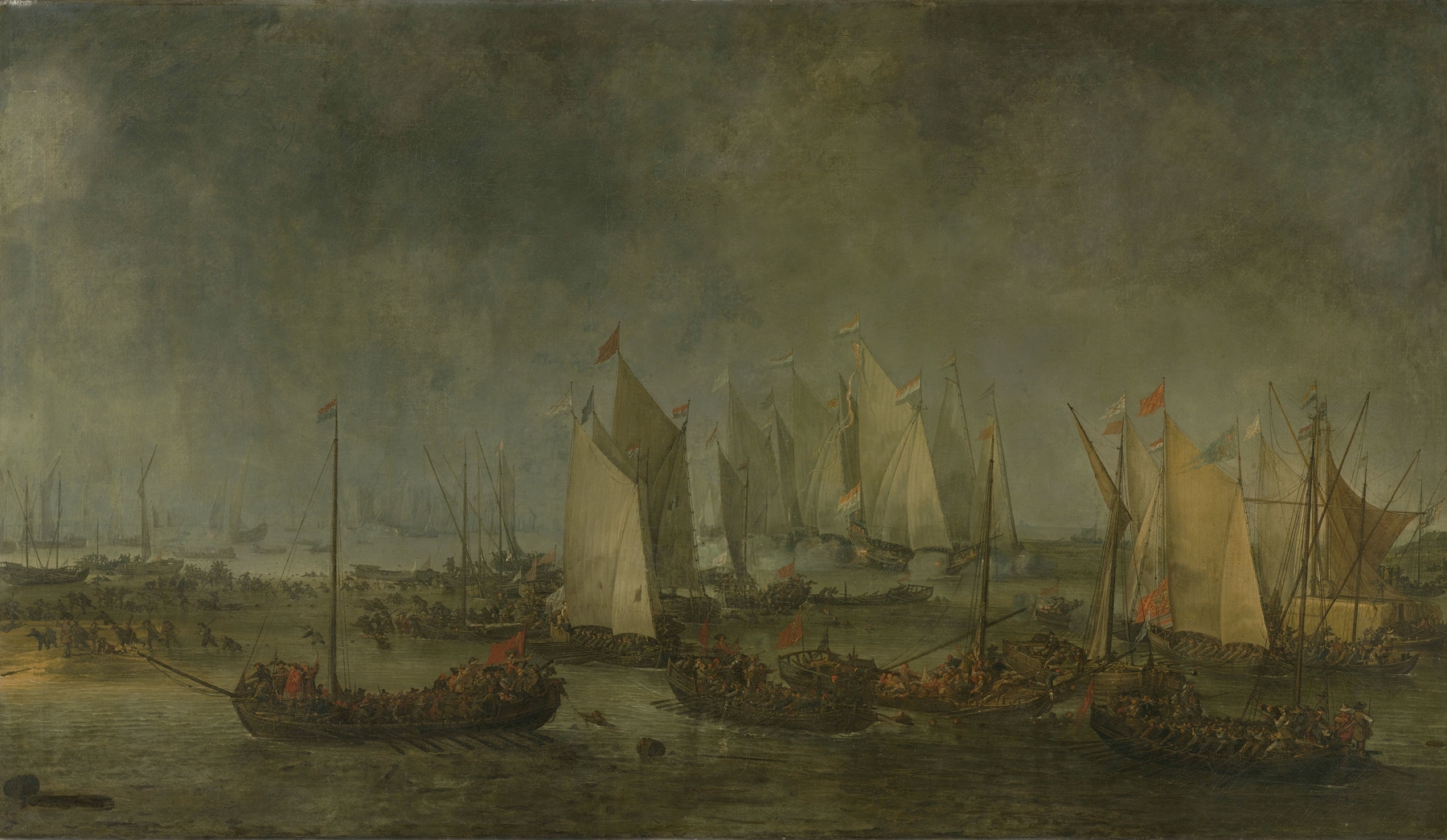
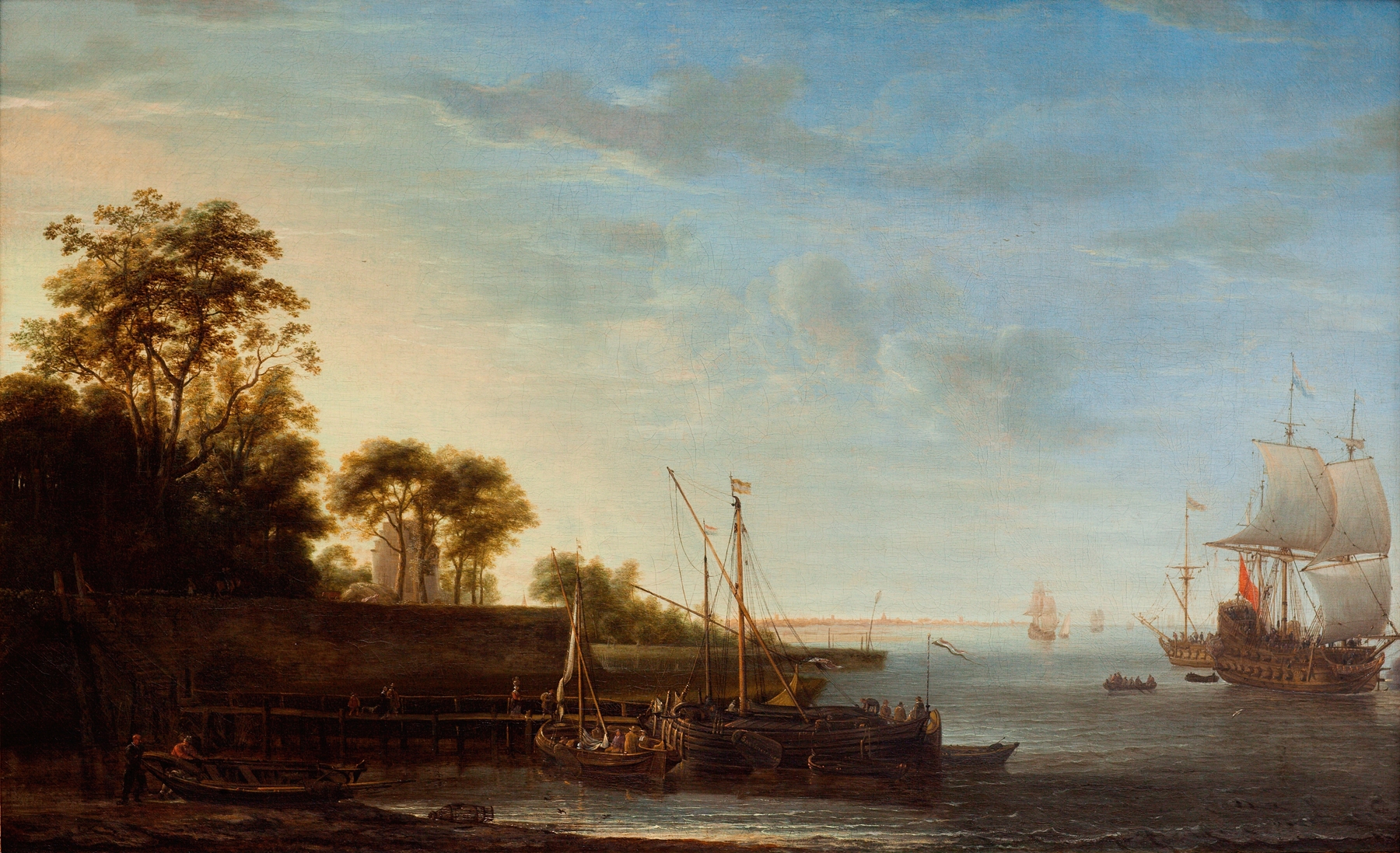
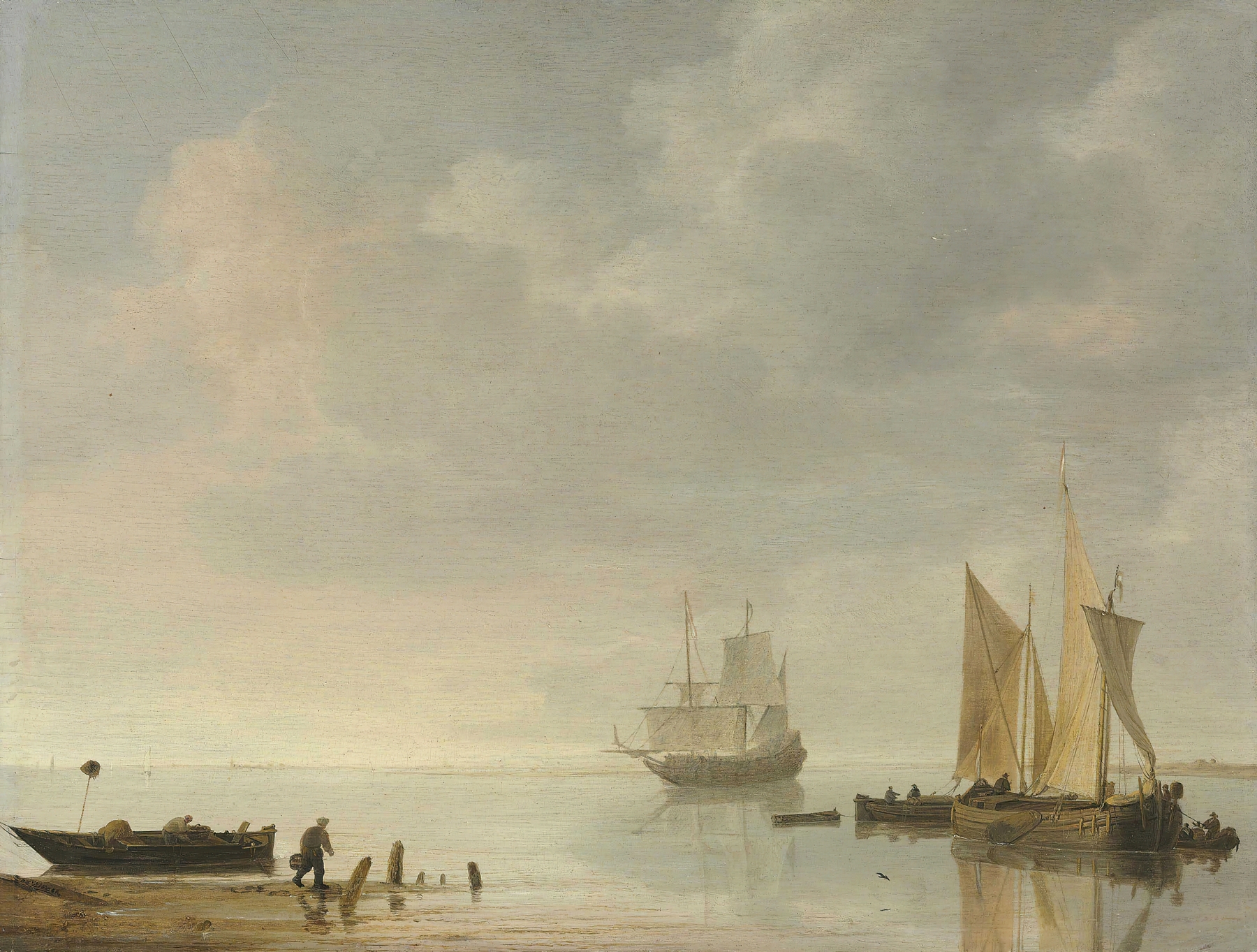
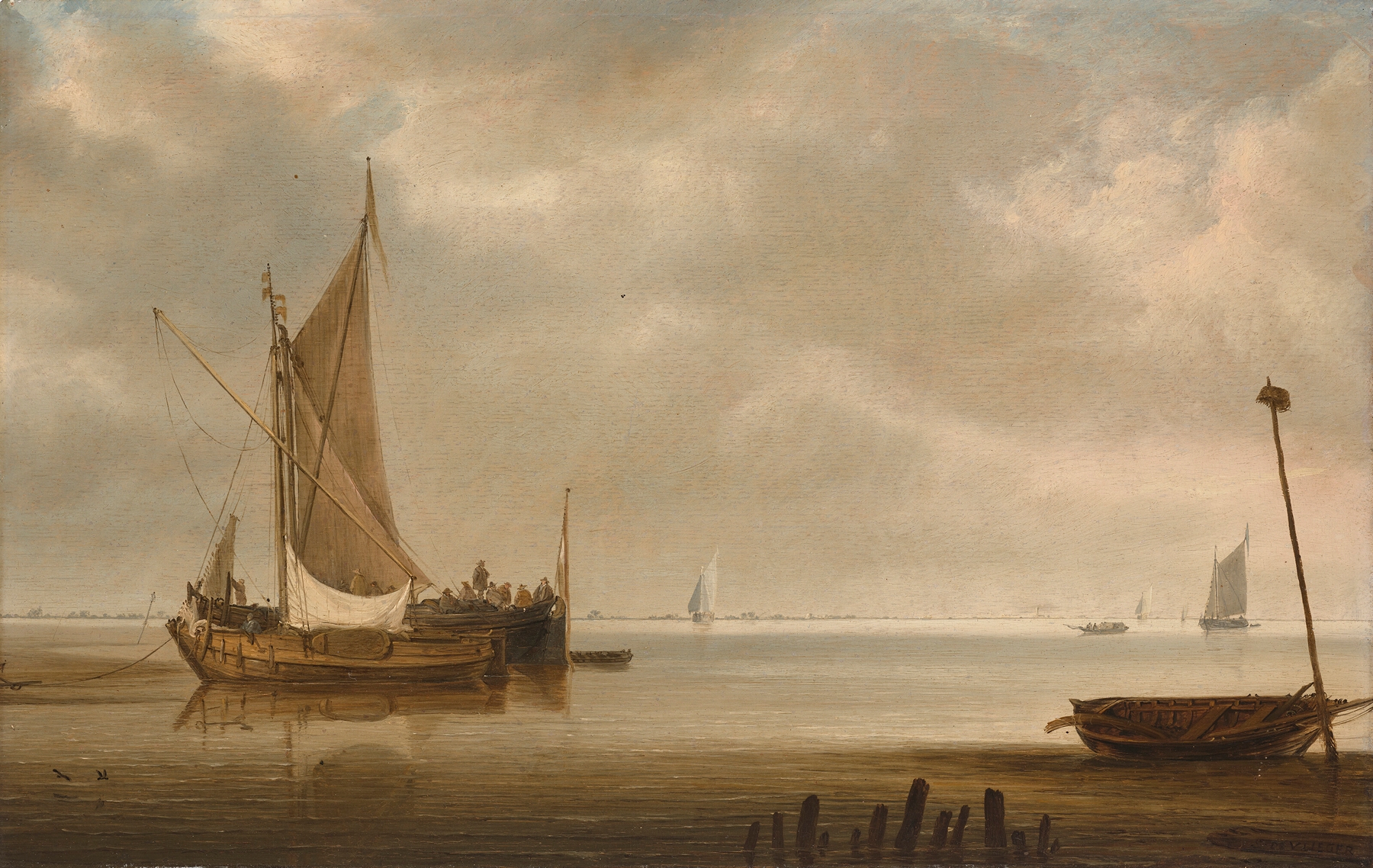
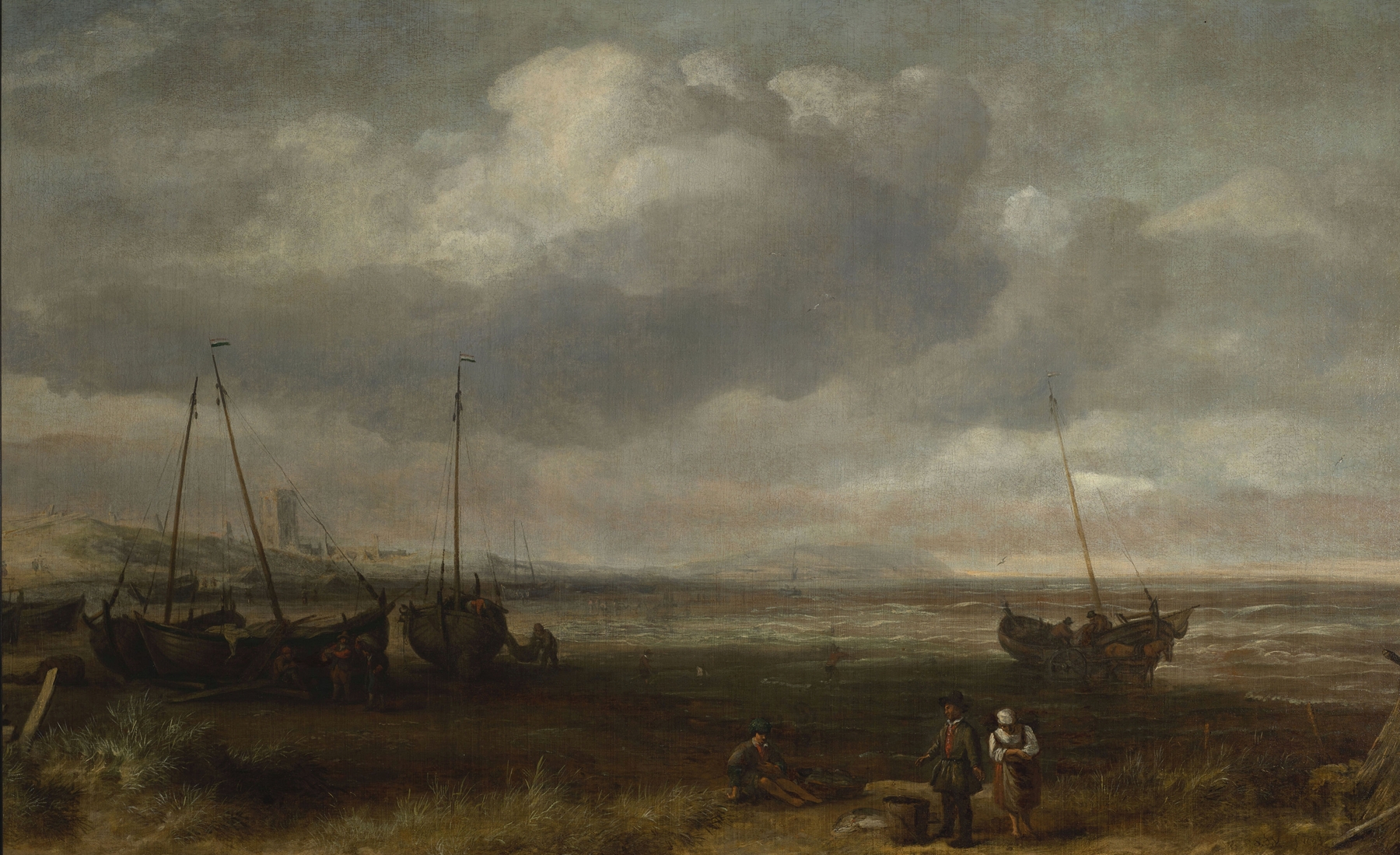
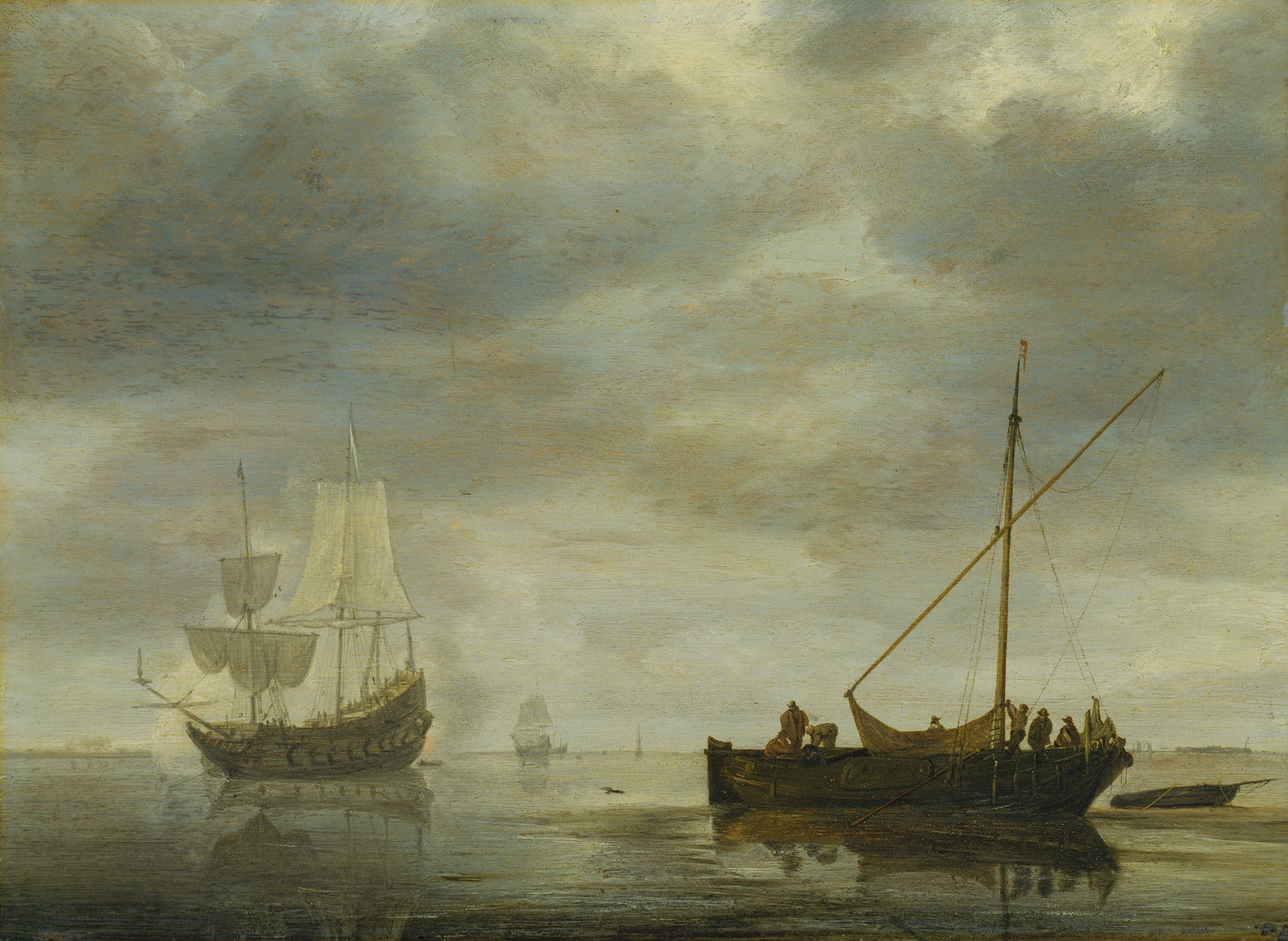
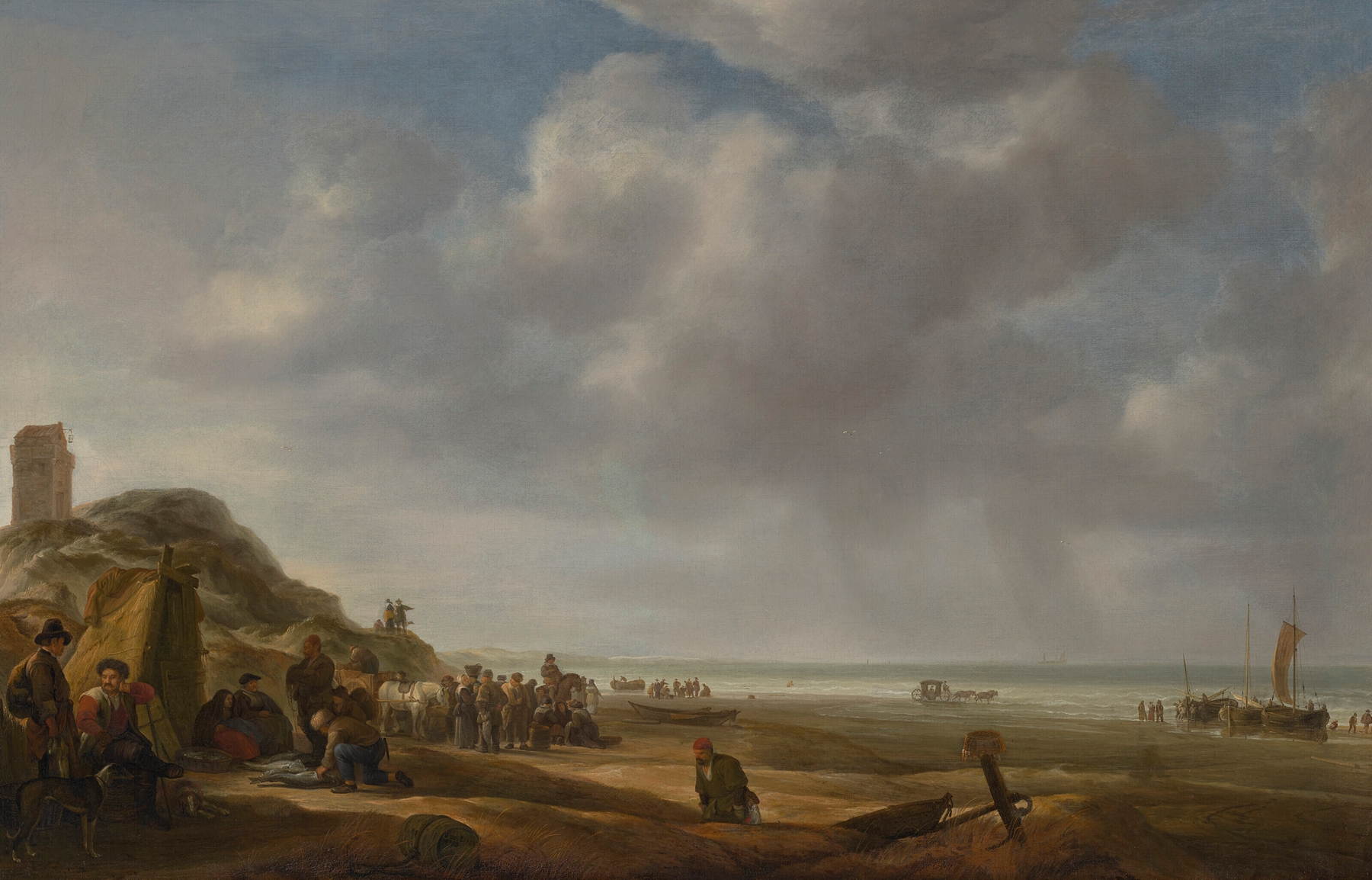
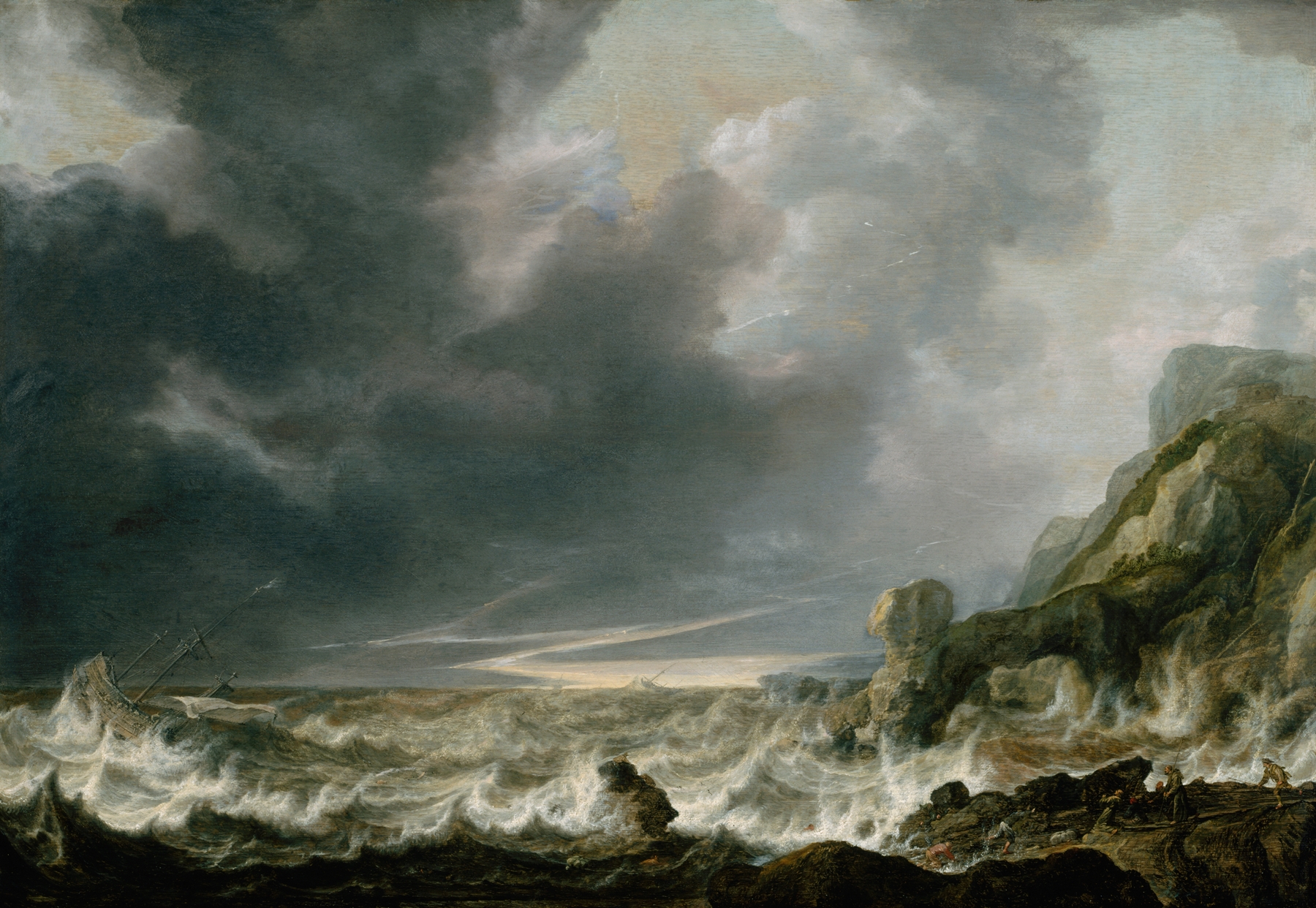
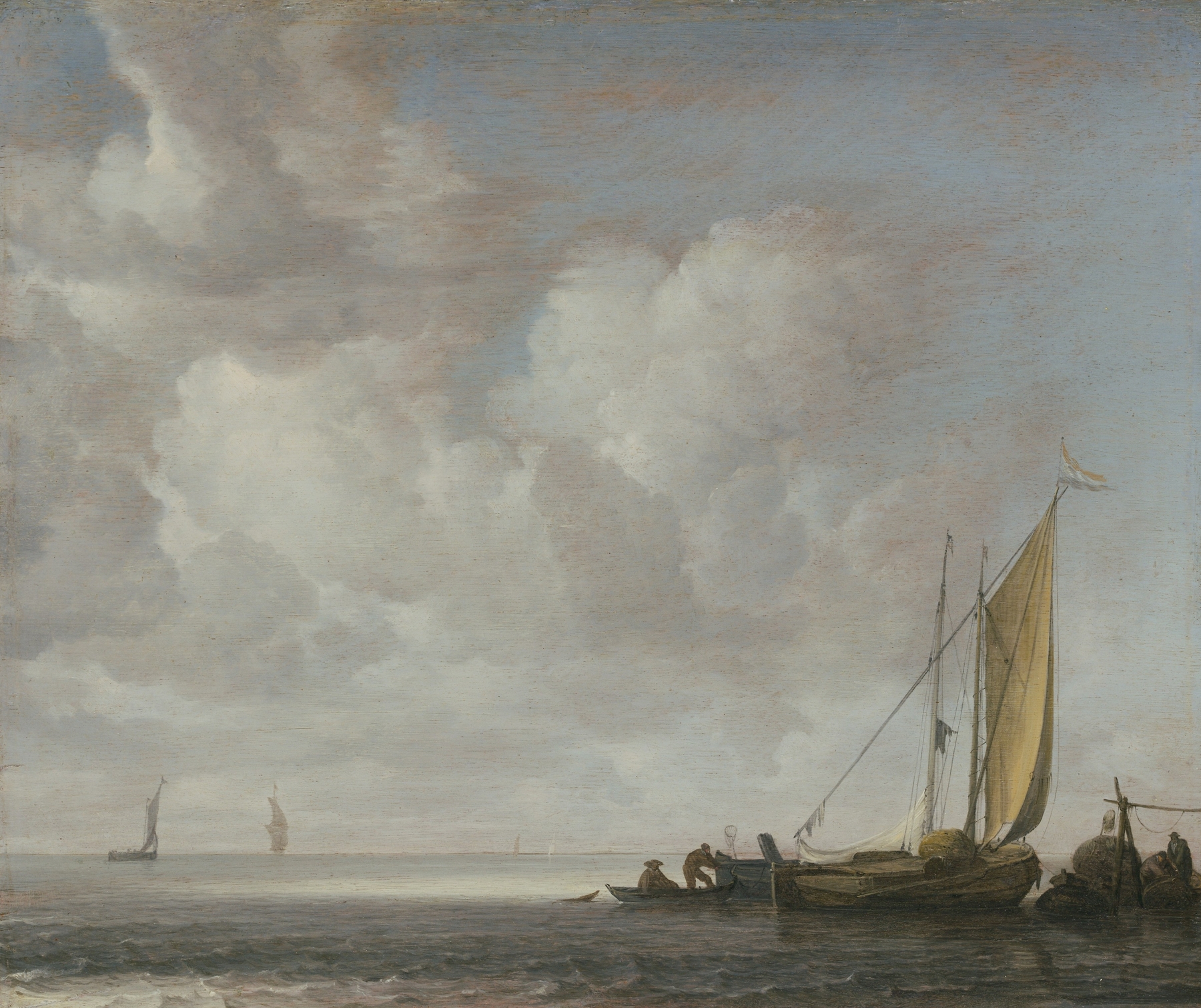
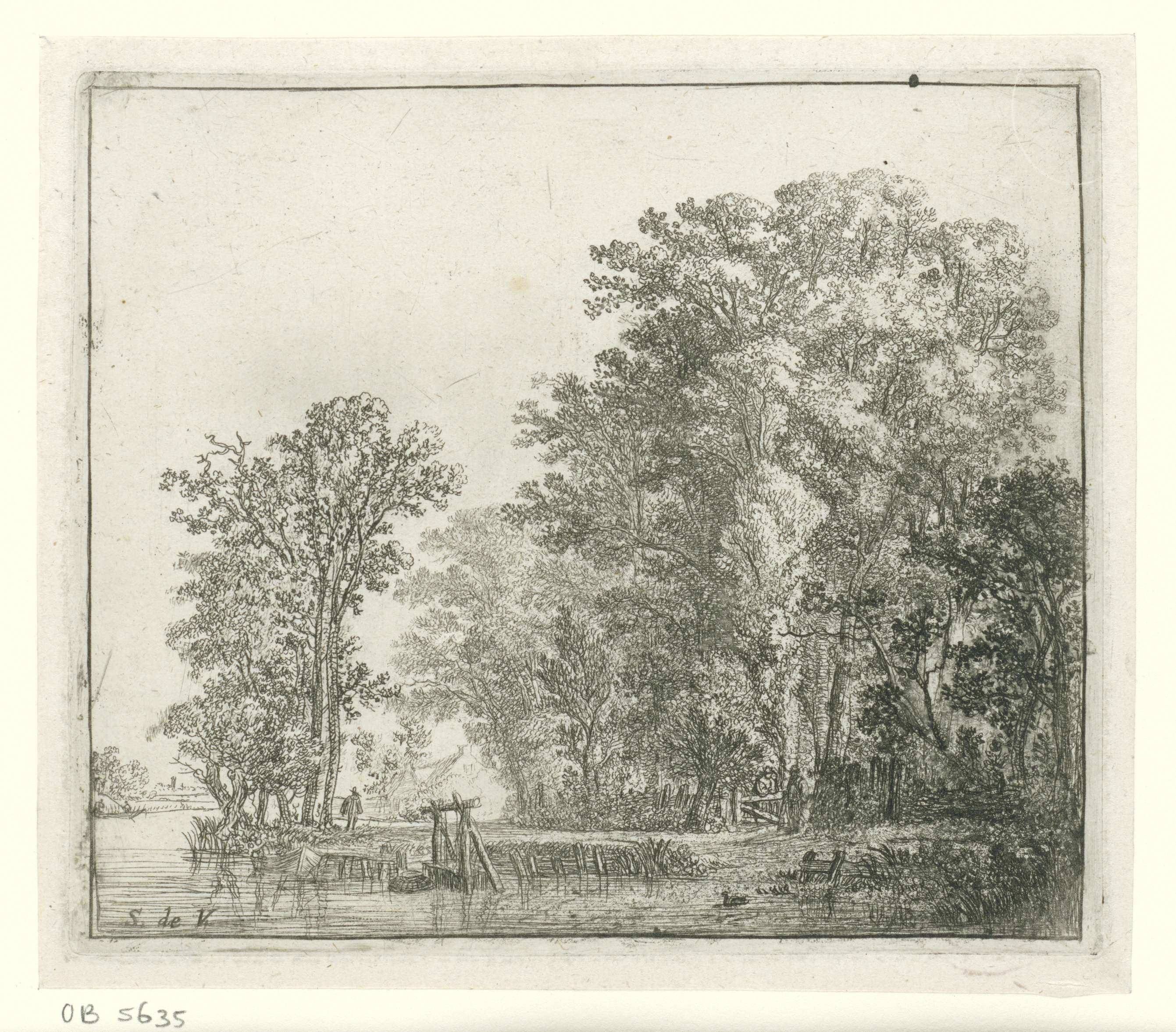
Did the painter know this moment would outlive them? The calm of a river encircled by lush foliage speaks of an eternity that captures the fleeting essence of life. Look to the left, where a soft golden light dapples the water's surface, inviting you to trace the undulating reflections of the trees along the bank. The serene blues and greens embrace the viewer with a tranquil palette, while the gentle brushstrokes create a fluidity in both the sky and the water.
Notice how the horizon bends softly, guiding your gaze inward, where a solitary figure stands, encapsulating the stillness of this idyllic scene. Yet, within this peaceful landscape, subtle contrasts arise. The vibrant colors of nature's bounty become a poignant reminder of the passing seasons, while the lone figure hints at solitude amidst the beauty, evoking feelings of both connection and isolation. The painting invites contemplation about humanity's relationship with nature—are we mere observers, or integral parts of this serene tapestry?
The juxtaposition of life and the stillness of the setting creates an emotional depth that transcends the visual. Simon de Vlieger painted this piece during the Dutch Golden Age, a time rich with artistic exploration and flourishing trade. Working in the Netherlands between 1610 and 1653, he was part of an active artistic community, influenced by the evolving techniques of light and shadow. As the world around him transformed, his work reflected both the beauty of nature and the wisdom of a moment captured in time, inviting viewers to reflect on their own existence.